7 مراحل رئيسية في دورة حياة إدارة المنتج

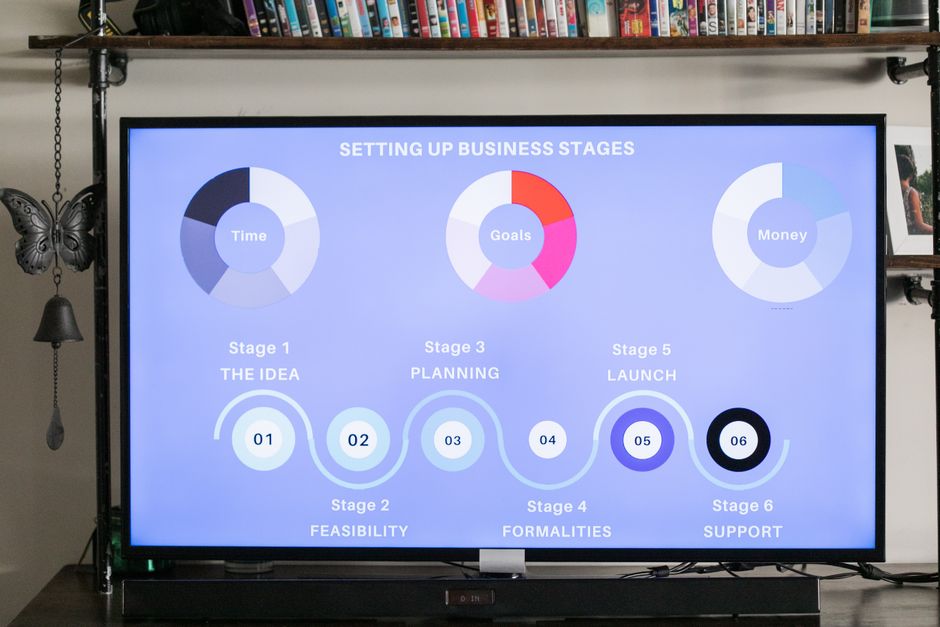
حدد المشكلة في جملة واحدة وأثبتها بتجربة إثبات القيمة لمدة أسبوعين. هذا يحافظ على توحيد الفرق ويقلل من الهدر، مما يوفر تعلمات أسرع.
يركز المرحلة 1 على الاكتشاف وتصميم المفهوم الأولي. جمع أمثلة من مقابلات المستخدمين، والتحليلات، وبيانات المصادر المفتوحة لكمية المشكلة التي يواجهها مستخدموهم. بناء قائمة مهام لمدة أسبوعين مع خطوات عملية واضحة وتحديد معيار التعادل للإصدار الأول.
ترجم المرحلة 2 الرؤى إلى خطة ملموسة: حدد الحد الأدنى القابل للتسويق، ثم فكر من حيث النتائج بدلاً من المخرجات. أولوية الميزات التي تقدم قيمة للمستخدمين وتتوافق مع نتائج قابلة للقياس. استخدم دليل تسجيل خفيف الوزن لمقارنة الخيارات وتحديد أكثر الرهانات تأثيراً، بهدف التقاط مزيج مربح من الميزات والفرص خارج النطاق الأولي.
تنتقل المرحلة 3 إلى التطوير والتحقق السريع. بناء مكونات صغيرة قابلة للاختبار وقياس التأثير ببيانات التجارب من المعتمدين المبكرين. استخدم أدوات المصادر المفتوحة حيثما أمكن لتقليل وقت الوصول إلى السوق والحفاظ على العملية نحيفة. تتبع توقيتات التعادل وتعديل النطاق للحفاظ على الخطة مربحة.
تطلق المرحلة 4 بإصدار خاضع للرقابة، تجمع التعليقات، وتكرر على عرض القيمة. تتبع التجارب عبر نقاط الاتصال، تقصير دورات التكرار، واستخدام البيانات لنمو القنوات المربحة. حدد فرصاً صريحة للتوسع عبر تحسينات في تجربة المستخدم، والتسعير، والتغليف، مع الحفاظ على حكم خفيف للحفاظ على كفاءة العملية.
تقلل المرحلة 5 المخاطر بالمراقبة المستمرة والتحليلات، ثم تهيئ خطة المنتج بناءً على البيانات. استخدم لوحات التحكم لمراقبة المقاييس الرئيسية؛ قلل من الخروج وتحسين الاحتفاظ بالتركيز على التجارب الأساسية التي يقدرها العملاء. استعد لما بعد الإصدار الأولي بتخطيط ميزات الامتداد والشراكات.
توسع المرحلة 6 المبادرات الناجحة بترميز أفضل الممارسات، توثيق تغييرات العملية، واستخدام أدوات المصادر المفتوحة للبقاء نحيفاً. أخيراً، تقيم المرحلة 7 التوافق الاستراتيجي، تحل الرهانات ذات التأثير المنخفض، وتخطط لـالتعادل في شرائح جديدة، مما يضمن بقاء محفظة المنتجات مربحة.
المرحلة 1: الاكتشاف وإطار الفرصة
ابدأ برياضة اكتشاف مركزة لمدة أسبوعين. المبادئ: وضوح المشكلة، التحقق السريع، والتأثير القابل للقياس. استخدم التفكير الإبداعي لتوليد مفهوم يعالج ألماً أساسياً لفرق التسويق وإدارة المنتج. أطر الحالة المستقبلية: ما يكسبه المستخدمون، كيف يحافظ على القيمة، وكيف يمكننا تعظيم التأثير. النتيجة هي تلخيص موجز يرشد العمل المهيئ، يساعد الفريق على الانتهاء بالتوافق، ويمكن استخدامه بسهولة من قبل الفرق اللاحقة.
قابل أصحاب المصلحة وأولئك من التسويق، والمبيعات، والدعم لإظهار إشارات حقيقية. بناء خريطة فرص خفيفة الوزن ولوحة تحكم في الوقت الفعلي لتتبع المتغيرات، مع الحفاظ على التركيز. جمع المدخلات من المصدر لتثبيت القرارات وتجنب التخمين.
حدد المهام بأصحاب واضحين ومدير مخصص؛ حدد المعالم ونقاط التفتيش. ضمن أن الخطة تبدو عملية وقابلة للتنفيذ، وأن مقاييس الأداء مرئية للفريق. استخدم طقوس العمل الجماعي مثل الوقوف اليومي للبقاء على اطلاع وتعديل حسب الحاجة مع الحفاظ على النطاق ضيقاً.
الإخراج هو ملخص فرصة يصف المشكلة، الأهداف، أفضل حالات الاستخدام، الميزات المقترحة، وفرضية قابلة للاختبار. تضمين عرض واضح للمرحلة التالية وخطة للتحقق منها مع أصحاب المصلحة والمسوقين.
الخطوات التالية: قدم إلى أصحاب المصلحة، توافق على الأولويات، وحدد تاريخ انتهاء. ربط كل ميزة بالتأثير المتوقع على الأداء وقيمة المستخدم، وحدد كيف ستقيس النجاح. استخدم الملخص لدفع التعاون عبر الفرق والحفاظ على خارطة الطريق مركزة على ما يهم للمستقبل.
المرحلة 2: توافق أصحاب المصلحة وتحديد الأهداف
أجرِ مقابلات 1:1 مع أصحاب المصلحة لتحديد 3 نتائج قابلة للقياس وتعيين أصحاب، مما يؤسس مصدراً وحيداً للحقيقة للأولوية عبر الفرق الموجهة بالمنتج، التصميم، الهندسة، التسويق، والدعم.
-
تكشف المقابلات عن الأهداف والقيود: تحدث مع المديرين التنفيذيين، رعاة المنتج، وفرق الخط الأمامي. التقط سياق السوق، الوظائف التي يستأجر المستخدمون المنتج من أجلها، وأي مخاطر تمنع التقدم. ترجم النتائج إلى أهداف ملموسة وإشارات نجاح.
-
طور خريطة توافق أصحاب المصلحة: سرد الأهداف، الأصحاب، الاعتماديات، والمخاطر؛ تقييم التأثير مقابل الجهد؛ ضمن التوافق على أي جوانب من رحلة المستخدم داخل التطبيق تستهدف. ترشد هذه الخريطة الجهود وتجنب زحف الميزات.
-
حدد الأهداف والمقاييس: أقم 3 أهداف نجم الشمال و2–4 مؤشرات رائدة مرتبطة بالنمو والاحتفاظ. عيّن أصحاباً وحدد أهدافاً محدودة زمنياً (مثل 12 أسبوعاً). يساعد هذا الوضوح الكاتب وأعضاء آخرين على التواصل بوضوح حول التقدم.
-
ترجم الأهداف إلى نتائج وأنشطة المنتج: رسم كل هدف إلى أنشطة مستخدمين محددة ووظائف، حدد معايير القبول، وربط بأفكار يمكن أن تقدم قيمة. ركز على الحلول التي تعظم التأثير دون تمديد الموارد بشكل مفرط.
-
قائمة فرضيات والخطة التجريبية: لكل هدف، اكتب فرضية حادة واقترح 2–4 تجارب. احتفظ بالاختبارات صغيرة، قابلة للقياس، ومختبرة بسرعة؛ وثق النتائج لإرشاد الخطوات التالية وخيارات النمو.
-
قرارات النطاق والتقاعد: اقصِ الخدمات التي لا تساهم في الأهداف المحددة؛ رسم خطة تقاعد للميزات غير الأساسية مع اتصالات مستخدمين وخطوات نقل بيانات.
-
الحكم والملكية: عيّن قادة المنتج، حدد أصحاباً عبر الفرق، وحدد إيقاعاً للمراجعات. يمنع التزامن المنتظم عبر الفرق الانحراف ويضمن الدعم من جميع أعضاء المنظمة.
-
التوثيق والوصول: انشر ملخصاً حياً صفحة واحدة وربط بقائمة المهام، سياق السوق، ورحلات داخل التطبيق. ضمن أن جميع أصحاب المصلحة يمكنهم مراجعة القرارات وتقديم تعليقات.
توافق هذه الخطوات أصحاب المصلحة حول مسار واضح قابل للاختبار وتعد الفريق للتكرار بسرعة لأن الخطة تركز على قيمة المستخدم، لا المخرجات فقط.
المرحلة 3: بحوث العملاء وتحقق فرضية القيمة
نفذ رياضة اكتشاف مركزة مع عملاء متعددين للتحقق من فرضية القيمة الخاصة بك. أجرِ 6–8 مقابلات وجهاً لوجه بالإضافة إلى 3–5 جلسات مهام سريعة لاختبار ما إذا كان الحل المقترح يقلل من ألم حقيقي وما إذا كان العملاء سيدفعون ثمنه. تقديم أدلة واضحة لدعم أو رفض الفرضية والتقاط إشارات حول الوظائف الأساسية التي يجب القيام بها، النتائج المتوقعة، وحساسية السعر.
ما يتم التحقق منه مع العملاء
وضح ما هي القيمة الأساسية والمجموعة الأصغر من الميزات التي تقدمها. تحقق من الآلام، النتائج، والمحفزات التي تنقل شخصاً من الاهتمام إلى الفعل. راقب التغييرات في الاحتياجات عبر شرائح العملاء وتتبع عمر الفرضية مع تطور الإشارات.
خطة التنفيذ والمقاييس
دمج النتائج في قائمة مهام المنتج ينشئ حواجز للتغييرات ويمنع زحف النطاق. قبل التطوير الأعمق، توافق على ما يذهب إلى الإنتاج ومن يسيطر على النطاق. رسم معالم، حقوق القرار، ومجموعة مقاييس بسيطة لقياس الربح والتقدم نحو التعادل في الأسواق الأمريكية.
| الإجراء | المدخلات | المالك | معايير النجاح |
|---|---|---|---|
| حدد العملاء المستهدفين | الشرائح، الشخصيات، المؤشرات المبكرة | مدير المنتج/البحث | 5+ آلام مثبتة؛ 2 إشارة سعر مبكرة |
| صمم دليل المقابلة | الفرضيات، ما هو حرج | البحث | الأسئلة ترسم إلى الفرضية؛ أسئلة أساسية |
| نفذ المقابلات والجلسات | التقويمات، الموافقة، المهام | قائد البحث | 6-8 محادثات مكتملة |
| التقط الإشارات | الملاحظات، النصوص، درجات كيفية | مدير المنتج وبيانات | ربط التعليقات بفرضية القيمة |
| تحديث قائمة المهام والحواجز | النتائج، القيود، النطاق | قائد المنتج | قيمة أدنى قابلة للحياة محددة وخطة التغييرات |
أغلق الحلقة بإشراك الفرق متعددة الوظائف وتوثيق النتائج في مقالة مشتركة مع أصحاب المصلحة. استخدم نهجاً فكرياً، تمكين المحركات الداخلية والخارجية، والحفاظ على السيطرة على العملية من خلال المساءلة الواضحة.
فكر في التعاون مع وكالة للتواصل عند الحاجة، لكن ضمن الاحتفاظ بتحليل صارم ورؤية مباشرة في النتائج.
المرحلة 4: تحديد نطاق الحد الأدنى القابل للتسويق، النمذجة الأولية، وخطط التحقق

حدد نطاقاً مركزاً للحد الأدنى القابل للتسويق حول المفهوم المركزي والنتائج التعلمية الأكثر أهمية؛ تاريخ الانتهاء والإنفاق ثابتين، والتحققات التنظيمية مدمجة في الخطة لضمان الجدوى لدورة حياة المنتج بأكملها. يجب أن يختلف النطاق اعتماداً على سعة الفريق والقيود التنظيمية، ويتوافق مع التطبيقات الأكثر وعدًا للمفهوم حتى تتمكن من اكتشاف التعليقات بسرعة، مع دعم سير العمل الحديث والتواصل المفتوح مع أصحاب المصلحة.
تحديد نطاق الحد الأدنى القابل للتسويق والنمذجة الأولية
للتحديد، حدد المشكلة بإحكام: شريحة مستخدم واحدة محددة، وظيفة واحدة يجب القيام بها، و2–3 تدفقات أساسية تظهر القيمة. طور نموذجاً أولياً يتراوح من إطارات سلكية منخفضة الدقة إلى بناء أدنى قابل للتشغيل، مختار لتعظيم التعلم بإنفاق أدنى. استخدم productboard كمستودع مركزي للمتطلبات، الأولويات، والتحولات في التفكير مع وصول البحوث. يجب أن يكون الانتهاء واضحاً: تحقق من الفرضية الأساسية وأعد المسرح للتكرارات التالية، بينما يتواصل الفريق مع التقدم إلى أصحاب المصلحة في الوقت الفعلي. يساعد هذا النهج في اكتشاف محركات القيمة الحقيقية أسرع من إفراغ ميزة كامل.
خطط التحقق والمقاييس
صمم تجربة بمعايير نجاح صريحة: قيس التفعيل، إكمال المهمة، الوقت إلى القيمة، والاحتفاظ المبكر. بناء خطة تحقق خفيفة الوزن تشمل التحققات التنظيمية حيثما لزم الأمر وحدد الضمانات أو توقعات الخدمة للتجربة. تتبع التعلم في لوحة تحكم بسيطة ووثق ما تقوله البيانات عن حاجة العميل والاستعداد للدفع. اعتماداً على النتائج، قرر ما إذا كنت ستنهي نطاق الحد الأدنى القابل للتسويق كما هو مخطط أو تحول إلى مفهوم معدل، وتواصل التحولات إلى الفريق بأكمله حتى تبقى الخطط متوافقة.
المرحلة 5: رسم الطريق، الأولوية، واستعداد التسليم
ابدأ بخارطة طريق مدمجة واحدة مرتبطة بالنتائج والمعالم المستهدفة. حدد 4–6 مخرجات لكل ربع سنة، كل واحدة بمالك محدد، مقياس نجاح، ومعايير خروج. دعنا نجمع المدخلات من المنتج، التصميم، الهندسة، والبيانات لضمان التوافق وللاستفادة من القرارات الموثقة بالفعل، مما يمنع التوقف لاحقاً.
تعتمد الأولوية على تحليل واضح لنقاط الألم والقيمة الاستراتيجية. استخدم إطاراً رئيسياً يجمع التأثير، المخاطر، والجهد، ثم تحقق مع مدخلات أصحاب المصلحة وخريطة قصص المستخدم. لكل نوع عنصر، حدد الأولوية باستخدام عدسة قيمة/جهد. للعناصر المرتبطة بتجارب آيفون أو عمل عبر المنصات، فصل الاعتبارات الخاصة بالجهاز إلى خارطة طريق إصدارات. أدوات مثل الخارطة الطريق، خرائط القصص، ودليل التسجيل تساعد في الحفاظ على الخيارات شفافة وقابلة للتكرار. دعنا نتوافق على ما يهم أكثر للإصدار التالي وما يمكن الانتظار، خاصة عندما تكون الموارد مشدودة.
النهج والمبادئ
ثلاثة نهج عملية تدفع خارطة طريق واضحة: رسم طريق يركز على القيمة أولاً، تسلسل مدرك للمخاطر، والتحقق المستمر. يركز الرسم الطريق على القيمة أولاً على العناصر المرتبطة بألم المستخدم الأساسي وأهداف الأعمال؛ يجلب تسلسل مدرك للمخاطر الرهانات عالية المخاطر مبكراً مع النماذج الأولية؛ يعتمد التحقق المستمر على التجارب والإصدارات المبكرة لتأكيد القيمة. المبدأ الرئيسي هو الشفافية–الحفاظ على الخارطة الطريق مرئية لجميع الفرق. استخدم تحليل ماذا لو وتعليقات أصحاب المصلحة لإعادة معايرة الأولويات؛ يسمح للفرق بالعودة إلى الحلقة بسرعة عند تغير البيانات.
الأدوات، المقاييس، والحكم
الأدوات: Jira، Aha!، أو Asana للخارطة الطريق؛ Confluence أو Notion لسجلات القرارات؛ لوحات تحكم تتبع المعالم واستعداد التسليم. المقاييس: وقت الرصاص، وقت الدورة، تكرار النشر، تبني الميزة، وتقليل الألم. حدد هدفاً لكل معلم مثل تقليل 40% في تذاكر الدعم لمنطقة ألم؛ تتبع التقدم أسبوعياً. الحكم: مراجعات كل أسبوعين، موافقات عبر الوظائف على الخارطة الطريق، ومعايير خروج صريحة للتوقف إذا فشلت مؤشرات الأداء في التحسن بعد بضع دورات.
المرحلة 6-7: النمو، تحليلات دورة الحياة، وتخطيط نهاية الحياة
حدد خطة نمو مرساة في تحليلات دورة الحياة التي تسمح لك بقياس التفعيل، التبني، الاحتفاظ، والخروج عبر الأجهزة والشرائح الجغرافية. هذا النهج، الذي يحدد الخارطة الطريق ربما، يساعدك في اختيار أين تستثمر وكيف تحافظ على عمر المنتج.
حدد مجموعة مقاييس مدمجة لتوجيه التطوير: معدل التفعيل، الوقت إلى القيمة، الاحتفاظ، الخروج، وإيرادات التوسع. من المحتمل أن تقود كل قياس مراجعات ربع سنوية، مع لوحات تحكم تمكن فرق المنتج من التصرف بسرعة وتبسيط الإنفاق. استخدم الدفعات وإصدارات الميزات المراحل بعناية للحفاظ على النمو وتمكين التوسع المستدام.
حدد تخطيط نهاية الحياة كسياسة رسمية: حدد عتبات الغروب حسب عائلة المنتج، تواصل بوضوح إلى المستخدمين، وعرض ضمانات أو مسارات هجرة لتقليل الاضطراب. استخدم بيانات العمر لتوافق إهمال الجهاز مع دورات الترقية، مما يساعد في اختيار توقيت يقلل الإنفاق ويحافظ على الرضا.
اعتمد عملية تمكينية عبر الوظائف لإطلاقات نهاية الحياة: أجرِ غروباً ناعماً حيثما أمكن، مع دفعات للهجرة إلى الخيارات المدعومة. اختر مجموعة صغيرة من الميزات ذات الأداء المنخفض للتقاعد، وطبق إصداراً خاضعاً للرقابة لتقليل تأثير العميل. وثق المحفزات والنتائج حتى يتمكن الفريق من التصرف بسرعة وتكرار النجاح في مكان آخر.
تتبع الأداء حسب الشرائح الجغرافية وعائلات المنصات (iOS، Android، الويب) لتخصيص دفعات النمو، شروط الضمان، واستراتيجيات نهاية الحياة. قد يخبر هذا البيانات عن التسعير الإقليمي المعتاد، مستويات الخدمة، وعمر الأجهزة والإكسسوارات الموصى به في كل سوق.
أقم حكماً حول تحليلات النمو: ركزي جمع البيانات، حدد مصادر البيانات، وحدد حواجز للخصوصية. بناء حلقات تعليقات مدروسة تقيس أداء ما بعد التحديث، حتى تتمكن من التعديل بسرعة والسيطرة على الاستثمارات، تجنباً الاستثمار المفرط في الأجهزة أو الميزات ذات الأداء المنخفض.
Ready to leverage AI for your business?
Book a free strategy call — no strings attached.


