البراءات والعلامات التجارية - دليل عملي لحماية الملكية الفكرية

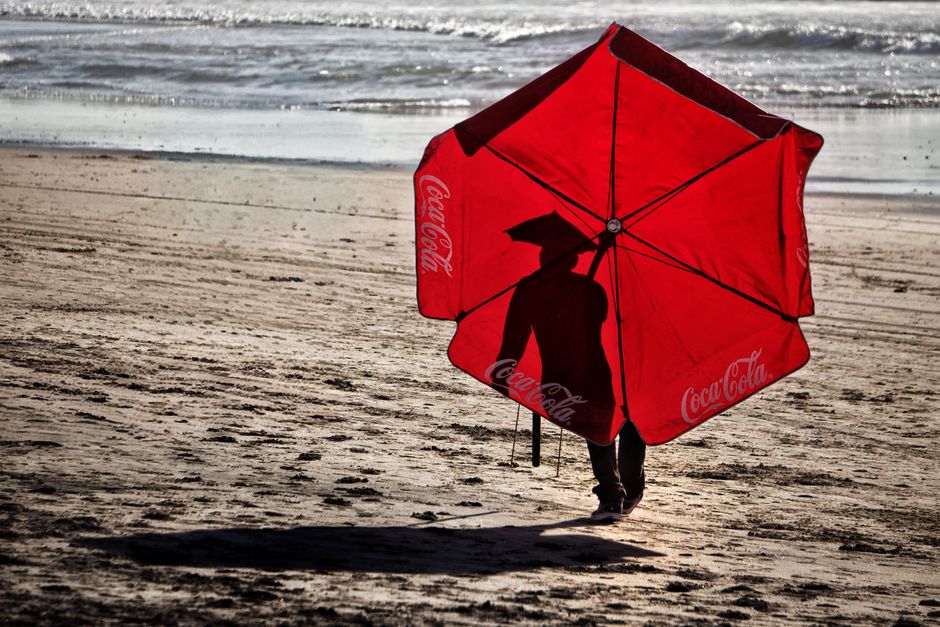
التوصية التالية عملية: سجل علامة تجارية لعلامتك التجارية أو منتجك في أسواقك الرئيسية خلال 90 يومًا وبدء بحث متوازٍ لبراءة الاختراع لتحديد الفجوات الواضحة في الحماية لعروضك الرئيسية.
استخدم إطارًا بسيطًا للإشارة إلى العناصر القابلة للحماية: قم بتعيين كل ميزة إلى مسار ملكية فكرية محتمل، ثم صيغ لغة موجزة تغطي الوظيفة الأساسية في الكلمة التي تشير إلى القيمة. فكر من حيث عدد الادعاءات، والنطاق القضائي، وتواريخ التجديد لدعم دورة حياة الحماية، وتأكد من أن كل تقديم يلبي الرسوميات المطلوبة.
اطلب من محامي ملكية فكرية ذو خبرة رسم دورة حياة الحماية وتحديد أولويات التقديمات. هذه القرارات تعتمد على نطاق السوق، واستراتيجية المنتج، والميزانية؛ وجد تقييم سريع أن القيمة الأعلى غالبًا ما تركز على العلامة التجارية أو المنتج الأساسي في أسواقك الرئيسية. لهذا السبب، سعِ إلى أصول القيمة الأعلى أولاً. سيقومون بشرح سبب صعوبة بعض التسجيلات في بعض الاختصاصات وكيفية تعديل الخطط وفقًا لذلك لحمايتها، لأن التناقضات يمكن أن تترك علامتك التجارية عرضة للخطر.
قم بإعداد مراقبة مستمرة للتقديمات الجديدة التي تستهدف قطاع سوقك، وأنشئ تقويم تجديد تراجعه كل ربع سنة حتى لا تفوت موعدًا نهائيًا. استخدم الآلية لتتبع المواعيد النهائية، مع محاذاتها مع دورات ميزانيتك ودورة حياة الحماية. لكل خط منتج علامة تجارية، احتفظ بملاحظة شديدة الإحكام حول ما هو محمي والسبب.
هذا النهج ليس معقدًا بشكل مفرط، لكنه يتطلب الانضباط. تساعد المراقبة المستمرة في البقاء في المقدمة: بنِ إيقاعًا للإشارة إلى التغييرات في قانون الملكية الفكرية وتعديل التقديمات لأن احتياجات السوق تتغير. اختبر دائمًا الأدلة مع بائع تجزئة أو مسترخص موثوق يمكنه إخبارك متى حان الوقت لتوسيع الحماية خارج العلامة التجارية أو المنتج الأولي، واستخدم النتائج لتحسين استراتيجيتك.
ما هي العلامة التجارية
سجل العلامة مبكرًا لحماية علامتك التجارية عبر المنتجات والخدمات. العلامة التجارية هي علامة تحدد مصدر المنتج أو الخدمة وتساعد المستهلكين على تمييزها عن المنافسين.
يمكن أن تأخذ العلامات التجارية العديد من الأشكال، بما في ذلك الكلمات، والشعارات، والشعارات، والأصوات، والألوان، أو التغليف. الفكرة الأساسية هي أن علامة واحدة تربط أعمالك بما تقدمه.
تتعزز الحقوق عندما يتم استخدام العلامة في التجارة وعند تسجيلها في السجلات الرسمية. تساعد هذه السجل في فرض حقوقك وتمنع الآخرين من استخدام علامة مشابهة على سلع ذات صلة.
قبل التقديم، قم بإجراء بحث عملي للكشف عن أي علامات مشابهة في فئتك. أعد أمثلة واضحة تظهر كيفية ظهور العلامة في الاستخدام الواقعي، مثل على التغليف، والمواقع الإلكترونية، والإعلانات، والإيصالات.
بمجرد الحصول على الحماية، حافظ عليها من خلال الاستخدام السليم والمراجعات الدورية. راقب السوق وتعامل مع الانتهاكات المحتملة بسرعة لحفظ قيمة علامتك.
التعريف، والنطاق، وأمثلة عملية
اتخذ إجراءً في البداية: سجل علامتك لحماية اسمك وسلعك. العلامة التجارية، أو العلامات التجارية، هي رمز، أو كلمة، أو عبارة تحدد مصدر المنتجات أو الخدمات وتساعد المستهلكين على تمييز عروضك عن الآخرين. إنها تغطي العلامات المستخدمة على السلع، والتغليف، والإعلان، ونقاط الاتصال عبر الإنترنت؛ ولا تمنح ملكية الأفكار أو الكلمات نفسها، لكنها تمنع الآخرين من استخدام علامات مشابهة في مجالات ذات صلة.
يمتد النطاق إلى الحماية الوطنية والإقليمية من خلال المكاتب الحكومية، بالإضافة إلى تصنيف السلع والخدمات تحت شروط. تحصل على حقوق حصرية لاستخدام العلامة في المناطق المحددة للفئات اللازمة؛ يمكنك فرضها ضد العلامات المشابهة المربكة وطلب العلاجات إذا أساء المنافسون استخدام عروضك. إذا أصبحت علامة مربكة مع علامة مشابهة، تضعف الحماية. تعتمد الحقوق على الاستخدام الفعلي والتجديدات في الوقت المناسب؛ لا يمكنك الاعتماد على تسجيل مجرد وترك العلامة غير مستخدمة. إذا كنت تريد تحسين ترتيب علامتك التجارية ونتائجها، احتفظ بالعلامة نشطة في الأسواق التي تهتم بها، وعلامة قوية تعيد الاستثمار من خلال الولاء، بينما الإهمال يمكن أن يؤدي إلى تآكل حقوقك على مر السنين. تختلف حدود المدة حسب البلد؛ تقدم العديد من الاختصاصات مددًا أولية حول عشر سنوات مع التجديدات.
تغطي الأمثلة العملية بداية دورة المنتج، وتحديث العلامة التجارية، وحماية عبر الحدود. لشركة سلع استهلاكية، سجل الشعار واسم العلامة التجارية بمجرد الحصول على بداية واضحة لخط المنتج. لمزود خدمة أو برمجيات، احمِ الاسم والشعار عبر الفئات ذات الصلة. لعلامة أزياء، ضمن علامات للملابس، والإكسسوارات، والتغليف في المناطق الرئيسية قبل الإطلاق. لبائعين عبر الإنترنت، قم بإعداد عمليات مراقبة للكشف عن الاستخدامات المقلدة وحماية قوائمك. للتوسع، قدم علامات في الدول المستهدفة لدعم استراتيجيتك العالمية وتحسين ترتيبك في الأسواق المحلية. إذا كنت تريد حماية الملكية الفكرية، اعمل مع محامي ذو خبرة يمكنه تقييم المخاطر وتخطيط التقديمات من حيث التكلفة والجداول الزمنية.
| الجانب | التعريف | مثال عملي | الإجراء |
|---|---|---|---|
| العلامة التجارية | رمز، أو كلمة، أو عبارة تحدد المصدر | شعار على التغليف؛ اسم العلامة التجارية على الملصقات | تقديم إلى المكتب الحكومي؛ الحفاظ على الاستخدام |
| النطاق | الإقليم، والفئات، والمدة | حماية في فئة 25 الملابس؛ حقوق وطنية | تحديد المناطق وتقديم في الفئات اللازمة |
| الاستخدام والعمر الافتراضي | الاستخدام ضروري؛ المدد عادة 10 سنوات لكل تجديد | عرض نشط في الإعلانات؛ التغليف يظهر العلامة | المراقبة، التجديد في الوقت المناسب؛ الحفاظ على العلامات حية |
يمكن لمحامي ملكية فكرية ذو خبرة تخصيص التقديمات لاحتياجاتك وميزانيتك. ابدأ بفحص تصفية لتحديد النزاعات في البداية حتى تتجنب النزاعات لاحقًا. أنت والمحامي تضعان استراتيجية تحمي اسمك، وشعارك، وشعارك عبر المناطق التي تهم لسلعك أو خدماتك. تنشر المكاتب الحكومية شروط التسجيل والتجديد الرسمية، واتباعها يحافظ على حقوقك نشطة. الاستخدام السليم، والمراقبة، والتجديدات في الوقت المناسب تعيد لك طبقة حماية صلبة ودائمة، مع نتائج محسنة وثقة أقوى في العلامة التجارية على مر السنين. يجب عليك بنفسك تتبع المواعيد النهائية واحتفظ بتواريخ التجديد في تقويم حتى تبقى في المقدمة من الحدود.
الأنواع: علامات كلمية، وشعارات، وعلامات خدمة
سجل الثلاث أشكال الآن: علامة كلمية، وشعار، وعلامة خدمة، لتغطية نص اسم العلامة التجارية، والجهاز البصري، والخدمات التي تقدمها. تحمي العلامة الكلمية الطباعة الدقيقة لاسم علامتك التجارية؛ يحمي الشعار الجمع الرسومي للنص والرمز؛ تحمي علامة الخدمة عروض خدماتك. أثبت هذا النهج تقليل النزاعات. لعلامة تجارية قهوة مع موقع إلكتروني مزدحم، اقرن علامة كلمية نظيفة برمز مميز – ربما نمط أنبوب بسيط أو صورة كوب – لإنشاء علامة لا تُنسى وقابلة للتوسع. تستخدم بعض العلامات التجارية علامة مشتركة تجمع النص والرمز؛ يحافظ الآخرون عليها منفصلة للمرونة في الطباعة والصيغ الرقمية.
عند البدء، فكر في النية خلف كل عنصر: النص للتحديد، والرمز للتعرف. لا تفترض أن شكلًا واحدًا يغطي كل شيء؛ يجب أن يعكس الصيغة كيفية لقاء العملاء لك عبر الإنترنت وخارجها. على سبيل المثال، يجب أن تكون علامة كلمية مثل "Bean & Brew" قابلة للتسجيل كنص، بينما يمكن لشعار منفصل استخدام لوحة ألوان ورمز صديق للبكسل للموقع الإلكتروني. يمكن أن يثير النزاعات المكتشفة خطر مطالبة، لذا قم بإجراء بحث تصفية مبكرًا وعدل قبل التقديم. في الولايات المتحدة، يتقدم التسجيل في الفئات ذات الصلة للسلع و/أو الخدمات؛ أعد ملف مصدر فيكتور (AI أو EPS) وصيغ جاهزة للويب (SVG، PNG) لدعم كل من التسجيل والرؤية عبر الإنترنت. يهم عدد الفئات: تقدم بعض العلامات التجارية في فئات متعددة لتعزيز الحماية عبر خطوط المنتجات.
خطوات عملية للتحرير والتنفيذ: احتفظ بالنص سليمًا في العلامة الكلمية، تجنب تغيير الإملاء أثناء التقديمات، وسجل نيتك بوضوح في الطلب. أنشئ مظهرًا متسقًا عبر المنصات من خلال محاذاة الطباعة، واللون، والأيقونات؛ هذا يساعد في العرض الدقيق للبكسل على الموقع الإلكتروني وفي الطباعة. بالإضافة إلى ذلك، اختبر علاماتك في مقاييس مختلفة (أيقونة الموقع إلى لوحة إعلانية) لضمان القراءة، واحتفظ بخط منفصل للنص القابل للتحرير بدون مطالبة. يمكن لشركات مثل Gerben إرشادك حول الشكل، والتسلسل، واختيار الفئة؛ يساعد التسجيل في الوقت المناسب في تحسين الترتيب في نتائج البحث عندما يبحث الناس عن علامتك التجارية للقهوة. أخيرًا، بنِ مستودع أصولك، بما في ذلك الشيء الذي تسميه علامتك، وعدل نسخ موقعك الإلكتروني حتى يتطابق النص مع الهوية البصرية. من خلال السيطرة على الصيغة وسير عمل التسجيل، تخلق أساسًا صلبًا لحماية علاماتك التجارية عبر القنوات والحفاظ على علامتك التجارية آمنة أثناء النمو، مع دعم مطالبك بالكامل من خلال مظهر موحد واستراتيجية نية للناس الذين يلتقون بعلامتك التجارية عبر الإنترنت وخارجها.
معايير القابلية للتسجيل: التميز وعدم الوصفية

اختر علامات خيالية، أو تعسفية، أو تشير بقوة؛ هذه الأنواع تسجل باحتكاك أقل وتبني حماية أقوى للنمو المستقبلي.
يعني التميز أن العلامة تشير إلى مصدر بدلاً من وصف السلع أو الخدمات. لتقديم في البداية، أعطِ الأولوية للأشكال التميزية المتأصلة: الخيالية (مصطلحات مُخترعة)، التعسفية (كلمات شائعة مستخدمة بطريقة غير وصفية)، أو التشيرية القوية (تعبر عن صفة دون الإفصاح عنها). إذا كانت العلامة تتناسب مع هذه الفئات، فإن المسار إلى التسجيل مباشر؛ إذا لم تكن كذلك، خطط لإثبات التميز المكتسب من خلال الاستخدام والأدلة التي تعني العلامة للناس. في البداية، اختبر ما إذا كانت العلامة تعني أكثر من وصف وتشير إلى مصدر.
عدم الوصفية هي الجانب المعاكس: مصطلح يصف السمات، أو الكمية، أو الخصائص فقط لا يمكنه العمل كمؤشر مصدر بدون أدلة على التعرف. تجنب الاعتماد على مصطلحات تخبر العملاء بما هو المنتج. عندما يمكن قراءة كلمة كوصف للسلع، تحتاج إلى إظهار أن الناس يدركونها كعلامة تجارية بدلاً من وصف.
إليك قائمة تحقق عملية لتطبيق هذه المفاهيم: صنف العلامة إلى تميزية متأصلة أو وصفية، قم بإجراء بحث حكومي لتجنب النزاعات، جمع كميات كبيرة من بيانات السوق، واختبر الإدراك مع الناس المستهدفين. جمع عينات نصية، ورسائل، وعلامات مستخدمة في الإعلانات لإظهار كيفية عمل المصطلح في الاستخدام الواقعي. إذا أظهرت البيانات تحديدًا قويًا كمصدر، يمكنك المتابعة؛ إذا لم يكن كذلك، لا تعتمد على إعلان واحد أو سوق واحد وبنِ التميز المكتسب من خلال الاستخدام الثابت والعلامة التجارية المميزة عبر الأسماء، والشعارات، والخدمات.
في الممارسة، يؤكد الخبراء مثل gerben على البدء من فرضية واضحة: هذه الفئات تؤدي الأفضل عندما يكون الاسم فريدًا حتى قبل أي تسويق. بما أن المعنى ليس حرفيًا، يمكنك الدفاع عن الاعتراضات بأدلة صلبة على التعرف في الأسواق المتحدة. استخدم كلمات مفتاحية ترتبط بانطباعات المستهلكين بدلاً من مصطلحات عامة تصف المنتج، وسجل الطرق التي يربط بها الناس النص، والعلامات، والشخصيات باسمك.
احتفظ بالسرد مركزًا على أهداف الحماية: الاسم، والنص، والعناصر التصميمية المصاحبة لنفس خط الخدمة. لا تبالغ في المطالبات؛ قدم مجموعة موجزة من الحقائق: الاسم، والشخصيات المعنية، وحجوم الاستخدام، وأفضل الأمثلة على التعرف الواقعي. من خلال وصف كيفية إدراك الناس للعلامة وكيفية تناسبها مع السلع والخدمات، تزيد من فرص أن تعترف الحكومة بعدم وصفيتها وتميزها المتأصل.
بحث العلامة التجارية: فحوصات سريعة باستخدام أدوات مجانية ومدفوعة
ابدأ ببحث سريع في TESS لـ USPTO للعلامات الكلمية الدقيقة للإشارة إلى التصفية الفورية في البداية. يعطي هذا الفحص السريع إجابة واضحة على الحقوق الأمريكية ويحدد اللهجة لباقي العملية.
ثم قم بإجراء بحث جوجل واسع للأسماء المشابهة، والإملاءات الخاطئة، والمتغيرات الشائعة، واستخدم بحث الصور للكشف عن التشابهات البصرية. هذا يوسع الشبكة ببساطة خارج النص ويساعدك في التقاط النزاعات التي قد يفوتها فحص نصي فقط. إذا لم تجد تطابقات مباشرة، فإنك لا تزال تحصل على سياق مفيد.
للتغطية الأعمق، توجه إلى قواعد بيانات مدفوعة مثل Corsearch، أو Markify، أو CompuMark لسحب التقارير عبر الفئات والاختصاصات المتعددة. عادةً ما تكلف الخدمات المدفوعة مئات الدولارات للبحث الأساسي، مع حزم عالمية غالبًا ما تصل إلى الآلاف. اعتمدت هذه الأدوات من قبل مالكي الحقوق لتقييم المخاطر عبر العالم.
بعد الفحوصات، قم بتعيين كل إصابة إلى فئتها الـ Nice، وتحقق من التداخل في السلع والخدمات (نفسها أو ذات صلة)، وتقييم قناة التجارة. راجع العلامات المشابهة صوتيًا وبصريًا وأشر إلى مستوى المخاطر في جسم تقريرك. إذا أردت، قم بتخصيص صيغة التقرير لاحتياجات فريقك وللجمهور الذي ستتحدث إليه.
وزن المخاطر حسب درجة التشابه، وتداخل السلع/الخدمات، ونطاق السوق. إذا كان الوزن عاليًا، توقف وناقش مع زميل أو محامي. إذا كانت المخاطر مقبولة ولا توجد نزاعات حقوق كبيرة في سوق العالم، يمكنك المتابعة للتقديم في الصيغة المختارة. فكر في الامتدادات المحتملة للعلامة التجارية واحتياجات المراقبة أثناء اتخاذ القرار.
احتفظ بالعملية نحيفة وقابلة للتنفيذ: ابدأ بفحوصات مجانية لنظرة جديدة، ثم أضف عمليات بحث مدفوعة إذا لزم الأمر. استخدم مراجعة يدوية للتحقق من الإصابات الآلية، واحتفظ بجسم من الملاحظات للرجوع إليها. يساعد هذا النهج أيضًا في حماية براءات الاختراع والعلامات التجارية عبر الأسواق والصيغ.
التحدث مع مالك علامة تجارية يمكن أن يساعد في تأكيد إدراك المستهلك والاستخدام الواقعي. أنشئ خدمة مراقبة خفيفة الوزن لمراقبة العلامات الناشئة وتعديل الاستراتيجية مع مرور الوقت. للسرعة، استخدم اختصارات لوحة المفاتيح (Ctrl/Cmd+F) لتصفح النتائج بسرعة واحتفظ بالمستخدم محدثًا بملاحظات موجزة.
خطوات التقديم، والجداول الزمنية، والتكاليف النموذجية
يجب أن تحدد نطاق تقديمك أولاً: قرر أي التقديمات تحتاجها (علامة تجارية، براءة اختراع، أو كليهما) وأي الولايات أو المناطق تريد الحقوق فيها، ثم رسم الخطوات لعلامتك التجارية أو منتجك. هذا يساعدك في حماية الاسم والعلامة التجارية عبر الأسواق الأكثر قيمة ويتجنب الاستخدام الزائد أو عدم التوافق في الحقوق.
- مسار العلامة التجارية
- التصفية والاختيار: قم بإجراء عمليات بحث تصفية في قاعدة بيانات USPTO (TESS) وفي السجلات الولائية الرئيسية للتحقق من أن اسمك وشعارك لا يتعارضان مع الحقوق الموجودة في مناطقك. ابحث عن شخصيات وتصاميم مشابهة يمكن أن تسد التسجيل. يمكن أن تكلف التصفية الأساسية مئات الدولارات؛ قد يكون بحث أعمق 500–1500 دولار. تساعد هذه الخطوة في اتخاذ قرار بشأن الفئات التي ستسعى إليها ويمكن أن تعني أنك تحدد بوضوح سلعك/خدماتك.
- نهج التقديم: اختر TEAS Plus (250 دولار لكل فئة) إذا كنت تستطيع تلبية المتطلبات، وإلا TEAS Standard (350 دولار لكل فئة). أعد اسم المالك، والعنوان، ووصفًا واضحًا للسلع/الخدمات حسب الفئة. إذا استخدمت شخصيات خاصة، تأكد من ظهورها في التجارة كما تنوي استخدام العلامة. يجب أن تختار الاسم والتركيب الفئي الصحيح، وإلا تخاطر بفقدان جزء من حقوقك. تقدم USPTO تقديمًا عبر الإنترنت وتتبع الحالة للراحة.
- الفحص والنشر: بعد التقديم، يراجع محامي فاحص الطلب. إذا حدثت مشكلات، يصدر إجراء مكتبي مع مواعيد للرد (غالبًا 6 أشهر). إذا تم حل المشكلات، يتم نشر العلامة للمعارضة في الغازيتا الرسمية. نافذة المعارضة عادة 30 يومًا؛ إذا تم تقديم معارضة، يمكن أن تمتد الجداول الزمنية لأشهر وفي حالات نادرة سنوات.
- التسجيل والصيانة: إذا لم تكن هناك معارضات، يصدر التسجيل وتحصل على شهادة تسجيل. للحفاظ على الحقوق حية، قدم إعلانات صيانة في العلامة 5-6 سنوات ثم كل 10 سنوات. تابع المواعيد النهائية داخل محفظتك التجارية؛ الفشل في التقديم يمكن أن ينهي الحماية لهذه الفئة.
- مسار براءة الاختراع
- خيار مؤقت: يوفر طلب براءة اختراع مؤقت تاريخ تقديم مع متطلبات رسمية أقل وتكاليف. لا يمنح حقوقًا بحد ذاته، لكنه يشتري وقتًا لتطوير الكشف. تتراوح تكاليف الصياغة والتقديم النموذجية حول 1000–2500 دولار؛ يجب تقديم غير مؤقت خلال حوالي 12 شهرًا للحفاظ على تاريخ الأولوية.
- تقديم غير مؤقت: لاختراع فائدة بسيط، تتراوح صياغة وتقديم بمساعدة محامي عادة من 5000–15000 دولار؛ الحالات الأكثر تعقيدًا أعلى. تضيف رسوم التقديم الحكومية والبحث إلى ذلك، وتختلف الأسعار حسب حالة الكيان (دقيقة، صغيرة، أو كبيرة). يجب أن تخصص ميزانية لتجسيدات متعددة إذا لزم الأمر لحماية المفهوم الأساسي.
- الفحص وإجراءات المكتب: تمتد فترة فحص USPTO عادة 2-5 سنوات قبل الإجراءات الجوهرية، اعتمادًا على التراكم ونطاق الادعاء. قد تضيف كل تعديل أو حجة مطلوبة 2000–7000 دولار في الرسوم المهنية. قد تتحمل تكاليف إضافية لإعادة بحث الادعاء أو الفحوصات الإضافية.
- الموافقة، والإصدار، والصيانة: بعد الموافقة، ادفع رسوم الإصدار وأكمل أي تقديمات ما بعد الموافقة. تستحق رسوم الصيانة لبراءات الفائدة في 3.5، 7.5، و11.5 سنوات، مع ارتفاع المبالغ مع الوقت؛ تعتمد التكاليف الإجمالية على اتساع الادعاءات وعدد الاستمراريات. يمكن أن تكون العملية عدة سنوات من التقديم إلى المنح.
- تذكيرات عابرة
- إدارة التكاليف: تركز معظم التقديمات على أكثر المناطق قيمة للعلامة التجارية والمنتج أولاً؛ لا تحتاج إلى تغطية كل بلد فورًا، ويمكنك التوسع لاحقًا بناءً على الإيرادات والاستراتيجية. هذا يساعد في الحفاظ على الميزانية معقولة.
- الأولوية والحقوق: لا يمكنك تأخير التقديم إذا كنت تريد الحفاظ على تاريخ أولوية، ويجب تتبع المواعيد النهائية داخل استراتيجيتك العالمية. إذا كنت بحاجة إلى وقت للقرار، يمكنك البدء بخيارات مؤقتة أو تقديمات أمريكية ثم البناء في الخارج.
- ملاحظة عامة: بينما تختلف الرسوم حسب الفئة وحالة الكيان، يقدم مسار الولايات المتحدة عبر USPTO عادة الطريق الأوضح للحماية الأولى في الولايات.
- نصيحة عملية: إذا كان التقديم يشمل العديد من عناصر العلامة التجارية أو متغيرات أسماء متعددة، قم بتجميعها في طلب واحد عندما يكون ممكنًا لتجنب التكاليف المكررة والحفاظ على جميع الحقوق محاذاة تحت محفظة واحدة.
Ready to leverage AI for your business?
Book a free strategy call — no strings attached.


