دليل الـ SEO بالخوذة البيضاء - الدليل الشامل لممارسات الـ SEO الأخلاقية

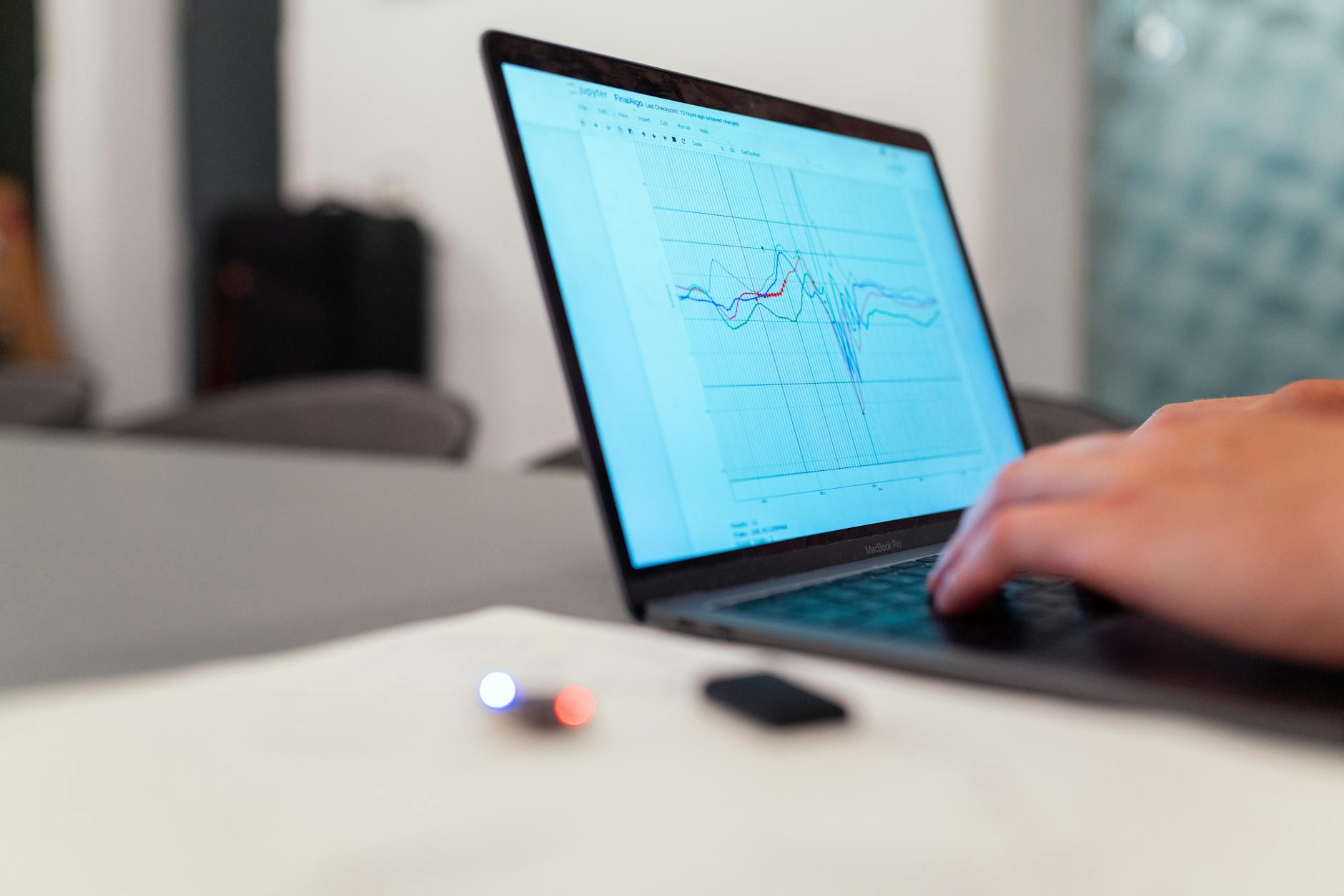
قم بإجراء زحف أساسي اليوم وإصلاح 5 مشكلات أولوية خلال 30 يومًا لاستقرار إشارات صفحة الترتيب وتحسين تجربة المستخدم في نتائج بحث جوجل.
بالنسبة لكل عمل تجاري، فإن فهم نية الجمهور ضروري. يجب على الفرق أن تعرف أي الأسئلة الأكثر أهمية وتخصيص المحتوى وفقًا لذلك. صيغ عناوين مكتوبة جيدًا تشير بوضوح إلى الأقسام وتساعد الزوار على التنقل، مع ضمان أن تكون الروابط الداخلية منطقية وذات صلة سياقية. تساعد الرؤى من التحليلات في قياس التأثير على الرؤية في نتائج جوجل.
يشمل هذه المهمة خطة محتوى منضبطة تساعد الفرق على التفكير في أسئلة المستخدمين، وبناء مفردات تتوافق مع الاستعلامات المستهدفة، وتقديم صفحات مكتوبة جيدًا. يعتمد الوصول إلى ترتيبات أعلى على حلول عملية بدلاً من الحيل، مع التركيز على الفائدة والدقة والوضوح التي يمكن لجوجل التعرف عليها، من البحث والتعليقات.
يجب السعي للحصول على روابط مكتسبة من مصادر موثوقة من خلال التواصل والشراكات والموارد القيمة. تجنب الاختصارات أو الخطط المدفوعة التي تعرض لعقوبات من جوجل. يعزز هذا النهج المبدئي الثقة، ويدعم النمو المستدام، ويتوافق مع أهداف العمل التجاري مثل حركة المرور الموثوقة والتحويلات.
يبدأ تحسين الصفحة بصفحات سريعة ويمكن الوصول إليها: ضغط الأصول، وتمكين التحميل الكسول حيث يناسب، وضمان تصميم صديق للهواتف المحمولة. يجب أن تعكس العناوين ووصفات الميتا المحتوى بدقة؛ يجب أن تنظم العناوين المعلومات بشكل منطقي. يساعد التدقيق الدوري لأخطاء الزحف، وخرائط الموقع XML، وrobots.txt جوجل على الوصول إلى الصفحات الأساسية، مما يساهم في نمو صفحة الترتيب الثابت من قيمة المستخدم.
تحسين الصور لترتيبات البحث الأخلاقية: قائمة عملية وقابلة للتنفيذ
ابدأ بوسم كل صورة بنص بديل وصفي يستخدم مفردات موجزة وعبارات أصلية؛ هذا يحسن الوصولية وكيفية ترتيب الصفحات للاستعلامات ذات الصلة.
أعد تسمية ملف كل صورة ليعكس محتواها باستخدام شكل موجز يتضمن الكلمة الرئيسية الرئيسية؛ هذا يساعد الزواحف على فهم سياق الصورة ويحافظ على المفردات متوافقة مع مواضيع الصفحة.
صيغ نصًا بديلًا بنحو دقيق ولغة وصفية؛ حدد إلى 125 حرفًا؛ أدرج مفهومًا رئيسيًا دون حشو؛ هذا يحسن الوصولية ويظهر في نتائج البحث.
ضغط الصور بصيغ حديثة (webp/AVIF) وتعديل الجودة لتوازن المساحة والدقة البصرية؛ هدف تحت 100 كيلوبايت لمعظم الصور المتوسطة الحجم؛ هذا يقلل وقت التحميل ويوفر تجربة مستخدم فعالة.
قدم الصور عبر تقنيات متجاوبة (srcset, sizes) لتتناسب مع عرض الجهاز؛ هذا يعزز الصداقة للهواتف المحمولة ويمنع التحميلات الكبيرة على الاتصالات البطيئة؛ تجنب الصور المقياسة بشكل سيء.
أضف تعليقات تكمل النص البديل؛ استخدم عبارات وصفية ومفردات متسقة؛ هذا يوفر سياقًا للزائر ويدعم إشارات الصلة.
استخدم تعليقات الصور لربط المحتوى المحيط؛ ضمن أن الفقرات المحيطة تشير إلى الصورة؛ هذا يساعد القراء ومحركات البحث على حد سواء، مما يساهم في مقالة واسعة ترتب أعلى.
أنشئ خريطة موقع صور بسيطة أو أدرج الصور في خريطة موقع موجودة؛ هذا يضمن رؤية التحديثات من قبل الزواحف ويقلل من فرص إهمال الصور.
احترم التراخيص؛ سرقة الصور تؤدي إلى عقوبات وإشارات ثقة ضعيفة؛ استخدم دائمًا أصولًا أصلية أو مرخصة بشكل صحيح؛ هذا يحافظ على المحفظة جديرة بالثقة والامتثال.
قم بتدقيق الصور لكل مقالة على أساس ربع سنوي؛ تحقق من النص البديل، وأسماء الملفات، والصيغ؛ يجب أن تعكس التحديثات المفردات الحالية واحتياجات المستخدمين؛ التحسين المثبت يقلل الارتداد ويحسن النتيجة.
تتبع الأداء بالتحليلات: أي الصور تساهم في النقرات والتحويلات؛ تظهر البيانات نتيجة وتوجه العمل المستقبلي.
النظر في التخطيط والمساحة يساعد في توازن البصريات مع النص؛ ضع أكثر الصور قيمة بالقرب من الأعلى لإرضاء الزائر وتحسين التفاعل.
سع دائمًا للبصريات الأصلية؛ إذا لزم الأمر الاستبدال، استخدم التحديثات للتبديل إلى بدائل أفضل؛ هذا يحافظ على العمل جديرًا بالترتيب، مما يفيد ثقة القارئ والأداء.
اختر أسماء ملفات صور وصفية ذات صلة بالكلمات المفتاحية

التوصية: سمِّ كل ملف صورة بمصطلحات وصفية غنية بالكلمات المفتاحية تعكس محتوى الصفحة ونية المستخدم. القيام بذلك يحسن الرؤية العضوية، يساعد فهم المستخدم قبل النقر، ويعزز هيكل الصفحة. استخدم الأحرف الصغيرة، والشرطات، تجنب المسافات، واحتفظ بالطول قابلاً للإدارة لمعظم الأنظمة.
- قاعدة تسمية الملف: تطابق الموضوع-الكلمة المفتاحية مع المحتوى والجمهور. أمثلة: on-page-optimizing-surfer-experts.jpg، freelance-businesses-targeting-insights.png.
- الأنماط المتبعة: اسم أساسي + نوع الأصل + الجمهور؛ أدرج دائمًا المصدر إذا كان معروفًا؛ تجنب حشو الكلمات المفتاحية؛ تجنب سرقة مصطلحات العلامة التجارية أو وضع ملصقات خاطئة للمحتوى.
- أنواع الأصول الشائعة: صور، رسوم بيانية، إنفوجرافيكس، فيديوهات؛ اختر أسماء تصف كلًا من الموضوع والصيغة، مثل organic-meaning-visual-content.jpg، video-sources-insights.png.
- توافق النص البديل: ضمن أن النص البديل يتوافق مع اسم الملف ويغطي المعنى الرئيسي؛ هذا يحسن الوصولية والنتائج بينما يساعد في استهداف المستخدم.
- الصيانة: طبق تسمية متسقة عبر الأصول المشابهة؛ لصفحات متعددة، أعد استخدام أنماط التسمية بدلاً من إدخال مصطلحات غير ذات صلة. إذا جاء المحتوى من مصادر أخرى، أعد تسميته ليعكس المعنى.
- فحوصات الجودة: إذا لم يعكس اسم الملف المحتوى، يأتي المستخدمون ويغادرون؛ التسمية الواضحة تحسن التفاعل والنتائج؛ تجنب الإفراط في الإعلان أو حشو الكلمات المفتاحية فقط للعب بالأنظمة.
لتعزيز النتائج، قم بتدقيق الأصول الحالية بانتظام؛ يرى المستقلون والمديرون معنى في التسمية، مما يؤثر على الوصول العضوي والتفاعل. تقنية مدروسة مثل هذه توفر نتائج فعالة للأعمال وتؤثر مباشرة على النقر مع حلول بسيطة دون اللجوء إلى حيل رخيصة. بالنسبة للفيديوهات والصور، احتفظ بالتسمية متوافقة مع الاستهداف المقصود واستخدم دائمًا علامة مصدر عند التوفر. إذا كنت بحاجة إلى أمثلة، ابدأ بـ on-page-optimizing-surfer-experts.jpg وfreelance-businesses-targeting-insights.png كنوابض.
اكتب نصًا بديلًا موجزًا ووصفيًا للصور يعكس السياق
صيغ نص الصور البديل مع السياق في الاعتبار، تقنية توفر وضوحًا فوريًا لقراء الشاشة والقراء عبر الإنترنت.
احتفظ بالعبارات وصفية لما يظهر، ليست نسخ تسويقية عامة؛ هدف لنص بديل غني بالكلمات المفتاحية يجتمع مع المحتوى المحيط، مما يبني الصلة للاستعلامات ذات الذيل الطويل والمواضيع عالية الحجم، مما يوفر فوائد للقراء وخوارزميات البحث.
يقترح الخبراء نصًا بديلًا يجتمع مع عناصر الصفحة، بناءً على السياق، تجنب الكلمات السيئة والمزعجة؛ هذا يؤدي إلى وصولية أفضل وفهم الخوارزميات.
الطول: هدف 60–125 حرفًا؛ النص البديل الموجز يؤدي أفضل لقراء الشاشة والسطوح عبر الإنترنت، خاصة على المواقع المركزة على سرعة الصفحة، ويتجنب الحشو الذي يثير أنماطًا محظورة في المسح بواسطة الخوارزميات.
بالنسبة لمجموعات البيانات أو البصريات مع مصدر، مثال النص البديل: "رسم بياني يظهر نمو الحركة من بيانات مصدر." يستخدم المدونون هذا النهج لدعم المشاركة الاجتماعية وبناء المصداقية، بينما يتوافق مع توقعات الجمهور عبر الإنترنت ويتجنب التخمينات السيئة.
الجهد المستثمر الآن يؤتي فوائد محتملة مثل رؤية أعلى على المواضيع عالية الحجم والحركة المرتبطة؛ تجربة الاختلافات تصقل النسخ عبر العبارات ذات الذيل الطويل المستخدمة من قبل القراء، بينما تتوافق مع الإرشادات وتتجنب الأنماط المحظورة.
ضغط الصور لتقليل وقت التحميل دون فقدان ملحوظ في الجودة
التوصية: حول الصور الرئيسية والمميزة إلى WebP أو AVIF، غير حجمها إلى أقصى عرض عرض، وقدم بدائل JPEG/PNG للأجهزة القديمة. هذه الخطوة الوحيدة في المستقبل تحسن الأداء بينما تحافظ على مظهر حاد وتنافسي عبر الأجهزة.
- استراتيجية الصيغة: استخدم رموزًا حديثة (WebP أو AVIF) للأداء بحجم أصغر عند جودة مشابهة. للتوافق، احتفظ ببعض النسخ القديمة من JPEG/PNG مخزنة لكن مقدمة فقط حيث يلزم؛ هذا يحافظ على أحجام الملفات منخفضة ويحافظ على فرص الترتيب عبر صفحات أسرع على الهواتف المحمولة والسطحية.
- تحجيم العرض: حدد حجم الصور مسبقًا للحجم الفعلي للعرض في التخطيطات. قطعة عقارية على عرض 360 بكسل للهاتف المحمول لا يجب أن تحمل أصل 2000 بكسل؛ قلل حجم الأصول قبل الرفع لتتناسب مع عرض الهدف حسب فئة الجهاز (هاتف محمول، تابلت، سطحية). هذا التحسين الثابت يقلل من حظر العرض ويحسن سرعة التنقل.
- أهداف الجودة: لـ JPEG، هدف 70–80% جودة؛ لـ WebP/AVIF، هدف 40–60% في وضع الفقدان. تظهر الاختبارات المقاسة أن الفقدان الإدراكي غالبًا ما يكون ضئيلًا على صور الموقع النموذجية، خاصة بعد تعديلات الشحذ في ما بعد المعالجة. استخدم بضعة أصول اختبار لتأكيد أفضل توازن بين البصريات والحجم.
- البيانات الوصفية والتعليقات: أزل البيانات الوصفية غير الضرورية وأزل كتل التعليق داخل الملفات. يحتوي فقط على البيانات الضرورية للعرض؛ هذا يحافظ على الملفات مدمجة ويقلل من وقت التحليل عبر الأجهزة، دون المساس بالنحو في النص البديل أو التعليقات.
- التسليم المتجاوب: مكن نهجًا مدمجًا مثل منطق srcset بتقديم أحجام متعددة لكل أصل. هذا يحافظ على الأصول الثابتة نحيفة بينما يضمن تحميلًا سريعًا على التنقل عبر الهاتف المحمول والشبكات البطيئة، مما يحسن الرؤى في سلوك المستخدم للمنشورات والمقالات ذات الذيل الطويل.
- الأتمتة وسير العمل: أتمتة التحويل وتغيير الحجم أثناء استيعاب الأصول. بضع خطوات يمكن دمجها في خطوط CMS أو عمليات البناء؛ هذا الجهد يدفع بالعودة في أوقات تحميل سريعة، ومدة إقامة أعلى، وزيادة إشارات المكافأة من مقاييس التفاعل.
- الاختبار والقياسات: قم بتشغيل Lighthouse ومقاييس المستخدم الحقيقي لقياس التأثير على LCP، TBT، وCLS. غالبًا ما تترجم التحسينات المقاسة إلى أداء عبر الإنترنت أعلى، مما يجذب المزيد من الزوار ويحسن الترتيبات بسبب تجارب الصفحة الأسرع.
- تآزر استراتيجية المحتوى: طبق الصور المحسنة على الصور المميزة، والمقالات، والمنشورات مع كلمات مفتاحية ذات ذيل طويل. تدعم البصريات المحسنة أهداف التسويق من خلال تعزيز القراءة، وزيادة وقت الإقامة، ودعم المحتوى التنافسي في أقسام الوسائط الغنية.
- مراقبة الجودة والعمليات: حافظ على نحو متسق في التعليقات والنص البديل؛ وصف البصريات باختصار لدعم الوصولية دون انتفاخ الملفات. هذه الممارسة تبقى متوافقة مع أفضل الممارسات للمحتوى عبر الإنترنت بينما تحافظ على الأداء.
- اعتبارات الفريق والميزانية: إذا كانت الموارد الداخلية محدودة، قم بتوظيف متخصص أو مقاول لبضع ساعات لإعداد قواعد تحسين الصور الآلية. الجهد الأولي يقلل من الصيانة المستمرة ويضمن نتائج سريعة عبر مجموعة من الأجهزة والشبكات.
- الوعي بالمخاطر: تجنب الصيغ أو الممارسات المحظورة التي تقلل من الوصولية أو تنتهك سياسات المنصة. احتفظ بمجموعة قياسية من الأصول المحسنة مفتوحة لأفضل توازن بين السرعة والجودة البصرية.
تظهر الرؤى من الممارسين أن خطوط إنتاج الصور المحسنة توفر مكافآت مباشرة في تفاعل المستخدم وأوقات التحميل الثابتة، مما يساعد في جذب وتحويل الزوار. فهم التوازنات بين حجم الملف والجودة المدركة أمر أساسي للبقاء في المقدمة في الأسواق التنافسية والحفاظ على أداء قوي عبر الإنترنت عبر المقالات والمنشورات.
قدم الصور بشكل متجاوب باستخدام srcset وأبعاد مناسبة
التوصية: قدم الصور بشكل متجاوب باستخدام srcset مع وصف كثافة وسم sizes، وقدم عرضًا وارتفاعًا صريحًا لحجز مساحة التخطيط قبل التحميل.
قم بإجراء جرد سريع للأصول المدرجة واجمع الصور الكبيرة في متغيرات: 320w، 640w، 1200w (أو 1440w/2048w للعروض الأكبر). أنتج صيغًا حديثة مثل WebP أو AVIF وقدمها عبر CDN. هذا النهج يقلل من التنزيلات المستهلكة للوقت للاتصالات المنخفضة ويحسن الأوقات للزوار، مما يبني تجربة أسرع يدركها المستخدمون كسلسة. مع هذه التغييرات، تبني مفردات تساعد في تحديد التوازنات أثناء الاختبار وسيناريوهات الاختبار التي تظهر في المشاريع الطويلة الأجل.
تفاصيل التنفيذ: لكل صورة، قدم على الأقل ثلاث متغيرات وضمن أن أزواج الوصف واضحة، على سبيل المثال: "srcset: 'image-320w.webp 320w, image-640w.webp 640w, image-1200w.webp 1200w'; sizes: '(max-width: 600px) 100vw, 600px'. بالإضافة إلى ذلك، حدد العرض والارتفاع (أو حجز نسبة العرض بالـ CSS) لمنع تحولات التخطيط التي تؤذي تجربة المستخدم وإشارات صفحة الترتيب على مر الزمن. هذه التقنية تقلل من خطر الفشل على الشبكات البطيئة وتساعد كلًا من الزوار والزواحف على فهم هيكل الصفحة.
الأداء والوصولية: تجنب تحميل الصور من مضيفين محظورين، احتفظ بالنص البديل وصفيًا، وفضل التحميل الكسول للأصول خارج الشاشة. إذا كانت الصفحة تحتوي على العديد من الصور، اختبر صيغًا وبيتات مختلفة لتحديد توازن بين الجودة وحجم الملف؛ يساعد ذلك الاختبار في تحسين مقاييس CLS وLCP بشكل عام، ويدعم تجربة أفضل للمستخدمين الذين يبحثون عن محتوى سريع ومكتوب جيدًا. إذا تخطيت هذه الخطوات، قد تفوت المكاسب التي تأتي من التعامل المنضبط مع الصور وسير عمل صلب وقابل للتكرار.
خطة الاختبار: قم بتشغيل دورة اختبار مدرجة عبر السطحية والهاتف المحمول، قيس التأثير على وقت التحميل، والاستقرار البصري، ووقت التفاعل. إذا أظهرت النتائج عدم تحسن، أعد زيارة المتغيرات وأعد التحقق من ملاءمة الأحجام لكل نقطة توقف؛ لا تعتمد أبدًا على صيغة واحدة لجميع الصور. لبناء الثقة، وثق النتائج في مذكرة على طراز بودكاست يمكنك مشاركتها مع زملائك لتسريع التبني عبر الفرق وتجنب تحويل هذا إلى مهمة مستهلكة للوقت تثير إحباط المطورين والمحررين على حد سواء.
نظم الصور بخريطة موقع وصولية وإشارات فهرسة النص البديل
نشر خريطة موقع صور وصولية وإشارات فهرسة النص البديل لكل صورة. هذا النهج يعزز القابلية للاكتشاف ويضع أساسًا صلبًا للتحديثات المستقبلية عبر العديد من المنشورات. تذكر أن كل إدخال صورة يجب أن يكون قابلاً للتتبع إلى محتواها المحيط في الفقرات والمقالات.
بنِ ملف خريطة موقع ثابت (sitemap_images.xml) وسرد كل صورة مع image_url، وتعليق، وعنوان، وmime_type، وarticle_id. احتفظ بها متسقة مع النصوص والفقرات حتى يتمكن المحررون في مجموعات المستقلين من متابعة التفاصيل بسرعة.
إشارات فهرسة النص البديل: اكتب alt_text وصفيًا للبصريات غير الزخرفية التي تعكس المحتوى والوظيفة؛ للصور الزخرفية، قدم alt_text فارغًا لتقليل الضوضاء أثناء البحث ولمساعدة قراء الشاشة.
أدرج مقتطفات من بيانات منظمة (JSON-LD) التي تعلن ImageObject مع url، وعرض، وارتفاع، وتعليق، ورخصة. هذا يساعد بطاقات النتائج في محركات البحث ويجعل الأصول أكثر اكتشافًا دون الاعتماد على الزحف الفهرسي وحده.
إرشادات التنظيم: رسم أسماء الملفات إلى أقسام المقالة؛ اجمع الإدخالات حسب المنشورات واحتفظ بتصنيف واضح؛ هذا يقلل الجهد للآخرين ويساعدك في مراقبة الأداء مع فريقك، تجنب النتائج الأسوأ. يمكن للارتباطات الشاهقة تعزيز الرؤية بربط الأصول بمنشورات الركن.
سير العمل والتعاون: مع المحررين والمصممين ومساهمي المستقلين، أنشئ مهمة متكررة لتدقيق البصريات؛ استثمر في alt_text وتعليقات جاهزة للنسخ؛ هذه الممارسة الأفضل تحافظ على الأصول صلبة حتى يأتي المنافسون عبر الإنترنت بمنشورات جديدة.
فحوصات جاهزة للاستخدام: ضمن أن كل إدخال يقدم سياقًا كافيًا للباحثين؛ أدرج كلمات مفتاحية ذات صلة في التعليقات دون حشو؛ أي شيء يقلل الاحتكاك يساعد، ويتوافق مع الإرشادات.
| معرف الصورة | image_url | alt_text | تعليق | معرف المقالة |
|---|---|---|---|---|
| img-001 | https://example.com/images/hero-01.jpg | أفق المدينة عند الغسق | أفق المدينة عند الغروب | art-101 |
| img-002 | https://example.com/images/desk-post.jpg | مكتب مع لوحة مفاتيح ودفتر ملاحظات | إعداد مساحة عمل لمقالة حول الإنتاجية | post-220 |
| img-003 | https://example.com/images/chart.jpg | رسم بياني شريطي يظهر النمو | رسم بياني يوضح مقاييس الأداء | art-310 |
📚 المزيد حول SEO والتسويق الرقمي
Ready to leverage AI for your business?
Book a free strategy call — no strings attached.