Customer Stickiness - What It Is and How to Improve It
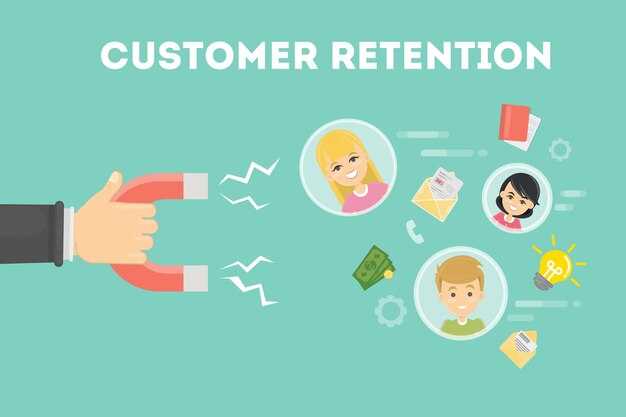
Start with a focused retention playbook driven by events. Each activation should empower users to win a small victory, then reward that progress, helping retain more of the audience, reducing churn. The result is a committed base that shows a higher rate of repeated engagement, with purchases increasing.
Definition: Retention dynamics capture how buyers return, how their emotional bond with the brand strengthens across touchpoints. Build that bond via interactive experiences, crisp messaging, plus reliable quality. This approach nurtures committed buyers, creating a sustainable growth arc that feels successful rather than random.
Operational moves: organize a rhythm of shows, micro-events, collect reviews, listen to what the market heard. Use the feedback to tailor offers, reduce friction at critical moments, a process that directly lowers churn, boosts quality.
Value cadence: deliver a dose of value in every interaction, pair a quick win with a meaningful reward, keep the experience interactive across channels. Even a small, consistent stream of value compounds into long-term loyalty, a higher lifetime value.
Team discipline: align product, marketing, support around a hustle mindset. When teams react quickly, scale that momentum, sustain it, the result is successful retention that outpaces rivals without resorting to gimmicks.
Understanding Customer Stickiness and CRR: Key metrics and practical steps
Calculate baseline CRR by market segment; set a target uplift for those buyers whose purchases show room for growth. CRR calculation involves tracking the share of buyers making a second purchase within a defined window; a higher CRR signals engaging product-market fit, a compelling offering. Start with a concrete baseline: track repeat purchases over a 90‑day window for each cohort, then compare those rates across segments; once data is available, align action with market realities.
Focus metrics to monitor when aiming to lift repeating buying: CRR baseline by cohort; churn rate; purchase frequency per buyer; share of wallet by market segment; preferences signals from engagement; time to second purchase; value of subsequent purchases; related insights from product interactions; engaging experiences as a factor in effective retention.
Actively segment buyers by market; target growing segments with tailored offers; align product messaging with preferences; deploy triggers that spark action, attract second purchases. Revisit onboarding to reduce friction in the initial experience; emphasize benefits that correlate with repeat buying. Find use points in product pages; use A/B tests to measure result; measure those interactions during a growing period while tracking action completion. Active outreach via targeted emails or push messages can boost return purchases; adjust offering based on preferences.
Calculate baseline uplift and compare with the target: uplift percentage = (CRR after tactics minus baseline CRR) divided by baseline CRR, multiplied by 100. Pricing is a factor in repeat buying; those insights help decision makers allocate budgets toward product improvements, related offering changes. Businesses seeking growing returns should refresh baseline quarterly; those changes support growth in market responsiveness.
How to measure CRR precisely: formula, inputs, and a ready-to-use template
Begin with CRR baseline: CRR = (E − N) / S0; define period boundaries; S0 equals the start count; N equals new customers added during days; E equals end count; compute once per period to show trend against future outcomes.
Inputs required: S0; E; N; churn; returns; margins; premium
Inputs required: S0; E; N; churn; returns; margins; premium users; those data points; grain of data; dates; back-data snapshots; video impressions; individual segments.
Formula details: CRR = (E − N) / S0; E is end count; N is new units; S0 is start base; use adjustments for churn.
Template layout: Period | S0 | N | E | CRR
Example: 2025-01; S0=1200; N=150; E=1100; CRR=(E−N)/S0=0.85
Real-world signals reveal behavior shifts: detractors reduce trust; those moves require personalized strategy; asking for feedback mid-cycle reduces exit risk; video guides lower returns; a dose of clean data fuels future planning; those moves against competitors widen margins; furniture sector often faces expensive returns; CRR supports pricing decisions; days after launch, the rate shifts; Next steps include tested strategy; explicit measurement; frequent review.
Higher CRR supports premium pricing; margins lift accordingly; CRR then informs pricing decisions.
Observation tells personalized experiences lift sticking across back cycles; next purchase rate rises.
Tools used: CRM exports; video briefs; feedback forms.
Which touchpoints drive repeat purchases: map your top channels
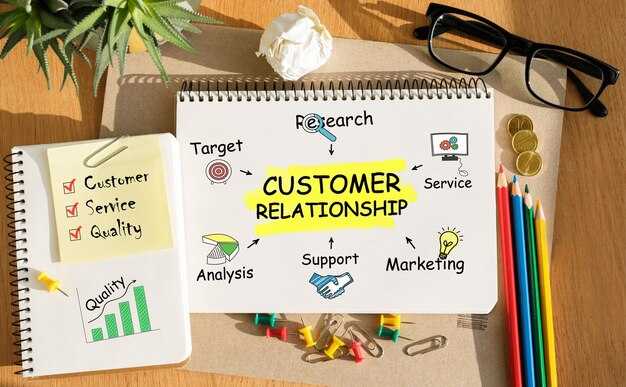
Determine the high-impact touchpoints and allocate resources to those channels that yield measurable engagement and value, through which customer action is most likely to convert into longer, recurring purchases. For commerce teams, focusing on those moments created by your offering and after-sales services yields the strongest success metrics without relying on certain single channels. For many businesses, benchmarking against competitor practices helps you identify where to invest, and to maximize savings without sacrificing experience.
Email and newsletters Through email communications, those
- Email and newsletters
Through email communications, those messages nurture repeat actions. Personalized sequences deliver 2x higher repeat rate within 60 days and 18-25% higher average order value. Loyalty signals and re-engagement flows increase customer value and drive more conversions than generic blasts. Action: build a 4-step cadence – welcome, post-purchase gratitude, targeted offer, loyalty invitation – and measure impact on repeat purchases across cohorts. Tie offers to core services and the current offering to maximize value.
2. Loyalty programs and member offers
Loyalty programs create longer retention by rewarding ongoing engagement. Member cohorts drive many repeat orders; data shows 3x higher retention at six months and a larger share of wallet vs non-members. Action: implement tiered rewards, early access, and member bundles; promote via in-app messages and email communications; measure success by revenue from members, average order value, and return frequency. Savings arise from higher lifetime value and lower CAC per repurchase.
3. SMS and push notifications
Time-sensitive communications on mobile yield faster action and repeat purchases. Tests show 15-30% uplift in conversions within 7-14 days after a trigger, with strong open rates. Keep the cadence to 3-5 messages per month to avoid saturation. Use to warn about restocks, exclusive offers, and recommended products that align with the core offering. This channel can create engagement without resorting to intrusive popups.
## On-site experiences and product recommendations Dynamic
4. On-site experiences and product recommendations
Dynamic recommendations, intuitive search, and personalized bundles increase engagement and the share of wallet. Sites with recommender widgets report 12-18% higher repeat purchases within 90 days; longer dwell improves probability of next action. Action: implement 3-4 quick-recommendation rails and contextual bundles that highlight top-selling services (the offering) and related products. Align content with coming trends to stay ahead of competitors.
5. Retargeting and social channels
Retargeting ads across social and display help bring those who showed interest back into the funnel. Across six-week observation windows, retargeting yielded 1.5-2x higher probability of repeat purchases; cost-per-repurchase decreased due to improved targeting. Action: segment by prior purchasing behavior, deliver tailored offers, and keep frequency in a safe range to preserve the customer experience. Benchmark with competitor campaigns to ensure you differentiate; allocate budget to high-engagement cohorts that show higher LTV, and use savings from efficient channels to fuel additional experiments.
6. Customer service and post-purchase support
Strong service experiences reduce friction and boost longer retention. Fast refunds, proactive care, and clear communications correlate with higher repeat probabilities; those who interacted with support within two weeks post-purchase show stronger success metrics. Action: implement proactive check-ins after delivery, guarantee easy returns, and empower support with scripts that reinforce value and offer relevant recommendations. Use experiences to create trust and protect revenue without compromising margins.
## Packaging and unboxing experiences First impressions drive
7. Packaging and unboxing experiences
First impressions drive engagement and future purchases. Include a personalized note, QR code for loyalty enrollment, and a small gift that links to your offering; packaging touches can generate additional engagement via communications channels. Expect 9-15% lift in repeat orders when unboxing experiences are consistently well-executed. Action: design packaging to reinforce the value and to create savings across future purchases; measure impact via social mentions and repeat rate across markets.
Onboarding tweaks that boost early stickiness
Begin with a personalized email that asks one quick preference; this lets tailoring onboarding happen for smoother early engagement. A dose of guided steps in the first session helps users reach a quick value moment, reducing drop-off. Aim for 60% completing the first setup within 24 hours.
Customize onboarding for different cohorts by source, interest, or expected value. A dynamic line of prompts adapts to responses, boosting willingness to proceed. This approach reveals understanding across everything needed to activate. This makes users more willing to act.
Target fast wins: present a 3-step setup with visible progress, a sample outcome, a shareable result. Emphasize understanding of user needs by asking about priorities; use this to tailor next moves, knowing priorities.
Let early journey include a short tutorial video, a checklist; a task with a defined outcome. Collect 2–3 short quotes per week for display as reviews. Much learning comes from quick feedback loops. This will help momentum. Retaining momentum remains the objective.
Measures include: number of completions, email open rate, time
Measures include: number of completions, email open rate, time to first value, returning frequency within 7 days; coming milestones appear on a progress line.
daumau benchmarks help calibrate against competition, quality signals, user sentiment; committed users show higher retention. Use these to decide which tweaks come next.
thats line messaging should be crisp, concise.
Retention tactics you can test today: nudges, rewards, and value cadence
Launch a 14-day nudges sequence to reactivate dormant users; measure lift on daily active sessions after each prompt; set a target 12% increase in usersmonthly completing a key action; allocate time to test over a sample of your population.
Offer tiered rewards based on activity milestones; examples: 7-day streak unlocks, 30-day usage credits, or personalized content templates; use software to automate reward delivery; keep cost per user under $1 for micro-rewards; run a quick A/B test on reward value to see which yields higher refer rates.
Craft a value cadence based on current usage signals; deliver signals of progress: weekly tips showing time-saving shortcuts, monthly impact reports, quarterly business outcomes notes; use current usage signals to tailor communications; customize content by segment; the cadence should feel helpful rather than promotional.
Track metrics such as cohort retention at 14; 30 days; these tactics influence growth; monitor refer rate, activation; churn among selected cohorts; still run 2–3 simultaneous tests on nudges; rewards; cadence; use results to inform next steps.
Align with growing leaders in a committed company; designate a
Align with growing leaders in a committed company; designate a single owner for this tactics group; publish weekly outcomes; share learnings via short podcasts; keep communications simple; involve someone from product marketing to ensure messaging quality.
Costs range from zero to expensive depending on channel; some nudges cheap to implement within existing software; run a between group test; start with a high-signal channel such as in-app messages; scale to broader user base after positive results; several iterations yield a clearer picture; if a segment doesnt respond, pivot to another channel.
Where to draw ideas: news, podcasts; real campaigns provide signals you have seen;heres a simple framework you can replicate across quarters; reference kats case studies to illustrate outcomes; surface learnings to the company so leaders stay aligned.
Cohort analysis and A/B test ideas to curb churn

Start with a four-week cohort for new purchasers. Run a targeted on-site message A/B test during the first purchase window. Capture retention; engagement; revenue metrics to generate actionable insights. This approach should reduce one-time churn by a measurable margin within the coming period.
Segment cohorts by acquisition channel, brand affinity, device, geography to reveal where engagement rates differ. Metrics to measure include purchase frequency, repeat purchase within 30 days, average order value. The closer look at onboarding experience reveals friction points.
Key tactics include one-time incentives at checkout;
Key tactics include one-time incentives at checkout; post-purchase push messages; personalized tips that highlight brand value. shaan, head of growth, tested three course-like sequences that managers can replicate for similar cohorts. Experiences across touchpoints determine ongoing engagement.
Without relying on expensive infrastructure, adopt lightweight experiments; keep period aligned with release cycles; track rates by cohort. Rates have been tracked weekly; insights gained might guide the next cycle.
| Concept | Period | Target metric | Expected lift | Sample size per variant | Risks |
|---|---|---|---|---|---|
| Welcome message timing | Day 0–3 | Retention within 14 days | 2–5 pp | ~5k | Fatigue; misalignment |
| Personalized home feed recommendations | Day 1–7 | Second-week purchase rate | 3–7 pp | ~8k | Irrelevance; mis-targeting |
| Post-purchase onboarding tips via email | Day 0–14 | Repeat purchase within 30 days | 4–6 pp | ~6k | Email fatigue |
| One-time incentive vs control | Day 0–7 | Repeat purchase rate within 30 days | 2–4 pp | ~6k | Incentive dependency |
Insights from these experiments should feed the next cycle; alignment between acquisition drivers; engaging experiences across commerce channels might boost retention.
Related Articles
subscribe
Stay in the loop
Get new articles on AI, growth, and B2B strategy — no noise.