Email Marketing Automation Services to Boost ROI

Start with a proven move: set up welcome and post-signup automations that nurture new subscribers in a full funnel from day 0. This makes the first touchpoints more meaningful, increases open rates, and builds knowledge about what works. Watch performance over the early days and then tune monthly to improve tracking and optimization.
Plan the essentials of your sequence: a welcome email within hours, a value-driven follow-up on day 2, and a nurture message that guides readers toward a concrete action in the funnel stage. Use personalized content with dynamic fields so each subscriber sees relevant offers. This building approach keeps messages meaningful and improves open and tracking across segments. Then map results to your monthly plan to keep improving.
Set up a simple monthly dashboard to track open, click, and conversion rates across automations. Run A/B tests for subject lines and CTAs, then apply the winners to the best-performing segments, making smarter decisions faster. Focus on optimization by testing a small set of variables each cycle rather than sweeping changes. Use the data to strengthen your knowledge and refine the funnel.
Invest in clean data and compliant lists; cleaning up reduces bounce and improves deliverability, boosting monthly results. Schedule quarterly reviews to adjust content mix, test new automations, and align with business goals. The outcome: a more meaningful customer experience that grows ROI without increasing ad spend.
Email Marketing Automation: Path to Up to 25x ROI
Implement three automated flows now: a welcome emails sequence, a value‑driven nurture, and a post‑purchase follow‑up. Each flow uses clear conditions and timely triggers, and you monitor opens and engagement from the first month.
In a nutshell, automation amplifies results by delivering relevant content at scale. Avoid cookie-cutter messages; tailor by conditions, audience segments, and behavior. The payoff is high: higher opens and engagement with less manual work because your system handles the heavy lifting. Having a solid framework helps you bring consistency to every touchpoint and grow revenue without added headcount.
Welcome series: Trigger on sign‑up
- Welcome series: Trigger on sign‑up. Email 1 fires instantly, Email 2 after 2 days, Email 3 after 4 days. Content shows a quick win, a relevant resource, and a clear CTA. Another email can be added if the subscriber doesn't open within 3 days. Build conditions to stop the flow if they opt out. Track opens and engagement; aim for an open rate higher than your average by 2–3x in the first week. You automate this flow so every new subscriber receives a consistent experience without manual effort. If theyll respond, you’ll see even better engagement on the follow‑ups.
- Abandoned cart and browse abandonment: Trigger when items are left in cart or pages are viewed. Email 1 within 1 hour, Email 2 within 24 hours, Email 3 within 3–5 days. Use product images, a concise benefit statement, and a single CTA. Define conditions to suppress repeats if already purchased or unsubscribed; set a cap to avoid overages in offers. This approach recovers 10–25% of lost sales and can bring back revenue two to four times higher than a non‑automated effort. If theyll engage, you’ll see stronger opens and clicks on the follow‑ups.
- Post‑purchase and cross‑sell: Trigger after order confirmation with a thank‑you note, care guidance, and a recommended next action. Deliver 2–3 emails that add value through little content–usage tips, tutorials, or FAQ sanity checks. Having this sequence in place increases repeat purchases and boosts average order value over time.
- Re‑engagement: Trigger when a subscriber hasn’t opened in 30–45 days. Send a re‑segmented message with fresh content and a new incentive. Use a couple of follow‑ups, then pause the flow if there’s no response. This reduces list drift and preserves engagement dollars each month.
- Segmentation and testing: Avoid cookie-cutter segments; build conditions based on purchase history, engagement, and product interests. Run A/B tests on subject lines, opens, and CTAs to identify what actually moves opens and clicks. Keep testing with a monthly cadence to avoid fatigue and to protect value over time.
In the long run, a disciplined, well‑tuned stack of automated emails brings measurable gains: higher opens, stronger engagement, and steady lift in revenue. With careful content, precise conditions, and ongoing iteration, you can reach the upper end of the goal–up to 25x ROI–without sacrificing your sanity or budget. One disciplined month at a time, you control the pace and the outcomes.
Clarify Revenue Goals and Alignment with Automation Rules
Begin with a concrete monthly revenue goal and tie each automation rule to a revenue milestone. This plan begins with a numbers-based target: $150,000 online revenue per month, based on AOV of $65 and about 3,000 visitors converting at 2.5%. Translate that into lift targets for each workflow to earn more revenue and use it to prioritize tests.
Baseline and targets: document current monthly revenue, AOV, and
- Baseline and targets: document current monthly revenue, AOV, and channel mix. Calculate the number of incremental orders needed and translate that into workflow outcomes.
- Event-driven flows: design the core sequences – welcome, cart abandonment, post-purchase, and re-engagement – to begin early in the journey and entice additional purchases. Set triggers such as 1 hour after signup, 24 hours after a cart is abandoned, and 7 days after a purchase to optimize interactions.
- Workflow lines and integration: build automation lines that connect your ESP, CRM, and e-commerce platform. Ensure data flows across online channels, with signals from instagram used to retarget and refresh content.
- Size, cadence, and content: plan a monthly cadence that balances bulk sends with targeted messages. Use a mix of educational content and promotions to maintain a steady rhythm without fatigue.
- Measurement and optimization: track KPI data points such as open rate, click-through rate, revenue per recipient, and overall ROI. If a flow underperforms, adjust trigger times, subject lines, or offers and re-test.
- Governance and timing: assign ownership, set a quarterly review date, and document all automation rules. A clear owner for each flow ensures changes align with the revenue goal and the broader marketing strategy.
Launch Welcome and Nurture Flows: Quick Start Guide
Set up an automated Welcome flow in Mailchimp today. Map it to four steps: a warm welcome, a value-packed resource, a proof of results, and a light check-in.
In nutshells, view it as a lifecycle: life begins for each contact with a welcome, followed by value, proof, and a gentle check-in. This sequence brings a clean path for engagement while reducing friction.
Essentials include segmenting by interests and behavior, keeping subject lines crisp, personalizing with names, and testing send times. This optimization helps different contacts respond to different offers and increases attention and open rates.
Time and effort pay off quickly: each email does one thing–welcome, deliver value, build trust with proof, and invite action. Keep the sequence lean to minimize effort, and let automated flows do the heavy lifting.
Analyze performance with reports: monitor open rate, click-through, unsubscribe rate, and revenue impact. Run A/B tests on subject lines and CTAs; iterate for a little while to avoid waste and to learn what resonates with your audience.
Keep the list healthy and fresh: prune unengaged contacts, refresh content every little while, and preserve original, meaningful pieces. The goal is to preserve essentials, sustain attention, and steadily grow revenue with automated flows.
Segments by Lifecycle Stage and Purchase Intent

Define three segments by lifecycle stage and buying intent, and pair each with a dedicated automation sequence. This ensures messages match where a contact sits in the journey. For new signups, deliver value quickly within a two-week window; for advancing buyers, provide trials, ROI proofs, and clear pricing; for existing customers, promote add-ons and renewal benefits. This approach lowers noise and increases conversion.
Assign a responsible owner for each segment, and map signals that indicate stage and intent. Use your marketing tech stack to build lists, triggers, and content paths. With proper design, the automation becomes a living flow that adapts as engagement evolves. Ensure every touchpoint is addressed, and coordinate with sales as a collaborator to ensure consistent messaging and faster handoffs.
| Segment | Lifecycle Stage | Buying Intent | Messaging Goal | Automation Cadence | Recommended Tactics |
|---|---|---|---|---|---|
| New Signups | Early | Low/Exploration | Introduce value, capture preferences | Two-week path | Welcome email, product tour, educational resources |
| Trial Users | Active Trial | Medium | Demonstrate ROI, share case studies | 1–2 weeks | Product tour, use-case emails, check-ins |
| Qualified Buyers | Consideration | High | Close with pricing, handle objections | 3–10 touches | Demos, ROI calculators, testimonials |
| Loyal Customers | Retention | High | Upsell, renew, loyalty programs | Biweekly | Upgrade offers, new-user setup refresh, support check-ins |
| Churn Risk | Retention | Low | Win-back, value reinforcement | Monthly | Personalized offers, win-back emails |
Measure success with indicators: open rates, click rates, conversions, and revenue impact per segment. Review quarterly, refine signals, and expand with new content variations for tested combinations. This cycle keeps the organization aligned and ready to scale.
Integrate Email with CRM and Analytics for Accurate Attribution
Sync your email platform with your CRM today and enable two-way data flow so every open, click, and reply becomes a trackable activity attached to a contact inside your system. No heavy code is required; use built-in connectors to surface valuable signals in your in-house dashboards, giving your team a clear view of what drives close.
Add trackable links and campaign tags to every email, so visitors arriving from a campaign map to the corresponding record in your CRM and analytics, making attribution specific and actionable. Use unique IDs in the URL and store them as custom fields, because this makes it much easier to convert visitors into opportunities and to convert more of them into deals, while comparing rates across segments.
Choose an attribution model that fits your businesses: last touch, multi-touch, or a weighted mix, and implement it inside your analytics and CRM reports. This takes careful implementation, but the payoff is precise conversion paths that show which emails actually moved the needle, not just clicks.
Template your in-house dashboards to show full funnel progression, from opening a message to nurture leads and close deals. Track open and click-through rates, but prioritize conversions and revenue markers to optimize campaigns. With this approach, businesses see clearer insights here.
Implementation steps you can apply today: map data fields from email to CRM, set up automation rules to nurture leads, run another test with a fresh segment, and monitor how attribution shifts cycle times and close rates. Track results weekly and adjust; this iterative optimization minimizes guesswork and maximizes value across your campaigns.
Track ROI with Practical Metrics and Report Formats Begin with a
Track ROI with Practical Metrics and Report Formats
Begin with a single, repeatable ROI formula: ROI = (attributed revenue from email campaigns - costs) / costs. Use bulk sends strategically and keep the model simple to identify the best drivers. Track costs across tools, creative, lists, and automation, and attribute revenue to emails with a reliable touchpoint model. Review this every month and refresh targets every few months to stay aligned with actual performance. If you want, this approach supports quick optimization decisions that might boost results.
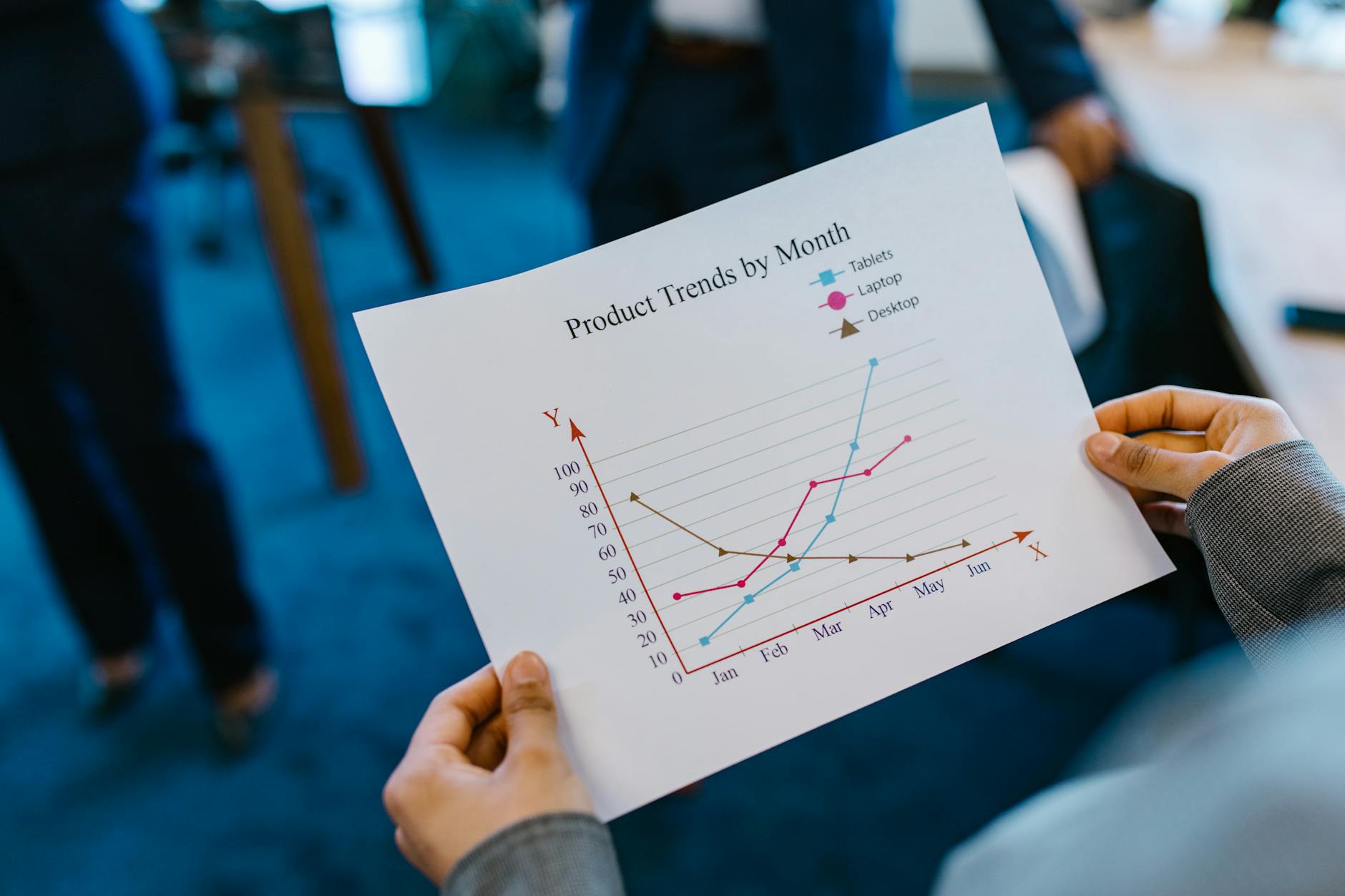
Track converting metrics such as open rate, click-through rate, and conversion rate; calculate revenue per recipient and average order value; monitor churn via unsubscribe rate; attribute revenue to campaigns across paid and free channels. Use automatically populated dashboards to surface trends and keep the team aligned. Include instagram as a channel to evaluate cross-channel impact and entice subscribers to convert. They can see how early signals translate into revenue.
Report formats: Provide a monthly dashboard that shows top performers, a campaign-by-campaign breakdown, and a channel comparison that includes paid and organic social like instagram. Add a one-page executive summary that highlights revenue, ROI, and the best-performing segments. Use a converting funnel graphic and a short narrative to explain why a metric moved up or down.
Practical steps: implement automatic data imports from your ESP and CRM, use a basic template, and keep naming consistent across months. Add a simple adding section that tracks new subscribers and their first-conversion timeline. Schedule a 30-minute monthly review with your partner team to keep alignment. Ensure you have a full view of costs, including creative, hosting, and paid media if used. Having a well-defined process helps you act on insights, not report them.
Common challenges: attribution gaps, cross-channel leakage, data latency, and bulk sends that overwhelm inboxes. Address them with a best-practice checklist: segment audiences, test subject lines that entice, automate data refresh, and keep a beautiful dashboard that stakeholders can read quickly. Present outcomes to sales and marketing partners, showing how improvements in onboarding sequences lift conversion and add to revenue. They benefit from clean, actionable insights and a smoother experience for customers.
📚 More on Email & Advertising
- 7 Most Valuable Principles of Email Marketing - Boost Your Campaign Performance
- 21 Email Marketing Best Practices for 2026 - Boost Open Rates and Conversions
- 20 Must-Know Email Marketing Statistics - Use Data to Boost Your Campaigns
- ConvertKit The Complete Guide - Master Email Marketing &
- 5 Steps to Successful Email Marketing Campaigns with Examples
Send a brief enquiry
Describe your website, goals, audience and budget so we can discuss a proposal.