Product Marketing Career Path - Steps to Becoming a PMM

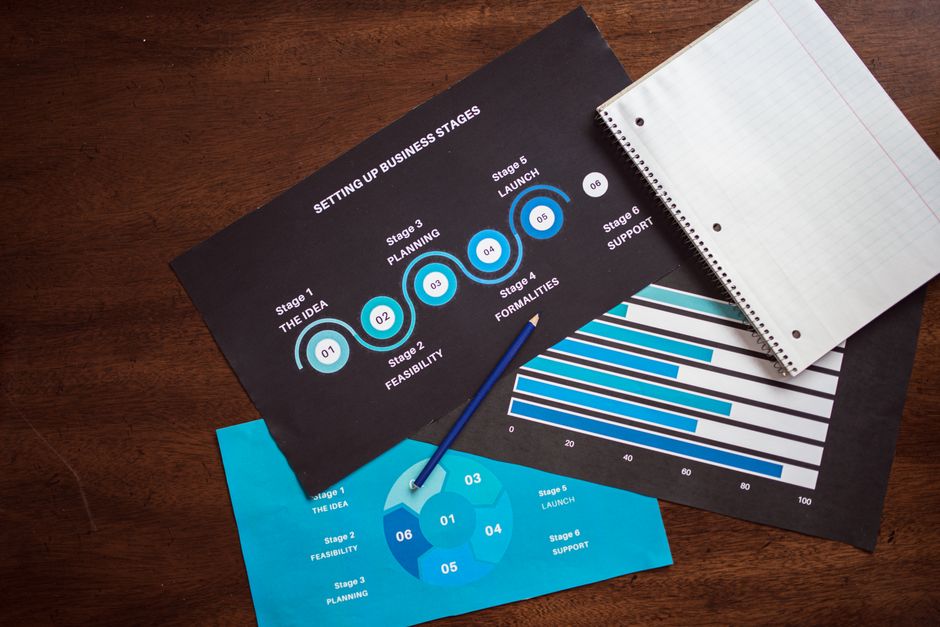
Recommendation: Begin with a 90-day plan: select 3 high‑impact projects, define 2 performance measure targets, and set up monthly reviews with senior colleagues. This tight scope yields early momentum and a repeatable cadence for future work.
Median time to advance from junior to mid‑level roles in GTM functions is typically 2–3 years, with 60–70% of successful candidates demonstrating 2–4 cross‑functional projects as evidence of capability. Build a sustainable practice by tracking variance in results across different audiences and channels, so you can calibrate messaging over time. Insights from both sides help refine your approach.
Maintain a curated content shelf: case studies, playbooks, templates, and checklists that accelerate learning and execution. Your output should be visible in internal reviews and external portfolios, with a thorough set of assets covering positioning, messaging, and measurement.
Engage with users and influencers to extract insight. Schedule a second quarterly feedback loop: 2 user cohorts and 1 influencer collaboration to validate messages and assess demands. Use these inputs to refine value propositions and reduce risk from misaligned assumptions.
For experienced operators and those in their second year, tailor growth with skill capsules: market understanding, cross‑functional collaboration, and performance measurement. A median of 6–8 focused projects per year helps demonstrate impact and broader scope, meeting demands of scaling teams. Enlist an expert mentor network to accelerate learning and provide direct feedback on key milestones.
Keep a disciplined routine: quarterly reviews, quarterly backlog of initiatives, and a number of experiments to run. youre expected to deliver measured results and communicate with clarity, using content outputs to influence decision makers.
Practical Roadmap for PMM Roles and Career Milestones
Recommendation: Start with a concrete, 12-month roadmap tied to measurable impact: adoption, cross-functional influence, and revenue signals. This approach is delivering clarity to teams and is helpful to stakeholders, ensuring access to the data needed to track progress.
Identify 4–6 quarterly milestones aligned with priorities and goals. Aligning these milestones with the broader objectives ensures consistency across teams. Break them into core domains: market intelligence, enablement, and program execution. Coordination with product, sales, and operations is essential to succeed across a larger program. Use a simple RACI to clarify who communicates, who approves, and who does the work.
Budget constraints drive scope. Start by identifying the minimum viable program elements, then expand as you validate results. When asked about trade-offs, adjust priorities and reallocate budget to high-impact activities.
Explore different channels and tactics to benchmark your motions. Access data from analytics, CRM, and feedback loops to measure impact across segments and industries. Move from theory to practice by creating repeatable processes that scale across teams. A wide set of experiments helps you learn what works in the technical domain and in different industry contexts, addresses diverse buyer needs with clarity, and helps deliver measurable results.
Identify the top 3–5 goals for the year and map each to a concrete program artifact: messaging frames, buyer personas, launch playbooks, and enablement kits. Aligning these artifacts with product roadmaps and field priorities ensures results that are tangible in revenue and retention. Address blockers early to prevent drift and maintain momentum.
Establish a cadence for coordination across stakeholders: weekly updates, monthly reviews, and quarterly business reviews. This wider rhythm keeps the team aligned with larger objectives while supporting rapid decision-making. Keep a shared dashboard that tracks progress against goals, budget, and milestones.
Creating an enablement loop with sales and customer success accelerates delivering value to customers and speeds time-to-impact. Use customer stories and quantifiable outcomes to illustrate progress.
For technical audiences, tailor the content to reflect ROI calculations, success signals, and governance steps. In regulated or enterprise environments, build formal business cases with budget impact and risk considerations, and outline a clear approval process.
As you move toward the next phase, explore opportunities to scale to a larger portfolio, extend access to analytics, and refine the roadmap based on feedback and asked questions from stakeholders. The practical outline below highlights milestones, owners, and success criteria to ensure consistent progress.
Tip: Use quarterly retrospectives to capture learnings and adjust the plan accordingly.
Clarify PMM Roles Across Level Progression (Junior to Senior)

Adopt a four-level ladder with explicit, observable responsibilities and milestones from Junior to Senior. Define a consistent set of outcomes for each level, anchored in basic tasks, learn to use essential tools, and tangible business impact. Tie progression to a documented journey with concrete actions and coaching support to ensure every move above the previous level is justified by demonstrable results. This framework shows which outputs matter at each level and keeps the path professional and measurable.
Profile the typical persona served and the preferred work style at each stage. At Junior, emphasis is on mastering basic tasks, learn to use essential tools, and build foundations through interactive, guided activity. At Associate, expand scope to planning, research synthesis, and cross-functional coordination. At Specialist, push for experimentation and optimization, with deeper analyses and structured playbooks. At Senior, lead strategy, governance, and mentoring, while managing high-impact programs. Each level requires a clear set of priorities and leadership involvement to guide growth.
The table below translates the framework into concrete ownership and success signals you can adopt now.
Level Primary Focus Key Tasks Metrics / Outputs Development
| Level | Primary Focus | Key Tasks | Metrics / Outputs | Development Actions |
|---|---|---|---|---|
| Junior | Foundations; basic market and user insight; persona-informed learning | Conduct baseline research; draft briefs; support campaigns; assemble learning notes | Traffic lift; engagement; completion of learning milestones | Shadow senior; coaching; hands-on practice with analytics, CMS, and collaboration tools |
| Associate | Planning and cross-functional coordination | Develop briefs; run small experiments; coordinate with design, sales, and compliance; tailor messaging for persona segments | Lead indicators; qualified traffic; engagement; influence on pipeline | Own projects; feedback loops; enroll in focused learning modules |
| Specialist | Tactical execution and optimization within a domain | Develop content calendars; execute experiments; analyze data; maintain stakeholder dashboards | Incremental traffic lift; engagement; lead quality; ROI of experiments | Lead cross-functional initiatives; build and share playbooks; expand coaching |
| Senior | Strategy, governance, mentorship; cross-functional leadership | Define quarterly themes; shape roadmaps; manage risk; mentor teammates; oversee major programs | Revenue impact; system-wide engagement; team performance | Coaching; leadership development; executive updates; empower others |
Senior responsibilities go beyond daily tasks, focusing on scalable impact and cross-organizational influence. This ladder suggests a dependable growth path, supports consistent development, and provides a clear signal for coaching and leadership opportunities.
Build a Core PMM Toolkit: Messaging, Positioning, GTM, and
Build a Core PMM Toolkit: Messaging, Positioning, GTM, and Analytics
Create a four-part toolkit you can reuse across initiatives: messaging briefs, positioning statements, GTM playbooks, and analytics dashboards. Each artifact should be customer-centered, with a target persona, a single value proposition, and a measurable outcome. Build on a simple set of principles and timelines (quarterly refresh every 3 months) so teams can act without ambiguity.
Messaging briefs anchor the narrative: state the problem, the core benefit, proof points, and the tone. Include an executive summary for leaders and a 1-page field-guide. Use repeatable templates to preserve consistency through ongoing updates, aiming for monthly content reviews and quarterly validation with customer-facing teams. Have clear guidelines to ensure every message remains on-brand and actionable.
Positioning statements define the target customer, the job-to-be-done, and differentiation against competitive options. Create 2–3 variants for different segments and document the evidence that supports the claim (customer quotes, 3–5 use cases, and outcomes). Ensure the language is concise and memorable to influence decisions at the executive level. The wording should be actionable and likely to influence executive decisions.
GTM playbooks map the plan from discovery to adoption: channels, messaging adaptations, enablement of selling and serving teams, launch timelines of 4–6 weeks, and success metrics. Include risk flags, contingency steps, and a clear owner who will oversee milestones, have the authority to adjust scope, and manage expectations on a quarterly cadence. The plan should also include considerations that are likely to impact cross-functional teams.
Analytics dashboards translate activity into outcomes: funnel metrics, engagement signals, churn predictors, and win-rate trends. Define 3–5 leading indicators for early signal, plus 2–3 lagging measures for final impact. Keep data sources stable and ensure the team can access the data throughout a single, secure software stack.
Governance and evolution: set living guides, assign owners, and schedule reviews on a quarterly timeline. Should reflect customer realities and competitive shifts; build a lightweight change process so guides stay current. Remember to document learnings to inform the next cycles and to maintain continuous impact across the journey.
Implementation rhythm: use biweekly working sessions to capture feedback, run pilots, and measure outcomes against goal. Create a feedback loop with engineering, sales, and customer success to ensure guides remain relevant. Likely outcomes improve as you iterate, making the toolkit more strategic, sustainable, and able to serve broader audiences.
Remember that this core set is not static. Treat it as an ongoing journey that evolves with customer needs, competitive moves, and corporate priorities. Keep guides aligned with principles, managed timelines, and executive expectations to maximize impact and deliver measurable, lasting value.
Gain Real-World PMM Experience: Launches, Campaigns, and Cross-Functional Work

Own a single cross-functional launch with a concrete target and short description; lock in resources, assign clear ownership, and establish a simple metric to gauge improvement. Break the effort into priorities, specify the level of involvement for each function, and set a realistic timeline to deliver tangible results, with the team involved fully.
Translating customer needs into actionable requirements for internal teams. Communicate progress across channels, treat stakeholders as partners, show empathy, and shape offers and messaging to fit competitive realities. Regular check-ins keep everyone aligned, helping deliver outcomes successfully and valuable to users.
Quantify impact with simple dashboards: track engagement, conversions, and onboarding, then refine priorities. Given feedback, adjust the description of the initiative and the target metrics to drive improvement. The average impact per iteration should rise along with learnings.
Be fully involved across internal teams: design, engineering, sales, and support. Define ownership for each area, establish regular cadence, and document decisions in a shared description. This fosters accountability and helps shaping the overall go-to-market approach.
Utilize resources to accelerate learning: templates for briefs, checklists, and playbooks. use mentors, internal insights, and external case studies to sharpen empathy and translate learnings into improvement. Titles and roles may evolve as you demonstrate impact, expanding opportunities to advance careers along a clear progression.
Maintain concise communication: craft a clear description of outcomes, communicate progress with stakeholders, and highlight valuable takeaways. By aligning priorities, you’ll gain ownership and be prepared for larger, cross-functional challenges along the way, still delivering strong results.
Deepen Buyer and Market Knowledge: Personas, Segments, and
Deepen Buyer and Market Knowledge: Personas, Segments, and Competitive Insights
That thinking translates into delivering concrete value by anchoring insights to each audience's tasks. Start with a 90-day sprint to build a living framework that links buyer mindset to messaging and program design. Build 3–5 core personas and land audiences across key segments; record the degree of confidence for each persona and use advisor-style interviews, usage data, and in-product signals from userpilot to validate assumptions. The goal is to measure progress with simple, repeatable steps that the team can access and act on, not just an internal article.
-
Personas and audiences – Built from interviews, analytics, and internal notes. Each persona should include role, responsibilities, pain points, decision criteria, and the tasks they perform. Capture the sense of success for their efforts and the degree to which needs are met. Use a form that lands in a single source of truth and is easy to share with management and the marketing advisory circle.
-
Segments and competitive landscape – Land segments by vertical, company size, and buying center. Create a living matrix that compares competitors on features, packaging, and price. Use measure-driven scoring to rank opportunities by value and ease of access to audiences, then align the roadmap accordingly.
-
Competitive insights program – Suggest a 12‑week cadence to collect signals, with a weekly brief for management. Use advisor-style syntheses to translate signals into concrete messaging and feature focus, and use userpilot for in‑product signals that reveal friction points. This approach helps deliver value faster and land learnings across teams.
-
Internal access and collaboration – Build an internally accessible library and form that bridges marketing, sales, and product. Between teams, ensure learning is shared to inform decisions and between cycles, keeping everyone aligned with the roadmap and quarterly objectives.
-
Output cadence and storytelling – Produce concise article briefs that summarize audiences, value propositions, and recommended messaging. Each piece should land with the management group and be easy to access on demand, enabling efficient learning and iteration.
Showcase Impact: Assemble a PMM Portfolio with Metrics and Case Studies
Start with 4–6 impact-driven projects aligned to company goals and customer needs. For entry-level applicants, pair a concise executive summary with 3–5 full cases; each piece documents the initial challenge, your actions, and quantified outcomes. Prioritize output and tangible gains: activation up to 22–35% higher, onboarding time shortened by 20–40%, and a notable drop in support volume.
Structure each case study around five elements: context and proposition, the thinking behind the approach, the technical steps applied, the metrics tracked, and the final output. Include a brief narrative of why the initiative mattered and how it ties to the business proposition. Attach sources and data in an online appendix to support results.
Key metrics to feature include revenue or margin lift (where available), user adoption and activation rates, time-to-value, churn reduction, trial-to-paid conversion, CAC or marketing-sourced costs, and trial-to-customer velocity. Show baselines and post-change figures, explain the calculation, and note data sources such as CRM, analytics platforms, and surveys. When revenue signals are scarce, highlight surrogate gains like faster time-to-value or lower support load. Keep outputs crisp and verifiable to avoid ambiguity.
York-based case example: a manufacturing supplier in York redesigned onboarding for new buyers. Proposition: simplify initial setup and reduce confusion. Actions: reworked welcome emails, added in-app guidance, and created an onboarding checklist. Output: updated landing pages, new checklists, and a one-page impact sheet. Impact: activation rose by 28%, trial-to-paid conversion improved by 11 percentage points, and support tickets decreased by 16% in a 6-week window. These figures illustrate how a compact case can demonstrate impact to teams that value practical results.
To make your portfolio reusable, map every piece to a working proposition and a clear before/after narrative. Maintain a living article that you update with the latest data; coordinate with cross-functional teams such as engineering, customer success, and sales to gather fresh input. This supports ongoing coaches and helps you apply analytical thinking, technical skills, and problem framing in contexts like manufacturing or online services. Episodes break down each project into digestible parts, and outputs serve as ready-made references for interviews.
Send a brief enquiry
Describe your website, goals, audience and budget so we can discuss a proposal.


