Правовой статус онлайн-платформ: вы посредник или поставщик услуг?
Spoiler alert: if you think you’re “just a platform,” the law might think otherwise.
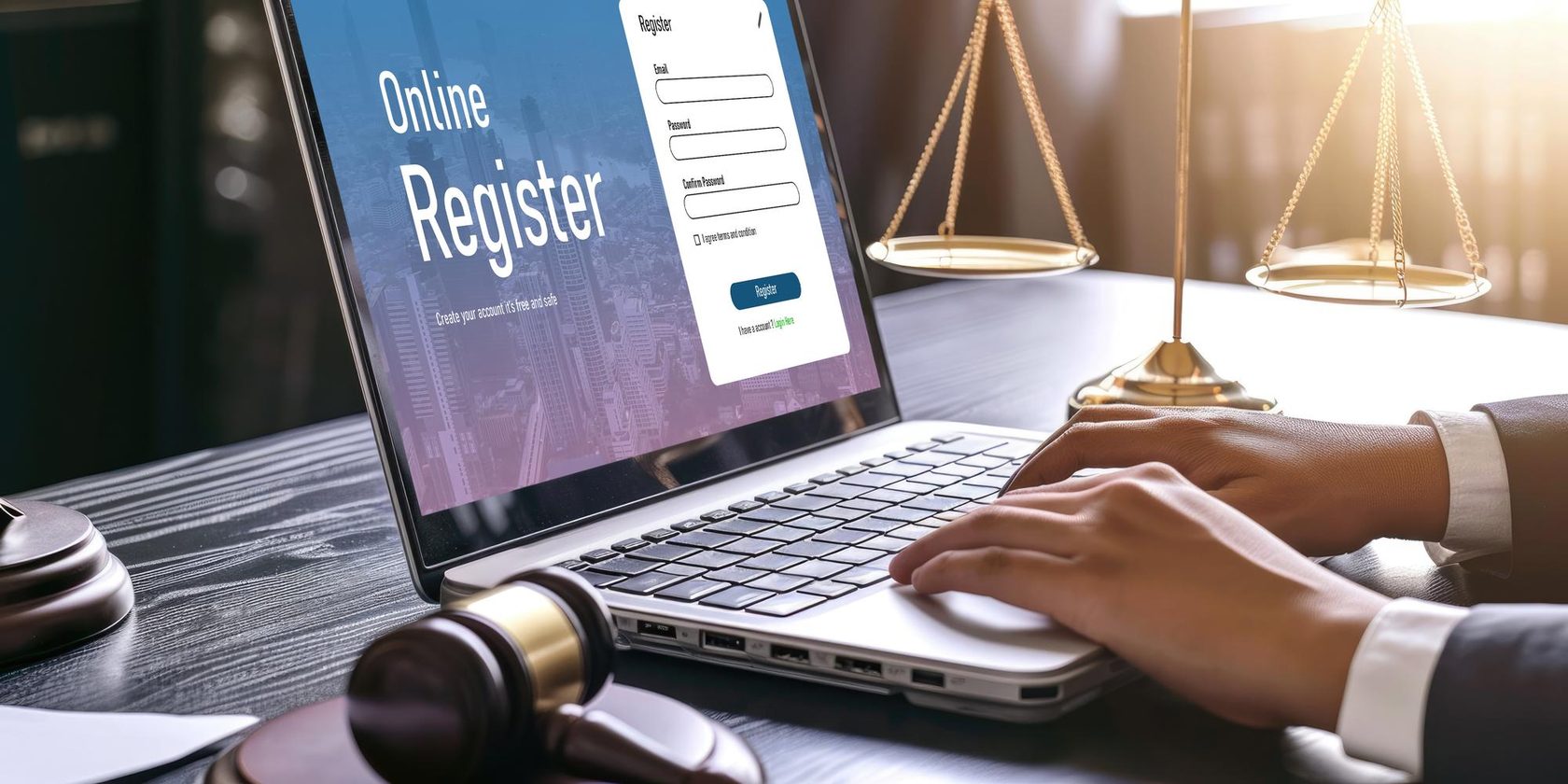
Spoiler alert: if you think you’re “just a platform,” the law might think otherwise.
Introduction: Platforms in the Legal Spotlight
In the not-so-distant past, if you ran a website that allowed users to post content or connect with sellers, you'd shrug and say, “I’m just the platform — not my circus, not my monkeys.” But regulators around the world — especially in the European Union and the United States — are increasingly challenging that logic.
Enter the ongoing legal debate: is your platform an intermediary, merely connecting users without interfering? Or are you a service provider, actively shaping, influencing, or controlling transactions and content?
What Is an Intermediary, Really?
Legally speaking, an intermediary is a digital actor that simply transmits or temporarily stores information on behalf of users. Think of it as the digital version of a postal service — you carry the message, but you don’t read or rewrite it.
Under Section 230 in the US and Article 14 of the EU’s e-Commerce Directive, intermediaries enjoy broad immunity from liability for user-generated content — provided they don’t meddle.
What About Service Providers?
A service provider, in legal terms, offers more than neutral hosting. These platforms often structure, influence, or participate in transactions. That includes:
-
Setting rules or fees for sellers
-
Recommending products via algorithms
-
Providing customer service on behalf of vendors
-
Processing payments directly
You're no longer a digital Switzerland. You’re a business participant — and with great control comes great responsibility.
Why the Distinction Matters (a Lot)
Depending on which category you fall into, the law may view you as:
| Legal Status | Liability for User Activity | Obligations Under Law | Examples |
|---|---|---|---|
| Intermediary | Limited or no liability | Minimal (reactive duties only) | Dropbox, Reddit (with caveats) |
| Service Provider | Full or partial liability | Proactive compliance required | Airbnb, Amazon Marketplace, Uber |
For example, under the EU’s Digital Services Act (DSA), online platforms that act more like service providers must verify sellers, remove illegal content quickly, be transparent about recommendation systems, and offer appeals for content moderation.
When Platforms Blur the Line
Example 1: The Online Marketplace
You run a platform for vintage record sales. You don’t sell, but:
-
You set a 10% commission
-
Promote listings via algorithm
-
Handle customer complaints
You’ve just crossed into service provider territory.
Example 2: The Review Aggregator
You aggregate hotel reviews but also:
-
Rank hotels as “editor’s picks”
-
Highlight sponsored content
-
Let users book directly
Congratulations — you influence the transaction. You're a service provider.
EU vs. US: Same Debate, Different Flavor
In the European Union:
- Focus on user protection
- DSA and DMA introduce strict obligations
In the United States:
- Section 230 offers broader immunity
- But legal reform is heating up
- Courts are reevaluating what qualifies as 'neutral platform behavior'
How to Know Where You Stand
-
Do you profit directly from content or sales?
-
Do you control content visibility?
-
Do you provide additional services?
-
Do you moderate or curate content?
If yes to most — you’re more than just a platform. Time to act accordingly.
Tips for Platform Owners: Navigating the Legal Minefield
-
Define your platform role clearly in your terms
-
Be transparent with algorithms and ads
-
Set up moderation tools and appeals
-
Adapt legal strategies as your platform grows
The Grey Areas: A Few Legal Curveballs
- Embedded widgets: who’s liable?
- Algorithmic amplification of harmful content
- AI-generated content ownership and liability
These are questions regulators are still figuring out — you might be the test case.
Conclusion: Know Thy Platform (Before the Law Does)
There’s no such thing as 'just a platform' in 2025.
- If you’re neutral: intermediary.
- If you participate: service provider.
- If you’re unsure: you're at risk.
Ask yourself: are we connecting people — or are we part of the deal?
subscribe
Будьте в курсе
Новые статьи про AI, рост и B2B-стратегию — без шума.