27 nápadů na příspěvky v sociálních sítích k inspiraci vaší značky – Příklady

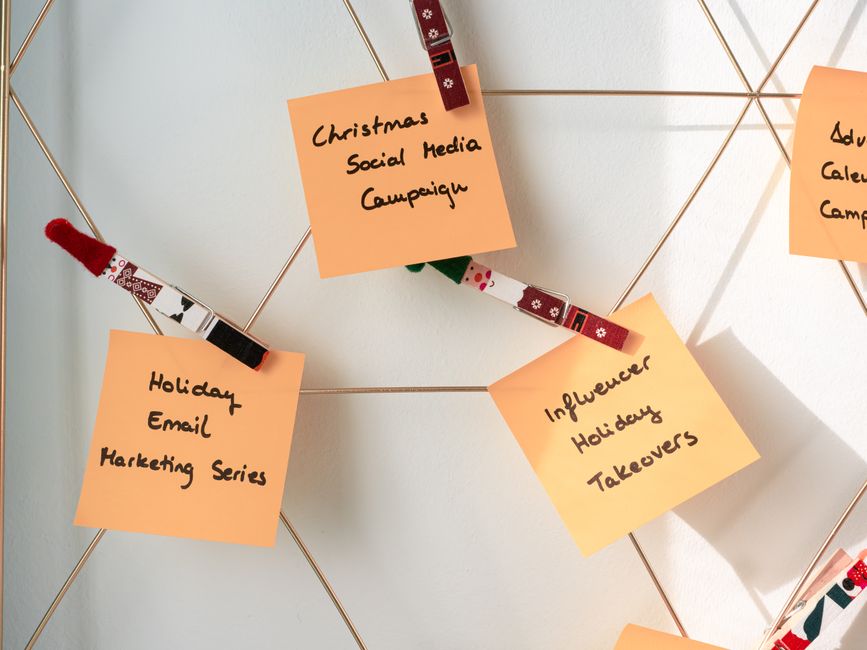
Publikujte jednu konkrétní myšlenku denně z 27 nápadů a sledujte dopad v jednoduché tabulce. To udržuje váš hlas konzistentní a pomáhá vám vybudovat silnější spojení s vaším publikem. Vytvořte malou sadu obsahových motorů spojením příspěvků s jasným cílem: povědomí, zapojení nebo konverze. Pokud chcete růst, neměli byste se spoléhat na jediný formát; místo toho rotujte formáty, abyste zůstali svěží a informovaní. Používejte jen dostatek metrik k vedení rozhodnutí.
Přemýšlejte o kategoriích: praktické tipy, záhledí, uznání zákazníků, rychlé kvízy a soutěže. Pro soutěže definujte pravidla, lhůtu a cenu, která odpovídá vaší licenci a tónu značky. Používejte směs formátů: krátké tipy ve stylu popisku, grafické tipy a video ukázky. Přepracovávejte evergreen obsah do čerstvých formátů, abyste udrželi stejný feed živý, aniž byste vymýšleli kolo znovu. Pro stejný účel můžete znovu použít nejlepší odpovědi v budoucích příspěvcích.
K posílení spojení pozývejte sledující, aby sdíleli výsledky a označili vaši značku. Zdůrazněte nejlepší odpovědi, abyste vytvořili sociální důkaz a naplnili budoucí příspěvky autentickými hlasy. Pokud chcete získat důvěryhodnost u blogerů, nabídněte výzkumný produkt několika tvůrcům a publikujte jejich zpětnou vazbu jako samostatný příspěvek. To také pomáhá stát se důvěryhodným partnerem a rozšířit dosah. Stať se známým hlasem přiláká více spoluprací.
Nastavte týdenní rytmus, který se shoduje s vaší zprávou: téma pro týden, příspěvek jak na to a rychlý úryvek případové studie. Publikujte na sociálních sítích v vrcholných časech, aby se maximalizoval dosah; tyto motory dodají dojmy, když je publikum nejvíce náchylné k zapojení. Nabídněte začátečníkům seznam kontrolních bodů nebo mini-průvodce – tento evergreen zdroj se dobře ukládá a sdílí.
Sledujte jednoduchý dashboard: dojmy, uložení, sdílení, komentáře a míru účasti v soutěžích. Používejte data k úpravě tónu, formátu a tempa. Pokud formát podvádí dva týdny, vyměňte ho za jiný přístup, přičemž zůstaňte věrní své značce. Udržujte jazyk lidský a vizuály přístupné, aby se vaše sociální sítě cítily inkluzivní a informativní. To vám dává jisté signály o tom, co rezonuje, pomáhá udržovat momentum a konzistentní tok nápadů.
Pamatujte, že vaším cílem je nabízet hodnotu a budovat důvěru, ne zaplavovat feedy. Poskytujte praktické návody, rychlé shrnutí a reálné příklady, které si vaše publikum může přizpůsobit. Pokud licencujete své vlastní šablony nebo seznamy kontrolních bodů, můžete tento přístup bezpečně a konzistentně škálovat. Tím se vaše značka stane spolehlivým zdrojem a rostoucím zdrojem zpětné vazby a nápadů, které pohánějí váš růst.
Plán obsahu
Nastavte 4týdenní plán s pevným tempem: publikujte 4krát týdně (po, st, pá, ne) a publikujte rekapitulaci v neděli. Používejte formáty: krátké textové příspěvky, citátové obrázky a stručné karusely jak na to, každý s silným háčkem. Přiřaďte vlastníky a lhůty, udržujte sdílený kalendář a držte buffer evergreen aktiv pro snadné a včasné publikování. Zahrňte nezbytný záznam změn, aby týmy mohly slyšet o aktualizacích a rychle se přizpůsobit.
K přizpůsobení obsahu mapujte témata na preference a poslouchejte zpětnou vazbu publika; identifikujte další příležitosti analýzou týdenního výkonu. Vytvořte 4týdenní kalendář s bloky pro příběhy hvězd a příspěvky organizací pro přidání autenticity. Používejte jednoduchou techniku: nastavte počet slov pro textové příspěvky (60–75 slov) a počet slajdů (4–6) pro karusely, držte klipy pod 30 sekundami. Testujte dva styly nadpisů a dva formáty obrázků, abyste viděli, co rezonuje. Sledujte uložení, sdílení, komentáře a míru prokliku, pak upravte plán pro příští týden. Dbajte na přístupnost: popisky, alt text a čitelné písma. Ukončete jasným textem sign-off, který pozývá k odpovědím a zpětné vazbě.
| Formát | Týdenní frekvence | Nejlepší pro | Příklad obsahu |
|---|---|---|---|
| Krátký textový příspěvek | 3 | Jasné tipy, rychlá hodnota | Tip: 3 akce k aplikaci tento týden |
| Obrázkový citát | 1–2 | Cítění značky, motivace | Grafická čára posilující váš sign/text |
| Karusel Jak na to | 1 | Krok za krokem vedení | Slajd 1: problém; Slajd 4: výsledek |
| Video Záhyby | 1 | Kultura, péče, týmy | 30s klip ukazující techniku v akci |
| Anketa / Otázka | 1 | Slyšení preferencí publika | Otázka: které formáty preferujete? |
Mapování 27 nápadů na příspěvky k cílům značky a fázím kupujících

- Představení vaší značky – Cíl: Povědomí; Fáze kupujícího: Povědomí. Použití 20–30s reel k představení jádra hodnot a vize; plus otázka v popisku k vyvolání komentářů; označte vaši unikátní pozici a pozvěte sledující k naučení se více.
- Snapshot autority – Cíl: Autorita; Fáze kupujícího: Povědomí. Prezentujte základní statistiku nebo znamení vedení z vašeho týmu; poskytněte důvěryhodný zdrojový odkaz a jednoriadkové shrnutí; měřte uloženími a sdíleními.
- Teaser případu klienta – Cíl: Zvažování; Fáze kupujícího: Zvažování. Představte rychlý klip z nedávného případu klienta (klienti), s 1–2 větami o výsledku; pozvěte čtenáře k žádosti o plnou recenzi; sledujte komentáře a návštěvy profilu.
- Typy řešení – Cíl: Vzdělávání; Fáze kupujícího: Zvažování. Karusel porovnávající 3 typy řešení; poznamenejte praktické pro/ proti; plus CTA k stažení hlubšího tvorby (průvodce) pro hlubší porovnání; sledujte uložení a přeposlaná sdílení.
- Návod Jak na to – Cíl: Vzdělávání; Fáze kupujícího: Zvažování. Krok za krokem playbook (poskytující) 4 akční kroky; zahrňte vizuály; skončete konkrétním dalším krokem a pozváním k komentáři.
- Příspěvek se seznamem kontrolních bodů – Cíl: Vzdělávání; Fáze kupujícího: Zvažování. 5bodový základní seznam kontrolních bodů k hodnocení dodavatelů; požádejte čtenáře o uložení pro později; vyzvěte k rychlému komentáři s jejich vlastním seznamem.
- Záhyby a Police – Cíl: Důvěra; Fáze kupujícího: Povědomí/Zvažování. Pohled za kulisy na váš proces a schopnosti; zdůrazněte polici služeb, které nabízíte, a jak přizpůsobujete péči klientům.
- Porovnávací příspěvek – Cíl: Vzdělávání; Fáze kupujícího: Zvažování. Pohled vedle sebe na 3 typy nebo přístupy; upozorněte, do které situace každý typ zapadá; ukážte příležitosti, kde jedna možnost převyšuje jinou.
- Výzva na uživatelsky generovaný obsah – Cíl: Zapojení/Zastánectví; Fáze kupujícího: Zastánectví. Vyzvěte klienty k sdílení výsledků pomocí značkového tagu; představte nejlepší příspěvky v následném příspěvku; povzbuzujte komentáře a spolupráci.
- Kampaň na svátky – Cíl: Zapojení; Fáze kupujícího: Povědomí. Sezónní příspěvek s pevným plánem a zprávou zaměřenou na péči; zahrňte sváteční nabídku nebo tip k využití vlny provozu.
- Shrnutí FAQ – Cíl: Péče; Fáze kupujícího: Zvažování. Sestavte nejčastější otázky od klientů a zájemců; poskytněte stručné, praktické odpovědi; pozvěte k novým otázkám v komentářích.
- Výzva komunity – Cíl: Zapojení; Fáze kupujícího: Zvažování. Vydajte 3denní výzvu relevantní pro vaši oblast; sdílejte denní podněty a představte výsledky účastníků k posílení příležitostí k účasti.
- Mini spotlight případu – Cíl: Zvažování; Fáze kupujícího: Zvažování. Kompaktní úryvek případové studie (případy) s jasnými metrikami; skončete CTA k prohlédnutí plného případu na vaší stránce.
- Sneak Peek tvorby zdroje – Cíl: Generování leadů; Fáze kupujícího: Zvažování. Napínavě představte novou tvorbu zdroje (průvodce/seznam); nabídněte časný přístup výměnou za registraci e-mailu; zdůrazněte hodnotu a použití.
- Rozhovor s expertem – Cíl: Autorita; Fáze kupujícího: Povědomí/Zvažování. Klip z rozhovoru s expertem; zdůrazněte 1–2 klíčové postřehy; pozvěte čtenáře k přečtení plného transkriptu nebo k shlédnutí delšího videa.
- Karusel rychlých tipů – Cíl: Vzdělávání; Fáze kupujícího: Zvažování. 5 slajdů s akčními tipy (typy akcí); každý tip odkazuje na relevantní zdroj nebo stránku na vaší stránce; sledujte uložení a sdílení.
- Příběh základu – Cíl: Základ; Fáze kupujícího: Povědomí. Krátký reel načrtávající vaše zakládací principy a disciplínu za vaší prací; posilte důvěryhodnost a pozvěte k komentářům.
- Spotlight recenze klienta – Cíl: Loajalita/Zastánectví; Fáze kupujícího: Udržení. Sdílejte recenzi klienta (recenze) a poděkovací poznámku; pozvěte ostatní k zanechání zpětné vazby a k připojení se k rozhovoru.
- Vyvracení mýtů – Cíl: Vzdělávání; Fáze kupujícího: Zvažování. Vyvracejte 3 běžné mýty o vaší kategorii; prezentujte konkrétní fakta a rychlé shrnutí na konci, aby se vyhnuli nejasnostem.
- Klip z live Q&A – Cíl: Zapojení; Fáze kupujícího: Zvažování. Zachyťte nejlepší odpovědi z live session; vyzvěte k dalším otázkám přes komentáře a nabídněte následný zdroj.
- Demo produktu – Cíl: Konverze; Fáze kupujícího: Nákup. Ukažte zaměřenou demonstraci produktu (poskytující) klíčové výhody; zahrňte přímý odkaz na stránku produktu a nabídku s omezenou dobou platnosti.
- Náhled roadmapy – Cíl: Příležitost; Fáze kupujícího: Zvažování/Adopce. Sdílejte nadcházející funkce nebo služby; pozvěte k zpětné vazbě a nápadům; positionujte jako otevřené pozvání k formování vaší cesty.
- Sezónní nabídka – Cíl: Provóz/Konverze; Fáze kupujícího: Nákup. Časově omezená dohoda sladěná se svátky; prezentujte jasné označení a odpočet k vytvoření naléhavosti; zahrňte jednoduché CTA.
- Příběh péče – Cíl: Péče; Fáze kupujícího: Udržení. Zdůrazněte pokračující podporu a jak řešíte potřeby klientů v průběhu času; pozvěte k komentářům o dalších tématech péče, které čtenáři chtějí.
- Taktiky pro posílení provozu – Cíl: Provóz; Fáze kupujícího: Povědomí. Sdílejte 3 osvědčené taktiky k přilákání návštěv na stránku (např. tagy partnerů, krátké klipy, cross-posting); kvantifikujte očekávaný nárůst a sledujte kliky.
- Pracovní list Problém–Řešení – Cíl: Vzdělávání; Fáze kupujícího: Zvažování. Nabídněte základní pracovní list k mapování problémů uživatelů na vaše řešení; poskytněte vyplnitelnou šablonu a odkaz na stažení po registraci.
- Audit evergreen obsahu – Cíl: Recenze/Optimalizace; Fáze kupujícího: Udržení. Náčrtujte čtvrtletní proces auditu pro evergreen příspěvky; zahrňte jednoduchý seznam kontrolních bodů k posouzení relevance, čerstvosti a výkonu.
Vytváření popisků: Šablony a háčky pro každý nápad
Používejte třídílný rámec popisku: háček, hodnota, CTA. Aplikovat tuto strukturu na každý nápad, aby se udržel jasný, konzistentní hlas na LinkedIn a napříč sítěmi.
Šablony háčků: Ptání se na otázku funguje nejlépe, když pozývá k názoru. Příklad: „Ptáme se čtenářů: jaká je největší překážka v [téma] dnes?“ Pokud čtenáři položili podobnou otázku v komentářích, odpovězte svým vlastním příkladem, aby se udržel momentum a shromáždila data o sentimentu.
Háčky založené na faktech: Začněte faktem, pak přidejte hodnotu. Šablona: „Fakt: [statistika]. Tento postřeh založený na výzkumu pochází z existujících dat a ukazuje na [důsledek].“ Používejte to k nastavení důvěryhodnosti a k pozvání k diskusi.
Kvízy a ankety: Vytvořte mini-kvíz k posílení interakce. Šablona: „Kvíz: Která možnost nejlépe odpovídá přístupu vašeho týmu k [téma]?“ Kvízy poskytují rychlou interakci a shromažďují akční postřehy pro budoucí aktualizace.
Hosté a rozhovory: Napínavě představte postřeh hosta. Šablona: „Spotlight hosta: v tomto rozhovoru s [jméno] sdílejí [dva klíčové postřehy].“ Používejte rozhovory k diverzifikaci perspektiv a rozšíření dosahu.
Týdenní série a aktualizace: Udržujte momentum s týdenním tempem. Šablona: „Týdenní aktualizace: [téma] – tady je, co se změnilo od minulého týdne a co vyzkoušet dál.“ Aktualizace obsahu udržují obsah čerstvý a demonstrují pokračující pokrok.
Kurace zaměřená na LinkedIn: Přizpůsobte pro profesionální publikum. Šablona: „Kurujte tři postřehy z nedávných dat o [téma], s kontextem pro ekonomiku a akčními kroky.“ To se shoduje s normami LinkedIn a pomáhá růstu.
Sentiment a tón: Shodujte s hlasem vaší značky při doručování jasných informací. Šablona: „Tento popisek používá [pozitivní/pragmatický] sentiment a doručuje stručné fakta k informování a pozvání k diskusi v komentářích.“ Lehce upravte tón, aby odpovídal publiku, aniž byste ztratili jasnost.
CTA podněty a vstup: Ukončete podnětem, který pozývá k akci. Šablona: „Zadejte své zkušenosti v komentářích nebo označte kolegu, který by se měl vyjádřit.“ To pohání konverzace a rozšiřuje dosah napříč sítěmi.
Aplikovat napříč 27 nápady: míchajte ptání, fakta, kvízy, postřehy hostů a týdenní aktualizace, aby obsah zůstal fantastický a angažující. Používejte šablony k přizpůsobení různým tématům, testování výsledků a zpětné vazby publika.
Vytvoření vizuálního systému: Barvy, typografie a layouty pro konzistenci
Vyberte základní paletu: jedna primární, jedna sekundární a dvě neutrální, a aplikujte ji napříč všemi šablonami k šíření rozpoznání a udržení vysoké čitelnosti napříč příspěvky a obrazovkami.
Definujte role barev: primární, sekundární, tmavá neutrální, světlá neutrální a akcent. Aplikovat tokeny v designových dokumentech a CSS, testovat proti WCAG 2.1 AA, aby tělo textu mělo kontrast 4.5:1 a velký text 3:1. Tento přístup pomáhá reprezentovat hodnoty značky a udržovat vizuály konzistentní, s studiemi ukazujícími asi 70 procent vizuálů splňujících cíl v reálném použití.
Typografický systém: vytvořte modulární škálu a jasnou hierarchii. Začněte s základní velikostí 16px, řádkováním 1.5 a škálovacími kroky 1.25, aby nadpisy byly blízko 20px, 25px, 32px a 40px. Používejte dvě rodiny: systémové UI pro UI kopii a čitelnou serif nebo sans pro dlouhý obsah. Omezte délku řádku na asi 75-80 znaků a udržujte kerning skromný. Tento promyšlený setup urychluje myšlení a udržuje čtení pohodlné.
Layouty: přijměte 12sloupcovou mřížku s konzistentními okraji (8px na mobilu, 24px na desktopu). Vytvořte znovupoužitelné šablony pro příspěvky, karusely a dlouhé stránky, zarovnávejte karty, obrázky a textové bloky k baseline. Upřednostňujte pevné poměry stran: 4:3 pro obrázky, 16:9 pro video, aby se udržel rytmus při škálování layoutu.
Správa a praxe: vytvořte naučitelný stylový průvodce a infografiku, která zachycuje tokeny a pravidla. Zde rozhovory odhalují sentiment a přání od publika; studie naznačují formáty, které pohánějí trakci. Spouštějte kvízy k tréninku přispěvatelů, sledujte sdílení a zapojení a podněťte akci po každé zkoušce. Tento přístup dá týmům konzistentní rámec pro úspěch a podporuje sledování napříč zařízeními, nakonec sledujte odpověď publika napříč platformami k vylepšení systému.
Plánování 4týdenního tempa: Plánování, přepracovávání a úpravy platformy
Zamkněte 4týdenní tempo dnes: naplánujte tři jádrové příspěvky každý týden (Po, St, Pá), nastavte 1hodinový týdenní blok na přepracovávání a aplikujte úpravy platformy po každém publikování. Tento přístup přináší důležité výsledky rychle a sladí se s duben kampaněmi sledováním podmínek, signálů publika a spuštění produktů, abyste věděli, co optimalizovat.
Týden 1 se zaměřuje na plánování a audit: inventarizujte existující články a fotky, označte je podle formátů a mapujte je na 4týdenní cíle. Použitím jediného obsahu hubu definujte 3 pilíře zpráv, načtěte kopii pro 9 příspěvků a uložte aktiva pro pozdější referenci. Vytvořte zprávy, které reprezentují vaši značku napříč publikem. Zaznamenejte základní metriky pro dosah, uložení a míru prokliku k nastavení měřitelného cíle úspěchu.
Týden 2 provádí publikování a přepracovávání: publikujte 3 formáty tento týden (fotky, krátké video, textové karusely). Vytvořte varianty kopií přizpůsobené každé platformě, přepracujte top-performing článek do 5slajdové karuseli, 1,000slovného repackaged příspěvku a článku na LinkedIn. Povzbuzujte cross-posting na subreddity, když je relevantní, a do sociálně exkluzivních skupin k posílení dosahu. Použitím jediného hubu aktualizujte stránky a webové stránky s interními odkazy k zlepšení indexování google a pozitivních signálů pro hodnocení; zachyťte přání data z vašeho publika k přizpůsobení budoucích háčků. Vytváření variant pomáhá testovat, co rezonuje.
Týden 3 zdůrazňuje úpravy platformy a smyčky zapojení: přizpůsobte délku kopií podle platformy, testujte náhledové obrázky a laděte časy publikování na základě aktivity publika. Podle platformy přepněte na vertikální formáty, používejte rychlé ankety a přidávejte popisky k fotkám. Sledujte rané signály: kolik pozitivních interakcí, komentářů a sdílení stoupne a upravte obsah podle toho.
Týden 4 konsoliduje učení a optimalizuje kalendář: zmrazte to, co přineslo výsledky, a odstraňte podvádějící. Vyčistěte archiv k zlepšení navigace a snížení hluku; řešením úzkých míst opětovným použitím osvědčené kopie a formátů. Nastavte čtvrtletní recenzi s jednoduchým dashboardem ukazujícím dosah, zapojení a konverze, odkazujícím na klíčové stránky na vašich webových stránkách k posílení hodnocení a viditelnosti. nic nezpomaluje momentum jako úpravy na poslední chvíli; udržujte svůj plán stabilní k zajištění pokračujícího úspěchu.
Řešení tření v procesu vyžaduje jasný plán: udržujte jediný obsahový hub, odkazujte na nejlepší-performing články napříč kanály a udržujte pozitivní tón, který reprezentuje vaši značku napříč subreddity a sociálně exkluzivními prostory pro lepší výsledky.
Struktura 34 psacích průvodců: Klastrová témata, osnovy a formáty
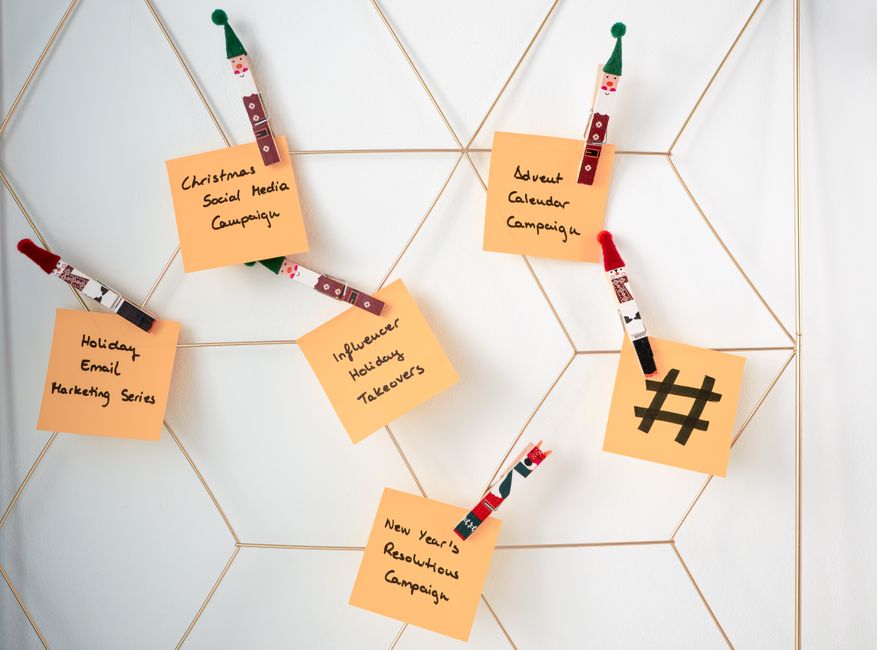
Začněte s plánem připraveným na konzoli: vytvořte 6 tematických klastrů a 34 psacích průvodců, které pokrývají formáty jak na to napříč vašimi platformami. Pokud implementujete, pohybujte se rychle při doručování vysoce kvalitního obsahu pro vaše publikum.
Mapujte pilířový kus a klastrové kusy: pro každý klastr publikujte pilířový kus ve formátu jak na to plus 4 podporující příspěvky ve formátech jako seznam kontrolních bodů, FAQ, případová studie, infografika a šablona.
Používejte osnovy, které udržují jasný účel: začněte otázkou, definujte publikum, seznamte klíčové kroky a ukážte vzorovou osnovu.
Google poskytuje široký pohled na objem vyhledávání a záměr. Používejte tyto signály k rozhodnutí o tématech a formátech. Ať preferujete dlouhé průvodce nebo kouskové příspěvky, tyto postřehy posouvají váš plán obsahu vpřed.
Struktura napříč rokem: publikujte pravidelné tempo, které odpovídá vašim zdrojům; pokud se objem liší, udržujte předvídatelný plán. Cílte na 2-3 průvodce týdně, celkem asi 100 průvodců za rok, v závislosti na velikosti týmu.
Inventář formátů: udržujte knihovnu 7-9 formátů (jak na to, seznam kontrolních bodů, FAQ, případová studie, infografika, šablona, glosář, shrnutí). Každý formát používá konzistentní strukturu, aby čtenáři mohli rychle procházet témata.
Udržujte proces viditelný: zapojte editory, designéry a experty na předmět; nastavte jasné vlastnictví v sdílené konzoli; sledujte pokrok a upravte tematické klastry, jak shromažďujete data.
Podněťte akci nyní: mapujte svůj aktuální obsah do 6 klastrů, přiřaďte vlastníky a spusťte 3měsíční pilot. Pokud vidíte pozitivní signály od Google a vašeho publika, rozšiřte na 34 průvodců a škálujte napříč platformami.
📚 Více o marketingu v sociálních sítích
- 27 nápadů na příspěvky v sociálních sítích k inspiraci vaší značky - Reálné příklady
- 20 populárních platforem sociálních sítí, které by vaší značce měla v roce 2026
- 6 rozborů plánů marketingu v sociálních sítích pro rok 2026 - Praktické příklady
- Dvě strategie, jeden cíl - Jak sociální sítě a SEO společně budují vaši značku
- 40 nejlepších nápadů na příspěvky v sociálních sítích k posílení zapojení v roce 2026 | Osvědčené strategie & trendy
Ready to leverage AI for your business?
Book a free strategy call — no strings attached.


