Digitální vs. tradiční marketing – Který je nejlepší pro vaše podnikání


Vyberte si smíšenou strategii nyní: alokujte většinu svého rozpočtu na digitální kanály, zatímco rezervujte solidní část pro tradiční taktiky, a upravujte čtvrtletně na základě výkonu a chování zákazníků. Tento přístup vám pomůže reagovat na změny v chování a udržuje váš plán praktický spíše než teoretický, s velkým prostorem pro optimalizaci.
Digitální kanály oslovují zákazníky tam, kde tráví čas, a kde jsou výsledky měřitelné, a oslovení nových segmentů je praktické díky rychlému testování. Spouštějte rychlé kampaně, sledujte náklady na získání, prokliky a konverze a rychle iterujte. Doplnějte tyto kampaně mailingovými kampaněmi k výchově leadů a podpoře opakovaných nákupů, zejména pro segmenty, které dobře reagují na přímé oslovení, a používejte průzkumy k vylepšení zpráv pro mnohem lepší výsledky.
Tradiční taktiky poskytují hmatatelné kontaktní body, které posilují důvěru. Místní akce, polní prodeje, tištěné inzeráty a mailingové kampaně vytvářejí teplé signály, které si mnoho kupujících stále pamatuje. Používejte je k oslovení segmentů, které dobře reagují na hmatatelné materiály, a k posílení digitálních zpráv u bodu prodeje, kde jsou výsledky viditelné.
Pro rozhodnutí mapujte tři body kontaktu a testujte je průzkumy a zajistěte, že výchováváte chladné leady cíleným tokem. Porovnávejte tyto přístupy podle dosahu, nákladů na lead a pozitivní reakce zákazníků. Pokud digitální kampaň ukáže rychlejší registrace a vyšší návratnost investic do reklam, škálujte ji; pokud mailingová snaha přináší silnější konverze, rozšiřte i tento kanál. Tyto přístupy byly navrženy tak, aby fungovaly společně, a podobně by jejich datové toky měly napájet jednu nástěnku pro jasnost.
Vytvořte koherentní plán se sdíleným kalendářem, konzistentní kreativou a jasnými metrikami. Sledujte, kde vidíte tah, a upravujte svou směs měsíčně spíše než čekat na čtvrtletní recenze. Podobně sledujte digitální a tradiční kampaně na jedné nástěnce, abyste mohli porovnat dosah a konverze; takové nastavení vám pomůže vyvážit široký dosah s cíleným zapojením a můžete budovat mnohem silnější vztahy se zákazníky.
Insights do marketingové strategie
Začněte s hybridním plánem: alokujte 60 % svého rozpočtu na digitální kanály a 40 % na tradiční kontaktní body a upravujte měsíčně na základě analytiky. Přímé kanály by měly být měřeny přímo; nicméně zajistěte, aby zpráva zůstala konzistentní napříč zařízeními, aby zkušenost působila koherentně; každý kontaktní bod by měl doručit stejnou zprávu.
- Alokace řízená analytikou: sledujte CPA, LTV a retenci podle kanálu; mezi kanály porovnávejte řadu metrik a používejte jedinou nástěnku k odhalení bodů pro rychlá rozhodnutí.
- Strategie zpráv: mapujte zprávy na segmenty; starší klienti reagují na konkrétní výhody a spolehlivost; vyhněte se impersonálním šablonám personalizací e-mailů, textů a telefonního oslovení pro každý segment.
- Taktiky přímého zapojení: používejte přímé oslovení pro vysoce hodnotné účty; pokud cílíte na rozhodovatele, krátký, pečlivě vytvořený telefonát po přímém mailingovém kusu zvyšuje konverzi o 15–25 % v testech.
- Výroba a rozsah aktiv: standardizujte šablony k omezení času a nákladů na výrobu; znovu používejte aktiva napříč kampaněmi s malými úpravami k udržení svěžesti.
- Příklad iniciativy: spusťte mailingový kus s QR kódem, který vede k personalizované nabídce; sledujte zapojení analytikou a eskalujte leady s vysokou záměrností telefonním follow-upem.
- Integrace technologie: propojte CRM, marketingovou automatizaci a analytiku do sjednoceného systému; to se stane páteří vaší cross-channel strategie a pomůže plynule přesouvat interakce mezi kanály.
- Loyalita a péče o klienty: navrhněte loajálnostní program spojený s body získanými za nákupy a doporučení; starší klienti často oceňují spolehlivý program a včasnou podporu, což zvyšuje retenci a loajalitu.
Bolestivé body konvenčního marketingu: Plýtvání rozpočty, pomalá zpětná vazba a generické zprávy
Alokujte 15–20 % svého marketingového rozpočtu na kontrolované piloty, které poskytují zpětnou vazbu v reálném čase, s použitím mobilních formátů k interakci s úzkými segmenty. Vytvořte sadu katalogů nabídek, které můžete rychle vyměnit, jakmile přijdou data. Zahrňte jasné výzvy k akci. To vám umožní otestovat, které zprávy rezonují a které zapojují, což snižuje dohady a urychluje učení během vašich kampaní.
Široký dosah s malým signálem do chování publika vede k plýtvání rozpočtem; utrácí se na umístění napříč trhy s minimálním důkazem dopadu. Napříč zprávami se objevuje miliardová mezera mezi výdaji a měřitelnými výsledky, protože týmy tlačí více rozpočtu do taktik bez skutečné zpětné vazby.
Generické zprávy postrádají relevanci; s téměř žádnou interaktivitou selhávají v propojení s různorodými segmenty. Když zprávy neodrážejí chování zákazníků, jsou ignorovány a zapojení klesá, zatímco zmeškáte šance na interakci v reálném čase.
Opravte to vytvořením praktického rámce: segmentujte podle chování, doručujte přizpůsobené nabídky z malé sady možností a používejte technologii k automatizaci doručení na mobilních kanálech. Nastavte nástěnky v reálném čase, které ukazují, které kreativy konvertují, udržujte repozitář katalogů nabídek a rychle upravujte volání a umístění. Tyto metody, použité správně, posunují rozpočet směrem k výsledkům, které můžete měřit, napříč každým trhem a každou hrou, kterou spustíte na základě důkazů.
Možnosti digitálního marketingu: Data v reálném čase, personalizace a agile testování
Nastavte kokpit dat v reálném čase k vedení všech kampaní a označení poklesů zapojení dříve, než ovlivní příjmy. Toto nastavení umožní vašemu týmu, zaměřenému na oslovení správného zákazníka, doručovat přizpůsobené, vysoce kvalitní, dobře vytvořené zprávy a eliminuje nedostatek viditelnosti.
Využívejte technologii k segmentaci publika a přizpůsobení obsahu napříč mailingy, blogy a interakcemi na webu. Vytvořte knihovnu vysoce kvalitního obsahu a tištěný průvodce, který řeší specifické záměry kupujících. Personalizace by měla působit užitečně, ne dotěrně; sladěte nabídky se záměrem k zlepšení zapojení. Začleňte inovace v analytice k ostření segmentace a urychlení personalizace.
Data v reálném čase pohánějí agile testovací smyčky: spusťte malé experimenty na landingových stránkách, e-mailech a CTA, měřte dopad v reálném čase a škálujte to, co funguje. To by mohlo snížit dobu cyklu, zvýšit provoz z cílených segmentů a ostřit porozumění interakci a zapojení spotřebitelů.
Využívejte insights k personalizaci follow-upu: upravte kadenci mailingů, zobrazte relevantní obsah na blogu a představte přímou nabídku, která odpovídá nedávné aktivitě.
Operačně to realizujte s kompaktním týmem a lehkým průvodcem: naplánujte 2týdenní sprint, spusťte 2–3 experimenty a použijte jednoduchou skórovací kartu pro úspěch. Sledujte metriky jako míra zapojení, prokliknutí a konverze k ověření příznivých výsledků. To se stane praktickým playbookem pro tým.
Zvažování nákladů a ROI: Kdy investovat do digitálních vs tradičních kanálů
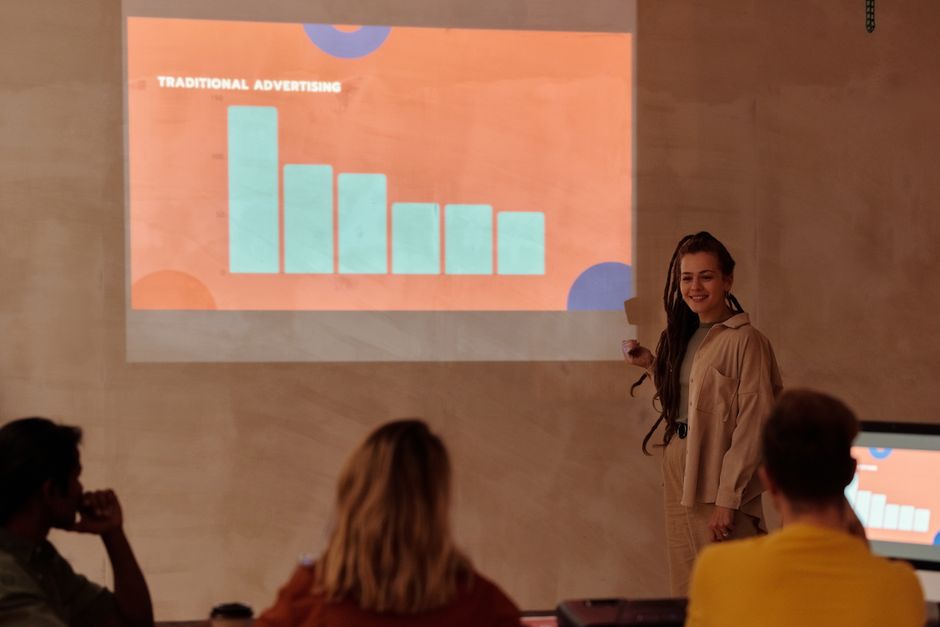
Začněte s digitálně zaměřeným testovacím plánem. Tato volba zahrnuje alokaci 60 % počátečního rozpočtu na digitální kanály (vyhledávání, sociální sítě, e-mail) a 40 % na tradiční média. Poskytuje rychlé učení o cílení, zprávách a kreativě prostřednictvím jasných metrik a denní zpětné vazby.
Digitální platformy umožňují měřitelnost napříč kontaktními body s denním dashboardy, které podporují optimalizace. Poskytují prostředky k testování, učení a úpravám toho, které nabídky propagovat, čímž vytvářejí přímý vztah s klienty a jejich chováním.
Tradiční kanály poskytují masový dosah a médium pro široké budování vztahů. Jsou nejlepší, když je volbou široké povědomí a kdy kreativa může rezonovat napříč více výstupy.
Pro rozhodnutí, kdy přesouvat rozpočty, spusťte 8–12týdenní test a sledujte KPI jako CPA, ROAS, dosah a podporované vzpomínání. Pokud digitální ukáže rostoucí ROAS a jasné náklady na lead, zatímco tradiční zvyšuje značkové metriky, upravte směrem k vyvážené směsi a zvažte zvýšení organických a propagačních aktivit.
Zvažte cestu klienta: vaše služby by mohly být propagovány prostřednictvím denních zpráv; používejte organický obsah k doplnění placených kampaní a posílení vztahu napříč platformami. Inovace v cílení a atribuci mohou tento přístup podporovat, včetně cross-platform sledování a multi-touch měření.
| Kanál | Měřitelnost | Typické náklady (rozsah) | Nejlepší použití / KPI |
|---|---|---|---|
| Digitální (vyhledávání, sociální sítě, e-mail) | Vysoká | CPM: 2–15 USD; CPA: 10–200 USD | Generování leadů, konverze, denní zprávy; KPI: CPA, ROAS, CTR |
| Tradiční (TV, rádio, tisk) | Střední | CPM: 15–60 USD; atribuování CPA omezené | Masové povědomí, budování vztahů; KPI: dosah, frekvence, podporované vzpomínání |
| Integrované (multi-kanálové) | Střední | Sdílené rozpočty; cross-channel atribuování | Multi-touch dopad; KPI: inkrementální zlepšení |
Měření a atribuování: Sledování úspěchu napříč kanály
Začněte se speciálním, sjednoceným modelem cross-channel atribuování a praktickým rámcem, na kterém můžete jednat. Tyto pravidla zahrnují placené vyhledávání, sociální sítě, e-mail, podcasty, masová média, billboardy a tisk, s voláními a interakcemi na webu, které vracejí data zpět na jedinou nástěnku. Vyberte primární metriku, kterou chcete posunout, a vytvořte jasný číselný cíl, který udržuje týmy sladěné kolem lepší zprávy a praktické cesty k dopadu.
Nastavte pravidla atribuování předem a dokumentujte, kdy každý kontaktní bod získává kredit. V závislosti na směsi kanálů přiřaďte kredit vyváženým multi-touch pravidlem nebo použijte first- nebo last-touch rozdělení pro rychlé výhry. Zahrňte offline kontakty – volání, zmínky v tisku a dojmy z billboardů – aby se počítaly tam, kde se publikum zapojuje. To zajišťuje, že formule odkazuje zpět na skutečné cesty a minimalizuje slepé skvrny.
Konsolidujte data do jednoho pohledu označením každého kontaktního bodu správnými nástroji. Používejte UTM kódy, identifikátory CRM a čísla pro sledování volání, abyste mohli odkazovat zpět na kampaň a zajistit kvalitu dat napříč zdroji. To produkuje čistý, testovatelný datový soubor, který můžete posunout do nástěnek a zpráv. Používejte průzkumy k ověření přijetí publika a úpravě zprávy; sdílejte rychlé takeaways na svém blogu a posílejte aktualizace stakeholderům.
Přeměňte výsledky na akci s lehkou čtvrtletní recenzí a měsíční skórovací kartou. Zaměřte se na několik top-performing kanálů a vytvořte zprávy, které rezonují s nejcennějšími publiky. Pro masová média jako billboardy testujte lehké kreativy a sledujte zlepšení rychlými průzkumy nebo přímými odpověďmi; insights z těchto testů formují budoucí kroky. Pokud kanál podvádí, přealokujte prostředky zpět do motorů, které pohánějí inkrementální výnosy a produkují učení, které můžete publikovat na blogu nebo posílat týmu.
Podstatné: transparentní cross-channel systém, který odkazuje na tyto vstupy, urychlí rozhodování a zlepší výsledky napříč kampaněmi.
Plán hybridní strategie: Praktický přístup k malému startu a škálování
Začněte s 90denním pilotem, který spojuje pečlivě definované zprávy pro jediný segment napříč dvěma kanály: e-mail a telemarketing, s skromním výdajem. Nastavte konkrétní milníky: náklady na lead, míru odpovědí a míru konverze a revidujte je týdně. Tento kompaktní start odhalí, co funguje, minimalizuje riziko a poskytne jasnou základnu pro expanzi, s pravděpodobnými zisky viditelnými do 45. dne.
V rámci pilota mapujte potřeby cílového publika a analyzujte data k identifikaci slabin a příležitostí. Definujte jedno jádro publika, implementujte segmentaci kolem fáze a chování a sladěte zprávy s tímto profilem napříč kontaktními body. Sbírejte zpětnou vazbu od lidí na frontě k ostření kopí a nabídek, čímž zajistíte, že přístup zůstane relevantní k realitě.
Nezávislé týmy by měly vlastnit plán; přístup je považován za praktický marketéry. Před škálováním uzamkněte pokyny pro obsah, soulad a ochranu dat. Vytvořte jednoduchý playbook: co testovat, jak měřit a kdy pivotovat. Zaměřte se na nákladovou efektivitu k zlepšení dopadu přealonací fondů směrem k nejlepším aktivům a zahrňte příležitosti k výchově leadů.
Nástěnky v reálném čase sledují výkon segmentace, rezonanci zpráv a chování uživatelů napříč kanály. Používejte tyto signály k vylepšení nabídek a načasování; označte slabiny brzy, abyste mohli zmírnit plýtvání a dosáhnout mnohem většího zlepšení. Zajistěte, aby plán zůstal v rozpočtu a poskytoval jasnou hodnotu zákazníkům.
Škálujte postupným rozšiřováním testovacího rozsahu: rozšiřte na druhý segment, přidejte regionální tým a zaveděte doplňkové taktiky jako personalizované follow-upy a telemarketingové skripty, které posilují jádrové zprávy. Zahrňte malý nárůst rozpočtu, ale udržte kontroly těsné; propagujte nabídky, když kanál prokáže nákladovou efektivitu. Během toho reality checks a pravidelné analýzy udržují plány uzemněné v potřebách a očekáváních a podporují spolupráci.
Ready to leverage AI for your business?
Book a free strategy call — no strings attached.


