Kompletní rámec strategie go-to-market (GTM) s příklady z reálného světa
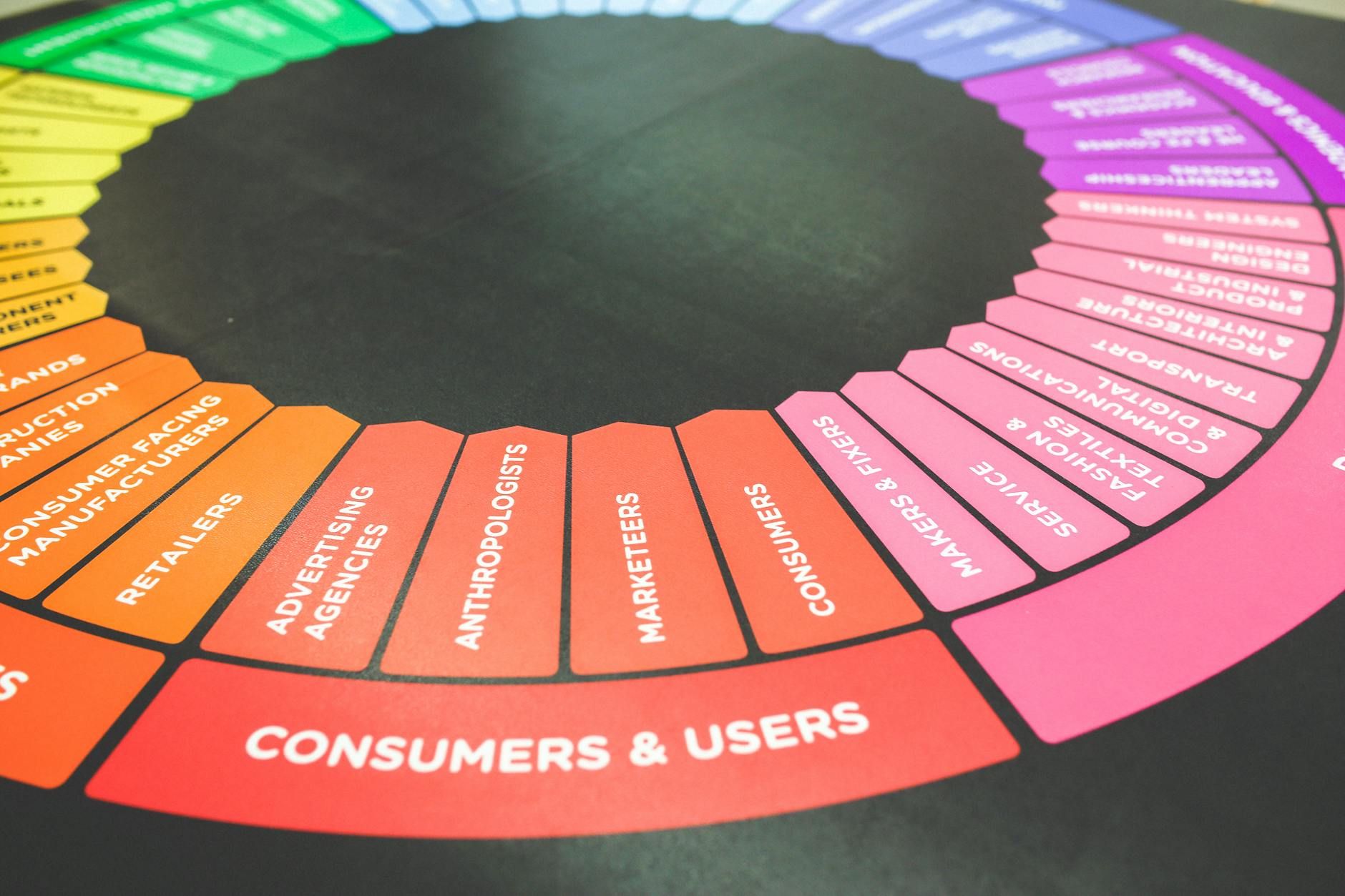

Nejdříve rozhodněte o cílovém trhu: určete, kde získáte přístup k zákazníkům, které oddělení budou podporovat rané experimenty a který nástroj pohání pokrok lépe než hádání. Pro hráče v e-commerce a maloobchodu tato jasnost urychluje budování hybnosti a snižuje tření při rozhodování o dalších krocích.
V praxi rámec spočívá na třech sázkách: budování modelu segmentace, testování nabídek a měření pokroku. V nedávném případu e-commerce středně velký maloobchodník provedl dvě pilotní projekty kolem hypotéz segmentace – nový zákazník vs. opakovaný kupující – a dosáhl 12–15% zlepšení v metrikách rané fáze lievku během 28 dnů, přičemž snížil náklady na získání o 18 % díky sladěným marketingovým a prodejním operacím.
Pro udržení hybnosti pojmenujte klíčové metriky, ke kterým získáte přístup, a nastavte 90denní plán pokroku napříč odděleními. Nástroj by měl podporovat rozhodování na úrovni produktu, marketingu a prodejů, čímž snižuje strach z nesouladu. Při rozhodování o alokaci rozpočtu upřednostňujte experimenty s jasnými kritérii úspěchu před netestovanými sázkami.
Kde váš GTM plán uspěje, je v disciplínovaném cyklu budování, testování a zdokonalování. Vývoj lehkého playbooku pro každé oddělení – marketing, produkt, prodeje a podpora zákazníků – pomáhá zajistit slad a rychlejší rozhodování. Pro hráče v maloobchodu a e-commerce získáte přístup k živé zpětné vazbě od zákazníků dříve a můžete upravit ceny, zprávy a umístění před škálováním. Pro společnosti různých velikostí se stejný rámec ukazuje jako škálovatelný a snižuje chyby zaměřením na nabídky řízené segmentací a krosfunkční podporu. Tento přístup stojí za adopci pro týmy, které chtějí zůstat vítězné proti konkurenci.
Rámec strategie GTM: Klíčové části a reálné příklady
Nejprve identifikujte ideální segmenty kupujících, poté vyberte klíčové části rámců GTM, které budete používat; to udržuje soustředění na povědomí a urychluje rozhodování. Obvykle omezit na 2–3 segmenty a aktualizovat je každých 60 dní.
Klíčové části zahrnují pozici, zprávy, rozsah nabídky, plány kanálů, ceny a měření. Definujte jasnou pozici, mapujte ideální chování kupujícího, které chcete řídit, a sladěte skupiny (prodeje, marketing, produkt) kolem jediného plánu. Vytvořte sady připravených aktiv – šablony e-mailů, landing pages a playbooky – pro zajištění konzistence. Sledujte rychlost zpětné vazby; stejný rámec není univerzální přístup, přesto týmy běžně znovu používají klíčovou strukturu pro rychlejší pohyb. Dopad pocítíte během 4–6 týdnů.
Reálný příklad A: SaaS zaměřený na SMB. ICP se dělí do tří skupin – SMB, střední trh a Enterprise. Cenový rozsah: 20–100 $ na uživatele/měsíc; cílový ACV kolem 5k $. Směs kanálů zahrnuje 6 e-mailových dotyků během 12 dnů, outreach na LinkedIn a jeden kvartální webinar. Cíl zlepšení povědomí: návštěvy webu z cílových termínů o 40 % nahoře; zapojení na stránce produktu o 25 % nahoře. Cesta konverze: míra zkušební verze kolem 8 %; placená konverze ze zkušební verze 25 % během 90 dnů. Alokace rozpočtu: 45 % placeného vyhledávání, 25 % sociálních sítí, 30 % akcí. Aktualizovaný dashboard ukazuje růst míry MQL o 12 % po úpravách obsahu. Nepřeinvestujte do omezené směsi kanálů; pokud míra odezvy stagnuje, přejděte na druhý kanál, protože to má význam pro povědomí a rychlost.
Reálný příklad B: Podnikové IT bezpečnostní software. Skupiny ICP: IT, Bezpečnost, Finance; prodejní cyklus 6–12 měsíců; ARR kolem 120k $; ceny kombinují modely na sedadlo a na nasazení. GTM používá přímé prodeje plus síť partnerů. Obsahové aktiva zahrnují kalkulačku ROI, diagram architektury, případové studie a 60minutové workshopy. Identifikujte požadované chování: žádosti o demo, registrace na zkušební verzi, briefingy pro vedení. Míra uzavření se zlepší o 28 % po sladění prodejních skriptů a marketingových aktiv; rychlost pipeline stoupne o 32 % během 90 dnů.
Plán implementace: udržujte plán aktualizovaný měsíčně; nespoléhejte na omezenou směs kanálů; v závislosti na zpětné vazbě z trhu upravte zprávy a ceny. Zahrňte možnost střední cenové úrovně pro testování pozice. Proveďte 90denní pilot s rychlými experimenty; posílejte týdenní dashboardy stakeholderům, abyste sdíleli, co funguje a co ne.
Definujte cílový trh, ICP a prioritní use cases
Definujte nyní 3–5 ICP a 3–5 prioritních use cases, abyste zaměřili svůj výzkum, pilotní běhy a promoční zprávy.
Jasnost cílového trhu pochází ze tří os: vertikály průmyslu, velikost společnosti a geografie. Vytvořte stručný profil pro každé ICP, který zaznamenává roli kupujícího, typický rozsah rozpočtu, časový rámec rozhodování a hlavní bolesti s aktuálním softwarem. Například kupující SaaS zaměřený na rodiče vzdělávání může hledat jednodušší nástroje pro rozpočtování a rychlejší onboarding pro vzdálené týmy, což zajišťuje, že oslovujete správného kupujícího pro toto ICP.
Pro ICP definujte dopad, který očekávají, a jak váš přizpůsobitelný software to řeší. Zahrňte požadované schopnosti, problém k řešení a metriky, které signalizují úspěch (ušetřený čas, snížené výdaje nebo méně eskalací). Spojte tyto s spouštěči nákupu a držiteli rozpočtu, kteří ovlivňují koupi.
Prioritní use cases: při navrhování těchto případů mapujte několik workflowů, které jsou důležité pro každé ICP. Zaměřte se na případy, které jsou proveditelné v rámci 4–8týdenního pilotu, demonstrují měřitelné výsledky a sladí se se schopnostmi produktu. Některé use cases mohou zahrnovat složité schválení, ale udržujte rozsah úzký a jasně uveďte správné výsledky a jak je budete sledovat během běhů.
Plán validace: výzkumné otázky k zodpovězení zahrnují: jaký dopad uživatelé očekávají, jaká data potřebují a jaké námitky vznikají? Shromážděte vstupy od zákazníků a interních týmů, poté proveďte kontrolované testy s přizpůsobitelnými zprávami a omezeným rozsahem. Používejte Slack kanály k sdílení nálezů, plánování recenzí a sladění dalších akcí. Zeptejte se sami sebe, které metriky jsou nejdůležitější a kde můžete získat rané vítězství.
Další kroky: finalizujte ICP a prioritní use cases, publikujte lehké jednostránkové shrnutí pro marketing a prodeje a nastavte dashboardy k monitorování dopadu. Tento systematický přístup urychluje slad a pomáhá vašemu týmu prodávat efektivněji do cílové niku.
Vyvíjejte pozici, zprávy a důkazní body pro každou personu
Finalizujte jednu ostré pozici na personu a spojte ji se třemi konkrétními zprávami a dvěma důkazními body, vše sladěné s cíli založenými na účtech.
-
Persona 1: IT lídr v SMB výrobci
- Pozice: Pro IT lídry v SMB výrobcích naše nabídka snižuje prostoje a urychluje modernizaci sjednocením legacy systémů se škálovatelnými cloud aplikacemi, což dodává jasnou hodnotu sladěnou s operačními cíli.
- Sloupy zpráv:
- Společný cíl: minimalizovat neplánované výpadky a zjednodušit údržbu napříč multi-vendor stacky.
- Přístupy: nasadit ve stádiích s přizpůsobitelným modelem ROI; spustit 4týdenní pilot k prokázání hodnoty bez narušení aktuálních operací.
- Ať běžíte on-prem, cloud nebo hybrid, naše řešení se sladí s vašimi cíli a zaplní mezery v bezpečnosti a souladu.
- Důkazní body:
- Důkazní bod 1: 38% snížení neplánovaných výpadků během 90 dnů, na základě 5 již dokončených nasazení SMB.
- Důkazní bod 2: čas na hodnotu zkrácen z 120 dnů na 60 dnů v prvním projektu, s měřenými úsporami nákladů 22–28 % v údržbě.
- Podporující data a aktiva:
- Výzkum s 12 klienty napříč výrobou validuje model ROI a ukazuje pozitivní dopad na MTTR a využití aktiv.
- Přizpůsobitelná kalkulačka ROI a připravený k sdílení one-pager pomáhají připravit stakeholdery na rychlé rozhodnutí.
- Zdroje důkazů a námitky:
- Řešte překážku rizika integrace sdílením reprodukovatelných playbooků a možností 30denního prodloužení po pilotu.
- Ve srovnání s legacy údržbou nabídka snižuje celkové náklady na vlastnictví a podporuje škálovatelnou cestu upgradu.
- Další kroky:
- Připravte 2stránkový list pozice a 3slajdovou prezentaci pro outreach založený na účtech; finalizujte stránky pro již identifikované cílové účty.
-
Persona 2: Vedoucí retailového marketingu (multi-kanál, fokus na v obchodech)
- Pozice: Pro retailové marketingové týmy naše platforma pohání návštěvnost v obchodech a online–v-obchodě konverze spojováním mediálních momentů s zkušenostmi v obchodech, s jasnou cestou od povědomí k nákupu.
- Sloupy zpráv:
- Společný cíl: zlepšení návštěv v obchodech a velikosti košíku prostřednictvím synchronizovaných digitálních a obchodních kampaní.
- Přístupy: spustit konfigurovatelný kros-kanálový plán, který se škáluje napříč několika formáty obchodů; spouštět kampaně, které integrují nákupy médií s aktivacemi v obchodech.
- Náklady a nabídka: nabídnout transparentní ceny a přizpůsobitelné balíčky, které se hodí pro single-brand i multi-brand portfolia.
- Důkazní body:
- Důkazní bod 1: návštěvy obchodů stoupnou o 18–32 % během prvních 6 týdnů testování napříč 6 pilotními obchody.
- Důkazní bod 2: kros-kanálová atribuice zlepší konverzi o 12–24 % ve srovnání s předchozími kampaněmi; CAC se sníží o 15–25 % v pilotních kohortách.
- Podporující data a aktiva:
- Data z experimentů v obchodech z výzkumu s retailery zdůrazňují zlepšení impulsních nákupů spojených s real-time zprávami.
- Přizpůsobitelné balíčky důkazů zahrnují dashboardy dopadu a srovnání baseline pro každou značku.
- Řešení překážek a finalizace:
- Řešte obavy z mediální směsi ukazováním, jak různé kanály stackují proti výsledkům v obchodech; finalizujte připravený k běhu playbook pro spouštění kampaní na nových trzích.
- Nabídněte volitelný pilotní program k validaci efektivity nákladů před škálováním.
- Další kroky:
- Připravte 1-pager a landing pages přizpůsobené každému segmentu retailu; zahrňte jasné CTA pro spuštění příštího kvartálu.
-
Persona 3: VP Customer Success v SaaS společnosti
- Pozice: Pro lídry CS sladěte hodnotu produktu s výsledky zákazníků, abyste urychlili adopci, snížili churn a pohnali expanzi napříč stávajícími klienty.
- Sloupy zpráv:
- Společný cíl: zajistit rychlý čas na hodnotu a měřitelné milníky úspěchu po podpisu.
- Přístupy: implementovat přizpůsobitelnou cestu onboardingu s jasnou mapou milníků a plánem úspěchu založeným na účtech pro vysokohodnotové klienty.
- Spouštěcí strategie: zavést fázi onboardingu pro nové klienty; spustit kampaň důkazu hodnoty s kvartálními recenzemi.
- Důkazní body:
- Důkazní bod 1: míra churn klesne o 18–26 % po 90 dnech řízeného onboardingu a sledování hodnoty napříč více klienty.
- Důkazní bod 2: čistá expanze se zlepší o 12–28 %, když zákazníci dosáhnou definovaných milníků hodnoty a dostanou proaktivní vedení.
- Podporující data a aktiva:
- Výzkum s 20+ klienty napříč sektory ověřuje, že přizpůsobitelný onboarding a dashboardy ROI zvyšují dlouhodobou retenci.
- Nabídněte sadu případových studií připravenou k sdílení a benchmark report k podpoře akvizicích.
- Náklady, překážky a příprava:
- Řešte námitky cen s transparentními úrovněmi a back-testovaným modelem ROI, který týmy mohou přizpůsobit pro každého klienta.
- Připravte 3měsíční plán úspěchu a 6měsíční plán expanze, aby se ukázala pokračující hodnota klientům a snížila tření akvizice.
- Další kroky:
- Finalizujte marketingová aktiva pro segmenty CS; sestavte knihovnu důkazních bodů, referencí klientů a výsledků podložených výzkumem k urychlení konverzací.
Navrhněte směs kanálů, zapojení partnerů a podporu prodejů
Začněte se tříčástnou směsí kanálů sladěnou s vaším trhem: 45 % přímé prodeje, 30 % řízené partnery a 25 % inbound/kanály obchodu. Vytvořte plán kolem těchto cílů a použijte výše uvedené předpovědi k sledování pokroku od spuštění po škálování. Tento přístup kombinuje konkurenční přístup s více přístupy k dotykovým bodům zákazníků, což zajišťuje odolnost při růstu.
Design kanálů vyžaduje strukturu, která podporuje rychlost a dosah. Ideální rozdělení je 45 % přímé prodeje, 30 % partnerští kanály a 25 % inbound; pro přímé prodeje najměte 3-5 zástupců na 1 000 cílových účtů s 90denní rampou. Pro partnery vytvořte dvě úrovně: strategické a affiliate, s joint kvótami a fondy na společný marketing. Vytvořte seznamy cílových firem, systémových integrátorů, value-added distributorů; aktivujte 2-3 pilotní partnery v prvním kvartálu. Zahrňte promoční aktivity a demonstrace pro každou produktovou řadu a nastavte promoční kalendáře, které se sladí s produkty spuštění. To zahrnuje několik nejlepších praktik, které podporují jasnou strukturu a škálovatelný, opakovatelný přístup k onboardingu partnerů.
Vyvíjejte engine zapojení partnerů: playbook onboardingu, kvartální společné marketingové plány a partner portal, který sleduje leady od e-mailů po uzavření. Používejte stejný jazyk napříč e-maily partnerů a vaší komunitou k budování důvěry. Pro startupy definujte incentivy partnerů jasně k přilákání raných adoptérů a vytvořte indikátory jako kvalita leadů, míra výhry, čas na demo a příspěvek k příjmům; proveďte měsíční recenze pomocí poskytnutých dashboardů k posouzení pokroku a iterace. Zahrňte více přístupů k spolupráci partnerů a feedback loop, který informuje o aktualizacích produktu.
Podpora prodejů musí pohánět plán obsahem, nástroji a školením. Vytvořte strukturu, která zahrnuje battlecards, průvodce demem a šablony pro e-maily, návrhy a ROI. Proveďte mini-spuštění se třemi piloty k validaci zpráv; zachyťte učení a upravte předpovědi. Poskytněte co-branded promoční materiály, demonstrace připravené pro partnery a sdílenou knihovnu obsahu k podpoře jak přímých, tak partnerstkých týmů. Poskytnuté aktiva zahrnují e-maily, seznamy a připravený k distribuci kolaterál k urychlení hybnosti.
Definujte jasné metriky: pokrytí kanály, náklady na získaného zákazníka, leady poskytnuté partnery a rychlost od prvního dotyku po uzavření. Vytvořte seznamy indikátorů pro každý kanál a revidujte je týdně. Používejte stavy spuštěno a zahájeno k hlášení pokroku; zajistěte růst startupu opakováním stejného playbooku napříč trhy a dokumentovanými cykly mini-spuštění. Udržujte komunitu kolem vaší ekosystému s pravidelnými e-maily a aktualizacemi; používejte tyto signály k vylepšení plánu a tlačením k dalšímu mini-spuštění.
Nastavte ceny, balení a nabídky založené na hodnotě pro segmenty
Začněte se třemi balíčky založenými na hodnotě: Starter, Growth a Enterprise, ceněnými podle hodnoty výsledku spíše než počtu funkcí. Sladěte každou úroveň se specifickými segmenty a nastavte jasné limity použití, což zajišťuje příležitosti expanze, zatímco slevy spojíte s objemem a víceletými závazky. Vytvořte rámec měření k sledování ARR, adopce a signálů expanze. Ukotvěte milníky v červenci, aby se vyhnuli scope creepu. Tento přístup používá pouze tři úrovně k udržení nízké složitosti. Starter je ceněn na 29–49 $ na uživatele/měsíc, Growth na 99–199 $ na uživatele/měsíc a Enterprise na custom nabídky.
Balení by mělo jasně převádět obchodní výsledky do dolarů. Vytvořte oficiálně schválené cenové karty a jednoduchou kalkulačku ROI, kterou prodejní týmy mohou používat na schůzkách a dodávat odhad ROI během 60 sekund. Pro kupující v odděleních jako finance a operace ukážte, jak balíček snižuje riziko a urychluje čas na hodnotu. Používejte stručný one-page k zdůraznění přitažlivosti každé úrovně a add-onů, které odemykají další hodnotu. Nabídněte slevy: 5 % pro 2leté závazky, 10 % pro 3leté a performance-based upside až 3x ROI pro Enterprise dohody.
Nabídky založené na hodnotě vyžadují jasný odkaz mezi cenou a dopadem. Vždy spojte cenu s reálnými výsledky. Mapujte hodnotu na měřitelné výsledky jako ušetřený čas (2–5 hodin na uživatele/týden), snížení chyb (30–60 %) a zlepšení příjmů (5–20 %). Používejte jednoduchý rámec měření, aby manažeři viděli delta v nákladech vs. přínosech. Zajistěte vhodnost cen pro segmenty a pamatujte, že několik dohod bude spoléhat na flexibilní podmínky spíše než rigidní seznamy.
Bezpečnost a integrace jsou nevyjednávatelné pro software dohody. Zdůrazněte bezpečné zpracování dat, certifikace dodavatelů (SOC 2 Type II, ISO 27001) a hladké připojení k populárním ekosystémům. Pro kupující jako Huawei demonstrujte kompatibilitu s jejich tech stackem a jasně načrtněte SLA. To buduje důvěru a zajišťuje, že oficiálně prezentujete ceny v jediném zdroji pravdy pro procurement a manažery.
Efektivní komunikace napříč odděleními je důležitá pro konzistenci a prevenci úniku slev. Sladěte prodejní, marketingové, finanční a produktové týmy s jediným narativem hodnoty. S dobře vytvořenými materiály přicházejí týmy připravené a dodávají konzistentní pitch. Jsou připraveni na škálování, když interní slad drží.
Spuštění ve fázích snižuje riziko a urychluje učení. Pilotní běhy s několika zákazníky k validaci cenové matematiky, použití balení a cest upsellu. Používejte data k řízení plánů expanze a nastavte harmonogram pro následné aktualizace. Tyto kroky přicházejí s jasným plánem a měřitelnou cestou k škálování.
Měřte, co je důležité. Sledujte metriky jako růst ARR, průměrný příjem na účet, míru obnovy a využití funkcí na úrovni. Měření je důležité pro governance, umožňuje rychlé úpravy cen a balení. Pokud balíček podvádí, vyladěte tvrzení hodnoty, upravte add-ony a znovu spusťte předpověď. Tato disciplína udržuje strategii dobře sladěnou s potřebami trhu a vhodností vaší software nabídky.
Vytvořte plán provedení: Milníky, tech stack a metriky úspěchu

Začněte 90denním plánem provedení, který spojuje milníky s vhodným tech stackem a konkrétními metrikami úspěchu; sladěte s odděleními napříč potřebami společnosti k dosažení obchodních cílů. Plán netoleruje nejednoznačnost, takže každý milník zahrnuje vlastníka, datum splatnosti a specifický dodávek, který jasně demonstruje pokrok.
Milníky k uzamknutí nyní: 0-30 dnů: sladit stakeholdery z prodejů, marketingu, produktu a operací; finalizovat potřeby; vytvořit jediný dokument požadavků. 31-60 dnů: dokončit klíčové integrace (CRM, data pipeline, access control) a vytvořit minimální životaschopný produkt pro rané uživatele. 61-90 dnů: spustit kontrolovaný pilot s reprezentativní skupinou zákazníků nebo interních uživatelů, shromáždit zpětnou vazbu a upravit roadmapu. 90+ dnů: připravit expanzi do nových segmentů, škálovat procesy a zapéct governance pro pokračující optimalizaci.
Tech stack by měl být štíhlý, modulární a bezpečný. Klíčové vrstvy dat a zapojení se musí spojit; vyberte nástroje, které umožňují rychlé vítězství a dlouhodobou spolehlivost. Doporučené kusy: CRM, Marketing Automation, Analytics, Data Warehouse, Product Analytics, Integrations, Collaboration a Security. Vytvořte kontroly přístupu pro lidi napříč odděleními; zajistěte, aby dashboardy a insights dosáhly komunity stakeholderů. Spoléhejte na výše uvedený stack jako na vaši kompletní základnu.
Metriky úspěchu: definujte strom metrik spojený s obchodními výsledky. Krátkodobé: čas na hodnotu, dokončení onboardingu, míra aktivace; Střednědobé: míra adopce, konverze na placené, počáteční expanzní příjem; Dlouhodobé: retence, NPS, spokojenost zákazníků. Cíle by měly být realistické; některé se pravděpodobně posunou s podmínkami trhu. Nastavte kadenci týdenních check-inů a měsíčních recenzí; zajistěte přístup k dashboardům pro všechna oddělení; pokud metrika klesne, spustěte rychlou relaci replánování, aby plán zůstal na správné dráze a podporoval expanzi.
| Oblast | Doporučení | Klíčové metriky / Vlastník |
|---|---|---|
| Milníky | 0-30: sladit potřeby; 31-60: budovat integrace; 61-90: pilot; 90+: expanze | Vlastníci na milník; data |
| Tech Stack | CRM, Marketing Automation, Analytics, Data Warehouse, Product Analytics, Integrations, Collaboration, Security | CTO / PMO; časová osa integrace |
| Metriky úspěchu | Čas na hodnotu, Aktivace, Konverze, Expanzní příjem, Retence, NPS | Vedoucí růstu; kvartální cíle |
Odeslat stručný dotaz
Popište web, cíle, publikum a rozpočet pro projednání nabídky.


