Role brandingu v moderním marketingu

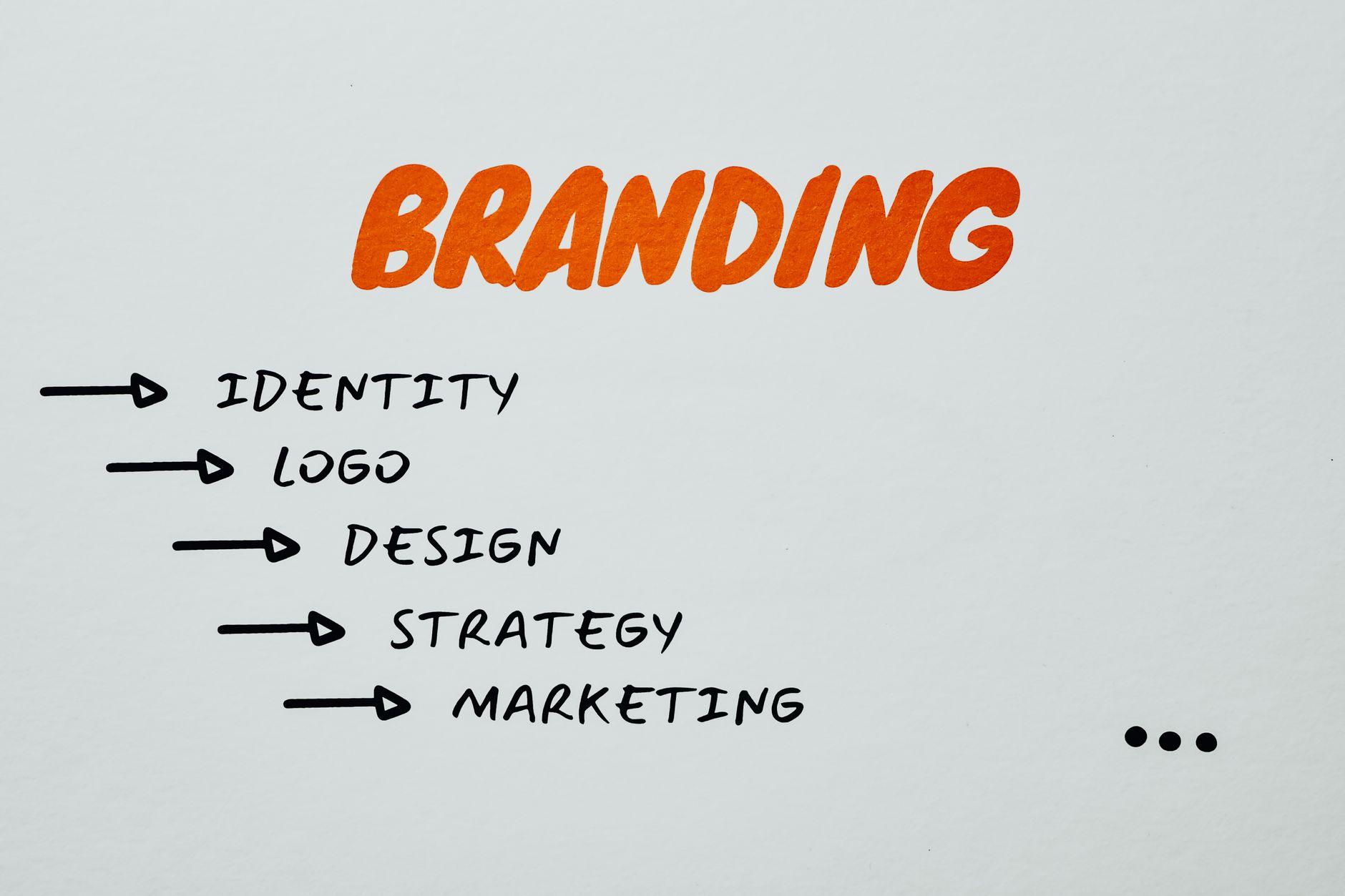
Investujte nyní do koherentní identity značky, aby jste podpořili trvalý růst. Soubor konzistentních vizuálů a zpráv snižuje tření v okamžicích rozhodování, zvyšuje rozpoznatelnost a důvěru napříč zbožím a prožitky s ním spojenými. Náš výzkum ukazuje, že značky, které sladí tón, vizuály a hlas napříč kontaktními body, jsou vnímány jako spolehlivější, což položí základ pro dlouhodobou loajalitu.
Pro zvýšení zapojení musí značky dodávat autentickou komunikaci, která vysvětluje důvod nabídek a jak zlepšují každodenní život. Když ovlivňují značku, zpráva se stává zapojující a mocnou a rezonuje emočně s publikem, ne pouze promočně.
Praktický rámec se soustředí na výzkum, jasné nastavení cílů a konzistentní tón. Tento přístup vám pomůže posílit důvěru a vzpomínku na značku, definovat cílové publikum, mapovat potřeby zákazníků na výhody a poskytovat konzistentní příběh napříč kanály. Sladit pozicování produktu (zboží), obalování a zákaznický servis, aby posílily slib značky v každém prostředí.
Síla značky spočívá v budování trvalé rozpoznatelnosti, která promění první kupující v zastánce. Silná značka pravděpodobně přinese vyšší míru konverze, lepší toleranci cen a lepší odolnost v dynamickém trhu. Abychom zachytili tuto hodnotu, sledujte metriky jako nárůst povědomí, vzpomínku na zprávu a celoživotní hodnotu zákazníka, pak upravte kreativu a směs médií, aby se udržely silné, dlouhodobé výsledky.
Značka jako vůdčí kompas v moderním marketingu
Vytvořte autorizovaný slib značky a převeďte ho do jednoho akčního směrnice pro každý kanál. Tento konstantní referenční bod podporuje vytváření konzistence zpráv napříč kanály, posiluje jedinečnost a vede rozhodnutí napříč kampaněmi.
Získejte hluboké znalosti o svém publiku: shromážděte poznatky z průzkumů, dat o chování a sociálního naslouchání, aby jste definovali tři klíčové persony. Sladěte obsah, vizuály a slovesa se slibem, aby každý kontaktní bod posiloval stejný příběh.
Vytvořte obsahový plán, který dokazuje slib prostřednictvím videí a krátkých formátů, od tutoriálů po pohledy za kulisy. Buďte si vědomi, že značky posilují vnímání v průběhu času; nakonec konzistentní kreativní práce mistrně převádí do výsledků. Investujte do cloudového kalendáře obsahu, který koordinuje aktiva, kalendáře a schválení, aby týmy pracovaly efektivně a chápaly, jak taktiky ovlivňují výsledky.
Mapujte kontaktní body zákazníků a sladěte je se slibem. Používejte cloudovou nástěnku k sledování sentimentu, podílu hlasu a zapojení podle kanálu; revidujte týdně a upravujte. Tato investice do měření ukazuje, jak každá akce posiluje vliv značky na publikum, což často převádí do opakovaného zapojení. Tyto vlivy pomáhají zdokonalovat zprávy a taktiky napříč kontaktními body.
Posilte sladění značek dokumentací konstantního souboru bodů, kde musí být slib viditelný: obalování, zákaznický servis, digitální zážitky a akce. Používejte autorizovanou síť partnerů k zajištění konzistence a sledování výsledků, investujte efektivně a provádějte korekce kurzu, jak se data hromadí.
Pro škálování zkódujte poznatky do playbooků a udržujte publikum v centru. Průběžné video příběhy, včasné akce a spolehlivé cloudové sledování pomáhají značkám zůstat zaměřené na misi místo honby za trendy. S disciplínovaným brandováním mohou týmy pochopit, jak investice kumulují, a udržet rozhodování konstantní.
Definujte pozicování značky pro přeplněné trhy
Cílte na jednu niku a vlastněte jeden slib v přeplněných trzích. Tento plán vyvíjí pozici vedoucí produkty, obsah a zážitky napříč kanály.
Poznatky z neuromarketingu odhalují, jak emoční spouštěče spojují s touhami. Sladěte zprávy s těmito signály, testujte kreativu napříč digitálními kanály proti datům o výkonu a zdokonalujte, jak signály na vaší webové stránce.
Pozicování vyžaduje důkazy a konzistenci a má jasný kotvu.
Každé spojení s potenciálními kupujícími by je mělo posunout k nějakým nákupům a zároveň budovat loajální vztah. Zajistěte, aby webová stránka odrážela slib konzistentními stránkami produktů, důkazy a sociální validací. Udržujte obsah efektivní a snadno prohlížitelné, aby se snížilo tření.
Krok za krokem rollout:
- Definujte cílový segment a vytvořte persona kupujícího, která se soustředí na několik klíčových potřeb.
- Vytvořte stručné prohlášení o hodnotě, které rezonuje s touhami a kotví na emočních hnacích silách.
- Shromážděte důkazy z výkonu produktu, případových studií a aktivity uživatelů, které podporují pozicování.
- Mapujte všechny kontaktní body – web, stránky produktů, e-maily, reklamy – a zajistěte, aby signály byly konzistentní se slibem; optimalizujte na klíčových metrikách, které mají význam.
- Sledujte výsledky, upravujte zprávy a rostěte loajální zastánce, jak se data hromadí.
Vytvořte konzistentní hlas značky napříč všemi kontaktními body
Definujte datově řízený hlas značky, který odpovídá vaší pozici na trhu a očekáváním značka-spotřebitel na každém kanálu. Vytvořte matici základních zpráv pro opakované zprávy, jasný tón a stručný slovník a vytvořte nastavení, které týmy mohou aplikovat v obsahu, reklamách, podpoře a obalování. Toto nastavení řeší potřebu jednotné řeči napříč týmy.
Vytvořte jasný profil osoby a sladěte ho s hlasem. Přiřaďte vlastnictví vůdci hlasu, který dohlíží na všechny kanály, a nastavte čtvrtletní indikátory k měření konzistence napříč kontaktními body. Při přidávání nových kanálů aktualizujte směrnice k zachování sladění, strategicky.
Sledujte indikátory jako konzistence tónu, kvalita odpovědí a výkon obsahu, který pohání růst. Používejte datově řízenou nástěnku k monitorování napříč fázemi cesty zákazníka a napříč kanály; to poskytuje silné signály o efektivitě a ukazuje, kde zlepšit, zejména pro prodejce a partnerské sítě.
Zkódujte playbooky pro tvůrce obsahu, agentů podpory a prodejce, aby hlas zůstal plně sladěn. Zahrňte příklady, schválené fráze a kroky eskalace; tyto aktiva zkracují potřebu ad hoc úprav a udržují základní jazyk konzistentní, zatímco umožňují lokální adaptaci, kde je to vhodné.
Revidujte zpětnou vazbu a upravte hlas napříč fázemi, kanály a kampaněmi. Používejte další zdokonalení k zaostření jasnosti a posílení pozice, zajistěte, aby každý kontaktní bod posiloval vztah značka-spotřebitel a posiloval indikátory růstu.
Mapujte zážitek značky na cestu zákazníka

Přijměte konkrétní plán: sladěte všechny signály značky k silnému slibu napříč každým kontaktním bodem, od reklam po zážitek z produktu, a udržujte zprávy oddělené od nepořádku.
Sledujte řadu metrik napříč kanály: výkon placených médií, zapojení na webu a offline interakce, pak spojte výsledky s atributy značky, které pohánějí dlouhodobou vzpomínku mezi spotřebiteli.
Mapujte cestu zákazníka propojením každé fáze k specifickým vnímáním a akcím: definujte atributy značky, co by měl spotřebitel cítit a co by měl dělat dál.
Výzkum napříč segmenty odhaluje, jak se vnímání mění s měnou směsi kanálů; analyzujte zpětnou vazbu k zaostření cílení a obsahu, používaje jak kvalitativní poznatky, tak kvantitativní signály.
Implementujte uzavřený proces, přiřaďte vlastníky, naplánujte experimenty a aktualizujte plán, jak data přicházejí; zajistěte, aby každá aktualizace posilovala koherentní tón značky.
Postupy v datech, analýzách a automatizaci umožňují přesnější omnichannelový zážitek; sledujte porozumění potřebám publika a upravujte zprávy v reálném čase s ohledem na soukromí a ekonomická omezení.
Praktický odkaz: udržujte jasný, krosfunkční rytmus, který testuje hypotézy, učí se rychle a dokazuje ROI prostřednictvím inkrementálních zlepšení napříč placenými a získanými kontaktními body, s jasným oddělením úkolů, které udržuje koherenci značky oddělenou.
Vyvíjejte vizuální identitu a směrnice značky pro týmy
Publikujte sdílený balíček vizuální identity na vaší platformě, aby se zajistila trvalá konzistence napříč vašimi skupinami. Balíček detailuje barvy, typografii, použití loga, styl fotografie a atributy, které definují vaši značku v marketingových materiálech. Poskytněte připravené šablony a jasná pravidla, aby týmy mohly aplikovat identitu bez dohadů.
Vytvořte model governance s dohlížitelem značky pro každou skupinu a čtvrtletní revizí. Zahrňte rámec měření: přesnost barev, správný čistý prostor loga, škálu typografie a metadata pro aktiva. Používejte repozitář vlastněný platformou, aby týmy mohly stahovat a přispívat. Sledujte metriky směřující k konzistenci napříč kontaktními body. Pravidelně aktualizujte směrnice k optimalizaci konzistence. Tento přístup by pomohl škálovat brandování napříč týmy.
Podporujte autentickou komunikaci: školte týmy, jak vyprávět příběhy se značkou, ukazujte příklady silných vs. slabých provedení a sdílejte kontrolní seznamy, aby obsah zůstal atraktivní napříč kanály.
Budujte porozumění tomu, jak barvy ovlivňují vnímání a jak interakce se značkou formují váš trh. Používejte nástěnky k měření zapojení s označenými aktivy, shromažďujte zpětnou vazbu od skupin a zdokonalujte směrnice podle toho.
Tento rámec pomáhá vašim týmům zůstat sladěné a transformovat výsledky marketingu, dodávat koherentní aktiva, která posilují vaši identitu na každém kontaktním bodě.
Měřte dopad brandování praktickými metrikami

Začněte s praktickou metrikou: mapujte dopad brandování na příjmy pomocí kompaktní nástěnky, která sleduje equity, loajalitu a sentiment publika napříč mediálními kanály. Spojte to s analýzami webu, abyste viděli, jak aktivita brandování tlačí návštěvníky k zkoušce nebo nákupu.
Zajistěte, aby každá kampaň spojovala akce brandování ruku v ruce se poznatky o zákaznících, pak sledujte signály na každé fázi povědomí, zvažování a loajality. Používejte podíl hlasu, míru zapojení a NPS k kvantifikaci pokroku; to vám dává jasné čtení.
Snažlivosti o pozicování by měly být měřeny posuny vnímání proti základním liniím a měli byste sledovat, jak brandování pohání preference, toleranci cen a zastápení. Tato metrika stojí jako klíčový indikátor a jen jedno jasné čtení pokroku.
Neuromarketing může informovat volby kreativy: testujte nadpisy a vizuály, měřte vzpomínku a pozornost, čímž zlepšujete efektivitu médií a rezonanci.
Kulturní relevance zvyšuje dlouhodobou loajalitu: začleňte lokální signály a jazyk do zpráv, pak sledujte sentiment a indikátory loajality napříč skupinami a trhy.
Operační tipy: nastavte čtvrtletní rytmus, přiřaďte vlastníky a vložte metriky do nástěnek webu a balíčků reportingu. Toto nastavení dává jasnou cestu k pozicování vaší značky, zajištění zvýšené loajality a monitorování připisování médií. Nakonec disciplína kumuluje růst equity a otevírá další smyčku optimalizace.
Ready to leverage AI for your business?
Book a free strategy call — no strings attached.


