Wie man KI-Videos aus einfachen Text-Prompts generiert – Ein praktischer Leitfaden
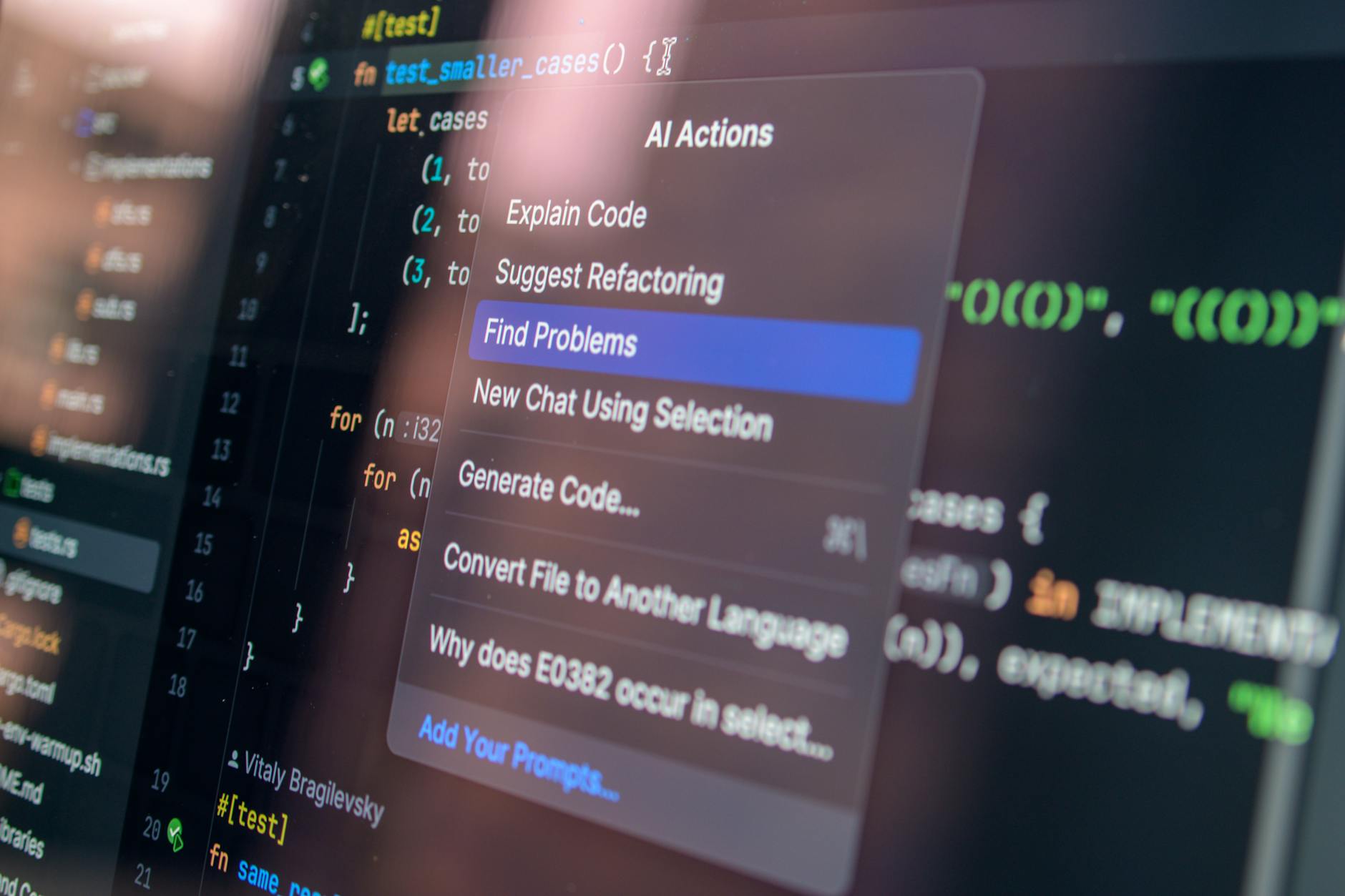
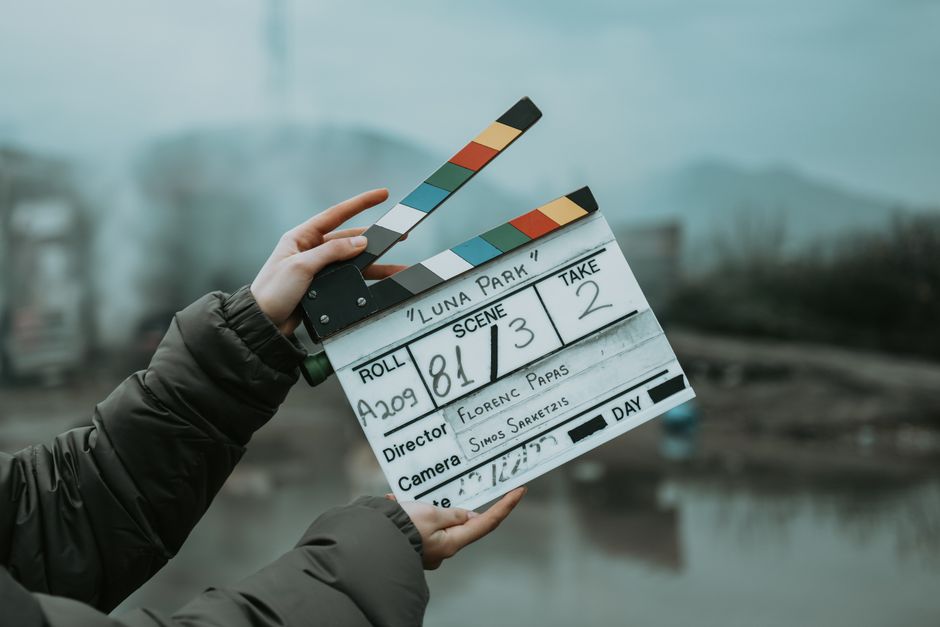
Entwerfen Sie einen fokussierten Prompt von 60–90 Sekunden, der Stimme, Modus und Hintergrund definiert, bevor Sie irgendeinen Frame generieren. Dieser erste Schritt hält die Ausgaben mit Ihren übereinstimmend, reduziert Verschwendung und beschleunigt Ihren Workflow.
Mit Ihrem Prompt in der Hand, passen Sie ihn an Zielgruppen und Ziele der Schöpfer an, um natürliche Dialoge und kinematische visuelle Elemente zu ermöglichen, die flexiblere Tempobestimmung erlauben. Geben Sie Stilreferenzen, Farbanweisungen und Tempo an und definieren Sie die Länge jeder Szene, damit Editoren wissen, wann sie schneiden oder verlängern sollen. Dieser Ansatz steigert die Beteiligung und macht die Zusammenarbeit reibungsloser.
Für Lip-Sync und Stimme beschreiben Sie den genauen Stimmton und das Timing. Wenn Sie Klonen für synthetische Stimmen verwenden, sichern Sie Einwilligungen und Lizenzen. Verwenden Sie Transform, um das Tempo anzupassen, während Sie die Glaubwürdigkeit erhalten, und halten Sie die Zeitleiste eng, um die Länge zu managen.
Wählen Sie einen Hintergrund, der die Handlung unterstützt, ohne die Aufmerksamkeit abzulenken. Eine natürliche Beleuchtung und eine kinematische Rahmung helfen dem Zuschauer, immersiv zu bleiben. Wechseln Sie zwischen Weitwinkelaufnahmen und Nahaufnahmen, um den realen Produktionsmodus nachzuahmen, was reibungslosere Iterationen in Ihrem Workflow ermöglicht.
Praktische Schritte für einen wiederholbaren Prozess: Speichern Sie Prompts als Textblöcke, sperren Sie einen Basis-Ton und bauen Sie eine Pipeline auf: Prompt → Rendering → Überprüfung → Iteration. Verfolgen Sie Leistungsindikatoren wie die Abschlussrate der Zielgruppen, um Prompts zu kalibrieren. Verwenden Sie kürzere Prompts für Social-Cuts und längere Prompts für tiefere Erzählsegmente, um Ihren Inhalt effizient zu halten.
Fragen Sie sich was ist Ihr erster Prompt zum Testen heute? Beginnen Sie mit einem 15–20 Sekunden Clip, bestätigen Sie die Lip-Sync-Ausrichtung, überprüfen Sie die Stimmkonsistenz und iterieren Sie schnell. Verwenden Sie einen einzelnen, klaren Hintergrund, um Renderings zu beschleunigen und die Länge vorhersehbar zu halten. Teilen Sie Ergebnisse mit Ihren Zielgruppen, um Feedback zu sammeln und den nächsten Prompt zu informieren.
Vom Prompt zum Pixel: End-to-End-KI-Videoerstellungs-Workflow
Planen Sie ein straffes Storyboard und schreiben Sie echte Skripte, bevor irgendein Prompt generiert wird. Definieren Sie Ihr Thema, Ton und Emotion frühzeitig, dann ordnen Sie Szenen pixelbereiten Prompts für den generativen Motor zu.
In einem Studio-Setup sperren Sie eine konsistente visuelle Sprache: eine leuchtende Farbpalette, lesbare Typografie und gleichmäßige Beleuchtung über Clips hinweg, um Nachbearbeitungen zu reduzieren.
Verwandeln Sie Ihr Briefing in Prompts mit klarer Art und Modifikatoren: Stil, Kamerawinkel, Bewegungs速igkeit und Szenenlänge. Dann verwenden Sie ein Tool, um Frames zu generieren, und halten Sie den Prozess einfach und wiederholbar.
Balancieren Sie Stock-Footage mit generativen visuellen Elementen, um Preis und Geschwindigkeit zu kontrollieren. Stock-Clips decken Basis-Realismus ab, während generative Sequenzen maßgeschneiderte Frames hinzufügen, die zur Emotion des Themas passen.
Planen Sie mehrere Varianten für jede Szene und organisieren Sie sie in einem Projektbaum. Dies erleichtert personalisierte Videos für verschiedene Zielgruppen, ohne Arbeit zu duplizieren.
Qualitätsprüfungen: Vergleichen Sie Renderings bei 1080p und 4K, inspizieren Sie Farb- und Beleuchtungskonsistenz, Bewegungs-Tempo und Audio-Ausrichtung. Stellen Sie sicher, dass Szenen konsistent bleiben, und verwenden Sie eine einfache Rubrik, um Rauschen zu schneiden, während Sie echte Erzählung erhalten.
Entwicklungszyklen sollten kurz sein: Iterieren Sie Prompts, regenerieren Sie Szenen und speichern Sie Ergebnisse mit Metadaten. Eine schnelle Feedback-Schleife hält den Plan mit dem Briefing übereinstimmend und reduziert Nacharbeit.
Tool-Auswahl muss mit Preiszielen übereinstimmen: Vergleichen Sie Lizenzierung, Batch-Rendering und Batch-Exports. Bevorzugen Sie einen Workflow, der einfache Experimente, mehrere Ausgaben und skalierbare Generierung unterstützt, die es Ihnen ermöglicht, Ausgaben im Maßstab zu generieren, ohne das Budget zu sprengen.
Liefern und analysieren: Exportieren Sie mehrere Formate für Social, Lernen oder Marketing-Themen. Verfolgen Sie Plan, Preiseinfluss und Zuschauerreaktion, um zukünftige Zyklen zu verfeinern.
Entwerfen exakter Prompts für visuelle Konsistenz
Beginnen Sie Prompts mit einem präzisen visuellen Anker: Geben Sie Beleuchtung (weich, leuchtend), Kamerawinkel (Augenhöhe oder niedrig), Farbpalette, Hintergrundtextur und Garderobe an. Sperren Sie dies über die Produktion hinweg, um die Qualität stabil zu halten, während Sie Videos mit lebensechten Avataren und realen Texturen skalieren.
Definieren Sie das Subjekt konsistent, indem Sie einen einzelnen Modelltyp oder Avatar-Basis für alle Frames verwenden, dann variieren Sie Aktionen oder Outfits, während Sie Formen, Hauttons und Gesichtszüge stabil halten. Fügen Sie explizite Notizen für richtige Merkmale und Proportionen hinzu, um Drift über Szenen hinweg zu verhindern.
Verwenden Sie ein einfaches, wiederholbares Prompt-Skelett: [Szenenbeschreiber], [Subjekt/Avatare], [Umgebung], [Beleuchtung], [Kamera], [Stimmung], [Aktion]. Dann ändern Sie nur die Variablen, die Bewegung erzeugen, während Sie die Anker im Rest fixieren. Dies hält visuelle Elemente kohärent über Abschnitte hinweg.
Qualitätskontrolle: Rendern Sie kurze Clips, um visuelle Elemente zu vergleichen; richten Sie Assets mit einem gemeinsamen Farbgrading aus; verfolgen Sie die Quelle (Quelle) und Referenzaufnahmen; dieselben Prompts führen zu konsistenter Ausgabe, auch wenn Vorlagen geändert werden.
Wenn Sie schnelle Iterationen benötigen, wenden Sie diese Anker und Prompts zuerst an; dann passen Sie nur nicht-Anker-Elemente an, um die Geschwindigkeit hoch zu halten.
Stock-Assets: Beim Referenzieren von Stock-Assets, markieren Sie sie klar als Stock und richten Sie sie mit visuellen Elementen basierend auf dem Basis-Look aus; dies hilft dem Modell, lebensecht zu bleiben, während es im Produktionsbudget bleibt. Für generierte Ausgaben passen Sie Prompts entlang einer einzigen Achse an: Beleuchtung, Farbgrading oder Kamerawinkel, dann ändern Sie die anderen Elemente nur sparsam, um den Kern-Look zu erhalten.
Beteiligungsgetriebene Anpassungen: Verfolgen Sie Klicks und Social-Signale, um Verfeinerungen zu leiten; halten Sie den Kern-Look intakt, während Sie mit subtilen Verschiebungen in Schatten oder Glühen experimentieren, um den Impact über Zielgruppen hinweg zu erhalten.
| Komponente | Prompt-Beispiel | Impact |
|---|---|---|
| Beleuchtung | weiches, leuchtendes Hauptlicht; warmes neutrales Fülllicht | definiert Stimmung und Lesbarkeit |
| Subjekt/Avatare | Basis-Avatar: 28–35 J., mittlerer Körperbau, einfache Garderobe | stellt lebensechte Konsistenz sicher |
| Kamera und Objektiv | Augenhöhe, 50mm-Objektiv | stabile Rahmung über Aufnahmen hinweg |
| Umgebung | neutraler Studio-Hintergrund; minimaler Gradient | reduziert Rauschen und Ablenkungen |
| Palette und Textur | entfarbte Mitteltöne mit leuchtenden Highlights | konsistente Farbsprache |
Auswählen von KI-Video-Plattformen und Modellen basierend auf Ausgabebedürfnissen
Invideo bietet schnelle, maßgeschneiderte visuelle Elemente aus Prompts mit integrierten Avataren und einem einfachen, klickbasierten Workflow, der auf Vorlagen basiert. Für anspruchsvollere Produktionen wählen Sie Software mit fortschrittlichen Tools, großen Auflösungen und flexiblen Bearbeitungspipelines, um ein studioähnliches visuelles Identität ohne ein volles Team zu erreichen.
Beginnen Sie mit dem Umreißen dieser Parameter: Dauer, vertikales versus horizontales Seitenverhältnis, Avatar-Anforderung und Markenfarbkonsistenz. Dann wählen Sie Plattformen und Modelle, die diese Bedürfnisse unterstützen und einen reibungslosen Pfad von Prompts zu generierten Clips und Bearbeitungen bieten.
- Treue und Ausgabespezifikationen: Zielen Sie auf große Auflösungen (1080p, 4K) und 24–60fps-Optionen ab; überprüfen Sie Seitenverhältnisse für Social-Feeds und Motion-Graphics-Kompatibilität; stellen Sie robustes Farbmanagement und Exportformate sicher.
- Modelloptionen und Modi: Bewerten Sie Text-zu-Video, Bild-zu-Video und Avatar-geleitete Szenen; wählen Sie Modi wie prompt-geleitet, vorlagenbasiert oder prozedurales Rendering, um zu Ihrem Workflow zu passen.
- Prompt-Strategie und Referenzprompts: Entwickeln Sie einen klaren Satz von Prompts, die Szene, Beleuchtung und Kamerabewegung beschreiben; halten Sie Referenzprompts griffbereit, um Konsistenz über jedes Video hinweg zu erhalten.
- Avatar-Management: Verwenden Sie eine Avatar-Bibliothek und Anpassungstools, um Charaktere mit Ihrer Marke abzustimmen; stellen Sie einfache Bearbeitungen und Updates von Avatar-Aussehen und Outfits über einen Produktionszyklus sicher.
- Bearbeitung und Pipeline: Priorisieren Sie nicht-destruktive Bearbeitungen, skalierbare Vorlagen und reibungslose Übergaben zwischen Prompts, generierten Clips und finalen Bearbeitungen; suchen Sie nach parallelen Zeitleisten und Batch-Export-Fähigkeiten, um die Entwicklung zu beschleunigen.
- Workflow-Integration: Stellen Sie sicher, dass die Plattform Ihr bevorzugtes Software-Ökosystem unterstützt, zuverlässigen Projekt-Import/Export bietet und Assets für laufende Entwicklung und Wiederverwendung organisiert hält.
- Verteilung und Kontrollen: Überprüfen Sie Veröffentlichungsvoreinstellungen für Social-Feeds, Untertitelung und Barrierefreiheit; verifizieren Sie Berechtigungen, Lizenzierung und Wasserzeichen-Handhabung, um maßgeschneiderte Arbeit zu schützen, während sie über Ihre Kanäle läuft.
Integrieren von Stil, Ton und Bewegung mit Textprompts
Beginnen Sie mit einem einzelnen, klaren Anker für Stil und Bewegung: Sperren Sie den Look, bevor Sie Bewegungsanweisungen hinzufügen. Verwenden Sie einen knappen Prompt, der den Stiltyp, Ton und den Eröffnungsschuss spezifiziert, dann schichten Sie Bewegung und Bearbeitungen in einem zweiten Durchgang ein. Zum Beispiel: Prompt-Beispiel: leuchtender, hochwertiger Avatar im kinematischen Stil mit einem warmen, hoffnungsvollen Ton, schnellen Kamerabewegungen und sanfter Bearbeitung. Dieser Ansatz funktioniert für Schöpfer, die wiederholbare Ergebnisse und einen Hauch von Magie in jeder Szene suchen.
Stil und Typ bestimmen die visuellen Elemente. Spezifizieren Sie den Typ des Stils und verknüpfen Sie ihn mit einem Form-Hinweis: abgerundeter Avatar, malerische Textur und Beleuchtung. Verwenden Sie eine Referenz-Palette und, wenn Ihr Team mehrere Sprachen verwendet, stimmen Sie Begriffe ab, um Drift zu vermeiden. Ein praktischer Prompt könnte lauten: 'Typ: kinematisch; Form: abgerundeter Avatar; Textur: weiches Korn; Farbsprache: teal und amber; Beleuchtung: Studio-Schlüssel mit sanftem Spill.' Solche Prompts helfen, eine einheitliche Richtung über Szenen hinweg zu halten.
Ton und Stimmung: Halten Sie die Atmosphäre konsistent, indem Sie die Stimmung und den Lieferstil benennen. Interessante Prompts harmonisieren Ton mit Tempo: 'Ton: intim und selbstbewusst; Narration: knapp; Tempo: gleichmäßig.' Setzen Sie einfach einen stabilen Modus über Szenen hinweg, um Ihren Schöpfern Leichtigkeit und Genauigkeit zu erleichtern.
Bewegung und Kamera: Definieren Sie Bewegungsanweisungen mit einem spezifischen Modus der Bewegung und Geschwindigkeit. Beispiel: 'Modus: Schwenk rechts für 2 Sekunden, Neigung hoch für 1,5 Sekunden, Orbit um den Avatar; Geschwindigkeit: 1,2x; Übergänge: Auflösen zu leichtem Blur.'
Bearbeitung und Transformation: Planen Sie Mehrdurchgangs-Bearbeitung, sodass jeder Durchgang auf dem vorherigen aufbaut. Stellen Sie 'Bearbeitungen' und transformieren Sie die Szene, während Sie voranschreiten. Für Medien, die einen Avatar oder Charaktere generieren, ergeben diese Schritte hochwertige Ergebnisse, die einen kohärenten Look über Aufnahmen hinweg erstellen.
Qualität, Genauigkeit und Barrierefreiheit: Testen Sie Prompts über Sprachen und Geräte hinweg, verifizieren Sie Referenz-Treue und stellen Sie sicher, dass der Avatar seine Form und Beleuchtung beibehält. Für schnelle Iterationen zielen Sie auf 1080p bei 24–30fps für ein klassisches Filmgefühl oder 4K bei 60fps für dynamische Action ab. Dieser Ansatz verbessert Arbeiten über Plattformen hinweg und hilft Schöpfern, hochwertige Medien zu liefern, die generiert mit Präzision wirken.
Qualitätskontrolle: Bewerten von Auflösung, Artefakten und Audio-Sync
Setzen Sie eine einzelne Zielauflösung und Framerate für das Projekt und sperren Sie sie über alle Formate hinweg. Für Erklärvideos beginnen Sie mit 1080p bei 30fps; upgraden Sie auf 60fps oder 4K nur für markenbezogene Ausgaben, bei denen Pixelklarheit zählt. Diese Basis hält die Generierung sauber, unterstützt Compliance und vereinfacht Bearbeitungen, Klon-Workflows und personalisierte Medienausgaben.
Führen Sie eine schnelle, einstufige Überprüfung durch, indem Sie einen kurzen 5–10 Sekunden Clip bei der Zielauflösung rendern und in MP4 mit einer Standard-Bitrate exportieren (1080p: 8–12 Mbps; 4K: 35–45 Mbps). Überprüfen Sie auf einem hochauflösenden Monitor und einem Mobilgerät, um zu verifizieren, dass der Look scharf bleibt, Text lesbar ist und Farbe über Themen und Szenen stabil bleibt.
Achten Sie auf Artefakte, die den Look brechen: Blockigkeit in flachen Bereichen, Gradientenbanding in Himmeln und Ringing um hochkontrastige Kanten. Wenn diese auftreten, erhöhen Sie die Bitrate um 20–40 %, wechseln Sie zu zweistufiger Kodierung und aktivieren Sie Deblocking bei unterstützten Formaten. Validieren Sie sowohl Stillframes als auch Bewegungssegmente und überprüfen Sie Formate wie MP4, MOV und Plattformvoreinstellungen, um konsistente Qualität über Ausgaben hinweg zu gewährleisten.
Testen Sie Audio-Sync, indem Sie Dialog-Wellenform-Timing mit Lippenbewegungen über drei Geräte vergleichen: Telefon, Laptop und externer Lautsprecher. Zielen Sie auf Drift unter 20 ms ab; wenn Drift dies überschreitet, wenden Sie einen kleinen linearen Offset in der Bearbeitung an oder kodieren Sie neu mit engeren Sync-Kontrollen. Stellen Sie sicher, dass das Projekt eine konsistente Samplerate (44,1 oder 48 kHz) verwendet und den Kanalaufbau (Stereo oder 5.1) über alle Medienausgaben hinweg ausrichtet.
Adoptieren Sie eine knappe QC-Schleife für jedes Thema: Sperren Sie Spezifikationen, rendern Sie einen einstufigen hochwertigen Export, führen Sie eine Artefakt-Überprüfung durch, verifizieren Sie Audio-Sync und genehmigen Sie mit Bearbeitungen, falls nötig. Halten Sie eine Compliance-Checkliste, benennen Sie Dateien klar und versionieren Sie Assets, um den Look über Formate und Modi hinweg konsistent zu halten, einschließlich Erklärvideos und markenbezogener Videos für verschiedene Zielgruppen.
Wenn Stimmklonen oder mehrere Modelle in einem einzelnen Thema auftreten, testen Sie Bearbeitungen sorgfältig, um natürliches Timing und Ausrichtung mit visuellen Elementen zu erhalten. Bestätigen Sie Lizenzierung und Einwilligung, validieren Sie den markenbezogenen Look und führen Sie die QC-Schritte erneut durch, um Qualität und Impact vor der Veröffentlichung in jedem Kanal oder Medium zu bestätigen.
Ethische und rechtliche Überlegungen: Urheberrecht, Zuschreibung und Sicherheit
Überprüfen Sie immer Lizenzen für Stock-Assets und jedes Element, das die Ausgaben formt, vor Produktion und Veröffentlichung. Halten Sie ein klares Lizenzprotokoll für Stock-Videos, Musik, Schriften und modellgesteuerte Elemente, um Rechte für die Nutzung über mehrere Videos und Untertitel zu beweisen, und stellen Sie sicher, dass Sie jedes Asset entlang der Produktionskette rechtfertigen können.
Eigentum und Zuschreibung sind wichtig. Die finalen Videos, Skripte und abgeleiteten Werke gehören Ihnen oder Ihrer Organisation, wenn Rechte gesichert sind. Überprüfen Sie Bedingungen für Tools, Editoren und Hersteller, auf die Sie angewiesen sind, und bieten Sie einen knappen Zuschreibungsblock, der zu den Lizenzen jedes Assets passt, einschließlich wo es in den Bearbeitungen erscheint.
Sicherheit und Authentizität schützen Zielgruppen. Markieren Sie KI-generierte Abschnitte, insbesondere Avatare oder synthetische Stimmen, und erhalten Sie Einwilligung für Ähnlichkeiten, die reale Personen ähneln. Fügen Sie bei Bedarf einen Haftungsausschluss am Anfang hinzu und wenden Sie Schutzeinrichtungen an, um täuschende oder schädliche Nutzungen zu verhindern. Teilen Sie einfach mit, wie Ausgaben produziert wurden, um Vertrauen zu wahren.
Betriebliche Anleitung für Konsistenz und Klarheit. Stimmen Sie Ton mit dem Thema ab, formen Sie Ausgaben, um authentische Emotion zu vermitteln, und stellen Sie die gleiche Qualität über Ausgaben zwischen Videos hinweg sicher. Verwenden Sie Untertitel, um genaue Skripte widerzuspiegeln und ein konsistentes, interessantes Erlebnis für Zuschauer zu erhalten. Managen Sie die Rolle des Editors und die Eingaben des Herstellers entlang des Produktionspfads, um Drift zwischen Elementen zu vermeiden.
Praktische Schritte, die Sie jetzt umsetzen können:
- Prüfen Sie Lizenzierung für Stock-Footage, Musik, Schriften und alle Drittanbieter-Assets; bestätigen Sie geografische und kommerzielle Rechte und notieren Sie Ablaufdaten. Stellen Sie sicher, dass Rechte alle Werke über mehrere Märkte hinweg abdecken.
- Klären Sie Eigentum und Zuschreibung für Ausgaben, Skripte, Avatare und alle Tools; dokumentieren Sie Bedingungen in einem einfachen Rechteblatt für das Produktionsteam und stellen Sie die Übereinstimmung zwischen Asset-Lizenzen und finalen Ausgaben sicher.
- Setzen Sie Sicherheitskontrollen um: Wasserzeichen oder klar markieren synthetischer Abschnitte, wenn nötig; verifizieren Sie Einwilligung für Avatar-Ähnlichkeit; vermeiden Sie Nachahmung oder täuschende Ansprüche; halten Sie interessante Randfälle für Compliance dokumentiert.
- Halten Sie ein konsistentes Repository: Speichern Sie Prompts, Tool-Versionen und Einstellungen für jedes Projekt; bauen Sie eine Referenz von Skripten und Bearbeitungen auf, um zukünftige Produktionen zu erleichtern und einfache Wiederverwendung nach der Produktion zu ermöglichen.
- Planen Sie personalisierte Videos sorgfältig: Wenn Sie personalisierte Videos für einen Kunden erstellen, stellen Sie sicher, dass Lizenzen individualisierte Ausgaben über Kampagnen hinweg abdecken und vermeiden Sie die Wiederverwendung eingeschränkter Werke; dokumentieren Sie, wie Assets an verschiedene Zuschauer angepasst werden, ohne Lizenzen zu verletzen.
- Etablieren Sie einen klaren Prozess für Untertitel und Barrierefreiheit: Stellen Sie sicher, dass Untertitel mit Skripten ausgerichtet sind und Ton und Emotion genau widerspiegeln; bieten Sie Sprachoptionen, wo möglich, um die Barrierefreiheit zu erhöhen.
📚 Mehr zu KI-Generierung & Prompts
- KI-Bildgenerator - Erstellen Sie atemberaubende KI-generierte Bilder in Minuten - Der ultimative Leitfaden
- KI-Videos mit Google Veo3-Technologie - Der ultimative Veo3-Generator
- So erstellen Sie Veo3-ähnliche KI-Videos kostenlos - Top kostenlose Tools und Tipps
- ChatGPT verwendet Google-Suche als Fallback - Was das für KI-Tools bedeutet
- 15 ChatGPT-Alternativen für 2026, die ich getestet habe - Die besten KI-Chatbots im Vergleich
Kurze Anfrage senden
Website, Ziele, Zielgruppe und Budget für ein Angebot beschreiben.