B2B Lead Generation Mastery - A Comprehensive Guide to Digital Ads, Email, Webinars, Trade Shows &

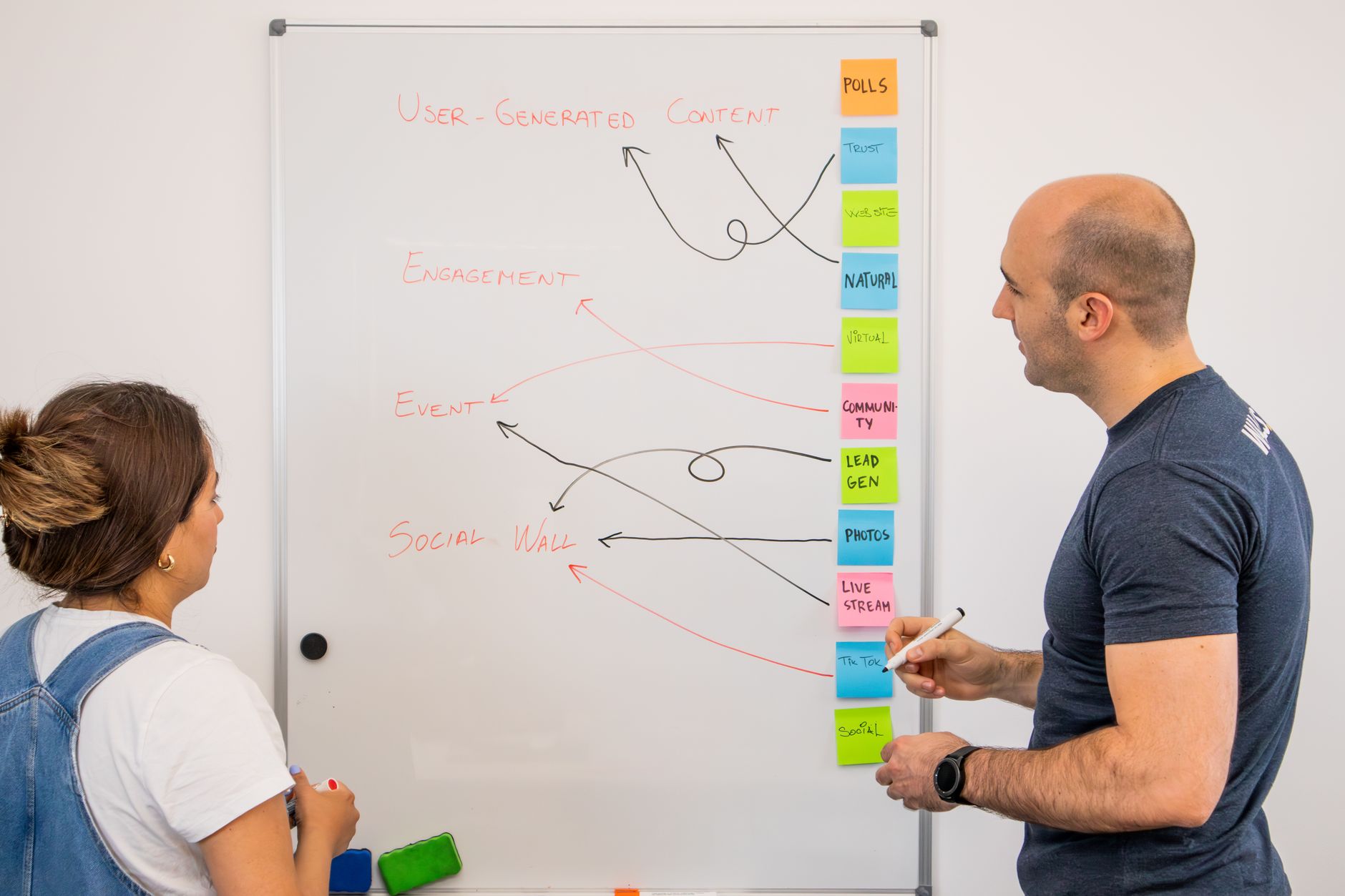
Focus on a tight ICP and a 90‑day integrated pilot. Define your ideal customer profile, map the buyer stages, and align ads, email, webinars, and trade shows around them. Use heyflow forms to collect signals and consent, and create a simple lead score that blends firmographic and engagement data. This builds authority and sets the foundation for broader efforts across channels.
Adopt a disciplined media mix and set concrete targets: 45–55% to paid digital ads, 25–35% to email nurture, 10–15% to webinars, and 5–10% to live events. This allocation enables quick wins and proves value with proof points you can evaluate. Reach out to various audiences with tips that engage and collect signals; additionally, use multiple formats to engage, including text, video, and short polls. Always test 2–4 variants per channel to improve results and learn from other teams' efforts.
Webinars offer deep engagement: aim for 30–60 minute sessions, with 40–60% attendance, and a 20–40% attendee-to-MQL rate for mid-market segments. Pre‑show data capture via heyflow and landing pages increases collect rates. For trade shows, pre‑book 6–8 meetings per rep and follow up within 48 hours; combine with targeted email to lift lead-to-opportunity rates by 15–25%. This gives proof that a broader mix significantly expands pipeline beyond any single channel.
Evaluate your results weekly and adjust messaging, offers, and cadence across media channels. Build authority with case studies and industry benchmarks, and explore various angles to cater to different buyer personas. Collect feedback from sales and marketing to refine your efforts and proof of value. This approach uses quick iterations, additional data points, and broader attribution to prove ROI to leadership and customers alike.
B2B Lead Generation Mastery: A Comprehensive Guide to Digital Ads, Email, Webinars, Trade Shows & AI and Automation to nurture leads
Start with a main, multi-threaded nurture workflow that uses AI-driven scoring to pre-qualify leads and then delivers personalized emails, calls, and retargeted ads to interested buyer.
Link traffic, ads, and website content through a single system that tracks touchpoints in real time. Use google signals and keyword data to optimize placements and ensure each interaction addresses their needs, turning some casual visits into qualified attention.
Four-stage pre-qualification keeps data clean: signal capture (form fills, content downloads), engagement score, authority and budget checks, and timing readiness.
Levers: four core levers drive momentum: paid ads and organic traffic, email automation, webinars, and trade shows. AI and automation continuously adjust sequences to match buyer intent.
Trade shows and webinars capture high-potential leads; participating companies scan QR codes, fill fast forms, and land in aligned nurture tracks.
Analytics: traffic quality, form submissions, calls scheduled, and pipeline value; use a professional scoring model that assigns points for interest signals and potential buyer fit.
Sales role: define what a salesperson addresses at each stage; the system routes leads to the right person, ensuring professional, timely calls.
Keyword strategy and placement: select keyword groups by persona, test ads on google and social networks, then refine creative weekly; placing ads on high-intent terms and placements aligns with their buying process.
Today action plan: implement a main, multi-threaded nurture flow, integrate with CRM, set up AI-driven emails and calls, and monitor several KPI such as cost per lead and time to first call to optimize ROI, yielding notable improvements.
Targeted Tactics for B2B Lead Capture Across Digital Ads, Email, Webinars, Trade Shows, and AI-driven Nurturing
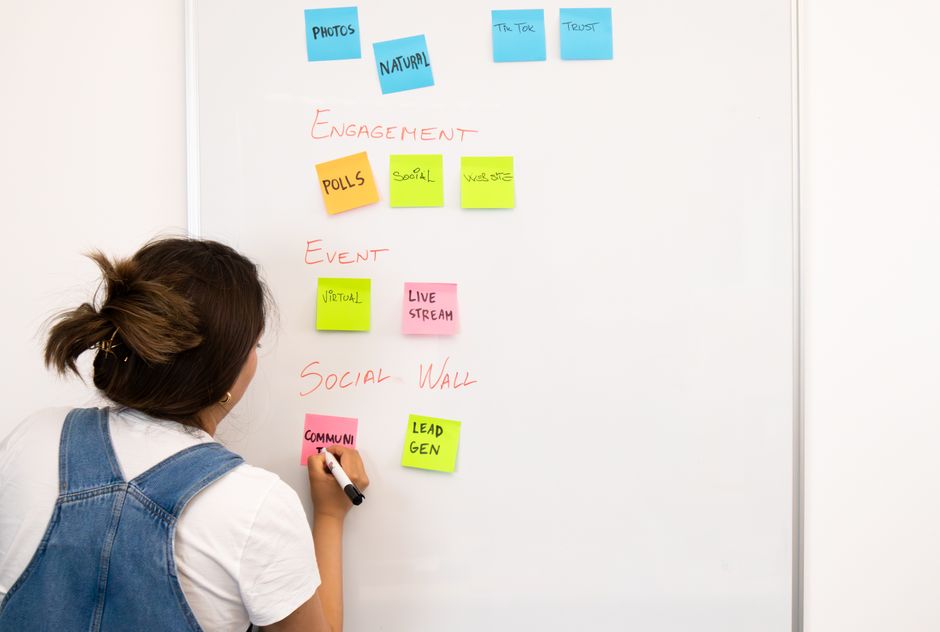
Launch a unified lead capture flow across digital ads, email, webinars, and trade shows, with retargeting and exclusive messaging to engaged prospects. This approach aligns teams along a single, value-driven narrative that actually resonates with todays buyers. Track the total impact across channels to identify what works and adjust in real time.
Digital ads get the fastest lift when you identify buying interests early. Set up retargeting segments by role and intent, and craft copy that speaks to a specific stage in the buying game. Include a strong, exclusive offer or ROI calculator to move the person from awareness to action. Use first-party data for identifying audiences along with lookalikes, and cap frequency to keep costs predictable. todays buyers expect relevance, so ensure every creative ties back to your product value and a clear next step. Aim for a 2–5% CTR on retargeting and a 25–40% open rate for high-signal emails to validate early momentum.
Emails should drive specificity: use personalized subject lines and messaging that align with identified interests. Create a multi-touch cadence that moves from awareness to consideration, with exclusive offers and tailored offerings. Each message ends with a lightweight lead capture path and a clear next-step, such as a demo or ROI discussion. Use AI-powered testing to optimize copy and timing across teams.
Webinars become lead magnets when you gate the best insights and deliver a concise recap that includes a next-step offer. Capture registrant data and activity, then nurture with an insightful sequence that matches each attendee’s interests. After the session, route high-intent attendees to a tailored demo or case study. AI-driven scoring keeps the pipeline moving by indicating level of engagement and prioritizing follow-ups for high-potential accounts. And aim for 30–50% attendance and 60–70% view-through of recaps for maximum impact.
Trade shows demand a fast, on-site follow-up. Use badge scanning or QR codes to capture contact data and feed it into your nurturing system. Build a concise booth copy and an exclusive on-site offer that mirrors your digital messaging. After the event, send a personalized message that identifies interests and presents a next-step option–demo, meeting, or ROI conversation. Compare booth performance across teams to identify what works best and share insights with the community.
AI-driven nurturing blends signals from every channel to accelerate momentum. Score each person, prioritize high-value accounts, and adjust messaging to the buying level. Use retargeting and cross-channel touchpoints to keep the product top of mind, with copy that speaks to value and outcomes. The approach reduces manual work while increasing engaged time and driving a stronger total pipeline. This must yield saving time for teams while boosting overall engagement and value generation.
Define ICP, Firmographics, and Segmentation for B2B Ad Targeting
Define your ideal customer profile and lock in three to five firmographic traits that signal a perfect fit. Tailoring your messaging to this profile drives higher smartlead quality and increases response rates across campaigns.
Define ICP as the intersection of problem-solution fit and buying authority. Map firmographics such as industry, company size, revenue, location, and growth stage, plus technographics like systems used and API readiness. Use these data points to craft a title that resonates with stakeholders, and ensure you capture accurate attributes in your CRM at first touch.
Segment by buyer roles, pain points, and engagement history. Create three segmented pools per ICP: core accounts, target accounts, and a nurture pool. Align offerings and messaging to each segment; tailor posts and ads to reflect the decision makers and influencers you must persuade; ensure each segment sees a relevant offer. The result is a greater chance of moving buyers through the funnel while better capturing contacts and leads.
Implementation steps: collect baseline data from current customers and public sources; build segments; map ads, landing pages, and forms to each segment; set KPI targets (lead quality score, CQL, SQL); run 2-3 tests, iterate, and scale. Use a cost-effective approach that uses a limited but accurate resource pool, avoiding broad spray that wastes budget. This isnt about guesswork; use data to allow faster, smarter decisions and implement changes quickly.
Measuring success: track lead quality, conversion rate from contact to opportunity, and pipeline velocity. Use consistent dashboards and title alignment to reflect ICP fit. Increasingly, teams rely on automated scoring to keep pace. Remember to capture feedback from buyers and stakeholders to refine offerings and improve contact quality over time. Consistently revisit segmentation as you gain new data and adjust campaigns to stay aligned with your ideal buyers. This framework helps you handle objections with relevant proof points.
Allocate Budget and Channel Mix Across the Funnel (Search, Social, Programmatic, LinkedIn)
Begin with a concrete recommendation: paid media should follow a 50/25/15/10 split across Search, LinkedIn, Programmatic, and Social. This match prioritizes high-intent traffic on Search and LinkedIn, while Programmatic and Social continually expand audiences and reinforce the product offer with display and native formats. Track costs and closer conversions weekly, then reallocate based on real progress. Use available benchmarks from egberts and marins to set initial targets and then adjust by real results.
Align five core audience segments to this mix: IT leaders, procurement, operations, finance, and executives. Build these audiences with first-party signals, firmographic data, and intent hints from Search and LinkedIn. Match creative to each segment, including pain points and value propositions. Customize landing pages to reflect the audience, so the path to appointment is as short as possible. This alignment reduces waste and increases the closer rate across channels.
Search strategy: allocate 50% of paid budget here; optimize for high-intent keywords and exact-match terms that reflect the product and its use cases. Use strong offers and clear calls to action, like a tailored demo or a calendar appointment form. Constantly review keyword margins, adjust bids to stay within costs targets, and test ad copy variants to improve click-through and relevance.
LinkedIn strategy: allocate 25%; use Matched Audiences to reach target accounts and job functions. Use Sponsored Content and Lead Gen Forms to capture appointments; tailor offers to role pain points. Run multi-ad creative to test value propositions; ensure forms are short and ready to complete. Ensure the flow from click to appointment is fast and smooth.
Programmatic strategy: allocate 15%; run display and native placements across relevant forums and industry sites to maintain authority and reach. Use frequency caps and creative variants to match the funnel stage; tailor the message to product relevance and the offer; optimize toward viewed content and time-on-site. Measure view-through and click conversions to gauge progress and adjust budgets. It is very effective at scale and helps keep exposure relevant throughout campaigns.
Social strategy: allocate 10%; test broad awareness creative and retarget to visitors who showed intent. Build five creative variants for A/B testing and refine which messages drive better clicks and form submissions. Use audience match to re-engage engaged users and push to appointments. This channel keeps a steady rhythm of progress and ensures much learning along the way.
Measurement and processes: set up a shared dashboard that tracks costs, impressions, clicks, and closer conversions across channels. Continually compare ROAS and progress toward targets; adjust budgets monthly based on real data. Consider much data to inform decisions and keep crucial alignment across sales and marketing. Keep the process simple: one owner, weekly checks, and a quarterly plan to align with sales. Ensure ready assets and offers across channels and keep the content relevant to audiences.
Community and authority: participate in forums to deepen trust and show product authority; share practical insights, case studies, and benchmarks. Use these signals to improve relevance across campaigns and support offer value. The result is a better match between audiences, offers, and the sales process, leading to more appointments and closer outcomes.
Craft Email Nurture Flows and Lead Scoring Criteria for Qualification
Launch a three-step email nurture flow that moves new subscribers from awareness to consideration to decision, anchored by high-value offers in the first message to entice engagement and set expectations. Map each step to a concrete action: confirm interest, deliver relevant content, and invite a conversation.
Build a lead scoring model with three pillars: fit, engagement, and intent. Based on firmographics (industry, company size, revenue band) and role, assign fit points; capture engagement measures such as opens, clicks, and time on site; identify intent signals like webinar registrations, content downloads, and product page visits. Use a practical weighting example: 20–30 points for fit, 2–5 for open, 5–12 for click, 15 for webinar, 20 for demo. Set a qualification threshold (40–60 points) for MQLs, and apply time decay so older interactions lose value unless followed by new activity. This approach keeps scores fresh and actionable as a data-driven strategy.
Map content by interests and buyer journey. Identify three key interests for each segment and tailor nurture to resonate with those interests. Use a simple approach: three waves–educate, compare, and decide–each with a targeted offer and a clear CTA. Maintain consistency in tone across emails to build recognition and trust, so responses become more frequent over time.
Experiment with subject lines, send times, and formats (text, short video, case study) to increase interactions. Run controlled tests and measure impact on open rate, click-through rate, and conversion to SQL. When a variant increases interactions by 15–25%, roll it out to the rest of the flow. Track how nurturing moves leads to generate pipeline and customers–aim for measurable lifts in even the smallest segments.
Integrate nurture with websites and CRM to capture every interaction and align sales routing. Use scoring to identify when a contact becomes sales-qualified and route it to the appropriate owner. Align content offers with interests and use a consistent approach across touchpoints to maximize engagement over time.
Design Webinar Formats, Registration Flows, and Post-Event CTAs to Drive Nurture
Start with a three-format mix: a 60-minute live product walkthrough, a 30-minute customer-case session, and a 60-minute expert panel. Tailor messaging to buyer personas, and providing actionable takeaways in each format. use real-world results as examples to entice attention and capture intent. The formats move prospects among key stages, developing credibility and a ready path to the next step. Use following best practices to create the same experience across channels, evaluate results with clear criteria, and use a keyword-driven CTA that signals the next move. Tests help you refine pacing and close rates; use those insights to optimize every webinar. Teams can share best practices and replicate successful formats across products. Potential outcomes include more qualified MQLs and faster pipeline advancement.
Registration flows should be frictionless: start with a 2-field form (name and email) plus optional company size, offer social sign-in, and use progressive profiling to collect data gradually. Provide same form across channels for consistency. Run tests to compare two-field vs longer forms; implement lead scoring rules to prioritize those showing higher potential to move to sales. The goal is to minimize drop-off and to raise the probability of a scheduled follow-up. Align with teams across marketing and sales to ensure messaging is consistent and within criteria.
Post-event CTAs: within 15 minutes, send a recap email with replay link, top takeaways, and a CTA to schedule a discovery call. Within 24-48 hours, provide tailored assets (ROI calculator, case study) based on engagement to entice those with high potential. Move engaged prospects into a nurture system with 3-4 targeted touches that progress them to a follow-up meeting.
| Aspect | Best Practice | Metrics to Evaluate |
|---|---|---|
| Webinar Formats | 60-minute live product walkthrough; 30-minute customer case; 60-minute expert panel. Tailor messaging to personas; provide actionable takeaways; use an opening hook, core demo, Q&A, and a clear close. Use tests to refine prompts and timing; provide examples from credible customers. | attendee rate, average watch time, number of questions, CTA clicks, follow-up meetings, pipeline impact |
| Registration Flows | 2-field form (name, email) with optional company; social sign-in; progressive profiling; consistent copy across channels; tests compare forms; provide reassurance in copy. | registration rate, form completion rate, social sign-in rate, time to register |
| Post-Event CTAs | Recap email with replay, highlights, and a CTA to schedule a discovery call; provide tailored assets within 24 hours; nurture path through 3-4 touches; invite to next event. | open rate, click-through rate, subsequent meetings, MQLs, pipeline |
Pre-Event Qualification, Booth Playbooks, and Post-Event Nurturing for Trade Shows
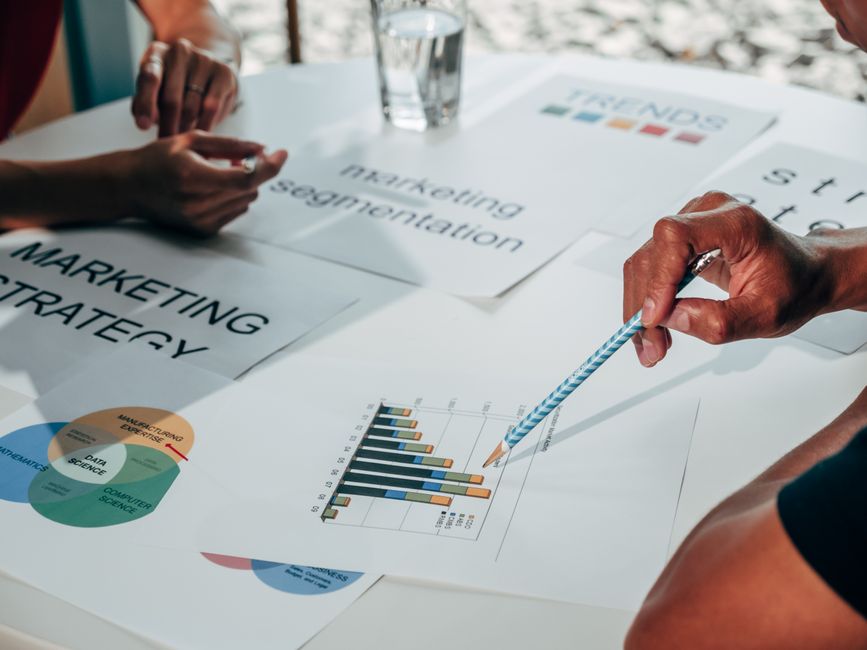
Start with a clear pre-event qualification rubric and route high-scoring contacts to the sales desk before the show opens to maximize booth time.
- Pre-Event Qualification
- Score system: use a 0-5 rubric for industry fit, role, intent, and potential value. A total of 12+ qualifies for fast-track calling.
- Data capture: map questions to CRM fields to ensure consistency across teams, and link to previous contacts for context.
- Pattern use: pull from previous leads and shows to identify hot topics; if a lead already engaged in blogs or content, treat as warmer and tailor the copy.
- Channel plan: craft mail with subject lines that address the attendee’s role and problem; follow with CTAs that move them to a quick next step; keep copy fresh.
- Metrics to watch: track opens, responses, and rate of qualification; aim to lift qualified contacts by 15-25% per event.
- Preparation: equip machines and humans with a prepared script, concise talking points, and a 90-second pitch so responding feels natural and smooth.
- Booth Playbooks
- Greeting and framing: a friendly opening that references a common pain point and a quick value hook; keep the subject of the conversation aligned with the attendee’s role.
- Discovery flow: a 4-question path to match needs with products, avoiding generic pitches and increasing engagement.
- Copy and CTAs: deliver crisp copy and CTAs like “see a quick demo,” or “get a tailored quote,” helping sells move forward; ensure the copy demonstrates expertise.
- Roles at the booth: assign a salesperson for demos, a specialist for technical questions, and a closer for scheduling follow-ups; this structure improves response times.
- Objection handling: reframe objections as data points and back answers with metrics or proof from previous customers; this builds trust quickly.
- Follow-up plan: collect contact details, secure consent for mail, and commit to a next step within 24 hours to keep momentum.
- Post-Event Nurturing
- Cadence: 0-2 days: thank-you mail with a subject line referencing the show; 2-5 days: personalized emails with fresh blogs and links to relevant resources; 7-14 days: targeted demos or calls based on interest signals.
- Content strategy: use blogs and product sheets to improve relevance; tailor content by industry and role to keep the match strong.
- Engagement signals: track opens, responding rates, and clicks; reweight colder contacts with a mix of mail and calling for higher chance of engagement.
- Multi-channel approach: combine mail with calling for high-potential contacts; use CTAs that guide to a next action and a calendar invite.
- Platform and trust building: reference real-case metrics and expert perspectives across platforms to grow trust and credibility.
- Measurement: monitor contacts, opens, and engagement rates; aim for a 20-30% lift in meetings booked from post-event nurture.
AI-Driven Scoring, Intent Signals, and Automation Pipelines for Lead Velocity
Begin with a real-time scoring model directly in your CRM and marketing automation. If youre working with a growth-driven team, this model blends engagement, intent, fit, and referrals into a single lead velocity score that helps you prioritize outreach and shorten cycles.
Key signals to track and quantify:
- Engagement signals: page views, time on site, content downloads, email clicks, event attendance, and stories read
- Intent signals: on-site search terms, pricing-page visits, content comparisons, requests for demos or RFPs; monitor google signals to capture rising interest across digital channels
- Fit signals: industry, company size, role, location, and buying authority
- Referral signals: referrals from brokers or channel partners and input from marins networks
- Lost vs engaged patterns: identify leads that stalled and those that progressed after nurturing
Automation pipelines to move quickly and stay precise:
- Routing rules: when lead score reaches high-value thresholds and buyer intent is clear, assign to the dedicated sales queue; if score is medium, enroll in a nurturing track; if low, place in a cadence for reach-out later
- Nurturing programs: deliver informative, focused content that addresses pain points; use stories and case studies aligned to each segment
- Alerts and actions: notify engaged reps within 15 minutes of a high signal; create tasks for reaching out with a tailored pitch
- Data access: surface the most relevant insights in dashboards and utilize a single source of truth across channels
Blueprint for implementation you can apply:
- Define score components: engagement, intent, fit, referrals; develop weights (for example 0.4, 0.35, 0.2, 0.05) and decide thresholds for MQL, SAL, and high-value buyer
- Build automation: connect your website, CRM, email, and events; use rules to move leads through nurture or direct sales
- Design nurturing tracks: concise emails, short videos, and quick-action content; tailor by buyer persona and channel
- Set review cadence: run weekly calibrations of scores and adjust weights based on pipeline velocity and lost opportunities
- Measure outcomes: track time-to-SQL, conversion rate from MQL to SQL, average deal size, and revenue share from high-value buyers
Practical tips to sustain momentum:
- Refresh signals regularly: update intent signals at least daily and prune stale leads
- Maintain data hygiene: deduplicate contacts, unify company records, and fix mismatches promptly
- Align teams: marketing and sales share MQL, SAL, and high-value buyer definitions; set response times and follow-up scripts
- Test and iterate: experiment with different weights and messaging; observe impact on lead velocity
- Focus on nurturing ideas: use customer stories to clarify value and set expectations for each buyer segment
- Re-engage lost leads: implement reactivation sequences to recapture interest and recover potential referrals
Among segments, brokers, buyers, and referrals demand different pacing and channels. By treating them with steady, informative touches, you improve your chance to convert while staying competitive in a crowded market.
Ready to leverage AI for your business?
Book a free strategy call — no strings attached.


