Σύγκριση 12 Εργαλείων Ανάλυσης Κινητών Εφαρμογών - Χαρακτηριστικά, Τιμολόγηση &


Επιλέξτε το FullStory ως το βασικό εργαλείο ανάλυσης για να συνδέσετε συμβάντα εντός εφαρμογής με αποτελέσματα εσόδων, βελτιώνοντας το ROAS και προβλέψεις churn σε όλες τις πλατφόρμες.
Για μια πρακτική σύγκριση, ευθυγραμμίστε χαρακτηριστικά με αποτελέσματα: μεταξύ πολλών εργαλείων, δώστε προτεραιότητα στην παρακολούθηση συμβάντων, χοάνες και μοντελοποίηση συνταγμάτων. Τα κύρια διαφοροποιητικά στοιχεία είναι η μοντελοποίηση, η βελτιστοποίηση και η κοινή χρήση δεδομένων σε πλατφόρμες, με αναφερόμενα σήματα ROAS και churn που καθοδηγούν πού να επενδύσετε.
Κατά την αξιολόγηση της τιμολόγησης, λάβετε υπόψη άδειες μονού χρήστη έναντι σχεδίων ομάδας, και πώς κάθε επιλογή επηρεάζει την κοινή χρήση πινάκων ελέγχου και τη σύνδεση δεδομένων μεταξύ ενεργειών εντός εφαρμογής και πλατφορμών διαφημίσεων. Αναζητήστε διαφανείς ζώνες τιμολόγησης συνδεδεμένες με μηνιαίους ενεργούς χρήστες και αριθμό συμβάντων, ώστε να μπορείτε να προβλέψετε δαπάνες και το μερίδιο πορτοφολιού. Ένα σχέδιο που υποστηρίζει κοινή χρήση με ευέλικτη παρακολούθηση δαπανών αποδίδει υψηλότερη αξία.
Βεβαιωθείτε ότι η στοίβα σας υποστηρίζει εύκολη σύνδεση μεταξύ ενεργειών εντός εφαρμογής και δεδομένων μάρκετινγκ, ένα ρωμαλέο API λογισμικού και συνδέσμους στο αποθήκευσης δεδομένων σας. Η παροχή πινάκων ελέγχου σε ενδιαφερόμενους πρέπει να είναι γρήγορη, και τα αναφερόμενα μέτρα για churn και ROAS πρέπει να ενημερώνονται σε σχεδόν πραγματικό χρόνο για να οδηγήσουν βελτιστοποίηση.
Για τις περισσότερες ομάδες, ένα ενιαίο βασικό εργαλείο συν δύο στοχευμένες προσθήκες καλύπτει τις περισσότερες ανάγκες. Αυτή η προσέγγιση βοηθά το μερίδιο δαπανών διαφημίσεων και διατηρεί τα δεδομένα συνδεδεμένα σε κανάλια, ώστε να μπορείτε να δράσετε σε μοτίβα δαπανών και σήματα churn σε μια ενιαία, σαφή άποψη.
Σύγκριση 12 Εργαλείων Ανάλυσης Κινητών Εφαρμογών: Χαρακτηριστικά, Τιμολόγηση & AppsFlyer
Ξεκινήστε με το AppsFlyer για αξιόπιστη απόδοση και ορατότητα σε κανάλια· στη συνέχεια προσθέστε το MoEngage για εμπλοκή ώστε να διατηρήσετε τα δεδομένα σας προσβάσιμα και τις καμπάνιες σας καθοδηγούμενες από αριθμούς.
Το AppsFlyer προσφέρει απόδοση σε σημεία επαφής, εικόνες συνταγμάτων, προστασία από απάτες, παρακολούθηση συμβάντων εντός εφαρμογής και βαθιά σύνδεση. Υποστηρίζει iOS, Android, web και μηχανές gaming, με πίνακες ελέγχου που παρέχουν ορατότητα δια-καναλιών και μια σαφή άποψη μονοπατιού του ταξιδιού του πελάτη. Η τιμολόγηση ξεκινά με δοκιμή και προχωρά σε προσαρμοσμένες προσφορές επιχειρήσεων· τα σχέδια τονίζουν την κλιμάκωση και την ασφάλεια. Μειονεκτήματα περιλαμβάνουν απότομη εγκατάσταση για μικρές ομάδες και περιστασιακή καθυστέρηση σε μεγάλες χοάνες, αλλά σε σύγκριση με πολλά εργαλεία δίνει ισχυρή πίστωση σε αποφάσεις μάρκετινγκ. Συνολικά, επιλέγετε το AppsFlyer όταν χρειάζεστε σταθερή απόδοση και ένα αξιόπιστο στρώμα για ορατότητα.
Το Adjust εστιάζει σε απόδοση εγκατάστασης, μέτρηση συμβάντων και προστασία από απάτες· προσφέρει δημιουργία κοινού, παρακολούθηση συνδέσμων και ρωμαλέα ενσωμάτωση με δίκτυα διαφημίσεων. Η τιμολόγηση παρατίθεται συνήθως ανά πελάτη με επίπεδα, και είναι προσβάσιμη για χρήστες μεσαίας αγοράς και επιχειρήσεων. Υποστηρίζει iOS, Android και Unity μεταξύ άλλων· Μειονεκτήματα περιλαμβάνουν περίπλοκη διεπαφή για νέους χρήστες, και μπορεί να είναι βαρύ στην υλοποίηση, αλλά βοηθά στην αναγνώριση παλινδρόμησης σε δεδομένα απόδοσης. Παρέχουν επίσης ευρύ φάσμα ενσωματώσεων, καθιστώντας το μια σταθερή επιλογή για ομάδες που βασίζονται ήδη σε βαθιές συνδέσεις δεδομένων.
Το Branch τονίζει βαθιά σύνδεση, ταξίδια μετά την εγκατάσταση και απόδοση δια-καναλιών· είναι ένα ισχυρό σημείο επαφής για ομάδες μάρκετινγκ που βασίζονται σε σαφήνεια δρομολόγησης και όταν χρειάζεστε ορατότητα σημείων επαφής. Η τιμολόγηση είναι επίπεδη με εστίαση σε προγραμματιστές και ομάδες προϊόντων· υποστηρίζει iOS, Android και web, κάτι που το καθιστά καλό μονοπάτι για εφαρμογές gaming που αναζητούν απρόσκοπτες ροές διακράτησης. Μειονεκτήματα περιλαμβάνουν βάθος ανάλυσης που μπορεί να είναι ελαφρύτερο από εξειδικευμένα εργαλεία ανάλυσης προϊόντων· συνολικά, το Branch λειτουργεί ως ραχοκοκαλιά δρομολόγησης και ευέλικτη επιλογή για καμπάνιες βασισμένες σε συνδέσμους.
Το Kochava παρέχει πολλαπλή απόδοση επαφών, τμήματα κοινού, μέτρηση και πρόληψη απάτης με παγκόσμια κάλυψη. Η τιμολόγηση παρατίθεται συνήθως ανά έργο ή ανά εφαρμογή με σχέδια επιχειρήσεων· υποστηρίζει iOS, Android και προσαρμογείς web· περιλαμβάνει ευρύ σύνολο ενσωματώσεων και εξαγωγών δεδομένων. Μειονεκτήματα περιλαμβάνουν υψηλότερα σημεία τιμής για μικρές ομάδες και απότομη καμπύλη μάθησης· αν επιλέξετε Kochava, κερδίζετε ένα ρωμαλέο στρώμα για ακρίβεια δια-καναλιών και ορατότητα επιπέδου επιχείρησης που πολλές ομάδες βασίζονται για στρατηγικές αποφάσεις.
Το Singular συνδυάζει απόδοση με ανάλυση κόστους και ενιαίους πίνακες ελέγχου ROI· συγκεντρώνει δαπάνες από πολλαπλά δίκτυα διαφημίσεων και παρέχει μια ενιαία άποψη CAC, LTV και ROAS. Η τιμολόγηση βασίζεται σε σχέδια και συχνά προσαρμοσμένη· υποστηρίζει iOS, Android, web· Μειονεκτήματα περιλαμβάνουν μερικές φορές περίπλοκη χαρτογράφηση δεδομένων· αλλά δίνει μια ισχυρή βάση για αποφάσεις μάρκετινγκ βασισμένες σε οικονομικά και παρέχει ένα προσβάσιμο στρώμα για σχεδιασμό δια-καναλιών. Συνολικά, το Singular βοηθά στην απάντηση του ερωτήματος: πώς συγκρίνονται οι καμπάνιες όταν λαμβάνετε υπόψη κόστος και αποτελέσματα;
Το Amplitude εστιάζει σε ανάλυση προϊόντων, ροές συμβάντων, χοάνες και συντάγματα διακράτησης· υπερέχει στην απάντηση ερωτήσεων προϊόντων και καθοδήγηση ομάδων προϊόντων πέρα από μέτρα μάρκετινγκ. Η τιμολόγηση προσφέρει δωρεάν επίπεδο εκκίνησης με προκαθορισμένα όρια και πληρωμένα σχέδια για μεγαλύτερες ομάδες καθώς τα δεδομένα αυξάνονται· υποστηρίζει iOS, Android, web και SDKs· Μειονεκτήματα περιλαμβάνουν λιγότερο ώριμα χαρακτηριστικά απόδοσης και εξάρτηση από ξεχωριστά εργαλεία για σήματα μάρκετινγκ· παρόλα αυτά, το Amplitude απαντά ερωτήσεις προϊόντων με βάθος και ταχύτητα. Σε σύγκριση με ευρύτερες σουίτες ανάλυσης, δίνει σαφή άποψη συμπεριφοράς χρήστη σε κόσμους χαρακτηριστικών και πειραμάτων.
Το Mixpanel παρέχει ανάλυση προϊόντων, χοάνες, διακράτηση και τμήματα χρηστών με πίνακες ελέγχου σε πραγματικό χρόνο· Η τιμολόγησή του περιλαμβάνει δωρεάν επίπεδο έως όρια και πληρωμένα σχέδια με τιμολόγηση βασισμένη σε συμβάντα. Υποστηρίζει iOS, Android, web· Μειονεκτήματα περιλαμβάνουν όρια διακράτησης δεδομένων σε κλίμακα και περιστασιακά εμπόδια έναρξης· αλλά δίνει ισχυρή, δράσιμη ορατότητα σε ταξίδια χρηστών, βοηθώντας ομάδες να επιλέξουν τα σωστά πειράματα και πειράματα για ανάπτυξη.
Το Firebase Analytics (GA4 για Firebase) προσφέρει δωρεάν παρακολούθηση συμβάντων, ιδιότητες χρηστών και ενσωμάτωση με Google Cloud· βασική ανάλυση για εφαρμογές σε iOS και Android· Η τιμολόγηση εστιάζει στο υπόλοιπο stack Google Cloud με γενναιόδωρο δωρεάν επίπεδο. Μειονεκτήματα περιλαμβάνουν περιορισμένη απόδοση δια-εφαρμογών και πιο προϊοντοκεντρική άποψη παρά πλήρης σουίτα απόδοσης μάρκετινγκ· συνολικά, το Firebase είναι το προσβάσιμο σημείο εκκίνησης για ομάδες ήδη στο οικοσύστημα Google και δίνει γρήγορες απαντήσεις για βασική υγεία εφαρμογής και μοτίβα χρήσης.
Το Flurry παρέχει δωρεάν ανάλυση κινητών με πίνακες ελέγχου, εικόνες κοινού και αναφορές συνταγμάτων· είναι προσβάσιμο για εφαρμογές μεσαίας αγοράς και ενσωματώνεται με δίκτυα διαφημίσεων. Μειονεκτήματα περιλαμβάνουν ξεπερασμένη διεπαφή και μεταβλητότητα σε βάθος δεδομένων· παρέχει γρήγορες απαντήσεις και χρήσιμη ορατότητα χωρίς επιπλέον κόστος, καθιστώντας το πρακτική βάση σε πολλούς κόσμους ανάλυσης εφαρμογών. Αν θέλετε ταχύτητα και επιλογή χωρίς κόστος, το Flurry παραμένει σταθερή επιλογή.
Το CleverTap συνδυάζει ανάλυση με αυτοματισμό εμπλοκής, καμπάνιες κύκλου ζωής και μηνύματα εντός συσκευής· υποστηρίζει push, εντός εφαρμογής, email και SMS· η τιμολόγηση βασίζεται σε σχέδια με προσαρμοσμένες προσφορές για μεγάλες εφαρμογές· Μειονεκτήματα περιλαμβάνουν καμπύλη μάθησης και περιστασιακά κενά χαρακτηριστικών σε εξειδικευμένες αγορές· παρόλα αυτά, λειτουργεί ως ισχυρή επιλογή για ομάδες που χρειάζονται πλούσια τμήματα και έγκαιρες προτροπές που οδηγούν σε διακράτηση. Για μια ρωμαλέα επιλογή πέρα από καθαρή ανάλυση, το CleverTap συχνά συμπληρώνει το πρωταρχικό σας σύνολο εργαλείων απόδοσης.
Το MoEngage προσφέρει αυτοματισμό μάρκετινγκ, μηνύματα και ανάλυση που αρμονίζουν με δεδομένα απόδοσης· λάμπει σε ροές έναρξης και εξατομικευμένες καμπάνιες push· η τιμολόγηση βασίζεται συνήθως σε επίπεδα σχεδίων και αριθμό χρηστών· υποστηρίζει iOS, Android και web· Μειονεκτήματα περιλαμβάνουν συμβιβασμούς τιμής-αξίας για μικρότερες εφαρμογές· οι χρήστες MoEngage συχνά αναφέρουν γρήγορη εγκατάσταση και σαφή καθοδήγηση για πειράματα καμπανιών· συνολικά επεκτείνει το στρώμα εμπλοκής σας πέρα από την ωμή απόδοση.
Το Airship (Urban Airship) εστιάζει σε ειδοποιήσεις push, μηνύματα εντός εφαρμογής και καμπάνιες κύκλου ζωής με πλούσιο αυτοματισμό· παρέχει ένα ισχυρό στρώμα παράδοσης και στόχευση σε πραγματικό χρόνο· η τιμολόγηση είναι προσαρμοσμένη και εξαρτάται από όγκο μηνυμάτων· υποστηρίζει iOS, Android, web· Μειονεκτήματα περιλαμβάνουν κόστος για μεγάλα κοινά και πιθανή επικάλυψη χαρακτηριστικών με εργαλεία ανάλυσης· ωστόσο δίνει ένα αξιόπιστο κανάλι παροχής για διακράτηση και μετατροπές.
Πλήρης Ανάλυση Χαρακτηριστικών: Απόδοση, Ανάλυση Συνταγμάτων, Βαθιά Σύνδεση και Πρόληψη Απάτης
Ξεκινήστε με ενιαίο σχέδιο απόδοσης που χρησιμοποιεί 28ήμερη αναδρομή και προσέγγιση μοντελοποίησης πολλαπλών επαφών. Αυτή η λύση μειώνει συγκρούσεις απόδοσης και την ενοχλήση από μη ταιριαστά σήματα. Για ομάδες επιχειρήσεων, ορίστε συνεπή σύμβαση ονοματολογίας, χρησιμοποιήστε σχολιασμένα συμβάντα και ευθυγραμμίστε με μία πρωταρχική πηγή δεδομένων εντός της σουίτας ανάλυσης σας. Αυτή η προσέγγιση είναι χρήσιμη για ομάδες που πιστεύουν σε αποφάσεις βασισμένες σε δεδομένα και εστίαση σε βασικά αποτελέσματα όπως διακράτηση και έσοδα. Εμείς συμπαθούμε να συγκρίνουμε με σημεία αναφοράς όπως το UXCam για να επικυρώσουμε μεθοδολογία και να εξασφαλίσουμε ότι λειτουργεί σε κόσμους γύρω από κινητές εφαρμογές. Αν δεν έχετε ευθυγραμμίσει πηγές δεδομένων, ξεκινήστε με μία ενιαία πηγή αλήθειας.
Συγκεκριμένα για απόδοση: βασιστείτε σε ιστορικές συμπεριφορές για να ζυγίσετε σημεία επαφής· χρησιμοποιήστε τόσο ντετερμινιστική όσο και πιθανολογική μοντελοποίηση όπου είναι διαθέσιμη, και ευθυγραμμίστε με σημεία απόδοσης που συμφωνεί η ομάδα σας. Βεβαιωθείτε ότι η μοντελοποίηση είναι διαφανής και τα δεδομένα σχολιασμένα για να επιτρέψουν ίχνη ελέγχου. Στο πλαίσιο αυτό, η διαδικασία απαιτεί συνέπεια δια-εργαλείων και παράγει δράσιμες εικόνες που υποστηρίζουν βελτιστοποίηση δαπανών.
Ανάλυση συνταγμάτων: ορίστε συντάγματα κατά κανάλι απόκτησης, συσκευή, χρήση χαρακτηριστικού ή επίπεδο σχεδίου. Παρακολουθήστε διακράτηση με παράθυρα 7-, 14- και 30 ημερών· συγκρίνετε ιστορικά συντάγματα και παρατηρήστε πώς η βαθιά σύνδεση επηρεάζει συμπεριφορές μετά την εγκατάσταση. Σε αυτά τα συντάγματα, σχολιασμένα συμβάντα αποκαλύπτουν μοτίβα που έχουν σημασία γύρω από χρήση κινητών σε αυτούς τους κόσμους. Αυτό σας βοηθά να εστιάσετε στη μείωση ενοχλήσεων και αύξηση διακράτησης, τοποθετώντας το προϊόν σας για κλιμακούμενη ανάπτυξη.
Βαθιά σύνδεση: υλοποιήστε βαθιά συνδέσμους που καθοδηγούν χρήστες στην προοριζόμενη οθόνη και υποστηρίζουν αναβαλλόμενη βαθιά σύνδεση για να διατηρήσουν πρόθεση μετά την εγκατάσταση. Ετικετοποιήστε συνδέσμους συνεπώς και χαρτογραφήστε σε συμβάντα μετά την εγκατάσταση για να μετρήσετε ενεργοποίηση, ολοκλήρωση έναρξης και υιοθέτηση χαρακτηριστικών. Ένα σαφές σχέδιο βελτιώνει την πιστότητα απόδοσης επειδή ελαχιστοποιεί εγκατάλειψη προκαλούμενη από μη ταιριαστούς στόχους και βοηθά ομάδες να αναγνωρίσουν γρήγορα πού η μηνυματοδότηση οδηγεί σε επίδραση.
Πρόληψη απάτης: ενεργοποιήστε ελέγχους ακεραιότητας συσκευής, επαλήθευση εγκατάστασης και βαθμολόγηση ανωμαλιών. Η σουίτα επιχειρήσεων πρέπει να παρέχει αυτοματοποιημένη βαθμολόγηση κινδύνου και κανόνες μπλοκαρίσματος. Χρησιμοποιήστε ιστορικά μοτίβα για να καθιερώσετε βάσεις· σημειώστε ανωμαλίες και αποτρέψτε μη σωστή απόδοση πριν από την κατανομή εσόδων. Αυτή η προσέγγιση μειώνει ενοχλήσεις και αυξάνει την εμπιστοσύνη σε εικόνες σε προϊόντα.
Μοντέλα Τιμολόγησης και Αξία: Δωρεάν Επίπεδα, Πληρωμή-Καθώς-Χρησιμοποιείτε και Προσφορές Επιχειρήσεων
Ξεκινήστε με βασικό δωρεάν επίπεδο που καλύπτει βασικές αναφορές και δημογραφικά, στη συνέχεια προσθέστε κλιμακούμενο σχέδιο Πληρωμή-Καθώς-Χρησιμοποιείτε, και κρατήστε έτοιμη Προσφορά Επιχείρησης για διακυβέρνηση και αποκλειστική υποστήριξη.
Τα δωρεάν επίπεδα παρέχουν βασικές αναφορές και πίνακες ελέγχου με ανάλυση δημογραφικών, τμήματα γεωτοποθεσίας και βασικές κατηγορίες. Παίρνετε οπτικά πρότυπα για χοάνες, έως 14 ημέρες διακράτησης δεδομένων και όριο 20k MTUs ανά μήνα. Αυτή η ρύθμιση λάμπει για μικρές εφαρμογές και παράπλευρα έργα ενώ μελετάτε την εφαρμογή προϊόντος-αγοράς χωρίς δέσμευση πιστωτικής κάρτας. Σε αυτό το επίπεδο μπορείτε να εξάγετε δεδομένα και να εξερευνάτε συνδέσμους στην αγορά.
Οι χρεώσεις Πληρωμή-Καθώς-Χρησιμοποιείτε μετατρέπουν τη χρήση σε κόστος: MTUs και συμβάντα χρεώνονται ανά μονάδα, με εκπτώσεις όγκου καθώς κλιμακώνεστε. Πληρώνετε για ό,τι χρησιμοποιείτε πραγματικά, χωρίς σταθερές μηνιαίες χρεώσεις, και μπορείτε να ενεργοποιήσετε χαρακτηριστικά AI-powered κατ' απαίτηση. Η τιμολόγηση βασισμένη σε ζώνες ισχύει όταν τα δεδομένα επεξεργάζονται σε περιοχές, βοηθώντας να ευθυγραμμίσετε κόστη με συγκέντρωση χρηστών. Αυτό το επίπεδο είναι ιδανικό για ομάδες που μελετούν εφαρμογή προϊόντος-αγοράς, τρέχουν καμπάνιες και δοκιμάζουν πολλαπλές χοάνες σε δημογραφικά και γεωτοποθεσία, διατηρώντας την ικανότητα γρήγορης προσαρμογής μεταξύ πειραμάτων.
Οι Προσφορές Επιχειρήσεων προσφέρουν προσαρμοσμένες SLAs, μεγαλύτερη χωρητικότητα MTUs, εκτεταμένη διακράτηση δεδομένων και ελέγχους διακυβέρνησης. Παίρνετε ιδιωτική αγορά ενσωματώσεων, προτεραιότητα υποστήριξης, αποκλειστικό διαχειριστή επιτυχίας και προσαρμοσμένες ημέρες έναρξης. Επιλέξτε αυτό όταν χρειάζεστε ρυθμιζόμενη διαχείριση δεδομένων, επιδιορθώσεις πολλαπλών περιοχών ή αυστηρές δεσμεύσεις χρόνου λειτουργίας. Περιλάβετε επιλογές για on-prem ή ιδιωτικό cloud, προχωρημένη ασφάλεια και προσαρμοσμένα ημερολόγια αναφορών. Η προσφορά ευθυγραμμίζεται με τον χάρτη πορείας σας βασισμένο σε δεδομένα και υποστηρίζει εκτεταμένες ομάδες σε μάρκετινγκ, προϊόν και ανάλυση, δίνοντας στους ενδιαφερόμενους σαφή, οπτική εικόνα.
Για να αποφασίσετε, χαρτογραφήστε τις ανάγκες σας σε αυτά τα μοντέλα: δωρεάν επίπεδο για επικύρωση· πληρωμή-καθώς-χρησιμοποιείτε για πειραματισμό και ανάπτυξη· προσφορές επιχειρήσεων για διακυβέρνηση και κλίμακα. Βασικά κριτήρια περιλαμβάνουν ημέρες διακράτησης δεδομένων, χωρητικότητα MTUs, κάλυψη γεωτοποθεσίας και πρόσβαση σε εικόνες AI-powered. Αν η εφαρμογή σας βασίζεται σε γεωτοποθεσία, δημογραφικά και οπτικούς πίνακες ελέγχου για να ενημερώνει αποφάσεις, σχεδιάστε για προσφορά επιχείρησης όταν υπερβείτε το δωρεάν επίπεδο σε λίγες εβδομάδες. Χρησιμοποιήστε προσέγγιση βασισμένη σε δεδομένα για να συγκρίνετε συνολικό κόστος ιδιοκτησίας σε μοντέλα· περιλάβετε το κόστος αναφορών, πινάκων ελέγχου και συνδέσμων αγοράς στους οποίους βασίζεστε καθημερινά. Ο σωστός συνδυασμός λάμπει όταν ισορροπείτε προσιτότητα με χωρητικότητα να εξάγετε κατηγορίες και χοάνες σε οπτικά χρησιμοποιούμενα από μη τεχνικούς ενδιαφερόμενους.
Κάλυψη Πλατφορμών και Διαθεσιμότητα SDK: iOS, Android, Web και Ενσωματώσεις Τρίτων
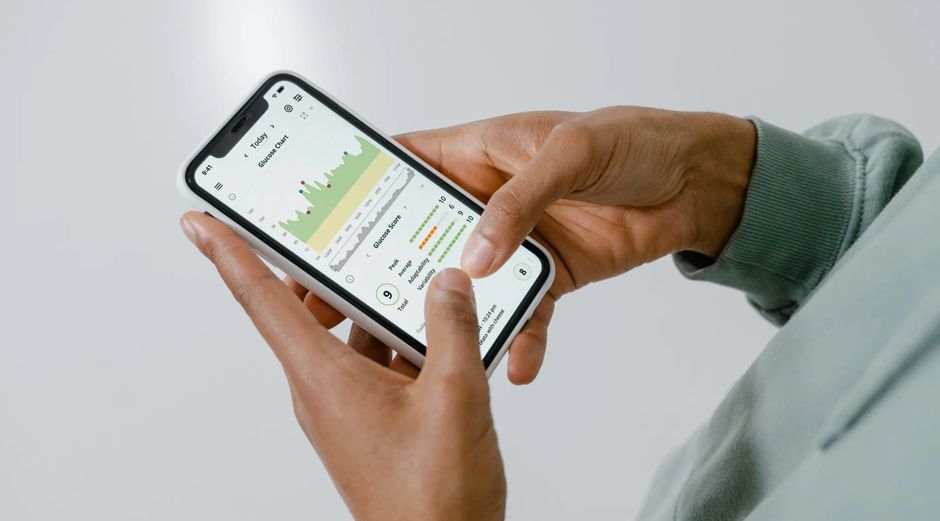
Σύσταση: στοχεύστε σε εργαλεία με εγγενή SDK iOS και Android και ρωμαλέο Web SDK, συν ισχυρές ενσωματώσεις τρίτων. Αυτό δίνει σαφές πλεονέκτημα σε πιστότητα δεδομένων, ταχύτερες ενέργειες και ευκολότερη πρόσβαση σε εικόνες. Χτίστε το σχέδιό σας γύρω από οραματιζόμενους στόχους και αξιόπιστες λήψεις ενώ εξασφαλίζετε ότι τα endpoints παραμένουν συγχρονισμένα σε πλατφόρμες.
Η κάλυψη πλατφορμών έχει σημασία: πρέπει να βλέπετε εγγενή SDK iOS και Android, ώριμο Web SDK και έτοιμους προσαρμογείς για δημοφιλή stacks τρίτων. Αναζητήστε συμπερίληψη συνδέσμων σε πλατφόρμες μάρκετινγκ, CRMs, αποθήκευσης δεδομένων και διαχειριστές ετικετών. Επαληθεύστε ότι MTUs και ιστορικά δεδομένα μπορούν να μετρηθούν συνεπώς, με επιλογές offline ή server-side για να διατηρήσετε ακρίβεια όταν χρήστες αλλάζουν συσκευές ή δίκτυα.
Παράγοντες απόφασης: χαρτογραφήστε MTUs και λήψεις σας, ορίστε στόχους και αξιολογήστε ανάγκες ιστορικών δεδομένων. Προτιμήστε εικόνες AI-powered που φέρνουν στην επιφάνεια δράσιμες ενέργειες και σας επιτρέπουν να παρακολουθείτε τάσεις μέτρησης με την πάροδο του χρόνου. Αξιολογήστε την ικανότητα να κάνετε προσαρμογές σε πλατφόρμες χωρίς να σπάσετε ταξινόμηση συμβάντων, και εξασφαλίστε ότι μπορείτε να προσπελάσετε ωμά δεδομένα όταν χρειάζεται για να διατηρήσετε ευελιξία σε σύνθετες αναλύσεις.
Επιλογή και τιμολόγηση: τα βραχυπρόθεσμα εργαλεία πρέπει να παρέχουν συνεκτικό σύνολο SDK σε iOS, Android, Web και βασικές ενσωματώσεις τρίτων, ενώ προσφέρουν φάσμα από βασικά έως προσαρμοσμένα σχέδια επιχειρήσεων. Αναζητήστε σαφείς επιλογές διακράτησης δεδομένων, συμπεριλαμβανομένων έως 75 μηνών όπου σχετικό, και διαφανή τιμολόγηση που διακρίνει μεταξύ τυπικής χρήσης και σεναρίων υψηλής κίνησης. Εστιάστε σε συμβατότητα τεχνολογίας, συμπεριλαμβανομένης τεκμηρίωσης και βιβλιοθηκών δειγμάτων, για να διατηρήσετε την υλοποίηση απλή και κλιμακούμενη.
Δράσιμα βήματα: ξεκινήστε με πιλοτικό τεσσάρων εβδομάδων χρησιμοποιώντας τους τρεις κορυφαίους υποψήφιους για να επικυρώσετε σταθερότητα SDK, πιστότητα δεδομένων και συνέπεια δια-πλατφορμών. Επιβεβαιώστε την ευκολία ενσωμάτωσης με το tech stack σας, μετρήστε πόσο καλά μπορείτε να οραματιστείτε χοάνες και στόχους, και τεκμηριώστε τους παράγοντες που επηρεάζουν την ακρίβεια. Μετά το πιλοτικό, βασίστε την τελική σας απόφαση σε κάλυψη πλατφόρμων, πλάτος ενσωμάτωσης και συνολικό κόστος ιδιοκτησίας, στη συνέχεια βελτιώστε το μοντέλο δεδομένων σας για να βελτιστοποιήσετε συνεχείς μετρήσεις και προσαρμογές.
Προστασία Απορρήτου, Συμμόρφωση και Διακράτηση Δεδομένων σε Προμηθευτές
Ορίστε προεπιλεγμένο παράθυρο διακράτησης δεδομένων 30 ημερών σε όλους τους προμηθευτές ανάλυσης και αυτοματοποιήστε διαγραφές. Βεβαιωθείτε ότι οι επεκτάσεις δικαιολογούνται αυστηρά από επιχειρηματική ανάγκη και τεκμηριώνονται για ελέγχους. Αυτό καθιστά προϋπολογισμούς προβλέψιμους, μειώνει εξάπλωση δεδομένων και ελαχιστοποιεί κίνδυνο που μπορεί να επηρεάσει καμπάνιες και δαπάνες, ενώ βοηθά στην προστασία ατομικού απορρήτου.
Προστασία απορρήτου από σχεδιασμό: συγκαλύψτε PII σε συμβάντα, περιορίστε πρόσβαση σε ατομικά δεδομένα και κρατήστε λεπτομερή αρχεία πρόσβασης. Χτίστε χάρτη δεδομένων που εντοπίζει ροές δεδομένων από πρώτη επαφή μέσω πολυκαναλιών καμπανιών στην στοίβα ανάλυσης σας. Αυτή η προσέγγιση βοηθά στην γρήγορη διάγνωση ζητημάτων χωρίς έκθεση ευαίσθητων πληροφοριών και βοηθά στην αύξηση αξίας χρησιμοποιώντας συγκεντρωμένες εικόνες αντί για ωμά αναγνωριστικά.
Όσον αφορά ιστορικά δεδομένα και συντάγματα, διαχωρίστε ροές υψηλής συχνότητας από μακροπρόθεσμα συγκεντρωτικά. Διατηρήστε ιστορικά συντάγματα για ανάλυση τάσεων αλλά συνοψίστε ωμά συμβάντα για να διατηρήσετε απορρήτο. Αυτό σας επιτρέπει να μετρήσετε μοτίβα μετατροπής και εγκατάλειψης ενώ διατηρείτε όρια σε άμεσα αναγνωριστικά. Το CleverTap και άλλοι προμηθευτές πρέπει να προσφέρουν επιλογές για να διαχειριστείτε αυτή την ισορροπία χωρίς να δημιουργήσετε τριβή στις ροές εργασιών σας.
Η συμμόρφωση και διακυβέρνηση απαιτούν επίσημες συμφωνίες: προσθήκες επεξεργασίας δεδομένων, κατοικία γεωγραφικών δεδομένων όπου απαιτείται, και σαφή δικαιώματα διαγραφής για υποκειμενικά δεδομένα υπό GDPR/CCPA. Βεβαιωθείτε ότι κάθε προμηθευτής παρέχει δυνατότητες εξαγωγής και APIs διαγραφής που υποστηρίζουν αιτήματα υποκειμένων δεδομένων έγκαιρα. Μια καλά ορισμένη διαδικασία κάνει ελέγχους ομαλότερους και μειώνει τον κίνδυνο ποινών μη συμμόρφωσης.
Πρακτική ροή εργασιών για σύγκριση προμηθευτών: χαρτογραφήστε σημεία συλλογής δεδομένων, ορίστε ιδιοκτήτες για κάθε τύπο δεδομένων και επαληθεύστε ότι η συγκατάθεση καταγράφεται στην πρώτη αλληλεπίδραση. Χτίστε πίνακα ελέγχου βασισμένο σε δεδομένα που συνοψίζει συμβάντα κύκλου ζωής, κόστη και απόδοση καμπανιών σε κανάλια. Χρησιμοποιήστε συντάγματα για να διαγνώσετε τριβή χοάνης και να ποσοτικοποιήσετε την επίδραση αλλαγών σε μετατροπή και δαπάνες. Αυτή η προσέγγιση διευκρινίζει σημεία εγκατάλειψης και εξασφαλίζει ότι τα κόστη ευθυγραμμίζονται με επιχειρηματικούς στόχους.
- Πολιτικές διακράτησης δεδομένων: προεπιλογή 30 ημερών· τεκμηριωμένες εξαιρέσεις· διαμορφώσιμα παράθυρα διαγραφής και εξαγωγής· διαχείριση ιστορικών δεδομένων από συντάγματα
- Έλεγχοι απορρήτου: συγκαλυμμένα PII, πρόσβαση βασισμένη σε ρόλους, αρχεία ελέγχου, αρχεία συγκατάθεσης, διαχείριση απο-opt
- Ασφάλεια και διακυβέρνηση: κρυπτογράφηση σε ηρεμία και μεταφορά, αξιολογήσεις κινδύνου προμηθευτή, συμφωνίες επεξεργασίας δεδομένων, τοπικοποίηση δεδομένων όπου απαιτείται
- Ροές δεδομένων και καμπάνιες: χαρτογραφήστε πώς μεμονωμένα συμβάντα τροφοδοτούν πολυκαναλιές καμπάνιες· παρακολουθήστε για υπερβολική αντιγραφή δεδομένων· εξασφαλίστε ότι τα δεδομένα που χρησιμοποιούνται για βελτιστοποίηση δεν εκθέτουν άτομα
- Υγιεινή ανάλυσης: διαγνώστε κενά δεδομένων, σημεία εγκατάλειψης και μη σωστή απόδοση· χρησιμοποιήστε διαισθητικούς, βασισμένους σε δεδομένα πίνακες ελέγχου για να παρακολουθείτε απόδοση
Έναρξη, Υποστήριξη και Χρονοδιάγραμμα Υλοποίησης για Ομάδες
Ξεκινήστε με σχέδιο έναρξης 4 εβδομάδων που ορίζει αποκλειστικό ιδιοκτήτη, επιλέγει ομάδα πιλοτικού σε ενεργές συσκευές και κλειδώνει βασικές περιπτώσεις χρήσης. μην παραβλέπετε σαφές μέτρο επιτυχίας και ένα ενιαίο σημείο επαφής για να επιταχύνετε αποφάσεις.
Η Εβδομάδα 1 εστιάζει σε προμήθεια, προστασία και ορατότητα. Προμηθεύστε πρόσβαση cloud, ορίστε κανόνες προστασίας και καθιερώστε ποιος μπορεί να βλέπει πίνακες ελέγχου και δεδομένα σε πλατφόρμα.
Η Εβδομάδα 2 καλύπτει ενσωματώσεις δεδομένων και βελτίωση πινάκων ελέγχου. Συνδέστε SDK ανάλυσης, εντοπίστε κορυφαία συμβάντα και χαρτογραφήστε δεδομένα σε εφαρμογές και συσκευές. Αν χρησιμοποιείτε Instabug, ενσωματώστε το μέχρι το τέλος της Εβδομάδας 2.
Η Εβδομάδα 3 ξεκινά πολυβήμα rollout σε επιπλέον στούντιο και ομάδες, επικυρώνοντας ποιότητα δεδομένων και ανατροφοδότηση χρηστών. Βεβαιωθείτε ότι η αξία πραγματοποιείται παρακολουθώντας βασικούς παράγοντες όπως κάλυψη συμβάντων, σήματα σφαλμάτων και χρόνοι απόκρισης.
Η Εβδομάδα 4 ολοκληρώνει το σχέδιο, ορίζει premium υποστήριξη και καθορίζει το πρόγραμμα μετά την υλοποίηση. Τεκμηριώστε μονοπάτια κλιμάκωσης, ορίστε ιδιοκτήτες υποστήριξης και προγραμματίστε επανεξέταση ακολούθου για να βελτιώσετε πίνακες ελέγχου και κανόνες προστασίας.
Μετά την έναρξη, διατηρήστε προστασία, cloud και ορατότητα με συνεχή παρακολούθηση, κεντρικό πίνακα ελέγχου και σαφές χρονοδιάγραμμα υλοποίησης. Χρησιμοποιήστε ενεργή παρακολούθηση σε συσκευές και εφαρμογές για να εντοπίσετε κενά και να ξεκλειδώσετε αξία για τις ομάδες σας.
Στείλτε ένα σύντομο αίτημα
Περιγράψτε ιστότοπο, στόχους, κοινό και προϋπολογισμό για μια πρόταση.
Related Articles

SimilarWeb API Key: Πλήρης Οδηγός Ρύθμισης, Διαχείρισης & Βέλτιστων Πρακτικών
June 29, 2026
Πώς να Εφαρμόσετε τη Στρατηγική Σύνδεσης Περιεχομένου B2B: Ένας Πρακτικός Οδηγός Βήμα προς Βήμα
December 23, 2025