Is Traditional Advertising Still Relevant? A Deep Dive

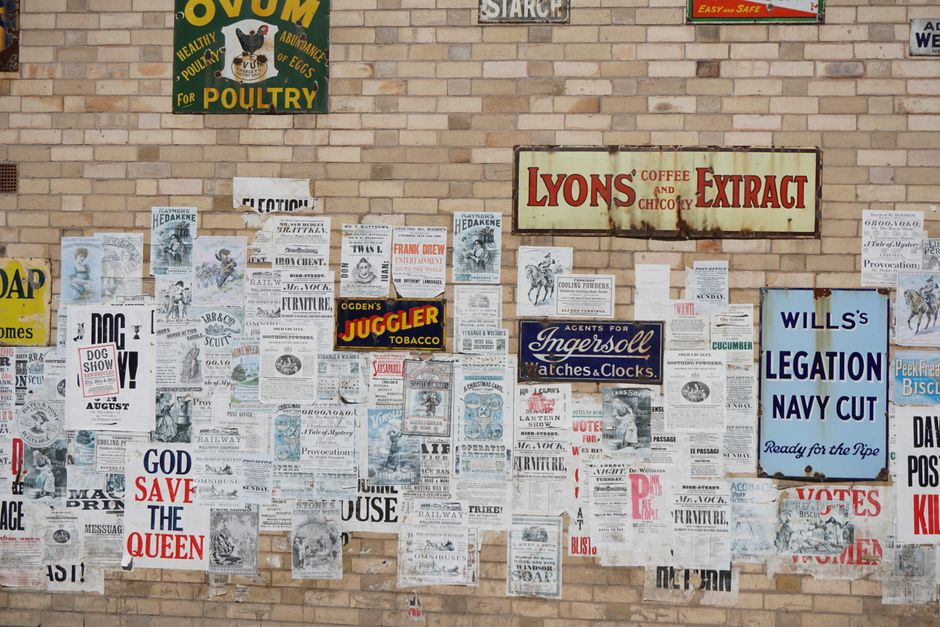
direct recommendation: allocate budget to traditional channels now, track their performance, and optimize paid TV, radio, and signage with strong discipline. This direct action helps connect offline touchpoints with online engines.
primarily, use signage, TV and radio with trackable direct response. Use a simple title on the creative, plus a unique phone number or URL to attribute results. use videos on TV and place them in other formats to maintain consistency, delivering unmatched visibility in local markets and easier cross-channel attribution.
The tracking framework relies on engines that unify signals from TV, signage, and print with online data. Between touchpoints, measure traffic through stores, websites, and phone calls. Use multi-touch attribution to reveal how offline impressions help lift in-store visits and online conversions, even when the online budget isn't the largest share of spend.
Practical budgets: allocate roughly 15-25% of your paid media to traditional formats in markets where foot traffic matters. Use test-and-learn with a 6-8 week cycle, and compare to a digital-only baseline. The combination of signage and local radio yields a 1.5x-2.5x lift in store visits when you attach a clearly trackable offer and a visible title on the poster.
Beyond the core formats, diversify with events, sponsorships, and in-store signage; these other channels work best when combined with online retargeting and direct mail to maintain strong recall. Use a simple creative brief that scales across multiple placements, then measure impact with campaigns that cross engines and devices.
Practical considerations for marketers assessing print within a modern, multi-channel plan

Recommendation: Launch an 8-week targeted print pilot in two regional markets with weekly drops in major retail zones, paired with digital touchpoints. Track lift in foot traffic using POS data and codes tied to a dedicated landing page; use signage linking to a trackable offer to generate a clear view of offline impact and incremental revenue, then compare results against a geo-matched control region to establish incremental value.
Traditional print still offers tangible presence in real spaces. Offline signage creates visibility in high-traffic areas. Place signage in major shopping districts and transit hubs where they gather, then tie each piece to a trackable code, a short URL, or a QR link to an offer. This approach creates direct interaction with consumers and a view of how offline touchpoints drive online activity.
Measurement framework: define KPIs around lift, not pure reach. Track weekly: store visits, code scans, landing-page views, and offer redemptions. Compare against a geo-matched control region to isolate incremental traffic and engagement, then translate results into revenue impact and brand relevance for your audience.
Creative and format guidance: choose formats such as signage, inserts, and regional magazines; ensure messaging aligns with in-store merchandising and offers clear calls-to-action. Use entertainment contexts to boost attention and maintain a sense of relevance. Avoid relying on scroll-heavy feeds; print ads can complement digital ads and ads in other media, and help establish a durable presence. For consumer-brand programs, ensure consistency across channels and reinforce the brand voice with advertisements that prompt interaction.
Measuring Print ROI in a Multi-Channel Campaign Assign unique,
Measuring Print ROI in a Multi-Channel Campaign
Assign unique, trackable codes to every print item (billboard, radio, magazine insert) and tie results to a single attribution dashboard to measure cross-channel impact.
Use a straightforward ROI formula: incremental revenue attributable to print minus media spend, divided by media spend. For a 3-month campaign, spending $120,000 on print across billboard and radio produced 1,000 incremental leads and 150 purchases, delivering $420,000 in incremental revenue. ROI = (420,000 - 120,000) / 120,000 = 2.5x, or 250%.
To bridge offline and online actions, use unique identifiers: a vanity URL, QR code, or trackable phone number. Link email opt-ins, product views, and purchases to the same lead record, and apply careful data governance to keep the data clean. This easy-to-implement molding of touchpoints helps you see how thousands of impressions across billboard, radio, and printed inserts translate into engaged sessions and meaningful purchasing.
The advantage of print is the lasting remembered effect and mouth-to-mouth chatter it can spark. A billboard or radio spot that lands in the first week often drives a warm audience to search, scroll, and engage with email offers later, increasing purchase likelihood. When you compare channels, print often shows solid lift in assisted conversions and differs from direct-response channels that rely on last-click closure.
Must-have tips: run a 6–8 week pilot with clear goals, track CTR
Must-have tips: run a 6–8 week pilot with clear goals, track CTR and engagement, assign codes, and use a shared dashboard. Then scale what proves strong, re-mold creative per channel, and compare against thousands of impressions to confirm the trend. Fact: even modest print increments can unlock gains when paired with email nurtures and product pages that facilitate purchasing.
Choosing Between Newspapers and Magazines Based on Audience and Goal
Choose newspapers for broad reach and immediacy; magazines deliver deeper engagement and longer dwell. Invest in both when your audience drivers align with your goal: print delivers mass exposure, while magazines extend impact into topic depth and brand credibility.
Analyze audience segments and align with your goal. Newspapers excel with commuters, local consumers, and readers who heard about the story; magazines win with niche consumers and decision-makers seeking depth. The pros of each medium show up in trust, attention, and action, and print can deliver credibility and local impact. While the feedback loop for print is harder to scale quickly, data-driven measurement can close the gap. Measuring guides budget toward the drivers of engagement and conversions. Your campaign benefits from expertise that matches the medium to the audience’s view of relevance.
Todays media mix benefits from a data-driven approach
todays media mix benefits from a data-driven approach. Track impressions delivered, click-throughs to your website, time spent reading, and conversions to your campaign pages. This lets you compare print and online, evaluate cost per contact, and continue optimizing your spend. Print remains a great tool for local impact, while online formats provide rapid feedback and wider reach.
Balance the channels by considering a cross-media plan that includes streaming and print. For instance, pair print inserts with short video spots on platforms like Hulu to reinforce the message while maintaining print credibility. The combination can deliver a broader impression and help you invest smarter, with a long view of brand lift that scales with your budget. This involves aligning your advertisers’ voice across touchpoints and measuring impact across media.
Costs vary by market size; a national plan can cross the billion-impression mark across multiple publications. Magazines often command higher CPMs, but readers spend longer with content, boosting recall and response quality. When your campaign calls for broad awareness and local impact, newspapers are a strong starter; for thought leadership and sustained engagement, magazines deliver a durable signal that your consumers extend to your website and other owned channels.
Creative Formats That Boost Read-Through and Recall in Print
Recommendation: use a bold, local-format with a strong title and a direct-response element that provides a clear path to action. Pair a billboard-style header with a scannable code or short URL that leads to a targeted landing page, making response easy.
In tests across 12 campaigns in local markets, recall rose
In tests across 12 campaigns in local markets, recall rose 25–35% when a billboard-style title was paired with a trackable CTA, and average engagement time increased by 12–18 seconds for readers who interacted with the code. This approach moves readers from attention to action and supports goal-oriented outcomes.
Billboard-style title panels with a direct CTA
- Billboard-style title panels with a direct CTA. A high-contrast title anchors attention at the top of the page, then a concise CTA invites response via a targeted page. In controlled tests, this combination lifted recall by 25–35% and click-through by 15–20% versus static ads. cant rely on a single tactic; pair with a second format for reinforcement and to address different roles in the campaign.
- Fold-out inserts and perforated response cards. A fold-out panel extends the space for a headline and offer, while a perforated card provides a tangible response option. One-third of participants engaged with fold-outs in field tests, increasing store visits and redemption rates by 18–28% depending on offer strength and targeting.
- Sponsored editorial slots with a targeted CTA. Align sponsorship with content that matches reader intent and local interests. Use a strong title and a value proposition, then guide readers to a location-based destination. In experiments, sponsored content with a relevant CTA achieved higher trust and 12–22% higher CTA completion than unrelated ads.
- Interactive elements that boost interactivity. Include pull tabs, scratch-off areas, or other tactile cues to increase engagement. Track responses with unique codes and measure time-to-response across impressions. Interactivity enhances recall and helps deepen relationships with readers over multiple touchpoints.
- Local targeting and cross-format consistency. Use city-specific offers and local store data to improve targeting. Combine a title-led billboard panel with a store incentive and a digital follow-up to reinforce the message across multiple occasions and channels. This approach provides a cohesive experience that strengthens relationships with customers in the area.
- Multiple formats within the same issue and clear measurement. Deploy 2–3 formats per campaign and monitor coupon redemptions, URL visits, and code scans to assess the goal. Review performance by format and adjust for future campaigns to maintain reader trust and response strength.
This mix helps you connect with others in local communities,
This mix helps you connect with others in local communities, building trust and lasting relationships.
Integrating Print with Digital Touchpoints: QR Codes, AR, and URL Tags
Start with a concrete recommendation: integrate QR codes on every print asset that links to a fast, mobile-optimized landing page with a single clear CTA to convert. Use UTM parameters to attribute visits and measure the amount of lift across channels. With QR codes and URL tags, you can reach a billion smartphone users, creating a strong bridge between branding and performance and presenting something tangible you can optimize toward success, rather than a one-way message.
QR codes should lead to a tailored page that presents a concise value proposition and an immediate action–sign up, download, or purchase. Test weekly experiments by varying the headline, offer, and button treatment to engage intent and drive better conversion. youll notice the strongest impact comes from aligning the print message with the landing experience and keeping the journey simple, fast, and less friction-filled.
Augment print with AR to deliver a different dimension of engagement
Augment print with AR to deliver a different dimension of engagement. A film poster or brochure becomes an entry portal: scan the image and unlock a 360-degree view, interactive specs, or a short experiential video. This approach supports leadership by showing accountability through measurable dwell time and follow-through actions, helping convert curiosity into intent and commercial value–especially at events or sponsored displays that aim to drive in-person engagement. AR can deliver something memorable that reinforces branding while delivering real metrics on engagement and success.
URL tags provide a lightweight, trackable bridge across pages and formats. Use short, memorable links that mirror the print creative and include clear parameters to maintain consistency across page variations. This makes it easier to compare performance, maximize the value of every impression, and decide between different pages or routes. Use a different URL tag for each page variation to isolate strong performers and inform weekly optimization cycles, if needed.
Channel/Tactic Action KPI Tracking Example QR Codes Link to
| Channel/Tactic | Action | KPI | Tracking | Example |
|---|---|---|---|---|
| QR Codes | Link to mobile landing with a single CTA | CTR, conversion rate | UTM parameters, analytics | Print ad in weekly magazine drives visits and conversions |
| AR | 3D/product overlays on print | Engagement time, intent lift | App events, AR analytics | Poster yields dwell time and a measurable uptick in actions |
| URL Tags | Short, memorable links to aligned landing | Visits, micro-conversions | Campaign-level analytics | Brochure link results in visits and action rates |
| Integrated approach | Coordinate messaging across print, digital, and event | Overall ROI, branding consistency | Attribution models, dashboards | Cross-channel lift from print to digital to in-person engagement |
Cost, Lead Time, and Distribution: Budgets, Schedules, and Logistics

Set aside 12–15% of your annual marketing budget for a 90-day pilot across three placements: your website (website landing pages and pay-per-click campaigns), magazines (one or two proven titles), and audio (short spots on strong national or regional stations). This approach gives you fast feedback, easy comparison points, and a path to measurable value.
Budget distribution should be tied to stage of growth and audience behavior. In the first quarter, allocate 60% to website and pay-per-click, 25% to magazines, and 15% to audio. Decades of testing across channels show patterns in performance, so start with this mix and adjust as data comes in. Website data is easy to track and shows daily variations; magazines provide credibility with a slower payoff; audio builds reach in commuting windows. They can surface different metrics like saves, clicks, and contact requests. Nielsen data can guide adjustments: if recall is higher on online channels, shift more toward that, otherwise re-balance to printed placements that drive direct inquiries.
Lead time guidance: website campaigns and pay-per-click can launch within 1–2 days once assets are ready, while magazine placements require 60–90 days for publication calendars, and audio spots need 2–3 weeks for scripting and booking. Build calendars with drop dates, production deadlines, and approvals to avoid dead time and ensure each channel hits the same quarter-end milestones. When you publish, track impressions, clicks, and leads in a shared dashboard on the website so the team sees daily shifts and can respond quickly. The prospects will perceive consistency only if you align timing across channels.
Logistics: coordinate with the purchasing team to lock in rates, placements, and insert dates. The pros are quick testing, clear signals, and easy optimization. Build a simple RFP for each channel and keep a one-page brief: target demographics, creative specs, expected outcomes, and contact points. The smarter approach uses a shared calendar and a single vendor list to reduce friction. For magazines, choose 2–3 proven titles; for audio, pick programs with high commute-time listenership; for website, segment audiences by intent (informational vs. transactional) and tailor messaging accordingly. This clarity improves perceived value and lowers waste.
Measurement: set 3 metrics per channel: clicks or inquiries (online), reach or impressions, and cost per lead. They will help you judge success; if a channel underperforms after two weeks, reallocate to a higher-potential placement. Track something obvious: cost per lead and time to contact to ensure you catch delays early. The value of each channel depends on your product cycle and sales process; for items with longer consideration, print and audio can build familiarity, while website drives immediate action. Use Nielsen insights to tune the mix: if magazine readers convert at a higher rate per impression, tilt toward magazines a bit more; if online placements deliver faster contact rates, lean heavier there. This approach keeps the rhythm steady and reduces wasted spend.
Ready to leverage AI for your business?
Book a free strategy call — no strings attached.