10 Razones por las que el Marketing Importa - Entendiendo su Importancia para el Crecimiento


Comienza definiendo tu audiencia objetivo y construyendo un ritmo de marketing que entregue crecimiento sostenido. La autoridad se gana cuando proporcionas valor consistente, y mejoras los resultados con cada iteración. Este enfoque alinea a los equipos alrededor de objetivos claros y crea momentum para resultados a largo plazo.
Hay un vínculo directo entre el marketing disciplinado y el crecimiento de ingresos; los datos, las pruebas y los algoritmos te ayudan a descubrir qué resuena con las audiencias. En los mercados indios, las campañas que combinan búsqueda, contenido y canales nativos pueden ayudarte a lograr dominancia en el mercado y ventas aceleradas.
El marketing mejora la experiencia del cliente alineando los mensajes con necesidades reales, lo que aumenta la confianza y el valor de por vida. Construir embudos predecibles y ofertas que aborden puntos de dolor permiten a los equipos impulsar el engagement y las tasas de conversión en todos los canales.
Nunca debes pasar por alto las pruebas rápidas; implementa experimentos y aprende. Estos datos te ayudan a refinar tu enfoque, revelando tu potencial para segmentos en crecimiento e identificar nuevos canales que generen el mejor retorno sobre la inversión.
Al construir una audiencia leal, el marketing crea un ciclo de retroalimentación sostenido que mejora las decisiones de producto, acelera el crecimiento y expande alianzas que extienden el alcance.
Mantén el ritmo: mide, itera y escala. Una rutina disciplinada convierte al marketing en un impulsor de crecimiento en lugar de un centro de costos, entregando ventajas consistentes en mercados saturados.
Identifica y Perfila a tu Cliente Ideal
Comienza con una recomendación concreta: crea un perfil claro de cliente ideal basado en datos reales de sistemas de gestión, CRM, análisis del sitio y retroalimentación directa de compradores recopilada a través de webinars y encuestas rápidas.
Define quiénes son construyendo tarjetas de persona que capturen rol, responsabilidades, objetivos, puntos de dolor, desencadenantes de compra, canales preferidos y objeciones típicas. Esto te ayuda a identificar un pequeño conjunto de compradores y estimar el número posible de compradores en cada segmento usando datos reales de tu sitio e insights de gestión.
Mapea los caminos que toman: qué páginas visitan en tu sitio, cómo se mueven de la conciencia a la decisión, qué webinars asisten y qué anuncios captan su atención. Usa esto para responder dónde colocar contenido y ofertas para máxima atracción.
Establece tu mensajería con una voz clara adaptada a cada persona. Enfócate en beneficios reales, crea briefs creativos para activos y asegúrate de que la propuesta de valor hable a sus prioridades para atraer a los compradores correctos de manera eficiente en todo el sitio.
Valida con pruebas rápidas hoy: ejecuta variaciones A/B en páginas de aterrizaje y anuncios, recopila retroalimentación a través de encuestas cortas y rastrea métricas como engagement y calidad de leads para refinar el perfil.
Integra la persona en tu sitio y campañas: alinea contenido, llamadas, webinars y anuncios con las necesidades identificadas; trabaja con tu agencia para mantener la voz consistente y escalar el alcance sin sacrificar relevancia.
Adoptar un ciclo de actualización sostenible: refresca los perfiles trimestralmente, incorporando datos frescos del tablero de gestión, y mantén el número de personas lo suficientemente pequeño para que sea accionable mientras cubre a los compradores clave.
Mide la eficiencia e impacto: monitorea el tiempo hasta el primer contacto, tasas de conversión por persona y el número de compradores calificados identificados; usa insights para priorizar roadmaps de productos e inversiones en marketing.
Adoptar un ciclo de actualización sostenible mantiene los insights frescos y accionables.
Hoy, una audiencia bien perfilada guía tu contenido, campañas y alianzas para un crecimiento más inteligente y resultados más claros.
Mapea las Actividades de Marketing al Viaje del Cliente
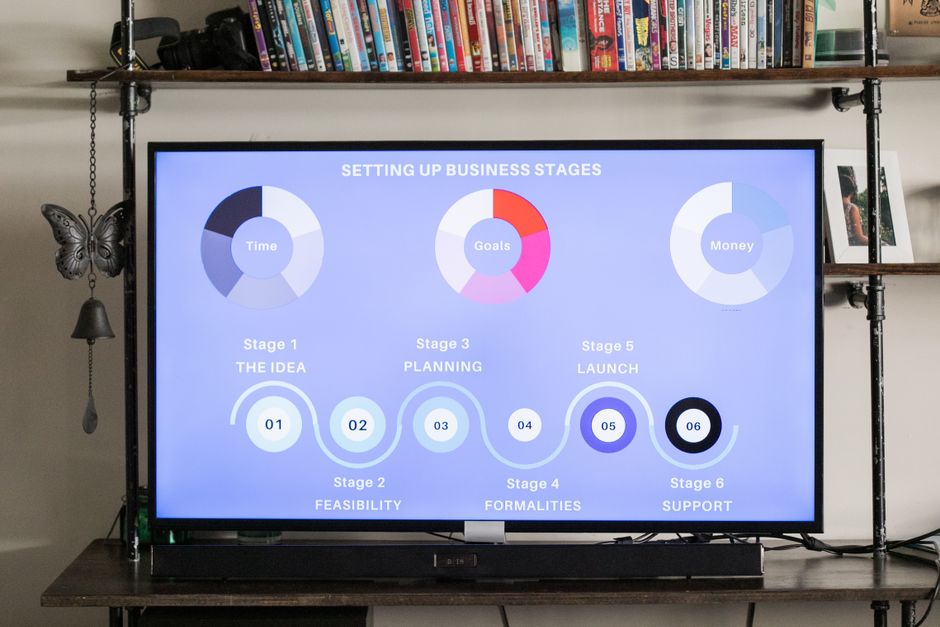
Comienza con un blueprint simple y basado en datos: alinea cada actividad a una etapa del camino que toma un comprador desde la conciencia hasta la defensa. En realidad, cada punto de contacto debe reforzar un objetivo único: moverlos al siguiente paso mientras se construye confianza. Para la primera etapa, publica contenido informativo en canales propios para llegar a una audiencia amplia y establecer presencia. Transforma percepciones con mensajes de valor claros, y rastrea impresiones y tiempo en página para medir impacto. Usa un ritmo que construya una base de conocimiento y establece un objetivo para mejorar la retención más adelante.
En la fase de consideración, involucra a los visitantes con profundidad: estudios de caso, demos de productos y contenido interactivo. Para compradores a menudo involucrados, proporciona puntos de prueba y visuales mejorados con color para impulsar el recuerdo. Usa el ritmo de publicación para construir confianza; involúcralos con 4-6 toques a lo largo de 2-3 semanas vía emails, webinars y chats en vivo. Las recomendaciones de pares en esta etapa aumentan la credibilidad y acortan los ciclos.
Durante el momento de decisión, presenta un camino simple y claro hacia la conversión: transparencia en precios, pruebas o demos, y una experiencia de aterrizaje sin fricciones. Primero, adapta páginas para reflejar el segmento del comprador, luego elige una oferta única y convincente para evitar confusión. Usa medios digitales como chat en vivo y calculadoras en sitio para llegar a un veredicto rápidamente; esto da control a los compradores y les permite comparar opciones, lo que mejora el impacto. Construye credibilidad con notas de caso concisas y un stack de pruebas; pequeñas victorias en el momento desbloquean mayor confianza y un cierre más rápido.
La incorporación se traduce en valor a largo plazo. Después de la venta, envía una serie de bienvenida que educa a los usuarios sobre características principales y victorias rápidas. Usa una publicación simple y enfocada de guías cómo-hacer; esto mejora habilidades y reduce el tiempo hasta el valor. Una lista de verificación directa ayuda a los clientes a progresar, mientras que prompts en-app y emails los mantienen involucrados y presentes. La combinación fortalece la longevidad a medida que los clientes profundizan su uso y se convierten en defensores ellos mismos.
Finalmente, nutre la defensa con programas de recomendaciones dirigidos: pide reseñas, publica historias de clientes y fomenta referencias. Cuando los clientes se sientan escuchados, se vuelven altamente involucrados y difunden boca a boca creíble. Usa retroalimentación basada en datos para refinar el ciclo: publica encuestas, analiza respuestas y ajusta mensajería para mantener el impacto fuerte. Este enfoque sostiene relaciones y te ayuda a llegar a nuevas audiencias con autenticidad; finalmente, ajusta la mensajería según sea necesario.
Define Criterios de Calidad de Leads y Etapas de Calificación
Configura un marco de dos partes ahora: define criterios precisos de calidad de leads y mapea a tres etapas de calificación (MQL, SQL y Oportunidad) con un modelo de puntuación automatizado de 0–100 en tu CRM. Este enfoque crea una vista completa del potencial de leads, activa los motores de marketing y ventas, y genera crecimiento de ingresos más rápido y predecible.
Los criterios de ajuste determinan si un lead se alinea con tu cliente ideal. Usa filtros firmográficos: industria, tamaño de empresa, región; evalúa rol y autoridad, y confirma señales de presupuesto. Asigna hasta 40 puntos por ajuste: varios segmentos principales, 10 puntos por seniority, 10 por autoridad de presupuesto confirmada, 20 por engagement reciente con tu sitio o contenido. Este mapeo ayuda a ser preciso sobre quién cuenta como un comprador potencial y reduce el outreach desperdiciado. Enfatiza el sentido de alineación entre señales de marketing y necesidades de ventas y asegúrate de que ambos equipos compartan la misma voz en conversaciones; otras señales pueden refinar la imagen.
Las señales de engagement reflejan interés genuino. Rastrea varios puntos de contacto: visitas a páginas de productos, descargas de activos, asistencia a webinars, interacciones por email y posts activos en social. Asigna puntos como +6 por página de producto, +20 por whitepaper, +15 por solicitud de demo y +10 por clic en email. Un umbral de 60 puntos y al menos dos eventos de engagement dentro de una ventana de 14 días mueve un lead a MQL. Esta medición impulsa un flujo constante de leads calificados al embudo y apoya el fomento de alineación, mientras incorpora otras señales como cambios de fuente y actividad de referencia.
Las señales de intención capturan el estado de ánimo de compra a medida que las personas comparan opciones o solicitan precios. Usa acciones en sitio (vistas de páginas de precios, búsquedas de comparación) e indicadores fuera de sitio (engagement con anuncios y posts de escritura relevantes) para medir intención. Asigna hasta 25 puntos por acciones de alta intención; combina con engagement para alcanzar el umbral de MQL. Cuando la intención es clara, pasa el lead a SQL y realiza un descubrimiento rápido para validar necesidad y presupuesto, luego mueve hacia una Oportunidad con una reunión programada.
Las etapas de calificación mapean señales al proceso. No calificado: si puntuación < 40 o sin actividad por 30 días, elimina el lead. Lead Calificado de Marketing (MQL): puntuación ≥ 60 y dos o más eventos de engagement dentro de 14 días. Lead Aceptado por Ventas (SAL) / SQL: ventas confirma ajuste en una ventana de 48 horas y el lead tiene una necesidad de compra clara y presupuesto. Oportunidad: reunión programada o propuesta en progreso. Re-evalúa cada 7–14 días para capturar leads obsoletos y mantener calidad de datos.
Los consejos operativos aprietan la gobernanza y la velocidad. Asigna propiedad a marketing y ventas, fomenta colaboración y refresca puntuación trimestralmente. Integra con CRM y automatización de marketing, y ejecuta pruebas A/B en umbrales. Usa anuncios y posts para nutrir y impulsar respuestas, y confía en escritura y creativo para mover leads a través del embudo. Espera ventajas como mayor velocidad de pipeline, tasas de victoria más altas y pronóstico de ventas más claro; rastrea cantidad de leads calificados, tasa de conversión por etapa e impacto en ingresos para probar el valor del programa.
Aprovecha Contenido y Canales que Atraen Leads Calificados
Comienza con un artículo pilar bien investigado que responda una pregunta de primera prioridad para tu usuario y combínalo con una oferta concisa basada en formularios para capturar detalles en el primer toque. Esto crea una señal reconocible, te ayuda a posicionarte en el borde de tu nicho y acelera el camino desde el interés hasta el contacto calificado.
Resumen: Formatos y Canales que Convierten
Estas piezas deben optimizarse para búsqueda y descubribilidad, luego repurpuestas a través de canales donde tu audiencia pasa tiempo. Usa un artículo pilar y formatos de apoyo para conectar con personas vía búsqueda, social, email, comunidades y sitios de socios. Estos formatos–listas de verificación, briefs, videos y experiencias interactivas–impulsan resultados.
Para optimizar resultados, rastrea rendimiento con un stack tecnológico ligero: análisis, atribución y pruebas impulsadas por experimentos. Revisa consistentemente temas, formatos y mezcla de canales; optimiza basado en datos de conversión para mejorar resultados y la eficiencia general de tu embudo de leads.
Estos pasos crean una ventaja sostenida alineando contenido bien investigado con un resumen claro y un camino trazable hacia la conversión.
Establece un Ciclo de Retroalimentación Entre Marketing y Ventas
Configura una reunión de retroalimentación semanal de 30 minutos y un tablero compartido que rastree calidad de leads, rendimiento de campañas y resultados de ventas. Haz el tablero visible para ambos equipos y estandariza campos para MQL, SQL y acuerdos ganados. Este ritmo claro expone brechas rápidamente y mantiene la planificación alineada a través de equipos y el mundo.
Define un ciclo de retroalimentación formal: después de cada acuerdo perdido o ganado, ventas envía un resumen conciso de una página con objeciones del comprador y necesidades sugeridas de contenido. Marketing luego usa esto para ajustar targeting, mensajería y distribución de activos. Este proceso mejora constantemente los handoffs y reduce el tiempo de ciclo.
Crea una taxonomía para retroalimentación: qué contenido ayudó, qué no, qué canales generaron engagement. Esta exploración constante informa el calendario editorial y asegura que los cursos y micro-cursos en la academia se mantengan relevantes. Expone insights de primera línea para refinar tu mensajería y materiales.
La educación y el upskilling importan: usa una academia con una secuencia de cursos cortos para educar a ambos equipos. Marketing educa a ventas sobre nuevas campañas, mientras ventas comparte insights de primera línea que ayudan a refinar mensajería. Este enfoque impulsa innovación y aumenta la lealtad entregando experiencias más relevantes. Usa un tablero codificado por colores para resaltar retroalimentación de alta prioridad.
Impulsa alineación con un ejemplo concreto: para un lanzamiento de producto, marketing produce tres activos, ventas comparte objeciones, marketing actualiza copy y el plan de distribución abarca email, social y eventos. El resultado es una respuesta más rápida a necesidades del mercado, y la planificación se vuelve más precisa y accionable.
Mide impacto con métricas prácticas: rastrea tiempo de ciclo lead-a-ingresos, tasa SQL-a-victoria, tiempo de respuesta promedio y engagement de contenido por activo. Monitorea cómo la dominancia cambia entre campañas y cómo el equilibrio trabajo-vida permanece saludable para los representantes. A través del mundo, este enfoque disciplinado genera crecimiento constante y fortalece la lealtad.
A continuación, una lista de verificación compacta para comenzar: define criterios de compartición, establece ritmo, construye un tablero, lanza micro-cursos de academia, establece SLAs; luego utiliza retroalimentación para ajustar campañas y tácticas para otros.
📚 Más sobre Estadísticas de Medios Sociales
- Entendiendo el Growth Marketing - Una Guía Práctica para Convertirte en un Growth Marketer
- Estrategizando Crecimiento - 50 Estadísticas Clave de HubSpot Marketing para 2026
- Por qué el Performance Marketing es el Futuro en 2026 - ROI y Crecimiento Impulsado por Datos
- 5 Razones Indudables por las que las Tácticas de Crecimiento de Ecommerce Funcionan
- La Muerte de los Growth Hacks - Regresando al Marketing Real para Crecimiento Sostenible
Enviar una consulta breve
Describe tu sitio, objetivos, público y presupuesto para hablar de una propuesta.


