11 Ejemplos de Anuncios Estáticos - Por Qué Siguen Siendo Efectivos en 2026
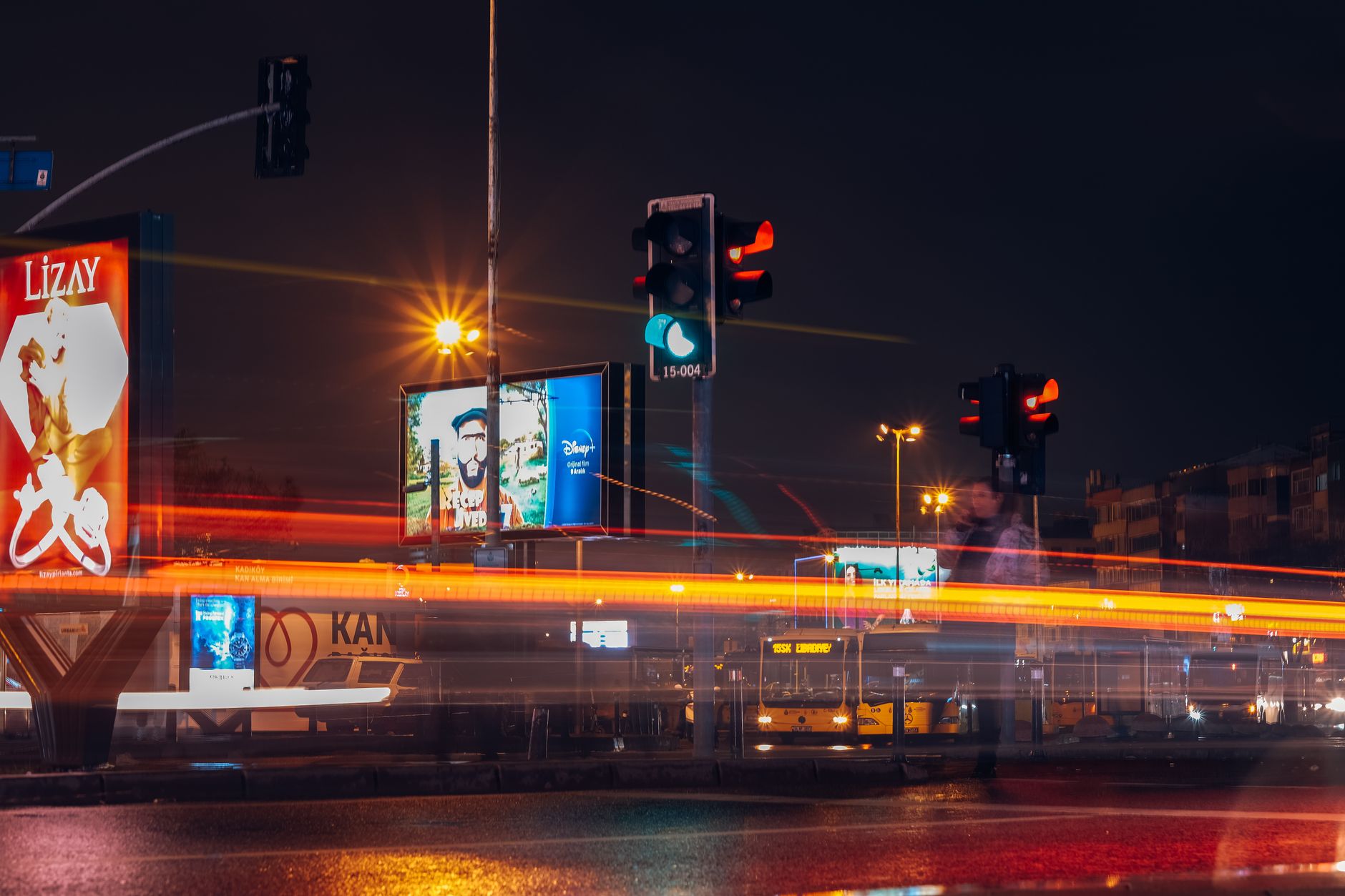
Comienza con una llamada a la acción audaz y directa en el primer marco para captar la atención en los primeros momentos de exposición. Crea el título para reflejar la propuesta de valor y alinearse con el lenguaje de tu audiencia.
A través de un plan de experimentación disciplinado con 11 variantes, las ganancias de rendimiento suelen surgir de imágenes frontales nítidas, un acento de color único y copia concisa. En pruebas controladas, las impresiones visibles aumentaron un 20–40% cuando los banners presentaban una fuerte llamada a la acción y una toma prominente del producto, con conversiones mejorando cuando el mensaje era verdadero y directo. Considera sectores como kiwico, Patagonia y servicios de bodas para establecer el tono y la imaginería como referencia.
Los palancas de diseño que tienden a funcionar bien incluyen la claridad del idioma, un título que transmita un beneficio principal y un mensaje directo. Un diseño mínimo en el frente de la página, combinado con tipografía audaz, reduce la carga cognitiva. El humor debe sentirse auténtico y no forzado; el sentimiento debe coincidir con la audiencia, ya sea contextos al aire libre resistentes como patagonia o manualidades lúdicas para niños como kiwico.
Diferentes niveles de personalización funcionan cuando están respaldados por datos de pruebas. Ejecuta variantes de idioma para un alcance multilingüe y mide el impacto en la tasa de rebote, el tiempo de permanencia y la tasa de finalización de la acción deseada. Para campañas premium, mantén la promesa en la copia y enlaza a una clara llamada a la acción que guíe a los usuarios hacia el siguiente paso, como una página de producto o un registro de bodas.
La colocación importa: previsualiza en una pantalla de macbook y en varios anchos móviles para confirmar la legibilidad. Un diseño frontal limpio con una sola imagen focal tiende a superar los diseños ocupados. En contextos como iniciativas relacionadas con protestas, asegúrate de que el mensaje se alinee con los valores de la marca y evite el sensacionalismo; el trabajo más fuerte comunica un beneficio claro sin alejar a la audiencia.
Lecciones prácticas: trata cada marco como un activo premium, prueba diferentes titulares y visuales, y mantén el título descriptivo. Un tono confiado y directo combinado con una llamada a la acción que invite a una respuesta rápida genera tasas más altas de clics y conversiones. Usa ejemplos de marcas al aire libre como patagonia y kits domésticos como kiwico para alinear lo creativo con las expectativas de la audiencia y sentirse auténtico en cada detalle, a veces incluso entregando un elemento lúdico ligero para involucrar a los espectadores.
11 Ejemplos de Anuncios Estáticos: Por Qué Siguen Siendo Relevantes en 2025; - 8 Generación de Leads para Suscripciones
Recomendación: comienza con una oferta clara y una unidad visualmente fuerte, limitada en tiempo, con un pie de foto que comunique el beneficio principal. Esta opción simplifica las pruebas y se adapta a esfuerzos de generación de leads para suscripciones de 8 enfocados únicamente en la conversión.
Consejos de una década de pruebas muestran que los lectores responden a datos concretos y una sensación creíble de escasez; confía en visuales simples, pocas señales de multitud y un contraste limpio para aumentar la atención. Los elementos respaldados por datos superan los mensajes vagos en línea.
Las plantillas oficiales que siguen un propósito único funcionan mejor; ofrece una promoción con un camino de seguimiento claro, y coloca una CTA limitada en tiempo cerca del pie de foto para impulsar visitas rápidas y acciones posteriores al clic. El artículo detrás de estos casos sugiere apuntar a la claridad sobre la complejidad.
Dennis probó múltiples variantes: imaginería de botellas versus iconos abstractos. La versión de botellas logró un mayor porcentaje de clics en colocaciones en línea, probando que la especificidad visual importa en el caso de campañas de bebidas. Una variante no funcionó tan bien como la otra, reforzando la necesidad de probar a menudo.
Numerosas pruebas muestran que destacar los deseos principales de la audiencia con un mensaje más simple supera las narrativas complejas. Para amantes de las mascotas, posicionar visuales con perros y valor directo resuena más rápido; este enfoque genera mucho compromiso en todos los canales.
En un caso donde la audiencia podría visitar un sitio o app, proporciona un camino directo: una sola CTA, reduce la fricción y elige solo una acción principal. Si los datos muestran más inscripciones a través de una página de aterrizaje, ajusta la copia y el enrutamiento en consecuencia: elige el camino más simple.
Las métricas de tiempo a conversión ayudaron a refinar la longitud del pie de foto; hubo mucho impulso cuando el pie de foto permaneció corto y el tiempo de promoción visible en la esquina de la unidad. Rastrea esto en tus análisis después de cada publicación para construir una línea base confiable.
Para marcas que buscan crecer listas de correo electrónico, combina los visuales con un widget de inscripción oficial y una oferta distinta. Anima a las personas a seguir un camino que comienza con una visita y termina con un lead capturado, usando un incentivo limitado en tiempo y un punto de datos claro para medir el éxito.
Este enfoque proporciona consejos para que equipos pequeños se muevan más rápido, seguro de entregar un ROI predecible, con un flujo de trabajo más simple. El concepto también se adapta a diferentes nichos: desde amantes de las mascotas hasta eventos que buscan multitudes. La clave es mantener la consistencia en todos los tipos de publicaciones, mantener la oferta oficial y confiar en datos reales para guiar optimizaciones futuras.
dennis nota un contraste entre visuales e iconografía; el punto de datos mantenido internamente muestra que la imaginería auténtica de botellas superó los símbolos abstractos en colocaciones en línea.
Perspectivas accionables para aprovechar colocaciones fijas en embudos modernos
Comienza con un piloto de 2 semanas usando colocaciones fijas y un conjunto de 3 imágenes que presenten clientes sonrientes, una propuesta de valor clara y una sola CTA. Lanza actualizaciones semanales para preservar la relevancia, y mide el compromiso dentro de segmentos impulsados por clearbit hoy.
- Segmentación de audiencia y calidad de datos: Usa clearbit para construir segmentos por industria, tamaño de empresa y pila tecnológica. Dentro de cada segmento, compara el compromiso y las conversiones con cohortes anteriores; espera un CTR más alto que la línea base en 3 segmentos principales, y escala a cientos de impresiones por día.
- Creativo e imaginería: Bloquea un kit fijo de 3 imágenes que muestren contextos naturales con rostros sonrientes. Asegúrate de que los visuales aparezcan en 2 segundos de carga y se mantengan consistentes para reducir la carga cognitiva; usa imágenes que reflejen un uso real para aumentar la autenticidad.
- Mensajes y magicbriefs: Crea magicbriefs a través de haus que bloqueen el valor principal y la CTA. Esto no es un truco; su disciplina es impulsada por datos. Asegúrate de que el gancho aparezca en la primera oración y se alinee con la propuesta de valor.
- Ofertas y precios: Prueba 2 puntos de precio para ver cuál genera mayores ingresos por impresión; asegúrate de que el precio sea claro, transparente y se asocie con un beneficio prominente. Rastrea qué variante con precio atrae la mayoría de las inscripciones y lanza los resultados para informar la escala.
- Medición, iteración y gestión de problemas: Rastrea el compromiso, las conversiones y cientos de señales en todos los dispositivos. Usa un ritmo de lanzamiento ajustado (cada 2 semanas) para detectar problemas temprano; si se detecta un problema, pausa la variante de bajo rendimiento y reasigna el presupuesto.
- Escala, gobernanza y próximos pasos: Si el piloto entrega un impulso positivo, escala a colocaciones fijas adicionales y mercados hoy. Mantén un núcleo creativo fijo para que los magicbriefs se mantengan consistentes; el valor crece con la repetición, no con la novedad. La mayoría del valor incremental proviene de un enfoque disciplinado y respaldado por datos que se mantiene enfocado en el viaje del cliente.
Selecciona el mejor formato de anuncio estático para cada plataforma
Recomendación: usa un creativo de imagen fija como el elemento principal en todas las plataformas; la lección es la claridad sobre el desorden, guiando a los espectadores hacia una acción directa. Comienza con opciones en mente, pero prioriza una sola imagen de alto contraste que funcione en todas las colocaciones usando colores de marca y un diseño visualmente limpio.
Facebook/Instagram feed – opciones: 1:1 (1080×1080) o 4:5 (1080×1350). La imagen principal debe ser visualmente fuerte colocada prominentemente, con texto superpuesto mínimo y una CTA directa. Enfócate en el beneficio principal, y asegúrate de que el diseño sea legible en miniaturas; esta combinación vende rápidamente y crea interés inmediato. Para campañas de temporada holi, usa una paleta brillante y alineada con la marca para elevar la atención sin abrumar la toma del producto.
Instagram Stories – 9:16 vertical; opción de imagen fija con texto mínimo. El primer marco debe llevar el mensaje directo; usa un gancho conciso y una CTA en la parte inferior. Visuales atractivos que incluyan una persona usando el artículo pueden aumentar la memoria, ayudando a audiencias observadoras a imaginarse usándolo. Después de tocar, los usuarios aterrizan en una página de producto que continúa la historia con visuales consistentes y señales de marca.
Pinterest – relación 2:3 (1000×1500). La imagen fija debe ser visualmente aspiracional y rica en contexto, colocada para mostrar el producto en uso; esto aumenta los repins y el compromiso total. Enfócate en una toma limpia en primer plano con un fondo de estilo de vida, y mantén el pie de foto ajustado para apoyar el descubrimiento. La paleta holi puede funcionar si los colores se sienten de marca; este contenido a menudo funciona bien con compradores que buscan inspiración e ideas.
LinkedIn – 1.91:1 (1200×627) o 4:5 para móvil. La imagen fija debe resaltar un problema resuelto, con un titular directo y visuales creíbles. Enfocarse en resultados de negocio resuena con equipos de tomadores de decisiones; incluye una señal de marca como un nombre de empresa o logo para aumentar la autenticidad. El paquete total debe leerse claramente en tamaños pequeños y posicionar mejuris como una opción confiable: esta parte ayuda a la conversión después del clic.
Twitter/X – 1:1 o 16:9; mantén la copia directa y concisa. La imagen debe entregar un gancho fuerte en tamaño de miniatura; apunta a un equilibrio de colores audaces y tipografía legible. Para campañas de alto tempo, este formato funciona después de una mirada rápida, cuando los usuarios buscan algo relevante. Una declaración principal fuerte colocada cerca de la parte superior puede impulsar clics y conversaciones.
Miniaturas de YouTube – 16:9 (1280×720 min). La imagen fija actúa como una portada para el video; usa un punto focal fuerte y un titular superpuesto corto. El diseño debe ser atractivo pero simple, con alto contraste para que se lea en pantallas pequeñas. Asegúrate de que el sujeto sea claro en tamaño de miniatura; combinado con un título preciso, este enfoque proporciona un fuerte inicio para las vistas después del descubrimiento.
Colocaciones de Snapchat – 9:16 vertical; el concepto de imagen fija funciona si el marco es limpio y legible en móvil. Coloca el valor más importante cerca de la parte superior; usa tipografía audaz y un bloque de color nítido para crear contraste. Agregar una señal de marca sutil ayuda a la retención, y el aspecto general debe sentirse fresco para aumentar el compromiso con audiencias más jóvenes; el diseño debe enfocarse en una acción rápida y directa.
Colocaciones de TikTok – 9:16; aunque el video es nativo, creativos de imagen fija pueden servir como portadas para campañas de desplazamiento rápido. Usa una imagen impactante con un titular conciso y una CTA en el pie de foto; imagina un momento en que el espectador vea el beneficio en una sola mirada. Para consistencia, alinea la paleta de colores con tu marca; este enfoque apoya la generación de interés en equipos sociales y puede impulsar el compromiso posterior al clic después de la impresión inicial.
Escribe micro-copia que comunique valor en 6–8 palabras
Coloca declaraciones de valor fuertes en 6–8 palabras.
| Micro-copia | Notas |
|---|---|
| Mostrando maquillaje premium en promoción frontal | Resalta la calidad del producto y posiciona la oferta como premium a primera vista. |
| Mensajes que capturan compradores en varias categorías | Atrae a intereses diversos; construye relevancia para compradores globales. |
| Aquí está la oración de mejuri destacando promoción premium | usa el nombre de la marca para credibilidad mientras señala valor. |
| Compradores siguen en frente, capturan compra rápidamente | Impulsa acción inmediata con un pago claro. |
| Me gusta oración escrita rápidamente para compra | Llamada a la acción corta y directa con intención de compra. |
| Punto de captura en frente y devuelve compradores | Consistencia entre canales refuerza el punto de contacto de la marca. |
| Debajo mensajes colocan promoción en líneas orientadas al comprador | Dirige la colocación para asegurar visibilidad donde miran los compradores. |
| Himno en compradores simplemente captura compra hoy | Redacción rítmica y CTA directa impulsan la conversión. |
| Promoción de salón frontal de Mejuri en compradores | Línea específica de marca une producto, lugar y oferta. |
| Colocación estándar: oración de 6–8 palabras sigue | Asegura longitud predeterminada consistente para todas las líneas heroicas. |
| Cagar nunca ayuda; reemplaza con mensajes concisos | Aborda la claridad y mantiene un tono profesional. |
| Retorno en compra: asegura justo, captura rápidamente | Equilibra valor con velocidad, aumentando la equidad percibida. |
Diseña visuales audaces con alto contraste y marcado claro
Identifica un ancla visual audaz única y aplícala en cada colocación. Usa una paleta de alto contraste – por ejemplo, casi negro con blanco o un tono de marca saturado combinado con blanco limpio – para garantizar texto altamente legible en miniaturas y vistas móviles. Bloquea el logo, color y tipo en un marco consistente para que el cliente reconozca la promoción en menos de 1.2 segundos.
Elige 1-2 fuentes que funcionen bien juntas: una sans fuerte para titulares y una sans legible para texto corporal. Mantén la frase de titular ajustada: máximo 4-6 palabras; copia corporal bajo 15 palabras. Alineación izquierda recta y márgenes mínimos en el borde superior evitan el hacinamiento cuando el texto se envuelve en pantallas pequeñas.
Para ecomm, enfócate en un gancho de valor diferente en cada campaña mientras mantienes la marca consistente. El caso debe mostrar la oferta principal en la primera línea, con una insignia nítida de "regalo" y un impulso persuasivo de "compra ahora". Usa flechas apuntando y un titular limpio para guiar el ojo hacia la acción principal.
La personalización debe ser simple: adapta el mismo diseño con imaginería de producto diferente o fraseo para cada segmento de cliente. Mantén la carga visual baja para evitar una avalancha de señales competidoras. Este enfoque probablemente impulse un mayor recuerdo porque los visuales se mantienen familiares mientras los mensajes se ajustan a los intereses.
Las controversias alrededor de visuales audaces a menudo provienen de la mala interpretación de la oferta o tono agresivo. Para prevenir la destrucción de la confianza, prueba encabezados por claridad y asegúrate de que cada afirmación se alinee con la página del producto. Usa 1-2 oraciones por bloque y una sola llamada a la acción para mantener la narrativa lineal y fácil de escanear.
Experimentos de diseño adicionales, como voltear el arreglo entre colocaciones, revelan qué se pega. Mantén un estilo de titular consistente en todas las colocaciones; mantén la llamada cerca de la parte superior y la marca en la esquina inferior derecha. Si una variante imita un patrón bien conocido, ajusta el peso del color o el espaciado para reducir la confusión.
Medición e iteración: identifica la combinación que genera una mayor tasa de clics y tiempo de permanencia más largo. Rastrea conversiones por canal, usa un resultado destacado para mostrar qué funciona, y ajusta el fraseo para diferentes segmentos de audiencia. En la práctica, un conjunto visual elaborado entrega más de 2x de impulso en memorabilidad comparado con formatos genéricos.
Coloca una CTA prominente arriba del pliegue y alinea con la oferta
Adopta una CTA audaz y directa arriba del pliegue que refleje la oferta y se sitúe en la primera pantalla sin desplazamiento. Usa un botón exuberante de alto contraste y asegúrate de legibilidad en tamaños móviles (alrededor de 44 px de alto) y tamaños de escritorio (alrededor de 48 px de alto) con un radio de 8 px para tocar fácilmente.
Mantén la copia orientada a la acción y específica. Frases como “Reclama tu descuento” o “Agarra la oferta ahora” impulsan una respuesta inmediata sin ambigüedad, y la etiqueta del botón debe reflejar el beneficio exacto mostrado en el héroe o cobertura de oferta.
Alinea la CTA con la promesa presente en todos los dispositivos y localidades. Si la oferta es envío gratis, la CTA debe leer “Obtén Envío Gratis” y la sub-copia debe reforzar la condición. Para paquetes de marca o líneas causemetics, refleja el tono en el botón y usa visuales estéticos que apoyen el valor reclamado.
Coloca prueba social cercana para reforzar la confianza sin distracción. Un testimonio conciso junto a la CTA, más 1–2 citas, puede elevar la atención y mejorar el acceso al siguiente paso, especialmente en sitios con imaginería de producto exuberante y visuales heroicos enormes.
Prueba un conjunto robusto de estrategias en países y formatos. Ejecuta pruebas A/B en color de botón, longitud de copia y alineación para determinar qué variante captura la mayor atención y convierte a una tasa más alta, luego itera rápidamente hasta que las métricas se estabilicen.
Incluye ejemplos de CTAs que abarcan categorías, desde equipo deportivo hasta líneas de estilo de vida, y asegúrate de que haya un camino claro para lo que el usuario busque. Usa fricción mínima, ofrece un camino visible para visitar la página del producto, y muestra el valor de marca en la primera mirada para que los visitantes sepan qué esperar al hacer clic.
Configura seguimiento ligero para comparar con creativos dinámicos
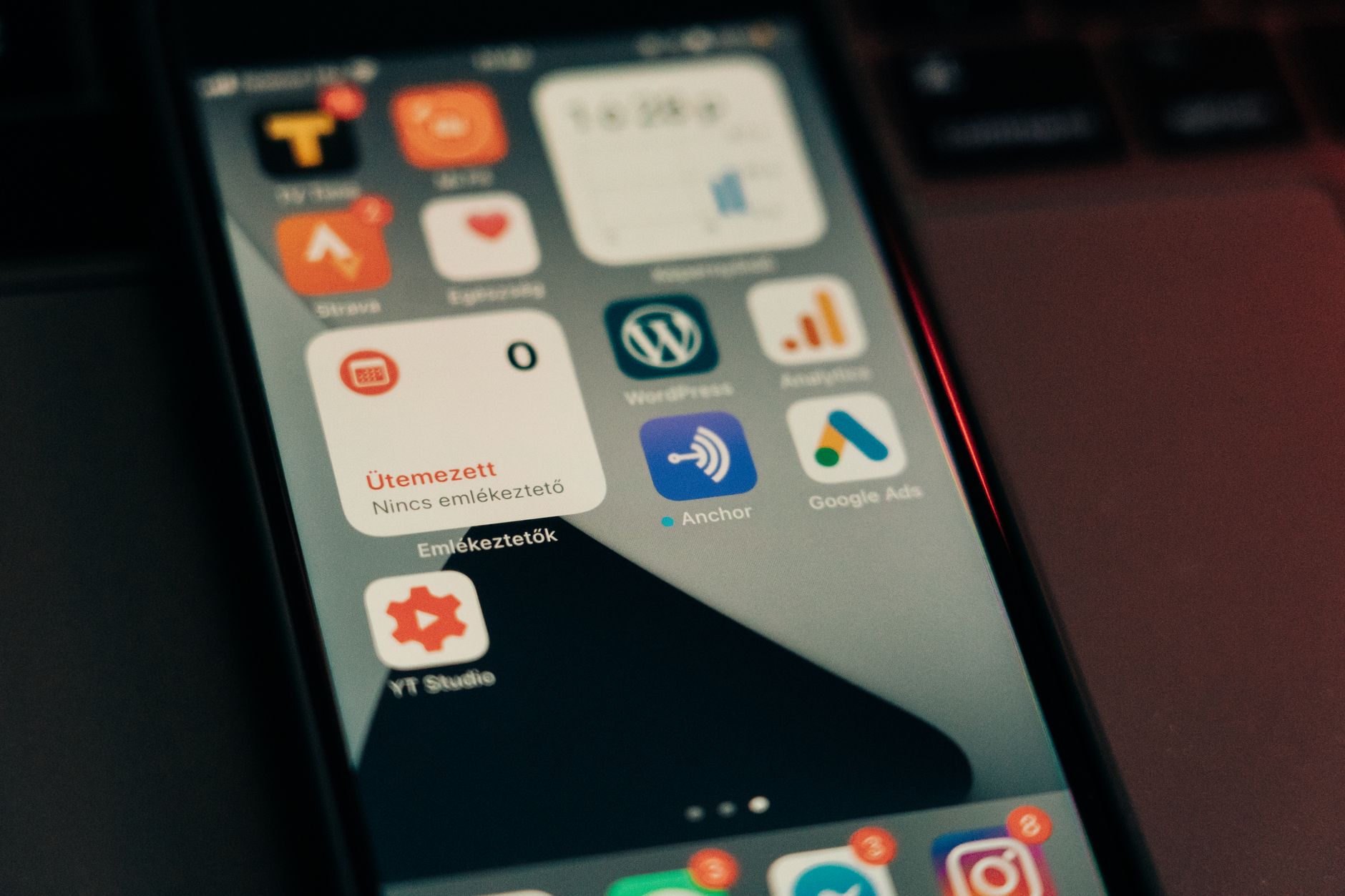
Comienza con un beacon de seguimiento ligero que se active en la exposición inicial y acciones principales (vista, clic, agregar al carrito, compra), enviando una carga mínima a un tablero central. Organiza los datos por variante para que puedas comparar el rendimiento instantáneamente en un conjunto pequeño de cosas y atribuir resultados a la variación correcta. Mantén los datos limpios y puros limitando campos a session_id, variant, event, value, timestamp y método de entrega. Esta configuración ayuda a atraer insights rápidamente y se mantiene resiliente incluso con redes más lentas; si un visitante está intrigado por una chaqueta o maquillaje, deberías poder ver qué variación resuena y si la intención de compra convierte a una tasa significativa, o otra iteración puede revelar diferentes segmentos de clientes.
Donde filtres por calidad, el tráfico cribado importa. Usa benchmarks de semrush para volúmenes de prospección y ajusta tamaños de muestra para que alcances una señal confiable: apunta al menos a 2,000 sesiones calificadas por variante antes de declarar un ganador, y extiende a 5,000 por mes si ejecutas múltiples líneas de producto como una chaqueta y una línea de maquillaje. Usa un beacon server-to-server (S2S) o un enfoque basado en píxel que reconcilie instantáneamente sesiones entre dispositivos, para que puedas comparar tiempos de entrega e intención inferida. Mantén la prueba organizada: nombra cada variación claramente (p. ej., jacket-testA, jacket-testB) y registra la impresión inicial, los puntos de contacto entre canales y la compra final. Si el nuevo creativo se siente natural y esas métricas se mantienen adelante, es capaz de mover el embudo de prospección hacia adelante y activar decisiones más rápidas en campañas del mundo real; marcas como orangetheory a menudo encuentran que los visuales sutiles y puros funcionan mejor para productos de cola larga, porque se mantienen alineados con las expectativas del usuario.
Interpreta resultados con enfoque en impulso confiable en lugar de métricas de vanidad: una tasa de compra 20% más alta en una variación, con eficiencia de entrega sin cambios, justifica un cambio en la entrega creativa y alineación de página de aterrizaje. Si estás intrigado por un nicho, como una chaqueta duradera o un kit de maquillaje limpio, puedes creer la señal instantáneamente cuando tu audiencia se alinea con el mensaje; una estética simple y natural a menudo resuena en flujos de prospección estables. En un caso conciso, si la variante mueve al menos 1.3x las compras base con un valor p por debajo de 0.05 en los próximos 14 días, lánzala ampliamente y documenta el aprendizaje como parte del artículo en curso. Usa este enfoque para mantenerte organizado, creer en los datos y evitar el sobreajuste; la táctica en sí ayuda a los equipos a actuar rápidamente mientras mantienen el control sobre entrega, mensajería y variación creativa.
Enviar una consulta breve
Describe tu sitio, objetivos, público y presupuesto para hablar de una propuesta.
Related Articles

Inteligencia Publicitaria para Ecommerce: Guía Completa de Análisis de Publicidad Competitiva
June 25, 2026
7 Herramientas de Gestión de Presupuesto PPC Impulsadas por Nuevo Software de IA
December 23, 2025