ChatGPT para Empresas - Prompts Efectivos y Estudios de Caso

Comienza con un rol claro y una métrica de éxito concreta. Define quién responde, la tarea y cómo medirás el impacto. Para un lanzamiento de proyecto, proporciona un prompt breve y accionable: Actúa como un analista de marketing de productos y crea un esquema de salida al mercado para el proyecto con cinco pasos concisos, ROI objetivo y un plan para validar suposiciones. Especifica el formato de salida y las restricciones, para que los equipos puedan avanzar rápidamente sin idas y venidas innecesarias. mira los resultados y adapta los prompts a medida que obtengas datos.
Desarrolla una biblioteca de prompts reutilizables para funciones empresariales principales: prospección de ventas, soporte y resúmenes de productos. Cada prompt debe declarar claramente el rol, la tarea, el formato de salida y los criterios de éxito. Usa detalles introductorios para anclar la IA en tu proyecto, y requiere respuestas que sean estructuradas y listas para reutilizar. Cuando se necesiten datos, crea prompts que dependan de fuentes de datos reales y guíen a los equipos de ayuda a través de un flujo de trabajo cómodo usando prompts y plantillas.
Los estudios de caso demuestran un impacto tangible. En un piloto de ventas, prompts que especifican la audiencia, ofrecen un CTA claro y proporcionan un resumen corto redujeron el tiempo de respuesta en un 28–34% y aumentaron los leads calificados en un 12–18%. En soporte al cliente, prompts que requieren un siguiente paso concreto y un mensaje sugerido redujeron el tiempo promedio de manejo en un 17–23% mientras preservaban la satisfacción. Para el desarrollo de productos, prompts que crean historias de usuario y criterios de aceptación mejoraron la alineación entre equipos, gerentes y partes interesadas, con ganancias medibles en la velocidad de entrega y claridad en las respuestas.
Pasos prácticos para implementar ahora: 1) define los objetivos del proyecto y el contexto introductorio; 2) construye plantillas para los prompts más usados; 3) ejecuta una prueba breve con 3–5 prompts y recopila retroalimentación; 4) evalúa la calidad del mensaje y ajusta el lenguaje para mayor claridad; 5) rastrea el impacto en velocidad, conversión y colaboración. Anima a los equipos a pedir al asistente que entregue una actualización de estado breve después de cada ejecución y almacena los resultados en un repositorio compartido para uso posterior, haciendo que sea más cómodo escalar.
Idea principal: la ingeniería de prompts para negocios no es una habilidad rara, sino una práctica diaria. Con cada proyecto, expandes las posibilidades y te vuelves más confiado en cómo ayudar a los colegas a alcanzar metas. Usa estos enfoques en tu estructura propia y revisa los casos para ver cómo las tareas se convierten en resultados a través de prompts efectivos y retroalimentación regular.
ChatGPT para Negocios: Prompts y Estudios de Caso; Preparación para Litigios
Construye un kit de prompts de preparación para litigios con cinco prompts principales: recolección de evidencia, revisión de contratos, evaluación de riesgos, proyección de costos y enrutamiento de escalaciones. Úsalos para resaltar preguntas y hechos clave, y para capturar deudas y datos de pagos antes de las presentaciones. Alinea los prompts con soporte de legal y finanzas y establece objetivos para el tiempo de giro, completitud de datos y auditabilidad. Destaca ventajas como documentación más clara y evidencia más sólida. Incluye una directiva para enumerar documentos de soporte y referenciar la calidad de la evidencia siempre que sea posible (contratos, facturas, correos). Documenta las salidas usando el término "Preparación para Litigios" para asegurar consistencia entre equipos. Además, los prompts deben formular preguntas sobre la exposición más crítica y abordar las preguntas más importantes temprano.
Cómo Diseñar Prompts para Resúmenes Legales Listos para el Tribunal
Comienza con una especificación de salida fija: máximo 180 palabras, tono neutral, sin relleno y un cuerpo claramente etiquetado con Hechos, Problemas, Análisis y Conclusión. El prompt debe producir un resumen listo para el tribunal que sea conciso y verificable, legible para el lado del tribunal. Usa una plantilla que imponga objetividad y evite opiniones.
Diseña prompts para la audiencia: jueces, secretarios y abogados. Usa lenguaje simple, define términos legales cuando sea necesario e incluye citas exactas de estatutos o registros. Esto fieldente reduce la ambigüedad y soporta revisiones precisas en flujos de trabajo basados en chats, por lo que los bucles de retroalimentación permanecen rápidos y constructivos.
Proporciona una plantilla reutilizable con marcadores claros: Hechos: [inserta hechos], Problemas: [lista], Análisis: [análisis], Conclusión: [conclusión]. Mantén los prompts concisos eliminando relleno y guiando la atención a lo que importa en los casos. Incluye instrucciones para insertar material precisamente donde se indica, para que los prompts produzcan salidas consistentes cada vez.
Implementa un paso de validación ligero: calcula el conteo de palabras contra el límite, verifica que aparezcan las cuatro secciones y comprueba el tono para neutralidad. Ejecuta una verificación cruzada rápida contra el registro del caso para evitar tergiversaciones. Rastrea la claridad y completitud para asegurar calidad lista para el tribunal en uso real cuando el trabajo es revisado por una audiencia.
Para colaboración y gobernanza, confía en externalización para QA independiente y mantén bibliotecas de bloques estándar para casos y problemas comunes. Usa prompts que referencien nombres del caso para mantener consistencia, y anima a probar diferentes variantes de prompts para mejorar la cobertura y velocidad entre el equipo y la distribución de tareas sin demoras ni distracciones.
Sanitización de Datos para Prompting: Protegiendo Privilegios y Privacidad
Limita las cargas de prompts al mínimo necesario y enmascara PII antes de prompting para proteger privilegios y privacidad.
Al manejar externalización, impone un estándar estricto de sanitización de datos en todas las transferencias, respaldado por un acuerdo formal de procesamiento de datos y diagramas claros de flujo de datos que identifiquen qué se comparte con equipos externos.
Define qué campos son inseguros para alimentar al modelo e implementa reglas de redacción. Nunca alimentes tu PII; sustituye con marcadores y valida el enmascaramiento con verificaciones automatizadas antes de cada ejecución.
Adopta un enfoque de plantillas para prompts: formula prompts con abstracciones apropiadas al contexto, asegurando que nunca incrustes mensajes completos o datos personales en plantillas usadas ampliamente, y ejecuta un paso de limpieza separado para prompts de uso general como red de seguridad. Incluye pruebas en la suite de validación para verificar la precisión del enmascaramiento en variantes de entrada.
Realiza una revisión de riesgos legales y alinea con reglas de ley; limita los datos usados para personalización y entrenamiento, y define ventanas de retención. Para tu organización, incrusta estos controles en la política de gobernanza y asigna propiedad al equipo de cumplimiento, con revisiones periódicas y decisiones documentadas.
La clasificación de datos debe etiquetar categorías de datos clave, y los controles de acceso deben imponer el menor privilegio. Usa tokenización para identificadores y mantén un mapa de datos que registre de dónde proviene cada pieza de datos y dónde se usa. Cada propietario de datos debe imponer las reglas sobre acceso y retención, y proporcionar un camino claro de escalación para cualquier desviación.
Al formular prompts, evita pedir información confidencial en prompts comunes y mantén las respuestas dentro del alcance permitido. Usa prompts de preparación separados que limpien detalles y enruten cualquier entrada sensible a un preprocesador seguro. Mantén un glosario centralizado para términos para asegurar frases consistentes entre equipos y proyectos.
Mantén pautas generales para escritura que sean parte de mensajes de flujo de trabajo; asegura que el contenido de tus escritos no filtre información sensible cuando se reenvíen por equipos externos. Mira ejemplos en la sección de gestión de datos y sigue las instrucciones en tu guía para evitar fugas accidentales y preservar la pureza de los datos de tu portafolio.
Para ahorrar tiempo y cómputo, monitorea el uso de prompts con reportes; implementa un registro de auditoría ligero que capture quién inició un prompt, qué datos se incluyeron y el resultado. Esto te permite tomar acciones correctivas en segundos por tus equipos de inteligencia artificial y mantiene trazabilidad para revisiones regulatorias.
Estudio de Caso: El Uso de ChatGPT por una Firma para Redactar Deposiciones y Exhibiciones
Lanza una biblioteca estructurada de prompts (prompts) para redactar deposiciones y exhibiciones, con límites claros de tareas, versionado y verificaciones con humano en el bucle. Cada prompt se enlaza a una base de conocimiento (conocimiento) y a una biblioteca de conocimiento para precedentes. Las salidas se vuelven más calificadas cuando se verifican cruzadamente por un revisor, y esto reduce el retrabajo en etapas posteriores.
La firma rastreó cifras en cinco asuntos, notando una caída en el tiempo de redacción: los esquemas de deposiciones cayeron de una mediana de 2.5 horas a 1.2 horas, y el número de exhibiciones redactadas por asunto aumentó en un 40%. El pipeline de procesamiento–extracción de hechos, verificaciones cruzadas y metadatos de exhibiciones–se codificó en prompts y verificaciones automatizadas para aumentar la confiabilidad.
Los prompts ayudan al equipo legal a cumplir necesidades legales: ayudan a los abogados a usar plantillas para mantener consistencia en deposiciones y exhibiciones, y a resaltar especificidades como nombres, fechas, estatutos e IDs de exhibiciones. El modelo entiende matices jurisdiccionales y puede marcar áreas inciertas para revisión humana, reduciendo ambigüedad y acelerando ciclos de aprobación.
Los guardarraíles incluyen un protocolo de rechazo incorporado: cuando el modelo no puede verificar una afirmación, devuelve una nota marcada para revisión humana, previniendo acciones de inacción y posibles declaraciones inexactas. El registro guía actualizaciones a la biblioteca de prompts y la base de conocimiento, creando un bucle de retroalimentación que afina la precisión con el tiempo.
En la esfera de cobro de deudas, los prompts alinean el contenido de deposiciones con la posición del cliente y exhibiciones de soporte. El sistema ayuda a generar materiales para ventas que permanezcan conformes con las reglas del tribunal, mientras preservan límites de confidencialidad y privilegios. Los borradores incluyen referencias explícitas a las reclamaciones del acreedor y términos contractuales, ensamblados con citas precisas e indexación de exhibiciones.
Para validar el enfoque, la firma ejecutó pruebas A/B comparando dos variantes de prompts para resúmenes de exhibiciones. La variante B redujo los ciclos de revisión en un 28% y cortó correcciones de citas en un 15%. El equipo documentó un cálculo de ahorros de tiempo y fijó la mejor variante en la biblioteca compartida, con notas para mejora continua y pruebas futuras.
Lecciones clave para otras firmas: construye una biblioteca de prompts entre equipos; conecta prompts a una base de conocimiento y una biblioteca robusta; monitorea atención a banderas rojas y mantén un ciclo de pruebas para mantener la calidad. Asegura entrenamiento para el personal legal para que entiendan cómo los prompts se mapean a hechos, y mantén un proceso para abordar acciones de inacción mientras expandes casos de uso a ventas y otros flujos de trabajo legales. El resultado es un flujo de trabajo escalable y auditable que fortalece la selección de datos, mejora la precisión e informa cálculos más inteligentes para la estrategia de casos.
Construyendo una Biblioteca de Prompts Reutilizable para Preparación de Testigos y Resúmenes de Evidencia
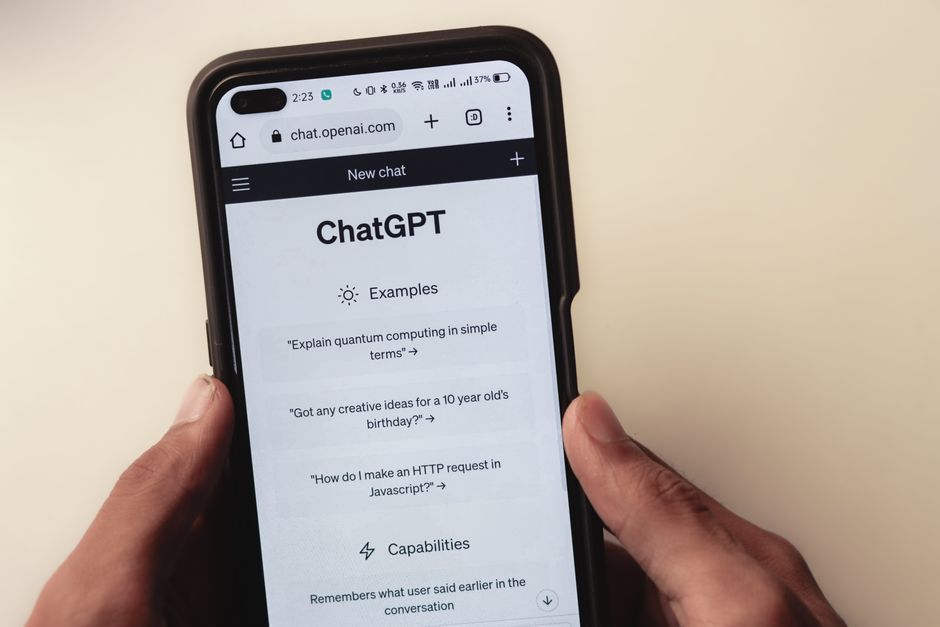
Recomendación: Construye una biblioteca de prompts centralizada y controlada por versiones para preparación de testigos y resúmenes de evidencia. Una taxonomía objetivo guía los prompts, y chatgpt impulsa el flujo de trabajo; las limitaciones están documentadas y probadas. Proporcionaré un kit inicial con plantillas breves y precisas para casos judiciales, textos y esquemas de argumentos para soportar tus operaciones de negocio en calidad. La biblioteca tiene un esquema de nomenclatura que usa campos de nombre de testigo y almacena valores de cada prompt, y tiene procedimientos claros para actualizaciones.
- Define familias de prompts principales: Preparación de Testigos, Resúmenes de Evidencia y Redacción de Argumentos. Asegura que cada familia incluya prompts que aborden objeciones contra, y mantén salidas concisas pero completas. La estructura debe soportar tanto textos como citas, mientras preserva valores clave para agilizar la revisión.
- Diseña prompts con un formato conciso y repetible: cada prompt incluye un objetivo breve, la audiencia objetivo y la longitud de salida esperada. Este enfoque permite producir resultados consistentes en 4–6 oraciones y devuelve guía accionable para tu equipo. Incluye guardarraíles para detalles sensibles para respetar limitaciones.
- Impone un modelo de datos claro: almacena campos para nombre, identificador de caso, números de exhibiciones e fechas. Mantén valores para cada campo y asegura que los prompts referencien estos valores sin revelar detalles innecesarios. Esto permite recombinación rápida en casos judiciales y reduce retrabajo.
- Estandariza cómo se generan los resúmenes de evidencia: separa los hechos de las interpretaciones, y proporciona argumentos contra y de soporte en secciones limpias. Usa prompts dirigidos que produzcan resúmenes neutrales cortos (breves) adecuados para presentación o briefing en reuniones.
- Gobernanza y verificaciones de calidad: implementa un proceso de revisión, registra cambios (hechos) en prompts y rastrea cumplimiento con políticas corporativas y estándares éticos. Planea auditorías mensuales y ejecuta una sesión de prueba de media hora para verificar la calidad de salida antes del despliegue. Este enfoque protege contra desviaciones y casos límite raros.
Plantillas y prácticas prácticas para desplegar ahora
- Plantilla de preparación de testigos: "Prepara un resumen neutral y conciso del testimonio del testigo, enfocándote en hechos clave, cronología y posibles lagunas. Incluye una lista corta de preguntas que los insiders (contra) trades considerarían, y proporciona un esquema para contrainterrogatorio. La salida debe ser un breve briefing que incluya nombre del testigo y nombre del caso, sin especulación más allá de registros documentados." (palabras clave: textos, contra, valor, nombres, corte)
- Plantilla de resumen de evidencia: "Resume evidencia documental en un breve estructurado: número de exhibición, fuente, fecha, relevancia y una conclusión de 1-2 oraciones. Destaca cualquier línea de evidencia conflictiva y posibles debilidades en el caso." (palabras clave: valores, textos, judiciales, caso)
- Plantilla de borrador de argumentos: "Redacta un esquema de argumentos dirigido para el memo de presentación: reclamación, hechos de soporte, contraargumentos y lenguaje mitigante sugerido. Mantén brevedad y evita texto estándar; asegura claridad para abogados y jueces." (palabras clave: argumentos, breve, mejor)
- Plantilla de cumplimiento y riesgo: "Marca riesgos potenciales de cumplimiento en una revisión de documentos, incluyendo consideraciones de privacidad de datos y precisión de citas. Etiqueta ítems que se relacionen con regulación contable y controles de negocio para mantener documentación de calidad ajustada." (palabras clave: contable, negocio, calidad, limitaciones)
- Protocolo de revisión y actualización: "Cuando se agreguen nuevas fuentes (hechas), vuelve a ejecutar los prompts relevantes contra el conjunto actualizado para asegurar consistencia. Documenta cambios bajo nombre del proyecto, y nota cómo los meta-valores de salidas (valores) cambian con el tiempo." (palabras clave: hechas, nombres, valores, mensual)
Consejos para adopción práctica
- Comienza con un piloto de 1–2 horas por mes para calibrar prompts en testigos y casos, luego acorta a un ritmo continuo. Usa una ventana de revisión de media hora para verificar que las salidas cumplan estándares antes de distribución más amplia. (palabras clave: mes, media hora, mejor)
- Asigna propiedad por unidad de negocio: equipos legales, de cumplimiento y operaciones colaboran en prompts, asegurando que las salidas permanezcan precisas y detalles alineados con políticas corporativas. Esta colaboración fortalece la calidad y reduce riesgos. (palabras clave: negocio, calidad, limitación, tiene, permite)
- Documenta terminología y sinónimos en un glosario compartido para evitar malinterpretaciones durante reprocesamientos y resúmenes. Incluye formulaciones para nombres y identificadores de casos para asegurar uniformidad. (palabras clave: valores, nombres, caso, procesamiento)
- Establece guardarraíles alrededor de textos sensibles: redacta datos personales, aísla información privilegiada y etiqueta salidas que requieran revisión humana. Esto mantiene las salidas utilizables en corte mientras protege la privacidad. (palabras clave: textos, contra, ley)
- Monitorea resultados contra resultados del mundo real: rastrea qué prompts se alinean con resultados judiciales favorables y cuáles requieren ajuste, refinando la biblioteca como una inversión a largo plazo.
Gestión de Riesgos: Verificando Citas, Reduciendo Alucinaciones y Manteniendo Rastros de Auditoría
Para reducir alucinaciones en respuestas, ancla las salidas a fuentes primarias y vincula cada afirmación a al menos una fuente. Adjunta un bloque de evidencia con fuentes usadas (usadas) y una puntuación de confianza. Cuando una afirmación carece de verificación, pide aclarar y escalar a equipos para guía; documenta el razonamiento en el registro de análisis para preservar conocimiento y verdad para auditorías futuras. Este enfoque reduce declaraciones de problemas y asegura que los formatos soporten procesos de negocio en el ámbito de finanzas y análisis.
Mantén rastros de auditoría capturando el prompt, las versiones usadas (versiones), el usuario, la marca de tiempo (tiempo) y cada cambio en la estructura. El marco de registro tiene campos: tarea, tiempo, versiones (versiones), formato, fuentes usadas (usadas) y resultado. Esta capacidad permite reconstrucción rápida durante problemas y soporta equipos en el marco de planificación de necesidades, riesgos y responsabilidades. También ayuda a alinear con contexto financiero y requisitos operativos, asegurando trazabilidad más rápida.
Verificación de Citas y Manejo de Fuentes
| Paso | Acción | Formato | Evidencia/Fuentes | Propietario | Tiempo / Versión |
|---|---|---|---|---|---|
| Captura citas | Adjunta bloque de cita completo después de la respuesta | Bloque HTML/Cita | Fuentes primarias | Analista | v1.0 |
| Verifica hechos | Verificación cruzada con bases de datos confiables | Lista de verificación | Resultados de verificación cruzada | QA/Analistas | v1.1 |
| Registra y revisa | Agrega entrada al registro de auditoría incluyendo prompts y decisiones | Registro de tabla | Tabla de auditoría | Riesgo/Cumplimiento | v1.2 |
| Escala | Si la confianza es baja, enruta a equipos para revisión | Nota de ticket/Revisión | Notas de revisión | Cumplimiento | v1.3 |
Rastros de Auditoría y Control de Versiones
Mantén inmutabilidad para registros, vincula cada respuesta a una versión específica y tiempo, y registra quién solicitó la tarea. La estructura tiene campos para tarea, prompt, respuesta, fuentes usadas (usadas), versión (versiones), tiempo (tiempo) y revisor. Planea revisiones periódicas de formatos y necesidades de negocio, asegurando responsabilidad en el ámbito financiero, operaciones y desarrollo de productos. Los flujos de trabajo están diseñados para que los equipos (equipos) puedan rastrear qué se preguntó, qué se respondió y qué fuentes informaron la respuesta, manteniendo problemas al mínimo y permitiendo remediación más rápida cuando sea requerida.
📚 Más sobre Generación de IA y Prompts
- Ingeniería de Prompts - Cómo Escribir Prompts Efectivos para ChatGPT
- Prompt de Etiqueta de Perro para ChatGPT - Cómo Crear Prompts de IA Efectivos
- Cómo Escribir Prompts Efectivos para ChatGPT - Ejemplos de Prompts de Texto y Mejores Prácticas
- Cómo Escribir Prompts Efectivos para ChatGPT - Secretos, Consejos y Trucos
- 50 Prompts para ChatGPT y Otras IA Basadas en Texto para Marketers y Dueños de Negocios
Enviar una consulta breve
Describe tu sitio, objetivos, público y presupuesto para hablar de una propuesta.


