Google DeepMind Veo - Generador de videos con IA y audio sincronizado que cambia la industria cinematográfica
Recomendación: ejecuta un clip piloto de dos minutos con tu propio guion para verificar la sincronización de audio y video de Veo dentro de 48 horas, y establece criterios claros de éxito para la precisión de sincronización labial y la estabilidad de exportación.
Veo alinea el audio generado con los fotogramas de video, permitiendo a estudios independientes producir escenas sin diseño de sonido separado, lo que reduce el trabajo posterior y muestra cómo las transiciones pueden ser notablemente más ajustadas. En las pruebas, los equipos reportaron mejoras en eficiencia y precisión, con particular énfasis en la alineación del habla en escenas concurridas. Esta capacidad es relevante tanto para spots publicitarios como para secuencias de largometrajes, donde la iteración rápida importa.
Para medir el impacto, rastrea métricas de flujo de trabajo: tiempo hasta el corte final, número de revisiones y la consistencia de coincidencias de voz a través de escenas. Recopila reseñas de editores y diseñadores de sonido, y recoge publicaciones de las partes interesadas para detectar problemas tempranamente. El proceso continúa evolucionando a medida que ellos refinan los prompts y perfiles de voz, y la información de cada proyecto ayuda a los productores a comparar salidas e identificar dónde aplicar Veo a continuación. Las personas de todos los departamentos contribuyen impresiones a través de publicaciones y reseñas.
Para confianza y gobernanza, adjunta procedencia c2pa a las salidas, permitiendo la verificación independiente de autoría y ediciones. Esto ayuda a fortalecer relaciones con socios y distribuidores, proporcionando un rastro claro para cada fotograma. Si algo parece extraño, equilibra revirtiendo a ajustes guiados por humanos o habilitando una pasada de mezcla separada; esto mantiene el flujo de trabajo ágil mientras protege la intención creativa. El rastro de información también soporta el cumplimiento y auditorías a través de departamentos.
Para cineastas independientes y dueños de tiendas evaluando Veo, comienza con un proyecto pequeño y compara salidas con tu línea base artesanal. En lugar de reemplazar editores humanos, Veo actúa como una herramienta colaborativa que acelera la línea de producción mientras preserva el tono y el ritmo. Publica unas pocas publicaciones para recopilar retroalimentación de la audiencia, y confía en reseñas para ajustar perfiles de voz. El enfoque produce drásticamente mayor precisión cuando se combina con barreras de protección y procedencia clara.
Sincronización de Audio-Video en Tiempo Real: Objetivos de Latencia, Formatos de Exportación y Compensaciones de Calidad
Recomendación: Establece latencia de extremo a extremo en 120 ms o menos para la mayoría de escenarios de sincronización en vivo, y mantén el desplazamiento de audio-video dentro de una ventana de ±20 ms usando detección rápida y compensaciones correctivas. Construye un camino compacto y dedicado para el contenido principal y un hilo separado para la interacción con la audiencia en Instagram y YouTube, para que la visualización permanezca fluida mientras personalizas experiencias para campañas de comercio electrónico y equipos. Este artículo alinea bloques de aprendizaje profundo de máquina para predecir demanda y optimizar relaciones con audiencias. Ya sea que escales a mil millones de interacciones o a un flujo más pequeño, apunta a precisión y calidad estable mientras reduces brechas que causan descompromiso. Después de detectar deriva, aplica una política de almacenamiento en búfer dinámica para que los espectadores interactúen con el contenido en lugar de esperar repeticiones. Ser proactivo con el control de tasa y la codificación adaptativa genera confianza y mantiene a los espectadores comprometidos a través de plataformas.
Objetivos de Latencia
Objetivo de latencia de extremo a extremo 100–150 ms para experiencias en vivo que requieren sincronización labial ajustada; descompone el camino para mantener la captura local, codificación y transporte bajo 60–80 ms donde sea posible. Implementa detección de deriva en la interfaz audio-visual con corrección automática de desplazamiento para mantener alineación de ±20 ms; limita el almacenamiento en búfer exterior en 1.5–2.0 segundos en redes móviles para evitar retrasos notables. Usa un pipeline modular que pueda cambiar entre modos de baja latencia para interacciones de comentarios en tiempo real y modos de búfer más alto para reproducción más suave en conexiones más lentas. Este enfoque soporta los mejores resultados para audiencias y reduce quejas de marcas, estados y editores sobre discrepancias de tiempo.
Para soportar la demanda en evolución, monitorea el rendimiento a través de métricas clave: estabilidad de tasa, precisión de detección y deriva de extremo a extremo. Si equipos basados en Riga u otros equipos globales colaboran, verás ciclos de reparación más cortos y decisiones más rápidas sobre si empujar actualizaciones a producción o probar en un entorno de staging. El objetivo es mantener la experiencia consistente a medida que varían dispositivos, redes y pantallas, lo que fortalece la conexión entre creadores y espectadores.
Formatos de Exportación
Entregable predeterminado: MP4 con video H.264/AVC o H.265/HEVC y audio AAC para maximizar compatibilidad con Instagram y YouTube; proporciona WebM (VP9/AV1 con Opus) para experiencias web donde los navegadores soporten códecs modernos. Para pipelines profesionales, ofrece ProRes 422 HQ o ProRes RAW como exportación opcional para edición y archivo. Para flujos de trabajo de comercio en vivo, habilita streaming de baja latencia vía CMAF o MP4 fragmentado con tamaños de chunk configurables para minimizar recodificación, manteniendo la sincronización intacta a través de dispositivos. Objetivos típicos de bitrate: 1080p a 8–12 Mbps para H.264, 4K a 25–40 Mbps, con audio a 192–320 kbps AAC u Opus en WebM. Usa 30 o 60 fps dependiendo de la prioridad del contenido, y predetermina a color de 10 bits cuando la fuente y la cadena de visualización soporten HDR. Asegura que los perfiles de plataforma coincidan con los presets de exportación para que la calidad se mantenga alta en feeds de Instagram y listas de reproducción de YouTube sin forzar recodificación adicional que agregaría retraso o degradaría la precisión.
Flujo de Trabajo de Estudio de Extremo a Extremo con Veo 3: Integrando Guion, Casting y Post-Producción
Usa un flujo de trabajo unificado de Veo 3 que vincula guion, casting y post-producción en un proyecto dentro de Veo 3, y automatiza los handoffs entre etapas para recortar días del horario.
En el mundo de hoy, este enfoque soporta producciones escalables desde un anuncio de video para comercio electrónico hasta campañas multi-escena, mientras preserva el control creativo.
- Alineación de guion a toma
- Importa el guion y auto-segmenta en escenas; adjunta metadatos de escena y notas de producción; configura una plantilla basada en patrones que mapea beats a tipos de tomas; usa búsqueda y análisis para etiquetar momentos clave en el metraje, todo dentro del motor de Veo 3.
- Crea un storyboard vivo que se actualiza a medida que ocurren cambios en el guion; exporta una lista de tomas concisa para revisión para mantener a los editores tradicionales alineados.
- Casting y gestión de talento
- Abre llamadas de casting vía instagram, teléfonos y blogueros; gestiona solicitantes en Veo 3 con seguimiento de derechos de terceros y aprobaciones; después de selecciones, genera hojas de llamada y emite órdenes de compra para derechos de uso.
- Automatización de post-producción y flujo de trabajo de activos
- Ingiere metraje de cámaras, teléfonos y otras fuentes; la automatización transcodifica y formatea salidas para colocaciones de anuncios de video; genera activos para clips breves y briefs para cortes de larga duración; aprovecha desarrollos en metadatos para agilizar ediciones.
- Gestión de activos y distribución
- Organiza todo el metraje y renders con metadatos; dentro del mismo proyecto, vincula activos a catálogos de comercio electrónico y portales de clientes; publica en los canales de hoy, incluyendo instagram y otros feeds sociales, y asegura que los activos lleguen al lugar correcto en portales de clientes o sitios de minoristas.
- Análisis, retroalimentación y optimización
- Usa búsqueda y análisis para rastrear rendimiento a través de variantes de anuncios de video; recopila retroalimentación enviada y señales post-lanzamiento; aplica aprendizaje a guiones futuros y plantillas de casting; refina flujos de trabajo para reducir tiempo de publicación y mantener una vista de trillón de millas en escala.
Presupuestación para Veo 3: CapEx, OpEx y Costos Ocultos en Producción
Recomendación: crea un presupuesto de tres partes con CapEx fijo, OpEx variable y costos ocultos, luego monitorea con un modelo predictivo que rastrea costo por minuto y ingresos por proyecto, y establece responsabilidad directa con dueños de presupuesto. Este enfoque ayuda a los equipos a mantenerse alineados y soporta tres objetivos principales: flujo de caja estable, pruebas escalables y resultados repetibles.
Cuando pruebes tres hogares en paralelo para validar experiencias sincronizadas, reserva espacio adicional para almacenamiento compartido, ancho de banda y cargas de modelo. Usa palabras clave para etiquetar activos y rastrear resultados, y planea para promoción y alcance a través de correos electrónicos. En lugar de perseguir ganancias a corto plazo, centra decisiones en una tasa de ejecución sostenible que impulse la expansión global, personalización y adopción a través de regiones usando un flujo de trabajo habilitado por smartphone dentro de plazos ajustados.
CapEx: hardware, software y licencias
CapEx cubre rigs de Veo 3, aceleradores de IA, cámaras, almacenamiento local y licencias de software principal. Estimado inicial por nodo corre de $15k-$25k para GPUs, $2k-$5k para almacenamiento y $1k-$3k para licencias; una configuración de tres nodos cae en el rango de $50k-$100k. Si prefieres propiedad, planea depreciación sobre 24-36 meses; si optas por un modelo de suscripción, bloquea un término de dos años para estabilizar la base de costos. Usa un pool de hardware compartido a través de producciones para mejorar utilización y reducir tiempo inactivo, mientras aseguras continuidad de campañas y auditorías. Alinea adquisiciones con promos regionales y SKUs en bulk para bajar costos impulsados por palabras clave y acelerar el rollout global.
OpEx y costos ocultos: gasto operativo, personal y promoción
OpEx cubre cómputo en la nube, almacenamiento y sincronización de audio, más mantenimiento continuo. Gasto mensual estimado para una ejecución a mediana escala: $6k-$20k para cómputo, $1k-$5k para almacenamiento y $1k-$3k para soporte. Costos de personal incluyen 1-2 ingenieros u operadores por proyecto, aproximadamente $8k-$15k por mes en salarios, más tarifas de contratistas para QA de audio. Costos ocultos surgen en entrenamiento, incorporación y transiciones a Veo 3: presupuesta $5k-$15k por año para materiales y $2k-$6k para contratos de soporte. Costos de promoción–correos a productores, distribuidores y hogares–rango $1k-$3k por campaña. Plane para flujos de trabajo de personalización y clips compartidos que mejoren el compromiso y eleven ingresos conectando experiencias con segmentos de audiencia. Factoriza colaboración cross-región y bucles de revisión habilitados por smartphone; el modelo predice ganancias de ingresos a través de entrega más rápida, tasas de completación más altas y satisfacción de audiencia mejorada dentro de horarios ajustados.
Estadísticas de PPC para Campañas de Veo 3: Tasas de Clic, CPC y Benchmarks de Conversión
Recomendación: adopta un bucle de optimización impulsado por datos en tiempo real que evoluciona CTR y baja CPC a través de campañas de Veo 3, integrando personalización para comprometer audiencias y impulsar promoción a través de puntos de contacto de comercio electrónico.
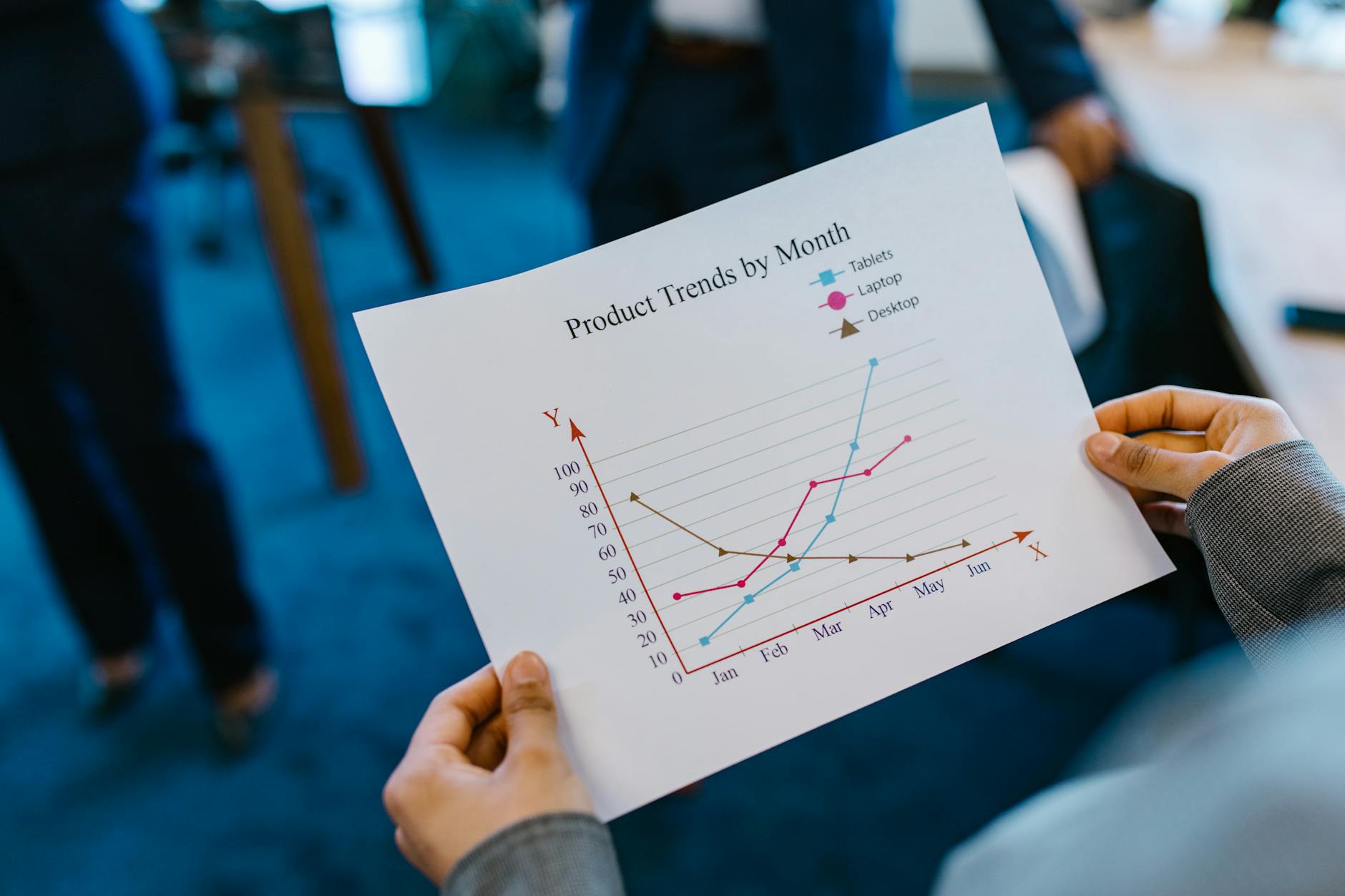
Datos de fuente de paneles de control internos y reportes de Google Ads confirman la línea base: CTR promedio 3.4%, CPC promedio $1.60 y tasa de conversión 4.8%, con CPA cerca de $31. En el año por delante, mil millones de impresiones a través de demanda de video en línea requieren targeting más ajustado en metraje y llamadas a acción para impulsar acción en el sitio web.
Campaña A entregó un CTR de 3.9%, CPC $1.25 y una tasa de conversión de 5.2%, probando que targeting más limpio y CTAs más agudos abren la puerta a mayor compromiso y menos desperdicio en presupuestos.
Campaña B mostró un CTR de 3.1%, CPC $1.75 y una tasa de conversión de 4.4%, ilustrando espacio para elevar rendimiento con grupos de palabras clave refinados y audiencias más ajustadas a través de ajustes de puja en tiempo real.
Campaña C registró un CTR de 2.8%, CPC $2.05 y una tasa de conversión de 4.1%, destacando el impacto de metraje de conciencia standalone y colocaciones más selectivas para equilibrar alcance y acción.
A través de canales, la mezcla se inclinó hacia búsqueda, que representó aproximadamente el 58% de clics, con Shopping al 22% y display al 20%. Esta distribución soportó un enfoque equilibrado: invierte más en palabras clave de alta intención mientras mantienes visibilidad de marca a través de colocaciones listas para video que alimentan el embudo del sitio web.
Para impulsar ganancias, aplica estas tácticas: prueba 5 copias de anuncios nuevas y 2 extensiones por grupo, alinea metraje con intención del usuario y aplica ajustes de puja en tiempo real basados en señales de rendimiento por hora; esto mantiene presupuestos ágiles mientras maximiza potencial de compromiso a través de canales en línea. Un cadence disciplinado de refresco creativo, personalización en experiencias de aterrizaje y capas de audiencia mejora acceso a segmentos de alta intención y reduce impresiones desperdiciadas.
Lecciones Clave
Para afinar resultados, enfócate en mejorar CTR en segmentos de alta intención y recortar CPC con coincidencias exactas y refinamiento de palabras clave negativas. Usa CTAs orientados a acción y mensajes de promoción temáticamente ajustados que se alineen con metraje y narrativa. Aprovecha insights impulsados por datos para reequilibrar presupuestos trimestralmente, reconociendo que la optimización en tiempo real puede impulsar cambios significativos en benchmarks de conversión año tras año. Este enfoque ayuda a agencias e equipos internos por igual a mantenerse ágiles a través de integración de tácticas cross-canal y personalización a escala.
Pasos Accionables Siguientes
Abre una ventana de revisión semanal para comparar CTR, CPC y tasa de conversión promedio por campaña, luego reasigna una porción del presupuesto a los mejores performers. Prioriza acceso a datos en tiempo real, prueba nuevas tácticas con metraje alineado a intención del usuario y asegura que feeds de datos de fuente estén sincronizados a través de plataformas para reportes consistentes. Al integrar estos pasos, probablemente fortalezcas el compromiso, reduces gasto desperdiciado y mantienes campañas a través de iteración constante por delante de competidores en el cambio mayor que está remodelando estrategias de promoción para el sector de cine y medios.
Riesgos, Cumplimiento y Privacidad de Datos en Video Generado por IA para Marketing
Implementa procedencia verificable para videos generados por IA usando c2pa y adjunta evidencia de consentimiento de sujetos de datos y titulares de derechos. Construye privacidad por diseño en cada paso de producción: limita entradas, anonimiza datos personales y mantén el enfoque en segmentos de audiencia en lugar de identificadores crudos. Nombra un gerente dedicado para supervisar fuentes de datos, entradas de modelo, retención temporal y condiciones de lanzamiento, asegurando cumplimiento a través de campañas.
Riesgos incluyen fuga accidental de datos a través de rastros de audio o visuales, salidas sesgadas o engañosas, no cumplimiento de reglas de plataforma y dependencia de modelos externos que carecen de gobernanza fuerte. El impacto puede disrupting relaciones con anunciantes, reducir calidad de clics y erosionar confianza de marca. Mantén evaluaciones de riesgo breves pero precisas para cada activo y requiere sign-off claro antes del despliegue.
Pasos de cumplimiento mapean flujos de datos a través de sistemas, realiza una evaluación de impacto de protección de datos y establece acuerdos de procesamiento de datos con vendedores. Asegura bases legales para procesamiento, implementa controles de transferencia cross-border y verifica procedencia c2pa en cada activo. Haz cumplir procesos de derechos de sujetos de datos e implementa horarios de retención para minimizar exposición temporal mientras soporta necesidades legítimas de negocio.
Los anunciantes deben requerir a vendedores proporcionar tarjetas de modelo y briefs de privacidad, usar múltiples verificaciones para targeting que eviten sobre-colección y rastrear clics y compromiso con métricas preservadoras de privacidad. Mantén rastros de auditoría, haz cumplir acceso basado en roles y mantén términos de contrato actualizados con estándares de gobernanza. Construye una solución que alinee objetivos creativos con realidades de cumplimiento sin ralentizar el crecimiento.
Controles y Métricas
Mantén un mapa de flujo de datos actual y actualízalo a medida que evolucionan los sistemas. Usa c2pa para procedencia y resistencia a manipulación, y aplica marca de agua de salida para soportar responsabilidad sin comprometer UX. Limita retención de datos a necesidades temporales, haz cumplir encriptación en tránsito y en reposo, y requiere revisiones periódicas de riesgos de terceros y términos de contrato.
📚 Más sobre Creación de Video
- Generador de Video IA Gratuito de Google Veo 3 con Audio Nativo
- Google Veo 3 - Alterando la Creación de Video IA con Audio Integrado
- Google Veo 3 - Desatando Creatividad con el Generador de Video IA Definitivo
- Google Lanza Generador de Video IA Veo 3 para Suscriptores de Gemini Pro
- Google Revela Generador de Video IA Veo 3
Enviar una consulta breve
Describe tu sitio, objetivos, público y presupuesto para hablar de una propuesta.
Related Articles
Requisitos de Feed de Productos para Agentes de IA: Especificaciones Técnicas Completas
August 10, 2026
Riesgo de Fraude en Checkout con Agentes IA para Tiendas Online: Detección, Prevención y Arquitectura de Seguridad
August 7, 2026