La neurociencia de la narración de historias - Cómo las historias involucran al cerebro

Recomendación Tus lectores no pueden ignorar un problema enmarcado claramente. Presenta un desafío real que enfrenta tu audiencia, luego ofrece un camino práctico en el que puedan actuar ellos mismos. Este enfoque se alinea con cómo procesamos la información: hace que el cerebro prediga qué viene después y reduce la fricción para continuar leyendo. Usa una emoción específica para anclar la primera escena, porque la emoción ayuda a la memoria y la motivación en el momento, no solo a la lógica abstracta.
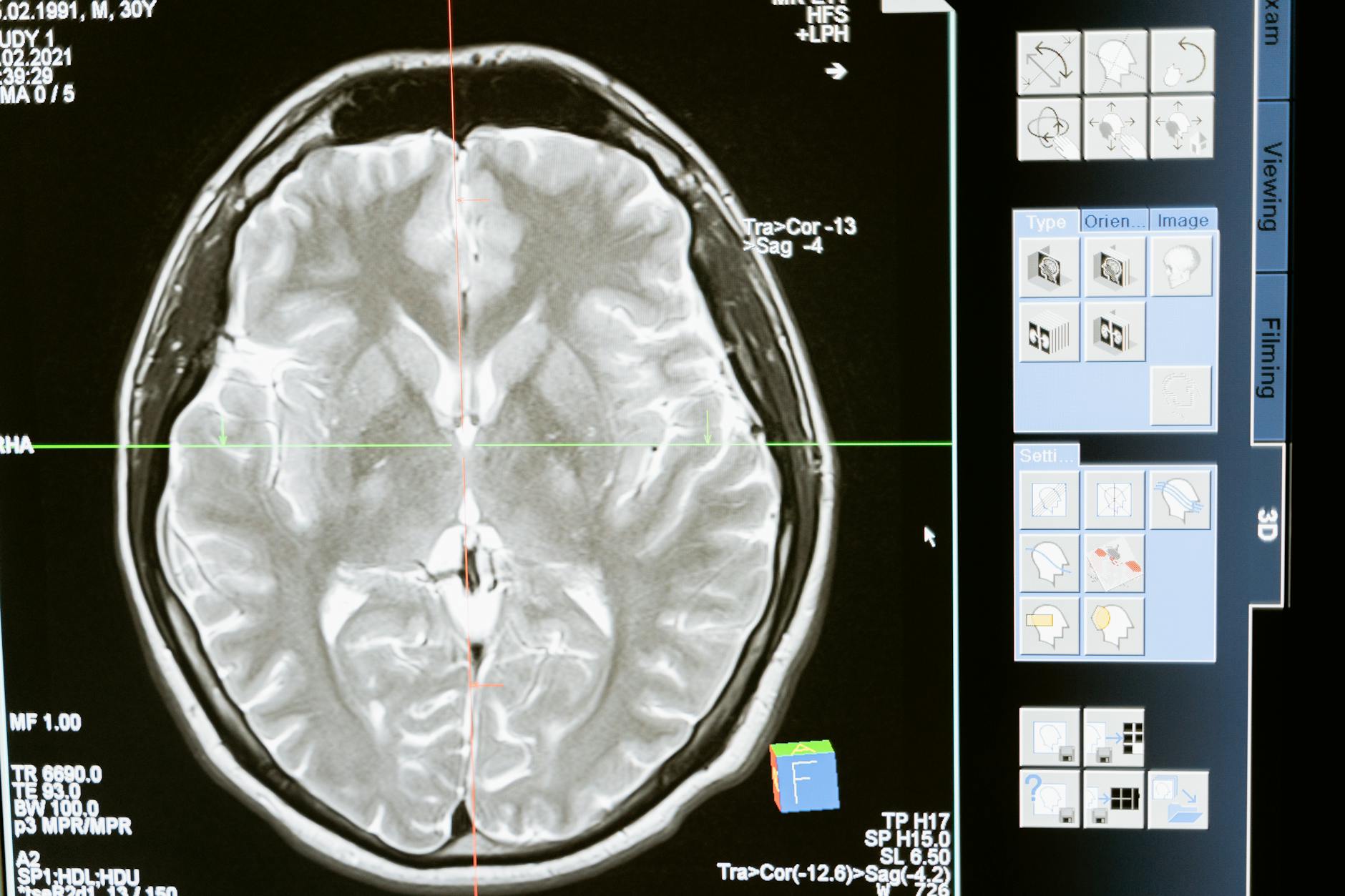
En el cerebro, las historias activan múltiples redes a la vez. El hipocampo une detalles en un mapa de memoria utilizable, mientras que la amígdala etiqueta la relevancia, y los circuitos prefrontales guían la atención y la toma de decisiones. Un giro o un inesperado cambio activa predicciones impulsadas por dopamina, por lo que los lectores buscan el siguiente ritmo y retienen más del contexto. Para mensajes de marketing, esto significa tejer hechos y sentimientos juntos para moverlos hacia una decisión, en lugar de listar características en una secuencia seca.
Crea un arco simple con una estructura clásica: gancho, escalada y resolución. Introduce un protagonista en el que tu audiencia pueda verse a sí misma, muestra un problema, luego revela una solución práctica que lo resuelva. Esparce detalles sensoriales y una razón clara para importar; evita sermonear. Un giro–un inesperado cambio–activa predicciones impulsadas por dopamina, por lo que los lectores buscan el siguiente ritmo y retienen más del contexto. Para un chispa extra, un momento de sorpresa reformula las apuestas y crea un rastro de memoria vívido. Imagina una rana en el borde de un estanque como metáfora del progreso: cada salto es una decisión, y el cerebro ama movimientos pequeños y decisivos que llevan hacia una meta. Si el protagonista no actúa, la memoria se desvanece y el impacto se escapa.
Traduce esto a la práctica con pasos concretos para contenido de marketing. Comienza con una declaración de problema de una línea, luego una escena corta que muestra el desafío en acción. Usa verbos concretos y detalles sensoriales para anclar la memoria. Rastrea resultados con métricas simples: cuánto tiempo permanecen los lectores en la página, si recuerdan el punto principal después de 24 horas, y si toman la siguiente acción. Para copias, prueba dos versiones de la escena de apertura y elige la que los mantiene viendo más tiempo. Mantén la narrativa ajustada–evita sobrecargar con hechos–y deja que la emoción impulse la decisión de involucrarlos más, no solo la lógica.
A medida que apliques este enfoque, verás cómo las historias se conectan con ellos a un nivel visceral. Puedes medir el impacto comparando el compromiso y el recuerdo contra un control que usa listas de viñetas simples. El objetivo es hacer que tu narración sea parte de un proceso repetible en marketing que respete tanto la emoción como la lógica, y que los lectores recuerden mucho después de leer la primera oración.
Serie de Blog de CMI: La Neurociencia de la Narración
Comienza con un personaje relatable en el marco de apertura para activar la resonancia emocional y encender sus cerebros. Justo después, coloca el resultado dentro del marco para que el espectador vea una meta clara detrás de las acciones. En una campaña de marketing, un gancho así construye confianza, aumenta el recuerdo y crea conexiones naturales de momentos cotidianos. De tinx, traduce estas señales en un guion conciso que se ajuste al formato y se sienta auténtico.
Aquí hay una regla simple para estructurar tu narrativa: simplemente usa un arco de tres actos dentro de 60-90 segundos – configuración, obstáculo, resolución – y mantén la línea principal visible detrás de cada ritmo. Esta coherencia ayuda a los cerebros a mapear la trama, y puede aumentar el recuerdo más que presentar solo hechos. El espectador respondería con mayor compromiso, y un solo espectador podría recordar el mensaje central después de 48 horas si pruebas variaciones. Para la medición, ejecuta pruebas A/B con una línea base y una versión que cambie el pico emocional más temprano; podrías ver un aumento del 20-30% en el recuerdo.
Para escalar, mapea escenas a ritmos emocionales usando el marco tinx: abre con un momento sensorial vívido, revela la decisión detrás de la acción, luego entrega un resultado concreto. Mantén la perspectiva natural y coloca a la audiencia dentro de la experiencia del personaje dentro de un solo marco. Usa técnicas que destaquen la confianza y las conexiones, como simbolismo consistente, apuestas relatable y un CTA directo que se alinee con el mensaje. Al enfocarte en estos elementos, aseguras que el mensaje viaje dentro de las mentes de los espectadores y resuene más allá del momento.
Regiones cerebrales objetivo activadas por la escucha narrativa y la simulación mental
Los mensajes diseñados para activar una simulación mental vívida funcionan mejor cuando invitan a los oyentes a imaginar acciones en contextos de la vida real. Una llamada simple como “imagina la escena” involucra las redes predictivas y sociales del cerebro, y no se basó en explicaciones largas. Los viajes de personajes sirven como espejos para elecciones cotidianas, haciendo que la narrativa se sienta accionable allí y entonces.
Los datos neurales muestran que la escucha narrativa recluta regiones clave: corteza prefrontal medial (mPFC), precúneo y cingulado posterior para relevancia social; unión temporoparietal (TPJ) para adopción de perspectiva; y el giro angular para integrar el lenguaje con el significado. La activación de la corteza auditiva confirma que la entrada se escucha, mientras que los oyentes construyen escenas visualmente ricas que involucran la corteza visual.
La simulación mental recluta sistemas encarnados: la corteza premotora y el lóbulo parietal inferior apoyan la comprensión de la acción, y el hipocampo ayuda a la repetición de memoria para tejer eventos en una secuencia coherente. La amígdala responde a arcos emocionales, aumentando la excitación y la impresión de que la escena es verdadera. Allí, estos patrones ayudan al oyente a sentirse presente y listo para actuar.
Para impulsar un verdadero compromiso en contextos de servicio, diseña escenas alrededor de una meta clara, destaca las luchas del personaje y proporciona una resolución satisfactoria. Este paso refuerza la relatable y la prueba de que el mensaje puede guiar el comportamiento. Como herramienta práctica, invita a las audiencias con una elección imaginada breve para ejercitar el ensayo mental; expuestos a señales consistentes, las audiencias tienden a confiar más en el contenido y muestran tasas más altas de conversiones cuando se les pide aplicar un takeaway concreto.
Acciones prácticas para escritores y educadores: usa narración en primera persona o tercera persona cercana para activar la actividad mPFC, esparce detalles sensoriales concretos (visualmente vívidos) y pausa para reflexión que deje que la simulación mental se repita. Construye marcos blancos que reduzcan la carga cognitiva, y presenta una llamada a la acción concisa que se sienta como un resultado natural de los viajes. Otros ajustes incluyen emparejar diálogo con gestos y mantener un ritmo constante para sostener el compromiso.
Más allá del oficio de narración, mide el impacto por puntuaciones de relatable y medidas de recuerdo; compara versiones que enfatizan señales sociales versus explicaciones solo de datos. Una narrativa bien ajustada crea conexiones profundas, aumenta la exposición a los mensajes del servicio, refuerza el comportamiento intencionado y produce pruebas más fuertes de impacto en entornos de la vida real.
Aprovechando el detalle sensorial para activar redes de percepción y acción

Haz que las señales sean nítidas: combina textura táctil, una superficie blanca y un sonido breve y natural para estimular los cerebros y activar la acción en humanos. Esto crea una lectura vívida y prepara decisiones pequeñas hacia metas de marca. Basado en investigación cognitiva, la luz y la textura guían la atención, y el resultado son más conversiones. Observar cómo estas señales se desarrollan en escenas reales muestra a los lectores cómo el producto encaja en la vida diaria.
Diseña con tres capas de entrada sensorial: visuales de escena, micro-detalles que los lectores pueden imaginar tocando y un ritmo que refleja cómo se desarrollan los procesos en el cerebro. Ancla cada momento a una acción concreta en el punto más crítico–lee un párrafo, mira una secuencia o haz clic en un enlace–para que los cambios se sientan inmediatos.
- Visuales: usa composición de alto contraste con 2-3 atributos concretos (color, textura, iluminación). Aprovecha la luz para guiar el enfoque, reserva espacio blanco para crear espacio de respiración y muestra el objeto principal con bordes nítidos. Esta estructura hace que sea más fácil para los humanos seguir el hilo y mantener la tensión sin fatiga.
- Auditivas: incorpora señales breves y naturales o cadencia que señale el progreso. Una línea de narrador nítida o un sonido ambiental sutil puede encender momentos cargados emocionalmente y reforzar la acción que quieres (clic, mira, comparte). Este enfoque basado en señales perceptivas puede llevar a más conversiones.
- Cinestésicas: describe textura, temperatura y movimiento que los lectores puedan imaginar tocando o haciendo. Ata estas sensaciones a una acción específica, como levantar una muestra o presionar un botón, para fortalecer el acoplamiento percepción-acción. A través de señales prácticas, los lectores traducen la narrativa en pasos siguientes.
Nota de caso: jason no vio aumento en conversiones cuando el contenido se basaba solo en texto; al agregar señales táctiles, luz controlada y un gancho lleno de tensión, el compromiso aumentó y más lectores completaron la ruta objetivo. Este enfoque funcionó en condiciones reales.
Consejos de aplicación para marcas:
- En páginas de productos, muestra detalles sensoriales pequeños que importen a tu audiencia; basa las señales en lo que hacen.
- En video o micro-interacciones, ritmo la secuencia para que cada señal se alinee con la siguiente acción requerida (lee, mira, clic) y mantenga a los lectores moviéndose hacia una meta.
- Prueba pares de señales en experimentos cortos: varía señales de textura, nivel de sonido y espaciado; rastrea cambios en métricas de conversiones, tiempo de visualización y tasa de rebote para determinar la combinación más efectiva.
El resultado: los humanos experimentan más emoción y memorabilidad cuando los detalles sensoriales son intencionales, ayudando a una marca a construir confianza y impulsar el éxito sin manipulación. Al observar cómo responden los lectores a la luz, textura y ritmo, puedes escalar el impacto a través de canales e industrias, incluyendo materiales de entrenamiento de aviación o productos de consumo.
Ritmo, suspense y atención: ritmo práctico para el compromiso
Comienza con un gancho preciso de 90 segundos que defina el resultado e invite a la audiencia a adivinar cuál será el resultado final. Este enfoque ancla la atención desde la primera oración y señala autenticidad, una herramienta que multiplica la confianza a través de miles de lectores.
Adopta un ritmo de tres beats: Gancho, Construye, Resuelve. Cada beat tiene un lapso de tiempo claro: gancho 0–60 segundos, construcción 60–180 segundos, resolución 180–300 segundos. Oraciones cortas en el gancho, líneas más largas y variadas en la construcción, pago nítido en el final. Prueba este ritmo y ajústalo basado en señales de lectores en lugar de conjeturas; eso mantendrá el impulso y reducirá la manipulación. Cuando te sumerjas en miles de sesiones de lectura, verás que la atención cambia en tiempos específicos y ajusta en consecuencia.
El suspense descansa en activadores prácticos: resultado desconocido, pago demorado, validación social. Usa giros inesperados y revela información estratégicamente–nunca reveles demasiado pronto, nunca retengas demasiado tiempo. Cada revelación debe tener una razón para que el lector siga leyendo; de lo contrario, la manipulación falla. Este ritmo aumenta las comparticiones y impulsa conversiones a medida que los lectores perciben autenticidad y confianza en el narrador.
La atención crece cuando cada sección ofrece algo novedoso en momentos predecibles. Estructura contenido para feeds sociales con ganchos rápidos, preguntas claras y estadísticas digeribles. Segmentos estructurados por contently permanecen claros y escaneables, preservando la atención. Cada sección debe ofrecer algo memorable. Se necesita disciplina para equilibrar un gancho rápido con una revelación lenta. Este enfoque apoya el crecimiento de audiencia y conversiones a través de plataformas.
| Métrica | Guía | Razonamiento |
|---|---|---|
| Longitud del gancho | 60–90 segundos | Maximiza la atención inicial y establece expectativas de resultado |
| Longitud de la fase de construcción | 2–5 minutos | Profundiza la tensión con evidencia y impulso narrativo |
| Longitud de la resolución | 60–120 segundos | Entrega el pago y refuerza la confianza |
| Longitud de la oración | 12–22 palabras | Flujo rítmico apoya la atención y la legibilidad |
| Objetivo de retención | 60–75% lee hasta el final | Indica un ritmo fuerte y entrega de valor |
| Conversiones | 5–15% de aumento después de optimización | Depende de la relevancia y autenticidad |
Prueba el ritmo a través de miles de piezas; ejecuta pruebas A/B en longitudes de ganchos; monitorea si el compromiso cae después de un umbral y ajusta. Usa retroalimentación rápida para superar la fatiga y mantener la confianza alta. Cada pieza debe contar algo valioso, para que los lectores sientan que se les dio una razón para leer, compartir y tomar el siguiente paso.
Amplificación de la empatía a través de la adopción de perspectiva y procesamiento social
Adopta la meta de un personaje en el marco de apertura para impulsar la empatía y guiar cómo la audiencia lee la escena. Este cambio aumenta la relatable y hace que el resultado se sienta personal. Hay conocimiento sólido de la neurociencia de que la adopción de perspectiva recluta redes sociales y centros clave como la corteza prefrontal medial y la unión temporoparietal; allí, el espectador pensaría desde otra perspectiva, y las señales emocionales se vuelven más salientes, fortaleciendo la memoria. Un estudio reciente confirma que las historias que invitan a la mentalización sostienen la atención y, lo que es importante, pueden mejorar efectivamente el aprendizaje. Esta conexión viene de alinear mentes.
Destaca micro-emociones y comportamientos concretos en lugar de valores abstractos. Mientras creas escenas, usa primeros planos, calidez vocal y señales de entorno para ayudar al lector a absorber señales sutiles y leer la motivación; muestra cómo pequeñas señales funcionan con un arco claro para mantener a la audiencia involucrada. Un tipo de ritmo ayuda a los espectadores a captar detalles.
Para amplificar el procesamiento social, muestra cómo las acciones afectan a otros y cómo la retroalimentación social moldea las elecciones. Hay valor social en desafíos compartidos; recuerda constantemente a los espectadores que sus decisiones resuenan con una comunidad. Esto crea un sentido de pertenencia e invita a los espectadores a participar. Usa videos cortos que capturen la atención y promuevan comparticiones rápidas; un escenario relatable puede volverse viral cuando ata la emoción a un resultado concreto.
Pasos prácticos para creadores: planea una secuencia que impulse la acción y la memoria: comienza con una meta, usa un motivo recurrente y suelta una frase memorable. Crea guiones que hagan la emoción legible en rostros y voces; involucra a la audiencia en un ejercicio simple como escribir una alternativa en primera persona y luego leerla en voz alta. El enfoque impulsaría la memoria repitiendo una señal a través de escenas, ayudando a los lectores a recordar el punto clave.
Retención de memoria a través de imágenes, repetición y señales de recuperación
Siempre combina imágenes vívidas con un gancho bien contado para anclar la memoria y reforzar el recuerdo en tareas del mundo real. Apoya la construcción de un marco integrado que combina imágenes, repetición breve y señales de recuperación para incrustar el contenido más profundamente. Usa elementos estáticos con moderación; mantén las visuales lo suficientemente dinámicas para sentirse auténticas mientras permanecen simples de internalizar.
Contexto detrás de escenas o ejemplos auténticos ayudan a contar la historia de maneras que el cerebro naturalmente retiene. Este enfoque también aborda desafíos como la sobrecarga cognitiva, creando algo memorable. Cuando explores qué señales funcionan mejor, puedes dividir el contenido en fragmentos memorables y reforzar el aprendizaje a través de tiempos.
Para apoyar el recuerdo crítico, evita diapositivas excesivamente estáticas; usa un arco narrativo que construya impulso. Una historia bien contada usa emoción para enlazar imágenes y palabras, y señales de recuperación como preguntas o anclas ayudan a los participantes a decirse a sí mismos qué vino después.
En negocios y campañas, este enfoque integrado refuerza mensajes clave. Para equipos freelance y negocios, hemos encontrado que las imágenes consistentes reducen la carga cognitiva y aceleran la incorporación, mientras que la misma imagen permanece coherente a través de tiempos y canales.
resumen: Este método integrado alinea principios de memoria con narración práctica, permitiendo a las audiencias recordar puntos clave incluso después de horas o días.
Ready to leverage AI for your business?
Book a free strategy call — no strings attached.


