Lyhytmuotoisen videon käyttö digitaalisessa markkinoinnissa - Käytännön opas


Globaaleilla markkinoilla lyhytmuotoinen video on yhä useammin nopein tapa tavoittaa mobiilikäyttäjät. Aloita 3 sekunnin koukulla, joka lupaa hyödyn, ja anna palkinto seuraavien 12 sekunnin aikana; tämä rakenne nostaa katsoitu-prosentteja ja vahvistaa aikomusta. Testauksen jälkeen poista heikosti suoriutuvat variantit ja tuota uusia pitääksesi tahdissa trendaavien formaattien ja tarinoiden kanssa luojilta Pinterestissä ja sen ulkopuolella.
Aseta kurinalainen testirytmi: julkaise 2–3 klippiä viikossa, kukin 15–30 sekuntia, yhdellä yksinkertaisella, terävällä arvolupauksella. Käytä tekstiä, joka heijastaa katsojan aikomusta ja pitää visuaalit selkeinä. Rajoita häiriötekijöitä leikkaamalla ruudulla olevaa tekstiä ja linjaamalla visuaalit koukkuun; säilytä resurssit uudelleenkäyttöä varten myöhemmin skaalataksesi vaikutusta.
Mittaa vaikutusta konkreettisilla mittareilla: katsoaika, täydentämisprosentti, tallennukset ja klikkausprosentti sivustollesi. Huippusuorittaja pitää usein huomion yli ensimmäisten 5 sekunnin ja ajaa mitattavaa nousua suppilon mittareissa. Käytä näitä tuloksia päättääksesi, mitkä resurssit kierrätetään; arvokkaimmat variantit nousevat usein luojien kumppanuuksista ja kanavien välisten uudelleenkäyttöjen kautta markkinoilla.
Myöhemmin optimoi jakelua testaamalla formaatteja eri alustoilla, säätämällä kuvasuhteita ja räätälöimällä avausrivi kullekin yleisölle. Hyödynnä Pinteresttiä ja muita syötteitä tavoittaaksesi uusia segmentejä; kierrätä parasta tekstiä ja visuaaleja tuottaaksesi lisävariaatioita. Tämä lähestymistapa laajentaa ulottuvuutta globaalisti pitäen samalla luovan pinon arvoisena markkinoille.
Suorita skaalautuva työnkulku: suunnittele sisältöä erissä, merkitse resurssit ja ylläpidä jaettua kirjastoa, jotta tiimit tekevät työtä nopeasti. Linjaa julkaisut yksinkertaisen mittaussuunnitelman kanssa: seuraa suorituskykyä, karsii heikosti suoriutuvia ja investoi formaatteihin, jotka tuottavat vahvimman nousun sitoutumisessa ja konversioissa markkinallasi.
Käytännön lyhytmuotoisen videostrategia brändeille
Tavoittele purtavia, 12–15 sekunnin pystysuoria videoita jokaiseen julkaisuun; koukku ensimmäisten 3 sekunnin aikana nostaa kulutusta ja ajaa ihmisiä toimimaan nopeasti.
Mobiilissa lyhytmuotoinen video hallitsee mediasyötteitä; suunnittele pystysuuntaiseen katseluun, tekstityksiin ja nopeaan selkeyteen sitouttaaksesi heidät ensimmäisillä sekunneilla.
Käytä laajennettua tarinankerrontaa, kun brändi pyrkii syvyyteen, mutta pidä ydinsanoma terävänä kunnioittaaksesi tapoja ja kiinnostuksia jokaisella tilillä.
Kehitä selkeä strategia kolmella ydinelementillä: äänet, hashtagit ja purtavat koukut; linjaa yleisön kiinnostusten kanssa ja seuraa muutoksia tilien välillä.
Ristijulkaisut säästävät aikaa: räätälöi kuvatekstit alustakohtaisesti, mutta uudelleenkäytä ydinsisältöä tavoittaaksesi enemmän yleisöjä terävästi säilyttäen laadun.
Aseta konkreettiset mittarit: tavoittele 40–60 % täydentämistä, 2–3 % CTR:ää ja 1,5x nousua sitoutumisessa verrattuna baselineen parhaissa kampanjoissa; pyri todellisiin tuloksiin ja säädä viikoittain, sillä lyhytmuotoinen video tuottaa usein enemmän vaikutusta kuin pitkämuotoinen.
Suunnittele jatkuva, nopea palautesilmukka: aja 2–3 koukkua videota kohden, testaa formaatteja 3 tilillä ja jatka hienosäätöä kulutussignaalien perusteella.
Käytä käytännön 4-viikkoista sprinttiä: tarinakuvaus, kuvaus, editointi, julkaisu, mittaus; sitten skaalaa voittava malli brändin tilien yli.
Määritä tarkat tavoitteet jokaiselle videolle (tietoisuus, sitoutuminen, jatkojenotot)
Aseta yksi ensisijainen tavoite videota kohden: tietoisuus, sitoutuminen tai jatkojenotot. Linjaa otsikot, ominaisuudet ja oikea peukunkuvake siihen aikomukseen. Tietoisuudelle tavoittele ulottuvuutta ja nopeaa muistamista laajojen, muistettavien otsikoiden avulla, jotka liittyvät hakuihin; sitoutumiselle puske kommentteja, tallennuksia ja jakamisia ja käytä kehotteita lopputekstikortissa; jatkojenotoille aja klikkauksia laskeutumissivulle tai DM:ään ja seuraa konversioita 48–72 tunnin sisällä. YouTubessa anna tiukka koukku ensimmäisten 2–3 sekunnin aikana ja lopeta yhdellä seurattavalla CTA:lla. Käytä jatkuvia testejä hienosäätääksesi jokaista ominaisuutta – otsikoita, kuvauksia, hashtageja ja pituutta – ja mittaa katsoaikaa, ulottuvuutta ja sitoutumisprosenttia nähdäksesi, mitkä säädöt etenevät valittua tavoitetta ja yhdistävät heidät.
Tiedä tavoitteiden erot ja miten ne kartoittuvat formaatteihin. Lyhytmuotoinen tuottaa nopeaa löytymistä; pitkämuotoinen tukee syvyyttä ja uskottavuutta, joten valitse nopeus versus syvyys tavoitteen perusteella. Laadi otsikoita, jotka heijastavat tavoitetta ja linjaavat relevantteihin hakuihin; suunnittele videon ominaisuuksia – kuvatekstejä, ruudulla olevaa tekstiä, peukunkuvia ja hashtageja – jotka vahvistavat toimintaa. Kun testaat aiheita kuten muotia tai perinteistä vähittäiskauppaa, vertaa suorituskykyä samanlaisten yleisöjen välillä globaaleilla kanavilla; tarkkaile eroja katsojakuvioissa, klikkauksissa jatkojenotoille ja tuloksissa. Käytä ammattimaisia, korkealaatuisia visuaaleja ja johdonmukaista brändiääntä pysyäksesi relevanttina kaikille kokoisille yrityksille ja sovella vquala-pisteytystä ennustaaksesi suorituskykyä alueellisiin tavoitteisiin, sitten iteroidaksesi tulevaisuuteen.
Toteuta 2-viikkoisessa sprintissä: julkaise kolme varianttia tavoitetta kohden ja kierrätä yleisösegmenttien yli. Jokaiselle videolle lukitse kolme mittaria: ulottuvuus/näytöt, sitoutuminen (kommentit, tallennukset, jakamiset) ja konversiot (klikkaukset laskeutumissivulle tai DM:ään). Vertaa kolmea varianttia erojen eristämiseksi, sitten skaalaa voittava lähestymistapa. Pidä koukut lyhyinä (2–3 sekuntia) nopeaan huomioon; varmista, että lopputekstikortit esittävät seurattavan CTA:n; käytä UTMeja ja alustatietoja tulosten varmistamiseen. Käytä vquala-pisteytystä alueellisen suorituskyvyn ennakoimiseen ja säädä sisältöä tarkoitetulle yleisölle rakentaaksesi toistettavan kehyksen, joka polttoaineistaa tulevia kampanjoita.
Esimerkki: globaali muotibrändi ajaa kolme Shortsia viikossa: (A) tietoisuus – 18-sekunnin klippi rohkeilla visuaaleilla ja otsikolla, joka vihjaa trendiin; (B) sitoutuminen – 12-sekunnin klippi, joka pyytää katsojia kommentoimaan suosikkiesinettään; (C) jatkojenotot – 15-sekunnin klippi promo-koodilla ja linkillä. Otsikot heijastavat tavoitetta; ominaisuudet sisältävät kuvatekstit, ruudulla olevan tekstin ja peukunkuvan, joka viestii kiireellisyyttä. Kahden viikon jälkeen vertaa mittareita: A saavuttaa 60 % pidättymisen ensimmäisillä 6 sekunnilla ja 1,6 % katsoaika, B tuottaa 240 kommenttia ja 1,1 % CTA-klikkausta, C tuottaa 350 linkkiklikkausta ja 90 rekisteröintiä. Käytä näitä eroja informoidaksesi tulevia resursseja ja pidä tulojen kasvu vakaana.
Profiilaa yleisösegmenttisi ja laadi räätälöityjä koukkuja
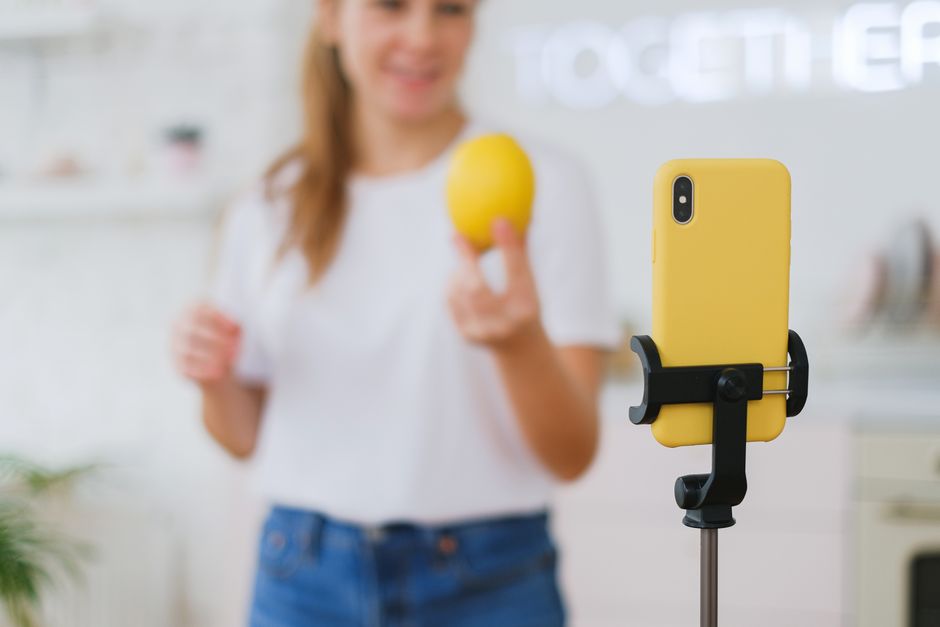
Profiilaa kolme yleisösegmenttiä käyttäytymisen ja aikomuksen perusteella, sitten räätälöi koukut kullekin. Käytä analytiikkaa ohjelmistosta ja eri alustoilta kartoittaaksesi ominaisuuksia kuten ikä, kiinnostukset ja ostosignaalit. Keskity enemmistöön mahdollisuuksista ajaaksesi tuloja; siksi rakenna vahvoja koukkuja, jotka resonoivat arkipäiväisten käyttäjien kanssa. Tämä tieto kulkee maailman ympäri.
- Segmentointikehys: Tunnista kolme klusteria – uudet katsojat, sitoutuneet katsojat ja korkean aikomuksen ostajat – katsoajan, täydentämisprosentin ja klikkauskäyttäytymisen perusteella. Käytä analyysia ohjelmistostasi ja datapartnereiltasi demografioiden ja kiinnostusten kvantisointiin; TikTokissa ja muilla alustoilla nämä segmentit näyttävät, missä tulomahdollisuus keskittyy. Luo personoja maailmankontekstikuumeilla ja suosituilla äänillä luovan ohjaamiseksi.
- Koukku-mallit: Jokaiselle segmentille laadi 3 koukkuvariaatiota: viihdyttävä, opettava ja hyötyvetoinen. Käytä vahvoja, napakoita otsikoita, jotka ilmestyvät ensimmäisten 2 sekunnin aikana ja sisältävät selkeän CTA:n linkeillä. Missaa vähemmän mahdollisuuksia johtamalla konkreettisella arvolupauksella ja räätälöi äänet yleisön tunnelmaan.
- Testaus ja optimointi: Aja A/B-testejä molemmilla alustoilla 14–21 päivää, kierrättäen koukkuja ja otsikoita. Seuraa tuloja, käyttäjien pidättymistä, katsoaikaa ja klikkausprosenttia sekä kirjaa päivitykset jaettuun taulukkoon. Vinkkejä: pidä kokeet kevyinä ja skaalautuvina, jotta voit jatkaa oppimista ja päivittämistä.
- Tuotanto ja yhteistyö: Jos työskentelet toimiston kanssa, linjaa tiivis käsikirjoituskehys ja tyyliohje. Varmista johdonmukaisuus videoiden välillä, ylläpidä opetukseen keskittyvää viestintää ja käytä linkkejä toimintojen ajamiseen. Sisällytä viihdyttäviä visuaaleja ja kuultavia vihjeitä, jotka vahvistavat koukun.
- Mittaus ja iterointi: Rakenna elävä koontitaulu, joka päivittyy viikoittain avainmittareilla: tulot käyttäjää kohden, katsoaika, täydentämisprosentti ja CTR. Käytä asiantuntijoiden oivalluksia yleisöprofien ja prioriteettien hienosäätöön, säätämällä yhä enemmän CTA:ita ja otsikoita; siksi voit jatkaa tulojen ja sitoutumisen kasvattamista.
Lukitse 0–3 sekunnin koukku ja visuaalinen palkinto scroll-stoppaavaan voimaan

Toimittele relevantti visuaalinen palkinto ensimmäisten 0–3 sekunnin aikana ja pari se purtavalla viestillä, joka on 3–5 sanaa pitkä. Käytä rohkeaa liikettä, vahvaa kontrastia ja yhtä selkeää ideaa varmistaaksesi, että katsojat pysyvät sitoutuneina YouTubessa ja muissa lyhytmuotoisissa syötteissä.
Pidä avayskuva visuaalisesti ilmeisenä jopa ilman ääntä. Nopea paljastus, huomattava värimuutos tai terävä leikkaus lopputulokseen signaloi, mitä on tulossa ja antaa katsojalle tarpeeksi kontekstia pysyäksesi, missata mitään ja jatkaaksesi selaamista uteliaisuudella. Käytä äänivihjettä, joka vahvistaa palkinnon ilman viestin peittämistä, jotta vaikutus pysyy luettavana mobiilikäyttäjille.
Rakenna koukku yhden hyödyn ympärille, josta yleisösi välittää, sitten näytä se hyöty välittömästi. Näin brändit muuttavat tietoisuuden toiminnaksi: ensimmäinen hetki pitäisi vihjaista arvoa, ei vain luvata sitä. Jos palkinto on uskottava ja visuaalisesti selkeä, katsojat sitoutuvat todennäköisemmin ja viesti tulee muistettavaksi eri aikojen ja formaattien yli.
Optimoidaksesi ammattimaisiin tuloksiin, testaa muutamaa varianttia: nopea paljastus, rohkea tekstikerros ja lyhyt ruudulla oleva demo. Seuraa katsoaikaa ja täydentämisprosenttia nähdäksesi, kumpi lähestymistapa pitää huomion pidempään. Kun linjaat visuaalit ja äänen tiiviin viestin kanssa, luot saumattoman kokemuksen, joka tuntuu luonnolliselta mobiilissa ja syötteissä miljoonien muiden klippien kanssa.
| Koukun pituus | Visuaalisen palkinnon tyyppi | Tekstin pituus | Äänivihje |
| 0–1s | Grafiikkapaljastus | 2–4 sanaa | Piippaus tai vinkuna |
| 1–3s | Liike tai siirtymä | 3–5 sanaa | Äänen korostus tai isku |
Oivalluksia nopeiden-, purtavien-formaattien testeistä näyttävät, että tiimit, jotka pitävät viestin tiiviinä, voittavat keskimääräisen huomion pudotuksen ja ylläpitävät tasaista tempoa formaattien yli. Tekemällä tämän brändit pysyvät relevantteina, estävät katsojia selaamasta pois ja rakentavat aktiivista tietoisuutta, joka kääntyy aikomukseksi ja toiminnaksi.
Linja formaatit kullekin alustalle: pystysuuntainen kehystys, kuvatekstit ja tahdistus
Aloita 9:16 pystysuuntaisella kehyksellä kaikille klipseille maksimoidaksesi kulutuksen TikTokissa, Instagram Reelsissä ja YouTube Shortseissa. Michaelille, brändistrategille toimistossa, tämä muutos parantaa toimitusta ja pitää peukunkuvat luettavina mobiilissa. Pidä avainvisuaalit keskeisessä turvallisessa alueessa estääksesi rajuusta missä tahansa syötteessä. Viimeaikainen analyysi näyttää, että pystysuuntaiset formaatit ohittavat vaakasuuntaiset jyrkästi selauspainotteisissa syötteissä, ja brändit suosivat yhä enemmän tätä linjausta korkeampaan sitoutumiseen ja täydentämiseen, trendi joka on huomattava millennial-yleisöissä.
Kuvatekstit ajavat saavutettavuutta ja sitoutumista. Aja aina kuvatekstit; pidä ne ruudulla koko klipin ajan ja sijoita ne niin, etteivät ne peitä kasvoja. Käytä 1–2 riviä kuvatekstiä kohden, pyri ytimekkääseen sanavalintaan ja valitse korkean kontrastin teksti luettavuuteen. Tekstin luettavuudessa on paljon arvoa eri laitteiden yli. Lisää hashtageja relevantteihin kohtiin ja viittaa alustakohtaisiin trendeihin; oikea yhdistelmä voi vahvistaa ulottuvuutta ylikuormittamatta narratiivia.
Tahdistuksen pitäisi vastata alustojen odotuksia. Koukku ensimmäisten 2 sekunnin aikana, sitten käytä nopeita leikkauksia joka 0,5–1 sekunti avauksen 6–8 sekunnin ajan ja sisällytä mikro-sekvenssejä momentumia varten. Tämä haaste ratkeaa johdonmukaisella lähestymistavalla kaikkien formaattien yli. Ajattele sitä huomiota pelinä. Rakenna arvoa nopeasti ja lopeta selkeällä CTA:lla. Pidemmille formaateille ylläpidä momentumia vuorottelemalla nopeita purskeita lyhyiden, todellismaailman esimerkkien kanssa pitääksesi katsojan sitoutuneena; terävä rytmi auttaa algoritmeja poimimaan signaalin ja suoriutumaan paremmin brändeille laajasti.
Testaus ja analyysi: pidä vertailupisteytystaulua formaattien yli. Seuraa mittareita kuten läpikatsomisprosenttia ja täydentämisprosenttia sekä jakamisia ja tallennuksia. Viimeaikaiset testit näyttävät, että pystysuuntaiset, kuvatekstilliset videot vahvoilla koukuilla tuottavat parempaa kokonaissitoutumista, ja tiimien pitäisi lisätä iterointitiheyttä formaattien hienosäätöön. Käyttämällä näitä oivalluksia tiimit ohjaavat tulevaa tuotantoa ja pitävät sisällön linjassa kulutuskuvioiden ja alustamuutosten kanssa.
Suunnittele minisarja ja sisältökalenteri momentumia ylläpitämään
Suositus: Käynnistä neljän jakson minisarja kiinteällä rytmillä (kaksi jaksoa viikossa) kahden viikon yli, sitten päivitä klipseillä kierrätettynä vuoden mittaiseen rotaatioon pitääksesi tietoisuuden korkeana ja mahdollisuudet näkyvinä. Miljardeilla katselukerroilla lyhytmuotoisessa videossa globaalisti tämä lähestymistapa hyödynsi laajaa ulottuvuutta ja sitoutuneita yleisöjä samalla vättäen satunnaisten julkaisujen volatiliteettia.
- Pääkerronta ja arkipäiväinen relevanssi: valitse pääkoukku, joka sidotaan arkipäiväisiin hetkiin ja näyttää konkreettisia tuloksia jokaisessa klipissä. Tämä lähestymistapa auttaa sitoutuneita katsojia yhdistymään nopeasti ja tekee sisällöstäsi erittäin jaettavaa.
- Studio-valmiit resurssit ja ominaisuudet: suunnittele studio-ystävällinen setup pystysuuntaiselle 9:16:lle, lisää kuvatekstit ja ruudulla oleva teksti sekä varmista, että resurssit sopivat nopeaan uudelleenkäyttöön tilien yli. Luo kannettava paketti, joka kulkee kuvausten välillä.
- Sisältökalenterin suunnittelu: rakenna 6-viikon rotaatio viikoittaisilla teemoilla, jotka linjaavat yleisösi mahdollisuuksiin; kartoita vuoden mittaiseen rytmiin ja varaa tuotanto-, editointi- ja peukunkuvakesuunnittelupäivät välttääksesi kiireen.
- Ristijulkaisu ja optimointi: aikatauluta klipit tilien yli alustakohtaisilla säädöillä; testaa 4–7 hashtagia julkaisua kohden, seuraa ulottuvuutta ja sitoutumismittareita sekä optimoi formaatit kannettavuuteen verkostojen yli.
- Mittaussuunnitelma: määritä 3 huippumittaria jaksoa kohden (katsoaika, sitoutuminen ja tallennukset/seuraamiset); lisää viikkokoontitaulu iterointipaikkojen ja parannusten löytämiseksi.
- Investointi ja kannettavuus: aloita kevyellä studiolla ja pienellä budjetilla, uudelleenkäytä sisältöä formaattien yli ja rakenna täysi resurssikirjasto samanlaisille aiheille; ylläpidä kirjastoa, joka tukee vuoden mittaista rytmiä ja skaalaa tulevien tarpeiden kanssa.
- Toiminnalliset vinkit: pidä muistiinpanoja siitä, mikä toimii, tallenna baseline-suorituskyky ja pidä kirjasto järjestettynä, jotta voit nopeasti ottaa sisällön käyttöön, kun mahdollisuudet ilmenevät.
- Bonus-liikkeet: Myös, optimoi peukunkuvat ja koukut mittareiden perusteella; hienosäädä pääviesti joka klippiin sitoutumisen lisäämiseksi auttaen yleisöjä yhdistymään brändiisi.
- Myös, seuraa kannettavuutta tilien yli ja testaa ristijulkaisuaikoja maksimoidaksesi ulottuvuuden ilman seuraajien roiskuttamista.
- Myös, hyödynnä johdonmukaista studioääntä ja visuaalista tyyliä johdonmukaisuuden ylläpitämiseksi samalla tutkiessa samanlaisia aiheita ulottuvuuden kasvattamiseksi.
Lähetä lyhyt tiedustelu
Kuvaile sivusto, tavoitteet, kohderyhmä ja budjetti tarjousta varten.
Related Articles

SimilarWeb API Key: Kattava opas käyttöönottoon, hallintaan ja parhaisiin käytäntöihin
June 29, 2026
Kuinka toteutat B2B-sisällön markkinointistrategiasi: Käytännöllinen vaiheittainen opas
December 23, 2025