Le Guide Ultime du Débutant en Automatisation Marketing en 2026


Commencez par une base de données client propre et centralisée, et créez une source unique de référence pour vos audiences. Cet ordre permet à votre équipe de rester alignée, vous permet d'agir rapidement sur les informations et garantit que chaque étape d'automatisation est véritablement exploitable et mesurable.
En 2025, les plateformes modernes vous permettent d'agir sur des signaux basés sur le comportement à travers les points de contact. Explorez les déclencheurs basés sur les visites de site, les soumissions de formulaires et l'engagement de contenu pour proposer des campagnes exploitables qui semblent personnelles au client et pertinentes pour vos audiences, guidant efficacement les interactions.
Définissez qui vous atteignez avec des audiences basées sur le consentement explicite et le comportement observé. Faites correspondre les messages à l'intention, et pas seulement aux données démographiques, et gardez le flux simple afin que les équipes puissent exécuter les flux de travail de création sans friction. Concentrez-vous sur les sites web que vous possédez et optimisez les formulaires, les pages de destination et les publications pour capturer les signaux.
Structurez vos opérations autour d'un plan d'automatisation complet : création de campagne, logique de déclenchement et coordination cross-canal. Utilisez des modèles pour standardiser les publications, les e-mails, les SMS et les messages sur le site afin de pouvoir évoluer tout en maintenant la qualité et en obtenant des résultats optimaux.
Pour bien démarrer, cartographiez une séquence d'intégration moderne, mettez en place une série de bienvenue basée sur le comportement et mesurez l'impact avec des ICP concrets : taux d'ouverture, taux de clics, nombre de formulaires remplis et revenus par contact. À la fin du premier mois, vous devriez avoir un squelette d'automatisation complet, quelques publications qui engagent les audiences, et un plan pour explorer des canaux supplémentaires sur les sites web.
Automatisation du marketing pour débutants : Guide pratique 2025
Recommandation : Déployez une seule pile d'automatisation tout-en-un dès maintenant pour centraliser les données et mettre en ligne vos premiers entonnoirs dans hubspots ou mailchimp en une semaine. Automatisez les confirmations de commande, les suivis post-achat et les soumissions de formulaires clés avec des déclencheurs d'action immédiats.
Définissez votre audience à travers les étapes : nouveaux prospects, utilisateurs engagés et clients. Utilisez la segmentation pour regrouper par comportement, source et intérêt pour les produits. Créez un ensemble cohérent de modèles pour les flux courants afin d'accélérer la mise en œuvre.
Comment mettre en œuvre : Construisez une série de bienvenue gagnante, une vente incitative post-achat et une séquence de réengagement. Appliquez le scoring pour récompenser les ouvertures, les clics et les achats. Liez chaque score à une tâche qui automatise une action spécifique, par exemple l'envoi d'une offre personnalisée lorsqu'un seuil est atteint. Gardez le processus transparent entre les canaux pour éviter les transferts manuels et oubliez les étapes manuelles, car vous passez de la configuration au lancement.
Les modèles pour les campagnes gagnantes sont essentiels : concevez un ensemble tout-en-un pour l'e-mail, l'application et le SMS si cela est pris en charge. Utilisez les modèles hubspots ou mailchimp pour accélérer le déploiement. Pour le post-achat, programmez une séquence qui fournit des mises à jour de commande, des conseils d'entretien du produit et une vente croisée au jour 7. Suivez les mesures de scoring, les taux d'ouverture et de clics, la conversion et les revenus par audience dans les segments.
Les équipes doivent collaborer en utilisant un manuel partagé : règles communes pour la segmentation, modèles universels et scoring cohérent. Cette approche aide le marketing et les ventes à rester alignés et à exécuter plus rapidement les tâches sur les canaux. En mettant en œuvre ces étapes, votre automatisation 2025 peut évoluer sans ajouter de friction à vos clients ou à vos équipes.
Définir l'automatisation du marketing : concepts fondamentaux pour les débutants

Cette approche vous permet de commencer par une automatisation de bienvenue déclenchée par un nouvel événement utilisateur (inscription) et de livrer le premier e-mail dans les 5 minutes, ce qui permet de gagner du temps et d'améliorer la pertinence. Construisez une séquence de 3 messages : introduction, valeur et une demande rapide de préférences. Suivez les résultats sur un tableau de bord qui affiche les taux d'ouverture, les taux de clics, les conversions et les taux de désabonnement.
Concepts clés : l'automatisation est un ensemble d'actions déclenchées qui s'exécutent sur plusieurs canaux, et non un simple envoi groupé. Une automatisation combine un déclencheur (événement), des actions (envoyer un e-mail, mettre à jour le profil, étiqueter les utilisateurs) et des conditions (règles de segmentation). Des outils comme encharge illustrent comment cette structure correspond aux flux de travail marketing réels, y compris la diffusion de contenu sur les sites web et les publicités payantes.
Termes clés pour les débutants : segmentation, préférences, plan, gestionnaire, utilisateurs, visiteurs, événement, automatisations, contenu. Définissez un plan qui spécifie quels utilisateurs ou visiteurs sont ciblés, quels événements déclencheront un flux et comment le flux s'adapte à chaque profil.
Des données de qualité permettent de faire correspondre le message et l'intention. Si la qualité des données est faible, les coûts augmentent et l'engagement diminue. Gardez les champs clés à jour pour l'e-mail, les préférences et les étiquettes de segmentation afin de vous assurer que les messages soient pertinents et opportuns.
Étapes pratiques : établissez un plan simple pour déployer trois automatisations : bienvenue, accompagnement et réengagement. Utilisez un tableau de bord unique pour surveiller les performances et vous aligner sur vos objectifs marketing. Commencez avec des outils de base et évoluez progressivement ; cette approche permet de maintenir les coûts prévisibles et de réduire le délai d'exécution. Envisagez des alertes de type application pour tenir votre équipe informée et sûre des prochaines étapes.
Concept de nucleo : nucleo est le cœur de l'automatisation, comprenant le plan, le gestionnaire, les automatisations, les événements et les préférences. Un nucleo solide guide la façon dont les visiteurs deviennent des utilisateurs grâce à un contenu ciblé sur les sites web et par e-mail, tout en reliant les canaux payants à la stratégie globale. En reliant chaque événement à un point de contact de contenu pertinent, vous créez un cadre marketing cohérent qui fonctionne sur tous les canaux et fournit des résultats mesurables.
L'automatisation du marketing est-elle adaptée à votre entreprise ? Critères pratiques par taille et objectifs

Commencez par un pilote ciblé : automatisez un seul processus répétable qui touche une audience réelle, comme une série de bienvenue pour les nouveaux abonnés. Cela permet d'obtenir des informations mesurables en quelques mois et de maintenir la portée gérable pour une petite équipe.
Des plateformes comme sendinblue offrent des flux intuitifs de type glisser-déposer, le déclenchement de messages en temps réel et un ensemble simple de fonctionnalités qui conviennent aux petites équipes et aux budgets limités.
Critères de taille : si vous avez moins de 50 employés ou une liste de contacts de moins de 20 000 personnes, l'automatisation tend à augmenter la productivité de 15 à 30 % au cours des 90 premiers jours, sur les périodes d'engagement après la mise en œuvre de deux ou trois flux de déclenchement. Tenez compte des caractéristiques de votre audience et de votre cycle d'achat typique pour décider quels flux automatiser en premier.
Pour les grandes opérations : grands pools de contacts et rôles interdépartementaux : les gains massifs proviennent de la personnalisation des messages à l'échelle. Construisez un modèle de données robuste, publiez un ensemble clair de documents approuvés et prévoyez une intégration avec vos outils de CRM, de support et de vente pour maintenir une production cohérente.
Alignez les objectifs sur les capacités : si le but est une qualification, un accompagnement, une fidélisation ou une vente croisée plus rapides, reliez chaque objectif à un flux petit et bien défini. Identifiez les événements déclencheurs (inscription, essai, renouvellement) et fixez des mesures publiées afin que les équipes puissent rapidement lire les informations des tableaux de bord.
Conseil de mise en œuvre : restez simple lors de la création de momentum. Évitez les constructions lourdes en code en choisissant un outil sans code ou à faible code. Réduisez le nombre d'intégrations en cours et appuyez-vous sur des idées réutilisables et des modèles secrets pour accélérer les résultats. Commencez par quelques flux de travail de base et publiez les résultats avant d'en ajouter d'autres.
Quelles fonctionnalités rechercher dans un premier outil d'automatisation
Lorsque vous souhaitez commencer petit, choisissez un outil qui offre des automatisations natives solides et un ensemble robuste d'intégrations ; choisissez un plan qui reste abordable à mesure que vous grandissez, et testez une petite série d'automatisations pour valider la valeur.
Recherchez un constructeur visuel avec des déclencheurs clairs basés sur des événements liés au comportement de l'utilisateur, ainsi qu'une prise en charge multicanale (e-mail, SMS, notifications push, intégrées à l'application). Dans la mesure du possible, choisissez un outil qui inclut des modèles et des exemples prédéfinis que vous pouvez adapter ; là, vous pouvez expédier rapidement vos premiers flux.
Examinez comment l'outil gère la base de données des contacts : types de champs personnalisables, règles de déduplication, segmentation, cryptage et exportation de données conformes. Assurez-vous que la gestion des erreurs et les notifications robustes apparaissent dans le tableau de bord, et qu'un journal des modifications enregistre ce qui a fait cesser ou se comporter un flux de manière inattendue.
Évaluez la fiabilité et les options de croissance : mesures de disponibilité, mises à jour régulières et limites de débit transparentes pour les envois et les appels d'API. Comparez les offres et les prix pour maintenir les coûts prévisibles ; recherchez un plan de démarrage qui débloque des canaux et des automatisations supplémentaires à mesure que votre liste s'allonge, en soulignant le potentiel de croissance. Pour référence, brevo propose des modèles et des séries que vous pouvez étudier pour voir des cas d'utilisation pratiques.
Utilisez un plan de démarrage pratique ici : créez une série de bienvenue via des notifications par e-mail et intégrées à l'application, reliez-la à un événement clé (inscription) et suivez des mesures de base comme le taux d'ouverture et le taux de clics pour guider les ajustements.
| Fonctionnalité | Ce qu'il faut vérifier | Pourquoi c'est important |
|---|---|---|
| Intégrations | Options natives plus accès API ; vérifiez qu'il y a au moins 6 connexions majeures | Étend la portée à travers les outils que vous utilisez déjà |
| Déclencheurs et comportement | Événements basés sur le comportement ; chemins à plusieurs étapes | Fournit des messages opportuns |
| Canaux | E-mail, SMS, notifications push, intégrées à l'application | Atteignez les clients là où ils se trouvent |
| Base de données et qualité des données | Champs, déduplication, contrôles de confidentialité | Personnalisation fiable |
| Notifications et gestion des erreurs | Alertes dans le tableau de bord ; journaux ; notez ce qui a fait échouer un flux | Corrections plus rapides |
| Prix et offres | Niveau de départ, limites de débit, parcours évolutif | Maîtrise des coûts à mesure que vous grandissez |
| Modèles et séries | Flux prédéfinis ; personnalisation | Rapidité de mise en valeur |
| Analyses | Taux d'ouverture/de clics, conversions, tableaux de bord | Preuve de l'impact |
| Sécurité et conformité | Cryptage, contrôles d'accès | Confiance et gouvernance |
Étape par étape : configurez votre première campagne de bienvenue ou d'accompagnement
Lancez une campagne de bienvenue dans les 60 secondes suivant l'inscription, en envoyant trois e-mails programmés sur sept jours. La séquence utilise une structure d'épisode : introduction chaleureuse, contenu axé sur la valeur, puis une prochaine étape claire. Concentrez-vous sur un fort chemin de clics qui fait passer le client de la curiosité à l'action, et mesurez les actions les plus engagées pour affiner le contenu.
Étape 1 : définissez l'audience et l'objectif. Créez deux à trois segments : nouveaux abonnés, acheteurs de commerce électronique et navigateurs occasionnels. Liez chaque segment à un résultat concret : collecter des informations sur les préférences, générer un premier achat ou stimuler les inscriptions de fidélité. Utilisez des règles intelligentes qui alignent le calendrier des messages sur l'activité de l'utilisateur.
Étape 2 : concevez la séquence. Rédigez un e-mail de bienvenue concis avec une déclaration d'avantage et un simple appel à l'action (CTA). Poursuivez avec un épisode axé sur une offre principale ou un guide pratique. Incluez une preuve sociale comme un court témoignage et un lien vers des avis. Gardez un ton cohérent et assurez-vous que chaque message a une seule action désirée claire. Utilisez des délais programmés comme immédiat, après 2 jours et après 4 jours pour équilibrer l'engagement.
Étape 3 : définissez les déclencheurs et la logique de cheminement. Utilisez l'inscription comme déclencheur principal ; ajoutez des déclencheurs secondaires pour l'engagement et l'activité du panier. Si un abonné ne se convertit pas après le deuxième message, envoyez un suivi doux avec une ligne d'objet différente. Suspendez le flux lorsqu'un achat est effectué ou qu'une désinscription est demandée. Même de petites modifications aux lignes d'objet ou au contenu peuvent améliorer les résultats, ce qui maintient une efficacité élevée et prévient la fatigue.
Étape 4 : mesure et optimisation. Utilisez des rapports pour surveiller le taux d'ouverture, le taux de clics, le taux de conversion et le sentiment des réponses. Suivez les lignes d'objet, les blocs de contenu et les offres les plus efficaces par segment. Itérez chaque semaine et gardez une communication cohérente sur tous les canaux afin que l'expérience client reste cohérente. Les équipes de commerce électronique peuvent comparer les performances sur tous les appareils pour découvrir les lacunes de planification et améliorer les envois programmés pour une meilleure expérience globale.
Les faiblesses à corriger comprennent les messages mal alignés, les CTA maladroits et les lacunes dans l'expérience mobile. La solution prend forme sous forme de tests disciplinés : échangez les lignes d'objet, ajustez le texte du CTA, réduisez les blocs plus longs et adaptez les visuels par segment. Gardez la communication claire, et utilisez une conception cohérente afin que le client reste en avance sur la fatigue et continue à s'engager.
Mesurer le succès : mesures clés et tableaux de bord simples
Mettez en place un tableau de bord allégé à trois mesures qui affiche automatiquement l'engagement, les conversions de passage à la caisse et le coût par contact pour chaque campagne. Cette vue permet aux équipes de décider où investir et accélère l'action sur la publication, l'accompagnement et les efforts payants.
Gardez la configuration pratique : alignez les définitions sur votre cycle de vente, extrayez les données de votre moteur et de vos analyses, et affichez les résultats à côté des campagnes et des contacts. Utilisez des modèles pour standardiser l'affichage afin que tout le monde puisse lire le tableau de bord en quelques secondes et trouver des informations sans fouiller dans les données brutes.
- Identifiez trois résultats qui sont liés aux revenus : engagement, actions et conversions. Liez chacun à chaque campagne et suivez leur évolution au fil du temps.
- Connectez des sources comme votre CRM pour les contacts, le moteur d'automatisation du marketing pour la publication et les actions, et les analyses pour les signaux d'engagement. Vérifiez les mises à jour au moins quotidiennement pour éviter les lectures obsolètes.
- Décidez de l'attribution et de la précision. Commencez par un modèle simple de dernier contact, puis testez la prédiction des points de contact qui génèrent des événements de passage à la caisse pour améliorer la fiabilité des prévisions.
- Concevez trois panneaux d'affichage : Aperçu, Détail de la campagne et Performance des canaux. Utilisez des modèles et des codes de couleurs cohérents afin que les spectateurs puissent analyser et explorer rapidement.
- Automatisez les actualisations et les alertes pour tenir l'équipe informée. Définissez des seuils pour les anomalies, telles que l'augmentation du coût par contact ou la baisse de l'engagement, et déclenchez des examens rapides.
Principales mesures à suivre en un coup d'œil
- Engagement : interactions moyennes par contact, y compris les ouvertures, les clics, les réponses et le temps passé sur le contenu.
- Actions : nombre d'étapes de qualification comme les soumissions de formulaires, les téléchargements d'actifs, les lectures de vidéos ou les remplissages de questionnaires.
- Conversions : remplissages du paiement à la caisse, inscriptions ou activations payantes attribuées aux campagnes.
- Contacts : nouveaux prospects, mises à jour du cycle de vie, inscriptions et indicateurs de désabonnement.
- Impact sur les revenus : revenus liés aux campagnes et marge de contribution par action.
Conseils pratiques de conception de tableau de bord
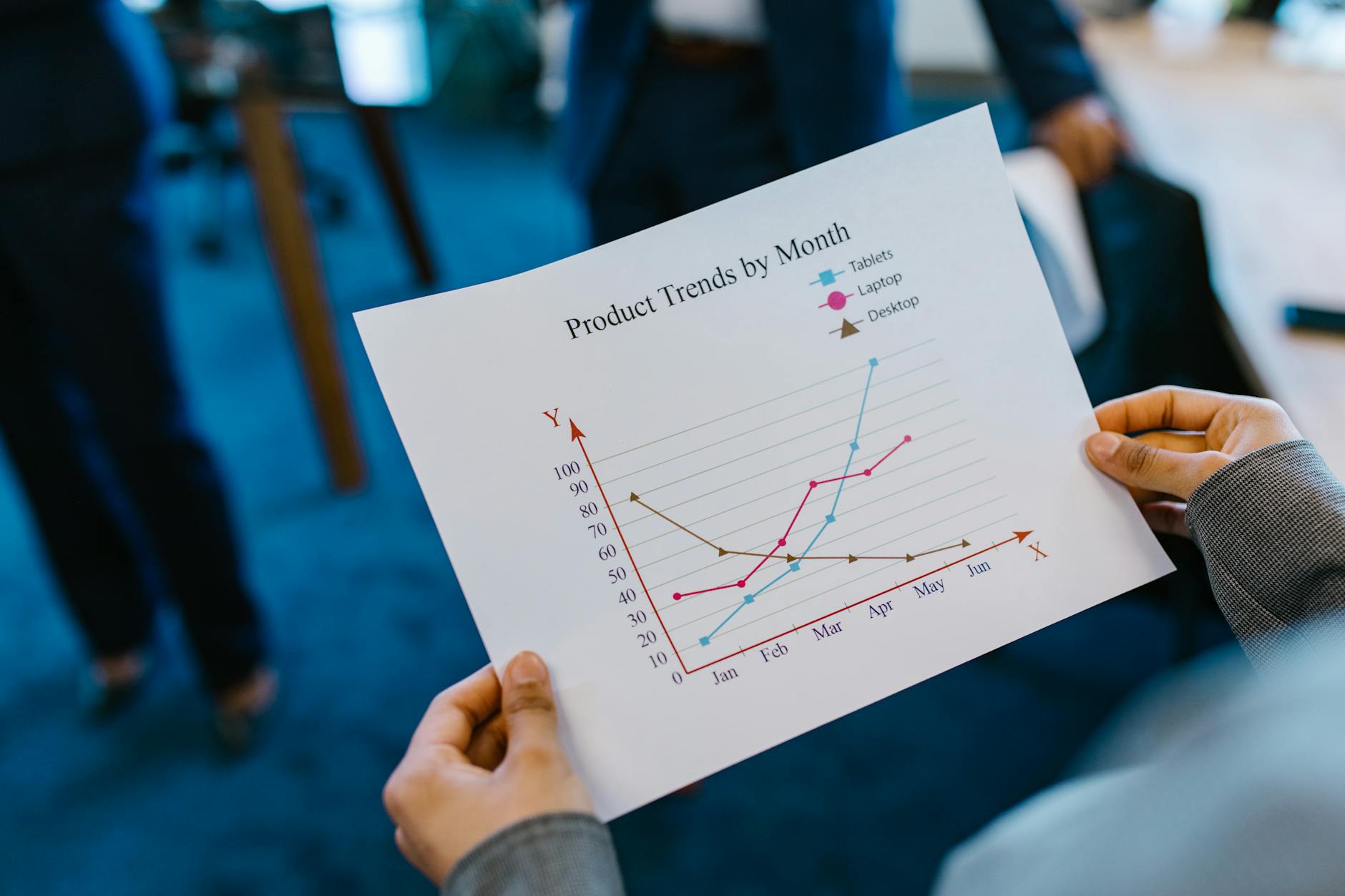
- Affichez un panneau d'aperçu concis avec des courbes de tendance pour l'engagement, les actions et les conversions.
- Affichez les campagnes par performance avec un graphique à barres et un simple entonnoir des actions aux conversions.
- Incluez une ventilation des canaux pour révéler quelles sources génèrent les contacts les plus qualifiés et les événements de passage à la caisse.
- Fournissez une section de prévision ou de prédiction dérivée d'analyses approfondies par machine pour guider où investir ensuite.
- Gardez les modèles cohérents afin que l'ajout d'une nouvelle campagne nécessite une configuration minimale et que la mise à jour soit rapide.
Où s'approvisionner et pourquoi c'est important
- Données du moteur pour la cadence de publication, les étapes d'automatisation et les nombres d'actions.
- Analyses pour les signaux d'engagement, les vues de page et le comportement basé sur le temps.
- Données CRM pour les contacts, les étapes du cycle de vie et le contexte d'attribution.
Exemple d'instantané (30 derniers jours)
- Campagnes actives : 8
- Engagement moyen : 12,5 %
- CTR : 4,1 %
- Conversions de passage à la caisse : 320
- Nouveaux contacts : 1 150
- Revenus : 52 000 $; CPA : 9,80 $
- Prévision si la tendance actuelle se maintient : +8 % de revenus le mois prochain
Plan de mise en œuvre pour donner du pouvoir aux équipes
- Choisissez un seul moteur de tableau de bord et connectez les données des sources auxquelles vous faites confiance ; cela maintient les données alignées et réduit la réconciliation manuelle.
- Commencez avec des modèles prêts à l'emploi, puis adaptez les champs à vos mesures et campagnes ; cela accélère l'adoption et assure la cohérence.
- Gardez la disposition simple : trois graphiques (séries chronologiques, comparaison de campagne et entonnoir) plus un petit tableau pour les principales conclusions.
- Incorporez une section de prédiction pour faire apparaître quels canaux et campagnes sont susceptibles de surperformer, guidant les décisions budgétaires.
- Rendez les conclusions exploitables : activez l'exploration des campagnes vers les actions, l'engagement et les données de passage à la caisse sur tous les canaux pour aider à trouver rapidement les causes profondes.
Grâce à cette approche, vous permettez aux équipes de mesurer chaque impact, d'identifier les points à améliorer et de maintenir la dynamique sur toutes les campagnes.
Articles connexes
Envoyer une courte demande
Décrivez votre site, vos objectifs, votre public et votre budget pour discuter d’une proposition.