La stratégie de la mode rapide d'Uniqlo - Comment une marque japonaise gagne dans le commerce de détail


Recommandation : investir dans un pipeline étroitement contrôlé et intégré verticalement raccourcit le cycle de conception à la mise en rayon à 10–14 jours pour les articles de base, comme les t-shirts basiques, ce qui permet des réponses rapides aux intempéries, aux événements ou aux tendances de la rue, et d’atteindre le dernier kilomètre plus rapidement.
Sur l’ensemble des marchés, les signaux provenant des données psychographiques façonnent l’assortiment ; l’essence est de proposer une esthétique minimaliste en accord avec les modes de vie urbains, tandis que des micro-collections introduites répondent aux goûts éphémères de la mode.
La direction cultive une culture d’expérimentation disciplinée, et des équipes innovantes appliquent des boucles de rétroaction rapides qui font progresser le développement des produits, transforment les relations avec les fournisseurs et raccourcissent les cycles.
En se concentrant sur les basiques gérés et en tirant parti d’un réseau étroit de partenaires, la marque acquiert un net avantage ; les lignes capsules introduites testent de nouveaux marchés tout en maintenant le stock pour les gammes de base, ce qui attire l’élan d’achat et minimise le gaspillage, les fondamentaux de la mode se révélant résistants aux tendances éphémères.
Sachez que les entreprises qui intègrent cette approche dans leur culture dépasseront leurs concurrents : la combinaison d’une conception simplifiée, d’un approvisionnement discipliné et de magasins qui stockent systématiquement les mêmes coupes et tissus renforce la confiance des consommateurs.
Facteurs stratégiques à l’origine de la croissance mondiale d’Uniqlo
Tirez parti d’un plan à trois piliers : renforcez une garde-robe essentielle intemporelle composée de pièces de base, resserrez les stocks pour réduire le risque de démarque hivernale et accélérez une boucle « clic-magasin » qui convertit l’intérêt en ligne en visites en magasin sur les marchés clés.
La stratégie repose sur les principes de Yanai : un modèle opérationnel de niveau mondial, une approche de lignes simples favorable aux concepteurs et une concentration sur les éléments vestimentaires intemporels auxquels les clients font confiance année après année. Les stocks utilisent des données granulaires pour positionner les stocks près des centres urbains et des centres saisonniers, en éliminant les excès et en stimulant la rotation. Sur les marchés européens, la demande privilégie les lignes épurées, les tissus durables et les couches polyvalentes qui s’adaptent du bureau à la rue.
L’exécution sur le marché met l’accent sur un noyau modulaire et des capsules régionales adaptées au climat et à l’activité. Dans les régions très enneigées, les vêtements de base chauds et les couches extérieures coupe-vent élargissent la garde-robe d’hiver ; dans les régions plus chaudes, les vêtements de base respirants soutiennent le port quotidien. Un moteur de marketing axé sur la photo met en valeur de vrais clients, puis un snowboarder, en mettant l’accent sur les avantages émotionnels et pratiques plutôt que sur les tendances, répondant ainsi au désir de vêtements durables et polyvalents. Les sacs et les emballages simples sont conçus pour un usage quotidien, afin d’améliorer la valeur perçue tout en soutenant un flux durable de stocks. Enfin, la portée véritablement mondiale renforce le moteur de réapprovisionnement, en maintenant un véritable avantage sur tous les marchés.
Comment Uniqlo réduit-il le délai entre la conception et la mise en rayon ?
Recommandation : déployez une plaque tournante de développement unique qui relie le concept, l’approvisionnement en textiles, les échantillons et le marchandisage prêt à la vente dans l’ensemble des opérations en temps réel. Exécutez des « sprints » de 2 semaines et ciblez une fenêtre de 6 à 8 semaines entre le concept et la disponibilité en magasin pour les articles de base tels que le denim et les vestes. Cette configuration réduit le risque de surstock et accélère le rafraîchissement de l’assortiment, offrant une vitesse impressionnante sans sacrifier la qualité.
Principaux facteurs favorables : intégration de bout en bout des équipes de conception et d’approvisionnement, une bibliothèque de textiles partagée, des modèles de blocs modulaires et un échantillonnage rapide (physique et numérique). Utilisez un modèle de données unique pour assurer le suivi des coloris, de la qualité des tissus et des approbations ; cette approche permet de maintenir des délais prévisibles, grâce à des relations à long terme avec les fournisseurs ; organisez des revues de gamme hebdomadaires pour réduire les lancements et éviter les doublons. Les points de référence provenant d’acteurs intersectoriels tels qu’Apple montrent comment les communications intégrées et les tableaux de bord en temps réel réduisent les cycles.
Les collaborations externes comme Marimekko illustrent la valeur d’une contribution externe tout en préservant la cadence ; ces lancements peuvent être exécutés dans un délai de 4 à 6 semaines après l’approbation du concept, en utilisant des blocs standardisés et des palettes de couleurs communes pour rester évolutifs. Ce niveau de coordination repose sur des équipes textiles et des nœuds de conception qui partagent des fichiers en temps réel et tirent parti des bibliothèques de textiles existantes.
Source d’informations sur les consommateurs : extrayez les signaux des fils de discussion de Reddit, des discussions sur les modes de vie et de l’écoute sociale ; alimentez la file d’attente des nouveaux lancements ; mesurez le succès par le niveau d’engagement et les ventes subséquentes. Étant donné que la rétroaction est rapide, les équipes ajustent les coloris, les finitions et les silhouettes pour qu’ils correspondent aux attentes de la société.
Opérations et expansion : le modèle s’adapte à tous les marchés ; à York et dans d’autres régions métropolitaines, une itération rapide réduit les ruptures de stock et accélère le réapprovisionnement. Dans une perspective de croissance durable, la capitalisation des données et l’harmonisation interfonctionnelle augmentent les marges tout en maintenant la qualité ; l’approche est axée sur l’expansion plutôt que sur la poursuite de pics de courte durée.
Personnes et acteurs : les fournisseurs, les usines de textiles et les partenaires logistiques forment le réseau de base ; le besoin est clair : des lancements plus rapides et plus fiables ; des normes de conduite des affaires et des communications interfonctionnelles permettent à tous de rester harmonisés ; les entreprises qui adoptent cette approche peuvent obtenir des résultats impressionnants, avec des rotations améliorées et des lancements plus cohérents.
Mesures concrètes pour les praticiens : nommez des escouades interfonctionnelles ; créez des tableaux de bord partagés ; mettez en œuvre des « sprints » de 2 semaines ; maintenez un calendrier glissant sur 12 mois ; effectuez des tests conjoints sur le denim et les vestes ; surveillez le manque d’approvisionnement ; assurez-vous que la cadence alimente les plans d’expansion ; maintenez des mises à jour quotidiennes et des revues hebdomadaires.
Quelle approche de fabrication et d’approvisionnement permet de réduire les coûts tout en maintenant la qualité ?
Adoptez un modèle opérationnel de style SPA étroitement intégré qui unit la conception, l’approvisionnement en tissus et la logistique à des partenariats à long terme avec les fournisseurs, des composants modulaires et des mesures de performance partagées pour maintenir les coûts unitaires à un niveau bas tout en maintenant la qualité.
- Étape 1 : concevoir pour la fabricabilité et la simplicité : utilisez une approche de filtre pour limiter le nombre de fabrications et de garnitures sur l’ensemble des produits. Privilégiez les constructions modulaires et les coutures courantes qui peuvent être produites à l’échelle, ce qui réduit la configuration variable et les retouches. Cette étape repose sur des principes clairs : réduisez la complexité, permettez une reconfiguration rapide et protégez les basiques intemporels qui fonctionnent bien au fil des saisons.
- Étape 2 : bâtir un réseau de fournisseurs engagés et allégés : classez les fournisseurs en fonction du coût, de la qualité et de la fiabilité, puis investissez dans des mises à niveau conjointes des capacités. Une liste restreinte et hautement compétente minimise les poches de gaspillage, accélère l’apprentissage et transforme les achats en un flux de travail collaboratif plutôt qu’en un point de contact transactionnel. De telles relations améliorent les marges tout en préservant l’intégrité des produits, même lorsque la demande évolue.
- Étape 3 : capacités internes jumelées à une rétroaction en temps réel : établissez une ingénierie textile de base, des normes de finition et des points de contrôle de la qualité. Utilisez l’intégration des données en temps réel pour surveiller le rendement, les taux de défauts et la dérive des processus au plancher de l’usine. Cela permet de maintenir la qualité en accord avec les objectifs de coûts, permet un confinement rapide des problèmes et réduit les rappels ou les retouches coûteux.
- Étape 4 : la préparation omnicanal réduit les démarques et les ruptures de stock : synchronisez les calendriers de conception avec les réseaux de distribution afin que les rotations des stocks soient prévisibles d’un canal à l’autre. La visibilité en temps réel sur les fournisseurs et les centres de distribution améliore la rapidité de la commercialisation et stabilise les prix, ce qui protège les poches de bénéfices tout en offrant aux clients une valeur constante, qu’ils fassent leurs achats en ligne ou dans des magasins urbains.
- Étape 5 : une architecture de portefeuille qui privilégie les pièces intemporelles : donnez la priorité aux produits durables à large attrait, jumelés à des accents saisonniers dont l’approvisionnement est peu coûteux. Une telle stratégie réduit les risques lors des changements à l’échelle de la société et maintient un catalogue de base classé en fonction de la performance. Elle simplifie également la planification, réduit les chocs de saisonnalité et préserve une norme de qualité intégrée qui résiste à l’épreuve du temps.
- Étape 6 : discipline des coûts grâce à l’intégration et à la gouvernance : mettez en œuvre des points de contrôle pour chaque famille de produits, avec des équipes interfonctionnelles qui examinent les coûts des matériaux, la performance des fournisseurs et les délais d’exécution. Une approche disciplinée et à long terme aide l’entreprise à faire face aux cycles économiques avec résilience et maintient une qualité constante même lorsque les volumes augmentent.
- Étape 7 : une communication axée sur le consommateur dans les magazines et les points de contact : présentez une vision transparente de la valeur, en mettant l’accent sur la durabilité, le confort et la coupe. Cela soutient une perception de la qualité qui correspond au prix, aidant quiconque à percevoir la valeur d’une manière qui s’harmonise avec les modes de vie urbains et les attentes sociales plus larges.
- Étape 8 : amélioration continue et gestion des risques : cultivez une culture qui respecte la discipline des processus et qui échoue rapidement lorsque les données indiquent un risque. En classant les problèmes en fonction de leur impact et en s’attaquant à la cause profonde, l’organisation devient plus apte à fournir des produits abordables et fiables à long terme, malgré les défis externes.
D’un point de vue pratique, l’approche pourrait permettre de réduire les coûts unitaires grâce à des composantes normalisées, à un moins grand nombre de transferts de fournisseurs et à des outils d’optimisation partagés, tout en maintenant un niveau élevé de durabilité et de finition. Elle crée également une base durable pour l’entreprise, s’alignant sur les objectifs à long terme, réduisant les déchets globaux et démontrant socialement un approvisionnement responsable. Le résultat est un système qui transforme la façon dont la valeur estLivrée, soutient les décisions en temps réel et protège la vie des travailleurs et des communautés impliqués dans la chaîne d’approvisionnement.
Comment le marchandisage localisé favorise-t-il la pertinence dans toutes les régions ?
Offrez des assortiments adaptés à la région, basés sur le climat, la culture et la tolérance aux prix ; déployez des lancements hebdomadaires locaux afin d’augmenter les ventes d’articles à rotation rapide de 15 à 25 % dans les zones clés ; définissez de 40 à 60 articles de base par pays, plus de 10 à 20 articles saisonniers par vague afin d’atteindre les objectifs et de réduire les ruptures de stock. Cette approche est devenue une base pour les équipes régionales.
Tirez parti des informations de Pinterest pour orienter les palettes de couleurs, les motifs et les choix de textiles par secteur ; reflétez les goûts locaux en matière de tenue vestimentaire et de sectionnement ; cartographiez ces indices dans les gammes de la saison prochaine et assurez-vous que l’histoire des textiles s’harmonise avec les conditions hivernales dans les pays.
Coordonnez le marchandisage propre aux canaux : allouez plus d’espace aux présentoirs en magasin dans les zones où l’achalandage en ligne est plus lent ; adaptez les pages de produits par pays et par canal ; gardez les options bon marché visibles dans les canaux de masse tout en réservant les pièces à performance améliorée aux canaux supérieurs ; comparez avec les offres des concurrents afin d’aiguiser l’avantage dans chaque pays.
Faites appel à des concepteurs locaux dans chaque pays ; intégrez les collaborations avec Kaws pour susciter un attrait régional dans les lignes d’hiver ; utilisez les prévisions basées sur Gordon pour sélectionner les familles de couleurs et les imprimés ; associez ces choix à Uniqlock pour des ajustements de stocks en temps réel.
Fixez des objectifs entre les pays et les zones ; surveillez les ventes, les articles par commande et la conversion de canaux ; suivez les articles à performance améliorée et ajustez les achats de la prochaine saison ; élaborez des plans à long terme qui permettent d’adapter les connaissances à tous les marchés.
Prochaines étapes : réalisez un projet pilote dans deux régions, validez les effets positifs et les marges, puis étendez-le à trois marchés supplémentaires ; synchronisez avec l’approvisionnement et la logistique pour réduire les délais d’exécution ; maintenez un mélange équilibré entre les options bon marché et les options haut de gamme afin de préserver la compétitivité.
Pourquoi les basiques de tous les jours forment-ils le cœur de la gamme d’Uniqlo ?
Ancrez les collections autour de basiques durables et polyvalents afin de répondre aux besoins les plus larges : des pièces abordables qui fonctionnent au fil des saisons et des années.
L’origine tokyoïte se traduit par une approche de niveau mondial qui priorise la simplicité, les silhouettes claires et les tissus conçus pour durer.
Se concentrer sur les basiques réduit la fatigue décisionnelle pour le consommateur, permettant ainsi aux pièces de passer facilement de l’automne-hiver à la tenue vestimentaire.
Les collaborations avec Marimekko montrent comment des imprimés audacieux peuvent s’appuyer sur l’épine dorsale des essentiels tout en préservant le respect de l’usure à long terme.
La découverte de la demande dans tous les pays a façonné une vision du marché mondial qui privilégie les basiques universels avec des clins d’œil locaux au climat et à la culture.
Les cycles de produits axés sur le leadership reposent sur des signaux transparents (mises à jour de télégrammes et rétroaction sur le terrain) qui accélèrent les décisions et maintiennent les prix à la baisse.
Les objectifs sont de montrer aux consommateurs une garde-robe allégée qui peut être enrichie de quelques pièces clés chaque saison (hauts, bas, robes et vêtements d’extérieur légers), tout en maintenant une qualité élevée et des coûts prévisibles.
Sur les marchés du monde entier, ce noyau clair et abordable soutient la demande dans divers climats, établit une garde-robe universelle et renforce une position de leadership sur le marché mondial des basiques.
| Catégorie | Tissus privilégiés | Prix typique (USD) | Remarques |
|---|---|---|---|
| Hauts et t-shirts | Coton, mélanges extensibles | 6–18 | Fondation du vêtement quotidien ; reflète les besoins des consommateurs |
| Bas | Coton extensible, denim | 15–40 | Polyvalence abordable d’un marché à l’autre |
| Robes | Jersey léger, tricot | 20–60 | Utilité simple, toutes saisons |
| Vêtements d’extérieur | Couches hybrides, vêtements thermiques | 40–120 | Basiques de définition de la saison pour l’automne-hiver |
Comment les expériences omnicanales et en magasin mobilisent-elles les clients ?
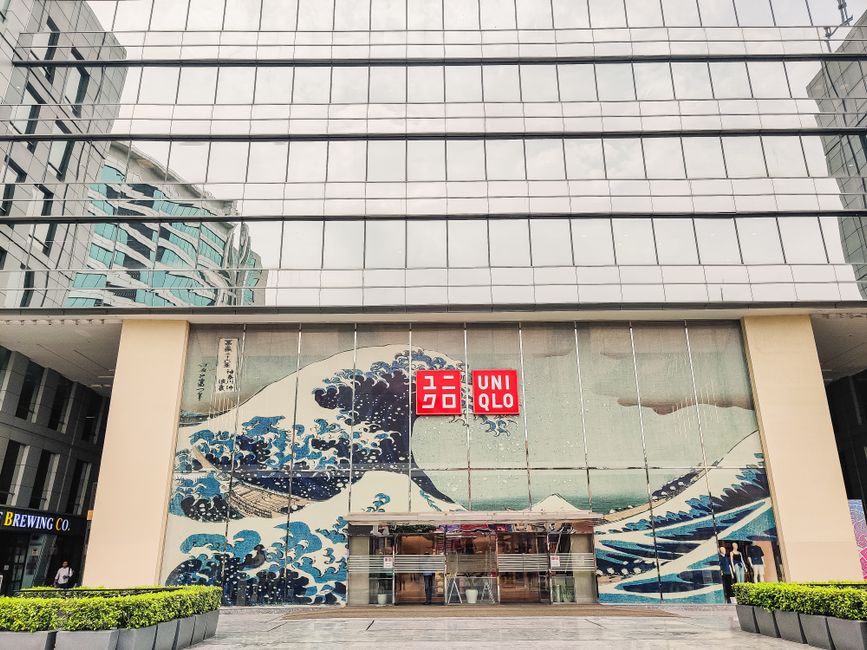
Mettez en œuvre une plateforme de données clients unifiée afin d’adapter les interactions multicanales en temps réel, rendant chaque point de contact professionnel et obligatoire. Cette approche harmonise clairement les catalogues en ligne, les invites d’applications et les scripts en magasin afin d’accroître l’achalandage et de présenter une image cohérente sur tous les marchés, y compris Singapour.
Dans les espaces physiques, mélangez les tests tactiles avec les invites numériques : affiches imprimées et catalogues jumelés à des liens QR, des essayages en réalité augmentée et une caisse rapide. L’équipe doit être formée pour livrer un message uniforme et convertir l’intérêt en action, puis guider les clients vers l’application ou le canal web pour le suivi, préservant ainsi un parcours fluide.
Les données démographiques doivent orienter les offres, les itinéraires et les formats de magasin. Les jeunes consommateurs réagissent aux options rapides ; les segments plus âgés apprécient les conseils. À Singapour, les quartiers denses stimulent l’achalandage lorsque les invites numériques sont harmonisées avec les présentoirs en magasin. Des collaborations notables avec des créateurs locaux et des partenaires médiatiques augmentent les visites en magasin et le ticket moyen ; un partenariat stratégique avec des fournisseurs de services logistiques réduit les frictions et stimule les conversions multicanales. Lorsque l’on compare aux pratiques d’Inditex, le maintien d’une image cohérente et le réapprovisionnement rapide se traduisent par des gains importants. Ensuite, testez continuellement différents agencements d’actifs et formats afin d’affiner le mélange entre les expériences en ligne et en personne.
Les défis comprennent le coût, la confidentialité des données et la formation sur tous les marchés ; les doutes quant au RCI peuvent être atténués par des programmes pilotes avec des ICP clairs. Devenant une routine, le processus s’améliore continuellement. Des partenariats notables avec des studios externes aident à étendre la portée et à créer davantage de collaborations, stimulant ainsi un réseau prospère. Enfin, la conclusion est qu’une approche cohérente et axée sur les données, menée par une équipe dévouée, augmente l’achalandage et soutient la croissance.
Comment la durabilité et la gestion des risques sont-elles intégrées à la chaîne d’approvisionnement ?
Adoptez un tableau de bord officiel sur la durabilité et les risques des fournisseurs, avec des audits annuels et une pile de surveillance de haute technologie pour harmoniser les partenaires avec les normes de l’entreprise. Ce plan est ambitieux, créant une valeur mesurable dans les opérations et le marketing.
-
Cadre du tableau de bord et gouvernance
- Quatre piliers : l’empreinte environnementale, la conformité sociale, la gouvernance et la résilience de la continuité. Chaque partenaire obtient une note numérique, mise à jour annuellement ; le quartile supérieur reçoit des conditions favorables.
- Objectifs : d’ici l’an 2, 40 % des fournisseurs de niveau 1 certifiés ISO 14001 ou l’équivalent ; d’ici l’an 5, 80 % avec des améliorations de l’efficacité énergétique et des plans d’approvisionnement responsables.
- Cadence d’audit : évaluations officielles tous les 12 mois, avec des contrôles aléatoires pour les partenaires à haut risque. Objectifs atteints : 40 % d’ici l’an 2 ; 80 % d’ici l’an 5.
-
Technologie, intégrité des données et signaux de risque
- Traçabilité de haute technologie : RFID sur les composantes essentielles, capteurs IdO dans les usines et tableaux de bord infonuagiques qui offrent une visibilité en temps réel aux équipes d’approvisionnement et d’opérations.
- Contre-signalisation : un mécanisme permettant de contrer les données contradictoires entre les auto-déclarations et les vérifications de tiers, permettant une enquête rapide lorsque des anomalies sont détectées.
- Fourniture d’alertes et de mesures recommandées lorsque les indicateurs dépassent les seuils, réduisant ainsi la nécessité de coûteux combats plus tard.
- Utilisation de la détection automatisée des anomalies pour signaler les problèmes potentiels avant qu’ils ne deviennent des incidents, permettant à quiconque dans l’équipe d’agir rapidement.
-
Résilience régionale et stratégie d’approvisionnement
- Singapour sert de plaque tournante régionale pour raccourcir les délais d’exécution, améliorer la fiabilité et permettre des réponses plus rapides en cas de perturbations.
- Objectifs de diversification : d’ici l’an 3, 35 à 40 % des composantes essentielles proviennent de partenaires régionaux ; près de 70 % d’ici l’an 5. Cela crée une voie plus accessible et abordable pour les fournisseurs pour participer.
-
Incidence financière et protection du chiffre d’affaires
- Coût de la conformité par rapport à la réduction des risques : dépenses en capital initiales se situant dans les faibles millions à un chiffre pour un réseau de taille moyenne ; les dépenses de fonctionnement augmentent de 1 à 2 % des dépenses annuelles, mais réduisent les ruptures de stock et le fret accéléré de 20 à 30 %.
- Augmentation du chiffre d’affaires : une disponibilité plus fiable des produits soutient une hausse de 2 à 4 % du chiffre d’affaires annuel dans les trois ans ; l’amélioration est importante pour les marques qui comptent sur des stocks stables et des prix abordables.
- Les perturbations de l’approvisionnement éphémères sont réduites grâce à l’approvisionnement proactif et à la collaboration, améliorant ainsi les marges et la valeur à long terme.
- En cas de perturbations, les mesures divulguées et les revues annuelles montrent une performance solide et traçable à laquelle les parties prenantes peuvent se fier.
-
Exécution, collaboration et communications
- Collaboration avec les fournisseurs pour mettre en œuvre des plans d’amélioration conjoints ; organisation d’ateliers réguliers pour partager les meilleures pratiques et suivre les progrès au fil des ans.
- Marketing et communication axée sur le consommateur : publicité, campagnes promotionnelles et événements promotionnels pour montrer l’engagement envers des produits abordables et responsables.
- Mesure, communication de l’information et responsabilisation : mise à jour trimestrielle officielle, avec une démonstration publique des progrès et un rapport annuel sur la durabilité.
- Engagement que quiconque peut suivre : tableaux de bord, études de cas et mises en lumière des fournisseurs pour démontrer l’incidence.
Ready to leverage AI for your business?
Book a free strategy call — no strings attached.


