14 Strategie di Marketing Mobile Provate per la Tua Azienda


Inizia con un piano di opt-in cristallino: offri un coupon di benvenuto via SMS, conferma il consenso e conduci un test di 60 giorni confrontando due varianti di messaggio. Questo approccio riduce le disinstallazioni e ti fornisce una base solida per misurare l'engagement.
Seguendo questo framework, le 14 strategie coprono push, email, app di messaggistica e canali social per aumentare la visibilità e la risposta. Determina la miscela giusta concentrandoti sulle esigenze del tuo pubblico, poi misura CTR, tasso di conversione e revenue per utente dopo ogni esecuzione.
Utilizza canali social e di messaggistica per raggiungere gli utenti dove trascorrono il tempo: Twitter e WhatsApp offrono prompt rapidi e un forte engagement quando abbinati a offerte chiare. Ad esempio, lancia un promemoria mirato su WhatsApp per gli utenti opt-in e pubblica sondaggi brevi su Twitter per conoscere le preferenze, poi adatta i messaggi di conseguenza.
Rispetta le esigenze dei clienti fornendo aiuto pratico, non spam. Per B2B o servizi locali, allinea le offerte con problemi reali – come promemoria per appuntamenti per cliniche – utilizzando messaggi basati sul consenso. In questo caso, un medico può inviare consigli tempestivi ai pazienti che hanno optato in, aumentando la fiducia e la risposta.
Dopo aver implementato queste tattiche, monitora le metriche settimanalmente e affina il tuo piano. L'obiettivo è ottenere engagement, ridurre le disinstallazioni e creare un pipeline di lead chiaro su cui il tuo team possa agire.
Sezione 1: Pianificazione del Budget per Campagne Mobile
Assegna il 28% del tuo budget di marketing annuale alle campagne mobile, a seconda della dimensione del pubblico e del prezzo del prodotto. Questo livello finanzia annunci di ricerca, posizionamenti in-app e formati social su piattaforme. Imposta obiettivi per ottenere un aumento misurabile nelle conversioni, puntando al 15–20% entro 90 giorni e un ROAS di 2.5x. Riserva il 10% per test rapidi e iterazioni creative in modo da poter rispondere ai segnali di mercato e mantenere il tuo brand coerente.
Cosa includere nel piano: flussi di pagamento, formati creativi e la miscela su piattaforme. Utilizzando un singolo dashboard, traccia metriche misurabili come conversioni, CPA, CPC e revenue. Assicurati che i messaggi siano rilevanti per i lettori nel panorama mobile, e adotta test cross-platform per migliorare le performance. Considera di giocare con i formati per testare cosa risuona. Fornisci un calendario chiaro che mostri cosa testare, quando mettere in pausa e come riallocare il budget ai formati vincenti, mantenendo i messaggi del brand coerenti.
Imposta una regola basata sul caso: se un test sottoperforma per due periodi di revisione consecutivi, rialloca il 20% della sua spesa al miglior performer. Questa disciplina mantiene basso lo spreco, fornendo valore e accelerando l'apprendimento che puoi applicare su campagne e lettori.
Abbraccia la flessibilità: conduci test rapidi e a basso costo e cattura i risultati in tempo reale. Che tu stia pianificando da una scrivania o testando idee sul divano, iterazioni brevi rivelano cosa risuona con il tuo pubblico e cosa dovrebbe essere messo in pausa o scalato.
Per migliorare l'impatto, allinea la spesa mobile con la strategia del tuo brand e offri un'esperienza di pagamento fluida. Fornisci una proprietà chiara, imposta responsabilità e riporta i risultati in linguaggio semplice. Quando monitori i risultati settimanalmente, puoi regolare il ritmo e mantenere il panorama mobile in movimento con fiducia.
Sezione 1: Metriche di Costo Chiave da Tracciare (CPI, CPA, CPC, ROAS)
Inizia con obiettivi di base per CPI, CPA, CPC e ROAS questo trimestre, poi allinea budget e creativi per raggiungerli. Costruisci un singolo dashboard user-friendly che consolida i dati dalle tue reti pubblicitarie, analisi e fonti di attribuzione in modo da poter agire senza problemi. Una tabella ben costruita rende i segnali facili da scansionare, più facile da spostare su campagne su schermi di diversi dispositivi, senza sacrificare la chiarezza.
Cosa tracciare

CPI significa il costo per acquisire una nuova installazione stessa, CPA significa il costo per guidare un'azione significativa, CPC riflette il prezzo di ogni clic, e ROAS mostra la revenue guadagnata per dollaro speso. Per ogni metrica, imposta un intervallo target medio basato su margini e valore del prodotto. Traccia il CPI medio e il CPC medio settimanalmente per individuare derive precoci. Usa la tabella qui sotto per mantenere i target visibili e aggiornali man mano che i dati cambiano; anche piccoli cambiamenti possono spostare la redditività su un ciclo mensile. Clic o installazioni di scarsa qualità diluiscono i rendimenti, quindi lega il tracciamento a eventi post-installazione e segnali di qualità per mantenere le cose oneste.
| Metrica | Cosa significa | Intervallo target | Migliori azioni |
|---|---|---|---|
| CPI | Costo per installazione; il prezzo per acquisire una nuova installazione utente | $1–$4 (varia per nicchia e mix di dispositivi) | Creativi brandizzati, test A/B su pagine di atterraggio, aggiustamenti di bidding per ridurre i costi mantenendo la qualità dell'installazione |
| CPA | Costo per azione; un evento significativo come iscrizione o acquisto | $10–$40 (intervallo per verticale e LTV) | Migliora il tracciamento post-installazione, ottimizza il funnel, applica retargeting per utenti impegnati; guarda per azioni di scarsa qualità |
| CPC | Costo per clic; prezzo di un clic utente sull'annuncio | $0.25–$2.00 (dipende da rete e intento) | Affina le parole chiave, usa matching negativo, testa strategie di bidding per mantenere i clic efficienti |
| ROAS | Rendimento sulla spesa pubblicitaria; revenue generata per dollaro speso | 3x–8x (varia per margine del prodotto e stagionalità) | Targetta audience ad alto LTV, allinea con messaggistica brandizzata e abbina con offerte di upselling in-app per aumentare il valore |
Oltre ai numeri, monitora i segnali che influenzano l'efficienza dei costi: profondità di scorrimento, lunghezza della sessione e impatto sulla batteria sull'esperienza utente. Una vista ben bilanciata ti aiuta ad agire più velocemente e a mantenere le campagne engaging su dispositivi.
Passi pratici
1) Crea una singola tabella di target e valori correnti; assegna proprietari e cadenze settimanali in modo che l'intero team possa vedere i progressi. La tabella dovrebbe risiedere in un dashboard condiviso per accesso istantaneo.
2) Segmenta le campagne per brandizzate vs non brandizzate; isola le performance per audience, dispositivo e paese per identificare dove i costi escalano, e valuta frizione su batteria e scorrimento che potrebbero attenuare l'engagement.
3) Lega tutti i clic e installazioni a eventi post-installazione; misura la qualità con retention, engagement e acquisti in-app per evitare di inseguire segnali rumorosi.
4) Usa tracciamento cross-device per connettere su schermi; ottimizza il percorso utente verso la conversione e confronta rendimenti istantanei con valore a lungo termine per dirigere i budget verso la migliore miscela.
5) Rivedi i creativi settimanalmente, enfatizzando copy engaging e chiamate all'azione chiare; riduci lo scorrimento non necessario e migliora la leggibilità su schermi piccoli per tassi di clic migliori. Usa chat con il team per catturare feedback rapidi e implementa esperimenti rapidi senza ritardo.
Sezione 2: Considerazioni sui Costi per Canale
Imposta un tetto rigido sulla spesa per canale basato sul tuo CAC target e LTV atteso, poi rialloca mensilmente verso tattiche con l'impatto più forte sul bottom line. Se possibile, traccia CAC per location e scoprirai tasche geografiche che superano le altre e rialloca di conseguenza.
Mappa i costi al funnel del sito web per ogni canale, inclusi materiali per creativi e pagine di atterraggio. Traccia metriche come engagement, clic e velocità di conversione per ogni segmento. Aggiorna look e messaggistica ogni 4–6 settimane per mantenere il contenuto fresco. Poiché le piattaforme stanno evolvendo, mantieni il piano flessibile e un guardrail di budget chiaro.
Leve di costo e misurazione
Definisci valori di soffitto per CPC, CPM e CPA per canale e riportali in un dashboard vivo. Questo approccio sfrutta i dati per mostrare come, probabilmente, un CPC più alto produca una probabilità più alta di vendita tra shopper targettizzati. Concentrati sul bottom line identificando coppie di canali che consegnano revenue al costo incrementale più basso. Considera le complessità di bidding e posizionamento per ottimizzare ogni dollaro e usali per giustificare riallocazioni.
Tattiche pratiche per l'allocazione
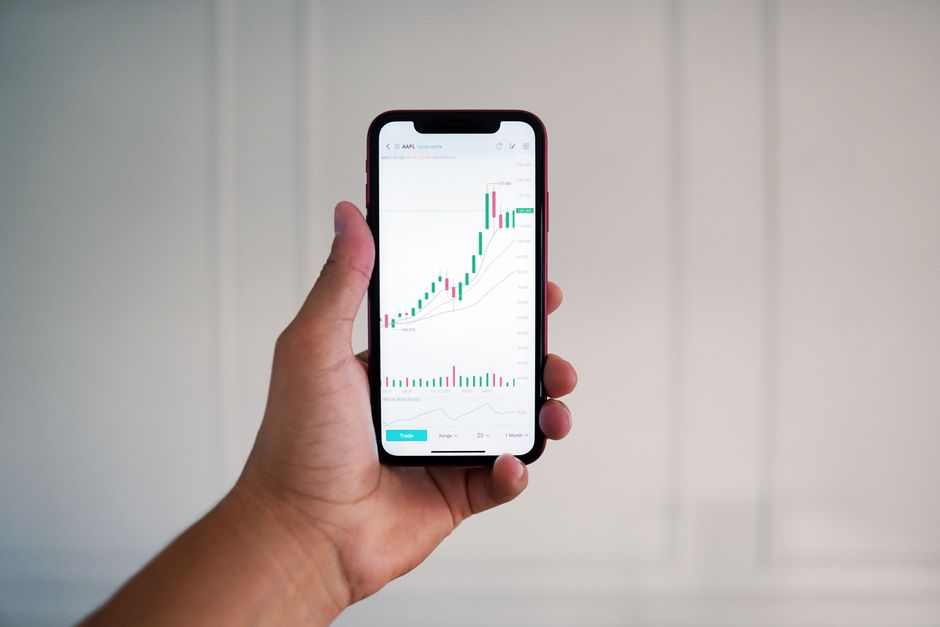
Adotta un approccio a due binari: canali core con rendimenti stabili e corsie di test che sondano nuove opportunità. Per i canali core, supporta i budget con materiali provati e imposta una cadenza fissa per l'ottimizzazione. Per i test, alloca un budget piccolo e definito, monitora gli outcomes e scala quelle tattiche che dimostrano engagement sul sito web. Ricorda che le differenze geografiche contano; alloca budget a location dove shopper viventi sono propensi a convertire. Costruisci esecuzioni uniche e localizzate che risuonano con ogni comunità e guidano shopper cliccanti verso l'acquisto.
Sezione 2: Scaling su un Budget con Formati Creativi
Inizia con tre formati efficaci in termini di costo che scalano rapidamente: video verticali di 15–30 secondi, offerte istantanee via notifiche push e codici QR interattivi su asset del negozio. Prepara template creativi pronti all'uso e un programma di posting stretto per mantenere la coerenza su location senza gonfiare i costi. Costruisci un set preferito di formati da deployare in rotazione per vittorie rapide.
Sviluppa un motore leggero per l'automazione che gestisce rotazioni creative, pacing del budget e reporting. La segmentazione intelligente ti permette di adattare i messaggi per location e audience, consentendoti di raggiungere i clienti su canali con un singolo piano ben coordinato. Ogni formato dovrebbe includere un'offerta chiara e una forte chiamata per ricevere o ordinare, in modo da catturare azioni istantaneamente.
Raccomandazioni per massimizzare l'impatto senza overspendere: mantieni gli asset modulari in modo da poterli remixare per formati preferiti; testa in piccoli batch, poi scala i migliori performer. Usa una batteria di formati per coprire attenzione istantanea mentre ottimizzi tasso e ritorno. Mantieni elementi core semplici e provati, e misura la prontezza ad adattare sul volo. Se un formato sottoperforma in una location, provalo in un'altra location oltre per validare i risultati. Puoi sopravvivere a cali di mercato mantenendo touchpoint consistenti e tracciando tasso di engagement, ordini generati e costo per ordine; inoltre, affina la sequenza per migliorare il valore per i clienti su location.
Sezione 2: Calcoli ROI per Spesa in Mobile Marketing
Inizia con una formula semplice: ROI = (Revenue dalle campagne mobile - Spesa pagata) / Spesa pagata. Usa una finestra di attribuzione di 14 giorni per assegnare valore ai touch che hanno portato a conversioni su dispositivo e medium.
-
Definisci spesa e revenue per campagna, dispositivo e medium. Esempio: spendi 1.000 USD in media pagata questo mese. Entro 14 giorni, quegli utenti generano 2.400 USD in revenue attribuita. ROI = (2.400 - 1.000) / 1.000 = 1.4 o 140%.
-
Attribuisci accuratamente su touch. Usa un modello multi-touch leggero per accreditare interazioni: clic, visualizzazioni, risposta a notifica, eventi in-app e momenti importanti di gameplay. Per nuove installazioni, lega l'installazione al dispositivo e piattaforma per migliorare visibilità e accesso ai dati. Fatto: l'attribuzione multi-touch spesso produce stime ROI più alte rispetto al last-click da solo.
-
Benchmark per canale e piattaforma. Traccia opzioni come paid social, search e posizionamenti in-app. Confronta performance per dispositivo (iOS vs Android) e per tasso di risposta a notifica. Un campione di 1.000 USD speso diviso 40% paid search, 40% paid social, 20% in-app produce 1.800 USD revenue, ROI 0.8 (80%).
-
Ottimizza rapidamente con esperimenti semplici. Conduci test A/B su creativo, velocità di atterraggio e timing del messaggio; usa una pagina di atterraggio a caricamento veloce per migliorare la conversione. Mantenere tempi di caricamento sotto 2 secondi può aumentare la conversione del 20–30% in giorni piuttosto che settimane.
Raccomandazioni per azioni per guidare ROI sostenuto
- Pubblica un dashboard leggero che riporta reach delle campagne, spesa, revenue e ROI in tempo reale, con accesso facile per team con expertise in analytics.
- Imposta un target ROI mensile per medium. Ad esempio, punta a 1.5x ROI su paid search e 2.0x su campagne in-app entro due settimane dal lancio.
- Alloca budget ai canali con il valore per installazione più alto e migliori acquisti guidati da gameplay. Usa una finestra di 14 giorni e adatta settimanalmente in modo che quelle opzioni rimangano allineate con gli obiettivi.
- Rinfresca creativi preferiti ogni 10–14 giorni basati su risultati pubblicati, mantenendo messaggistica facile da capire e un payoff chiaro. Includi una pausa caffè dopo aver rivisto i dati per rimanere acuto.
- Assicurati che il tracciamento eventi in-app sia completo, abilita pagine a caricamento veloce e fornisci accesso ai dati per team cross-funzionali. Questo garantisce decisioni tempestive e basate su fatti piuttosto che congetture.
Invia una breve richiesta
Descrivi sito, obiettivi, pubblico e budget per discutere una proposta.


