Le 4 P del Marketing - Cosa Sono e Come Usarle con Successo
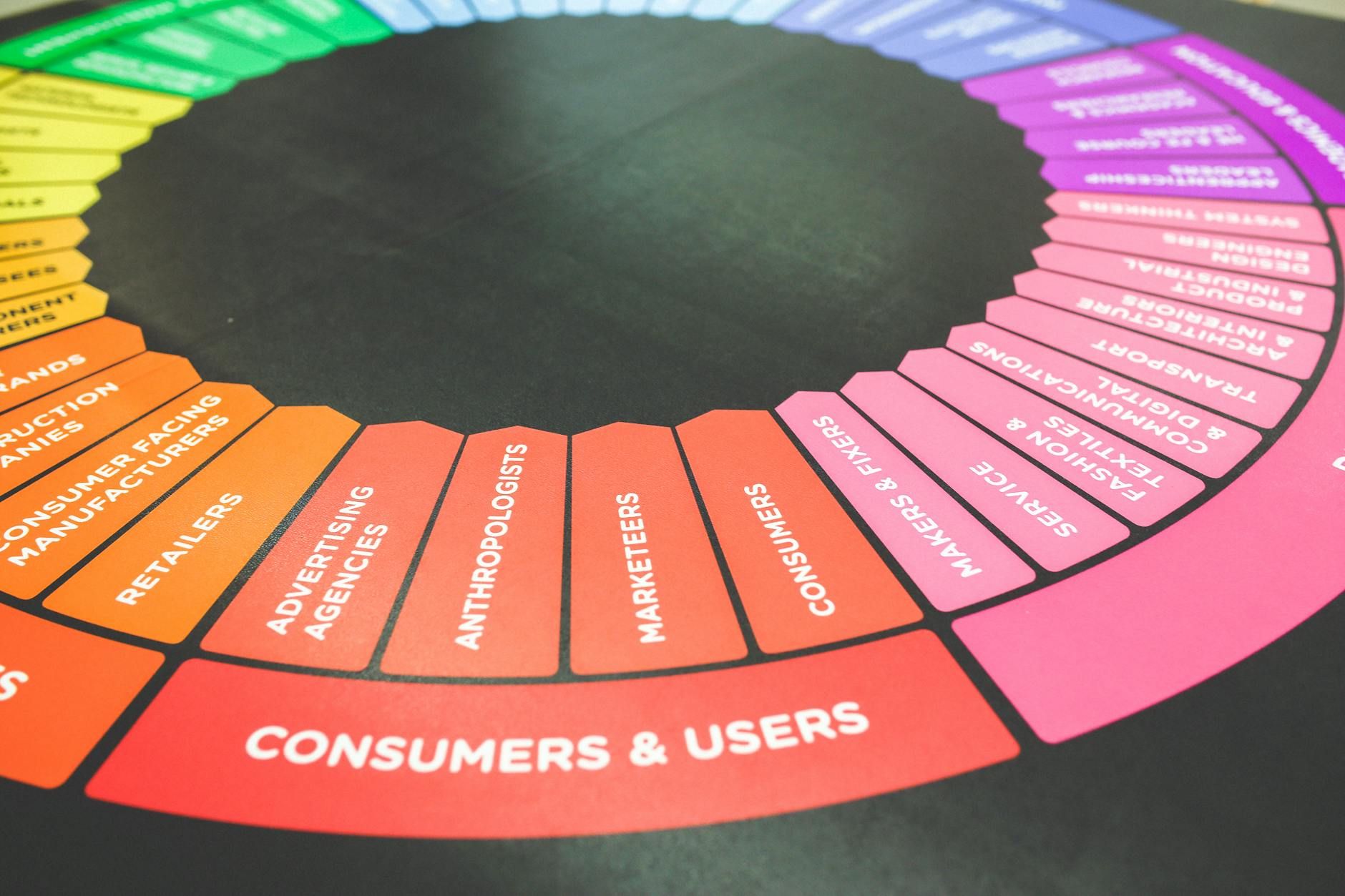

Definisci il tuo posizionamento in una frase e testalo con feedback reali dei consumatori. Questo forza l'allineamento di prodotto, prezzo e promozione intorno a una promessa di valore chiara che risuona con persone. Dovresti raccogliere dati rapidi e azionabili da sondaggi, interviste e interazioni per raffinare i messaggi prima che la produzione si espanda. Se stai guidando un piccolo team, questo approccio mantiene il lavoro focalizzato e le decisioni veloci.
Mappa le tue quattro P a obiettivi concreti dei consumatori. Per prodotto, elenca 3–5 funzionalità principali legate ai lavori da svolgere del cliente; per prezzo, usa intervalli di disponibilità a pagare dal tuo mercato target; per place, scegli 2–3 canali di distribuzione con la portata più alta; per promotion, crea messaggi che spostano le persone dalla consapevolezza all'azione. Esegui 2–3 piccoli test A/B settimanali, con un'ipotesi chiara e una soglia di confidenza del 95%, e traccia l'impatto su metriche chiave come tasso di clic, conversioni e valore medio dell'ordine. Applica pratiche ispiratrici di Harvard per progettare esperimenti, documentare ipotesi e imparare dai risultati per stringere il ciclo.
Chiudi il ciclo con messaggistica pronta per la produzione e apprendimento continuo. Allinea gli asset creativi con il posizionamento principale in modo che ogni interazione con i clienti rafforzi lo stesso valore. Traccia segnali giornalieri attraverso i canali: impressioni, clic, salvataggi e richieste; riassumi cosa potrebbe guidare la conversione e quali spinte necessarie mancano. Cerca buoni segnali che indicano un interesse reale. Coinvolgi team di marketing, vendite e prodotto per tradurre gli insights in cambiamenti pratici che possono essere eseguiti in settimane, non trimestri.
Rendi l'apprendimento un'abitudine in tutta l'organizzazione. Pianifica revisioni mensili che combinano persone, dati e test sul campo. Usa i risultati per regolare il prodotto e il suo imballaggio, giustificare cambiamenti di budget e espandere i canali più promettenti intorno a una promessa raffinata. Questo approccio ti aiuta a costruire una rete di distribuzione ampia e a mantenere il consumatore al centro di ogni decisione.
Framework per la Strategia di Marketing
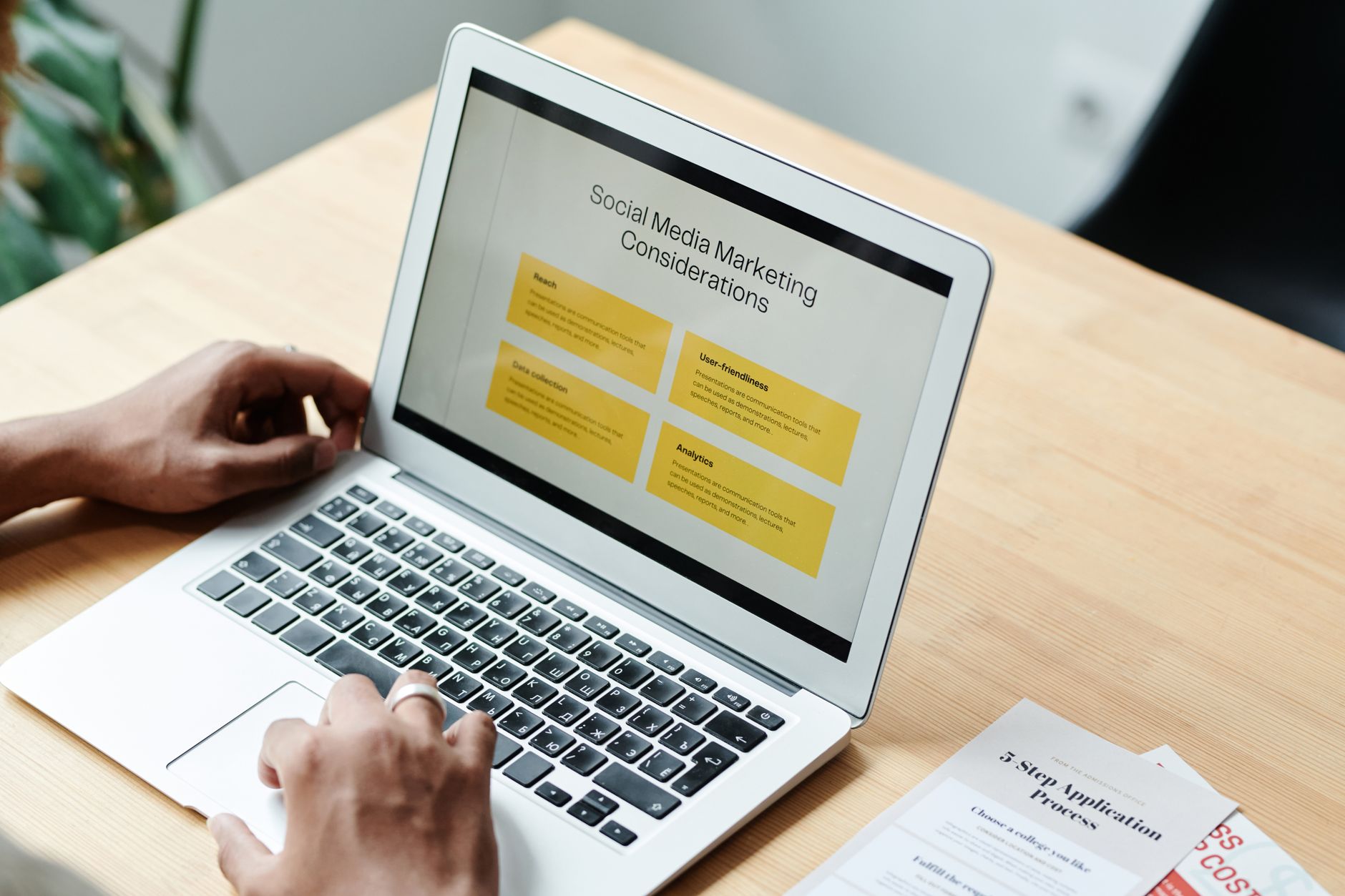
Inizia con un ciclo a cinque passi: analizza i dati di mercato, identifica il pubblico target, mappa il valore del prodotto, seleziona i canali per pubblicizzare e misura i risultati in un ciclo continuo. Questo approccio consegna vittorie rapide e mantiene i team allineati su risultati legati al tempo.
Usa determinazione per affrontare i gap tra i bisogni dei clienti e le tue offerte. Definisci questo in base a dove si inserisce il tuo prodotto, i percorsi di migrazione che i clienti seguono e un orizzonte temporale chiaro per ogni milestone.
Cinque attività principali guidano lo slancio: analizza i dati, raffina la proposizione di valore di base, comprendi i segmenti di pubblico, progetta messaggi appropriati e monitora le performance. Ogni attività si collega alla successiva, creando un ciclo di feedback continuo per ridurre gli sprechi e accelerare l'apprendimento. Questi cinque passi aiutano i team a rimanere focalizzati.
Crea un mix ampio di canali adattato al pubblico e al budget. Scegli media appropriati, dal search ai social, e lascia che i team sperimentino con messaggi che risuonano attraverso i segmenti. Il tracciamento ti permette di ottimizzare la spesa nel tempo.
Ad esempio, un servizio musicale testa un set di annunci, analizza la risposta e alloca il budget ai migliori performer. Questo produce un'eccellente baseline per il processo decisionale e apre la strada alla migrazione da creatività a basso rendimento a quelle ad alto rendimento nel tempo.
Che tu operi in startup o grandi aziende, questo framework si scala con le tue risorse. Allinea i team, accelera il processo decisionale e costruisce una base solida per la crescita attraverso prodotti e mercati.
Definisci il Prodotto: funzionalità, benefici e differenziatori
Inizia con il numero di funzionalità principali, mappa ciascuna a un beneficio concreto per i consumatori e termina con un differenziatore in una frase che spiega perché i compratori scelgono il tuo prodotto rispetto alle alternative.
Definisci le funzionalità chiaramente: attributi principali, specifiche di produzione, usabilità, sicurezza e compatibilità. Per ogni funzionalità, indica il comportamento esatto, l'ambiente e come la misurerai (uptime, latenza, tasso di errore). Usa uno scenario breve per mostrare le cose stesse in azione, in particolare come opera lo staff e come i consumatori notano il beneficio.
Traduci le funzionalità in benefici: come una funzionalità riduce le barriere all'acquisto, accelera il processo decisionale, rafforza le relazioni e migliora la comprensione del valore. Mostra come il supporto via email e la documentazione chiara guidano un'eccellente esperienza cliente, e delineane come la pianificazione aiuta i team ad adottare il prodotto con meno rischio. Assicurati che il piano includa meccanismi per incorporare feedback da consumatori e staff, e che delinei milestone concrete.
Spiega i differenziatori: una combinazione unica di funzionalità, un approccio di produzione che si scala e segnali esterni come partnership e integrazioni Google. Descrivi come questi fattori esterni rafforzino il prodotto nei mercati principali e con i rivenditori chiave. Indica una ragione chiara per cui questo prodotto si distingue per i consumatori e le aziende, supportata da ricerca e risultati reali.
Chiudi con un piano di validazione: esegui un numero di test controllati, raccogli feedback via email e traccia le metriche chiave. Coinvolgi staff, clienti e relazioni esterne per raffinare l'offerta. Includi la comprensione dei bisogni dei clienti nella pianificazione e mostra come il prodotto fornisca un percorso per la crescita. Questo approccio ti mantiene determinato a consegnare valore ai consumatori e alla tua azienda.
Imposta il Prezzo per valore e competitività

Imposta prezzi basati sul valore che riflettono il valore percepito dal cliente, non solo i costi. Se i materiali costano 0,80, bottiglie 0,40, overhead delle fabbriche 0,60 e imballaggio 0,20, il tuo costo unitario totale è 2,00. Con un target di margine lordo solido del 40%, prezzo = costo / (1 − 0,40) ≈ 3,33. Quando le funzionalità del prodotto sono ispiratrici e il mercato lo riconosce, applica un premium del 15–25%, alzando l'intervallo a circa 3,80–4,20 per unità. Poiché il valore guida la disponibilità a pagare, verifica le tue assunzioni con test rapidi di mercato per assicurare l'allineamento con le aspettative dei clienti.
Passi: 1) Mappa i costi (materiali, bottiglie, imballaggio, fabbriche). 2) Definisci leve di valore e disponibilità a pagare attraverso interazioni con clienti e team di vendite. 3) Imposta un prezzo base usando la banda di margine e crea bande di prezzo attraverso gli SKU. 4) Stabilisci cadenza di tracciamento e processi di aggiustamento per rispondere ai movimenti di mercato. Nel corso di un trimestre, rivedi le bande e raffinale basandoti sul traffico e le conversioni osservate.
Bundles e livelli di prezzo: le bande di prezzo dovrebbero riflettere scenari di utilizzo diversi mentre proteggono i margini. I dati utilizzati per i test di prezzo includono il traffico online, interazioni in-store e feedback dai canali di vendita. Gli strumenti utilizzati per i test includono test A/B sulle pagine prodotto, prompt nel carrello e display sugli scaffali; monitora l'impatto su traffico, tasso di conversione e revenue per visitatore. Un pack da 2 bottiglie può essere prezzato vicino al prezzo unitario base con un piccolo premium (circa 5–12% sopra il prezzo combinato di due singoli), mentre un pack da 4 bottiglie produce uno sconto per unità del 15–20% per incoraggiare ordini più grandi.
Tracciamento e aggiustamento: monitora i prezzi continuamente attraverso i canali, usando dati da fabbriche, spostamenti dei costi dei materiali e segnali di traffico online. Se un test aumenta il revenue senza erodere il traffico, mantieni l'aggiustamento; altrimenti revert. Questo approccio comunica valore e supporta l'eccellenza con margini solidi, e permette ai team di rispondere rapidamente ai movimenti di mercato, consegnando risultati benefici.
Scegli Place: canali di distribuzione, disponibilità e strategie di canale
Inizia con una strategia di canale ibrida che posiziona i prodotti sia nei punti vendita al dettaglio che negli storefront online per massimizzare la disponibilità.
Ecco un framework pratico per implementarlo in modo efficiente, con azioni supportate da dati che puoi applicare oggi:
- Definisci un mix di canali affidabile. Includi negozi online D2C, partner retail, marketplace e distributori all'ingrosso. Questo approccio fornisce molteplici punti di contatto e accesso costante al panorama del prodotto. Punta a una divisione 60/40 tra canali online e fisici per gli SKU principali nel primo anno.
- Sincronizza inventario e segnali di domanda. Usa un pool di stock condiviso, aggiornamenti in tempo reale e interfacce touchscreen in-store per rendere le selezioni più facili per i clienti. Coordina con i produttori per espandere lo stock dove la domanda è in aumento; punta ad aggiornamenti stock online giornalieri e refreshes in-store orari durante le ore di punta.
- Adatta gli assortimenti per canale. Includi prodotti signature e SKU innovativi che viaggiano bene tra scaffali fisici e digitali. Pianifica il rifornimento in modo che il sistema di distribuzione introduca un'esperienza consistente; assicurati che il top 20% degli SKU consegni circa l'80% del revenue e rimanga visibile attraverso i canali.
- Stabilisci metriche e esegui analisi regolari. Traccia risultati come velocità di vendita, stockouts, tasso di riempimento e redditività del canale. Usa dati rivisti per aggiustare prezzi, promozioni e posizionamento. Considera l'ambienza musicale e il layout del negozio come fattori che influenzano le interazioni; imposta una revisione KPI trimestrale per verificare il progresso verso un aumento del 2–5% nelle conversioni cross-channel.
- Scala strategicamente e monitora l'impatto. Espandere la presenza del canale richiede un tracciamento ROI attento; espandersi in 3 nuovi mercati per trimestre e puntare a un revenue incrementale dell'8–12% dai canali espansi ti aiuta a prosperare mantenendo una narrativa di marketing coesa.
Pianifica Promozioni che convertono: messaggistica, canali e timing
Inizia con un messaggio principale stretto che risolve un dolore del cliente e testalo attraverso molteplici canali per guidare l'engagement front-of-funnel e risultati venduti. Costruisci un piano intorno a tre pilastri: messaggistica, canali e timing, poi assicurati l'allineamento con KPI chiari e un approccio pratico.
- Messaggistica che converte
Definisci tre concetti principali: proposizione di valore primaria, punti di prova e una call to action chiara. Il messaggio si concentra sul senso di beneficio, usa numeri concreti e passa il sense-check di chiarezza. Crea molteplici varianti, ciascuna costruita da ingredienti: beneficio, evidenza, urgenza. Esegui un'analisi concisa attraverso i segmenti per comprendere quale versione risuona. Assicurati l'allineamento con la strategia di prezzo e la voce del brand.
- Canali che consegnano
Scegli canali che raggiungono il pubblico target e supportano la comprensione del messaggio. Usa un mix di canali (email, social, prompt in-store, paid search) mantenendo un messaggio principale consistente. Fornisci allo staff script e prompt per assicurare un'esperienza sincronizzata attraverso i touchpoint. Pianifica molteplici formati per canale e mantieni l'allineamento attraverso i team per massimizzare l'impatto e controllare i costi. Traccia le tendenze nelle performance del canale per identificare dove allocare il budget strategicamente e per differenziare l'approccio per ogni pubblico.
- Timing che converte
Mappa le promozioni ai cicli di acquisto, inventario e trend stagionali. Imposta una cadenza regolare–settimanale o bisettimanale–poi testa finestre di timing per ottimizzare i risultati. Costruisci slot di timing alternativi per differenziare le campagne e scoprire i migliori momenti per l'engagement. Lega il timing a opportunità di prezzo, come giorni di lancio, offerte bundle o finestre limitate, e monitora i risultati per raffinare la schedule.
- Misurazione, allineamento e ottimizzazione
Definisci KPI che riflettono la conversione in ogni fase: click-through, tasso di engagement, lead e vendite effettive. Traccia i KPI regolarmente e chiudi il ciclo con feedback dalle vendite per stringere l'allineamento tra marketing e operazioni dello staff. Usa un framework di analisi semplice per comprendere i risultati e guidare miglioramenti continui in messaggistica, mix di canali e timing. Pianifica una rapida revisione settimanale e un approfondimento mensile per aggiornare i processi, raffinare i concetti e assicurare che il team rimanga focalizzato e informato.
Allinea le 4 P con il customer journey attraverso i touchpoint
Inizia mappando ogni P a un touchpoint concreto e tracciando il suo impatto sul valore dal primo momento di interazione in poi.
Il Prodotto dovrebbe essere sviluppato con aspetti espliciti che contano in ogni fase; costruendo messaggistica chiara e un takeaway forte per aiutare i clienti a confrontare opzioni durante i momenti di interazione con il brand.
Il Prezzo deve essere appropriato per il punto nel percorso; non affidarti a un singolo segnale di prezzo; esegui test rapidi e impara quali offerte aumentano le conversioni e il valore, puntando a un uplift dell'8-15% nelle conversioni.
Le decisioni di Place devono basarsi su un mix di annunci Google, posizionamenti rivenditori e partner esterni; allinea con le aspettative dei produttori e assicura coordinazione a livello account in modo che stock e consegna rimangano ben timed.
I messaggi di Promotion dovrebbero essere integrati attraverso i canali, con linguaggio consistente che migliora la fiducia e dimostra valore potenziale aumentato; traccia le performance e aggiusta gli sforzi attraverso l'account e i partner esterni per mantenere la messaggistica coesa.
Misurazione e apprendimento consegnano miglioramenti continui: traccia aspetti attraverso i canali, punta a insights aumentati e lascia che i team riallochino sforzi ad aree ad alto impatto. Lascia che i team imparino dai test per raffinare passi futuri, e questo approccio migliora il valore per l'azienda e per i clienti che hanno interazioni significative.
| P | Consapevolezza | Considerazione | Acquisto | Post-acquisto |
|---|---|---|---|---|
| Prodotto | Evidenzia funzionalità; demo; specifiche iniziali | Confronta opzioni; proposizioni di valore | Onboard utenti; conferma specifiche; upsell bundle | Supporto onboarding; tweaks; ciclo di feedback |
| Prezzo | Suggerimenti di valore; promozioni | Offerte strutturate; bundle | Chiarezza checkout; tasse trasparenti | Rinnovi; prezzi fedeltà |
| Place | Canali disponibili | Confronti canali | Esperienza carrello e checkout | Consegna e accesso servizio |
| Promotion | Contenuti educativi; evidenza casi | Testimonianze; confronti | Offerte promosse; deal a tempo limitato | Supporto post-acquisto; prompt referral |
Ready to leverage AI for your business?
Book a free strategy call — no strings attached.


