Le 7 principali tendenze di marketing che vedo nel 2026


Raccomandazione: audita ora le fonti di traffico, evidenzia qualsiasi greenwashing e insisti su affermazioni specifiche e verificabili attraverso i canali per costruire fiducia e accelerare la crescita nel 2026. Questo approccio crea una base chiara per valutare le sette tendenze che seguono.
1) Dati privacy-first e misurazione trasparente I consumatori richiedono controllo; i marchi si affidano a dati zero-party e segnali first-party per personalizzare i messaggi senza tracciare dietro le quinte. prominentemente, la trasparenza nelle metriche aiuta i marketer a confrontare le campagne attraverso i canali senza indovinare. Approcci semplici basati sul consenso riducono costi e attriti, mentre aumentano la fiducia con audience ansiose che vogliono prove dietro ogni affermazione.
2) Ottimizzazione assistita da AI con supervisione umana Usa l'AI per generare idee e automatizzare compiti ripetitivi, ma guida con pensiero umano per selezionare i migliori prompt e garantire la qualità. Costruisci dashboard che evidenziano indicatori leader e benchmark semplici in modo che i team possano agire rapidamente. L'obiettivo: iterazioni più veloci senza sacrificare rilevanza o tono.
3) Contenuti autentici e ispirazione generata dagli utenti Incoraggia i clienti a condividere la loro esperienza e storia con la loro voce. Prominentemente metti in evidenza recensioni reali, demo e studi di caso; evita modifiche pesanti che distorcono la voce. Questo approccio riduce l'ansia intorno al marketing di parte e aumenta la credibilità.
4) Video in formato breve e formati semplici Clip rapide guidano traffico e retention; mantieni i messaggi entro 15–45 secondi con un takeaway chiaro. Usa sottotitoli, miniature mobile-first e un CTA semplice che si allinea con la storia raccontata. Questo formato supporta un approccio stretto all'audience e sperimentazione rapida.
5) Targeting ristretto e micro-messaggistica Concentrati su piccoli segmenti con un forte punto dolente; crea offerte e visual specifici per ogni gruppo. Testa A/B headline e proposizioni di valore per aumentare la risposta senza estendere eccessivamente i budget creativi. La cosa di cui il tuo audience si preoccupa è rendere ogni punto di contatto rilevante.
6) Segnali di sostenibilità verificabili Investi in certificazioni credibili, dati trasparenti sulla catena di approvvigionamento e validazione di terze parti. Evita esagerazioni e assicurati che ogni affermazione possa essere supportata con un semplice link a prove. Questo riduce reazioni ansiose e costruisce fiducia a lungo termine attraverso giorni di campagne.
7) Campagne guidate dalla narrazione e partnership comunitarie Costruisci una semplice storia intorno all'impatto sul cliente, non all'hype. Incoraggia gli advocate a condividere la loro storia e co-creare contenuti; questo approccio organico aumenta la credibilità e amplia la portata.
Outline per un Articolo Informativo
Inizia con un insieme chiaro di obiettivi e un framework semplice per guidare ogni sezione. Definisci il tuo lettore, mappa gli obiettivi di apprendimento e decidi come proverai l'impatto.
Obiettivi e audience Imposta 3 obiettivi misurabili per l'articolo: educare sulle tendenze, fornire insight azionabili e generare lead migliori per i team dei lettori. Identifica le personas: manager di marketing, analisti e leader di prodotto. Allinea con i benchmark di Kantar per inquadrare le aspettative e adattare gli esempi. Includi alcuni punti concreti su cui i lettori possono agire istantaneamente. Includi solo dati ed esempi supportati da fonti credibili per evitare superflui. Aspettati che i lettori cerchino idee trasferibili e pronte all'azione.
Framework Costruisci una struttura in cinque parti: insight sull'audience, proposizione di valore, formati di contenuto, canali di distribuzione e misurazione. Ogni sezione dovrebbe includere un obiettivo specifico, un punto dati e un elemento d'azione pronto all'uso. Il framework mantiene tono, lunghezza e riferimenti consistenti attraverso i lanci.
Contenuti coinvolgenti e informati dai dati Basare le raccomandazioni su dati affidabili ed esempi vividi. Usa i dati di Kantar con 3-4 punti concreti per tendenza, e includi un KPI e un consiglio pratico. Usa un ritmo musicale nei titoli e transizioni per migliorare la leggibilità; assicurati che il linguaggio rimanga coinvolgente per i lettori e dimostri perché certi messaggi hanno venduto più efficacemente istantaneamente oltre i consigli base.
Formazione e asset Crea un kit di formazione con template, checklist e script di esempio in modo che i team possano riprodurre l'approccio. Prepara asset istantaneamente condivisibili per social ed email. Prepara asset di lancio in anticipo per accelerare l'adozione e permettere confronti prima e dopo. Includi uno script di esempio per outline di 1 pagina e 1 post per tendenza.
Lanci e cadenza Pianifica 2-3 lanci focalizzati per trimestre, allineati con aggiornamenti di prodotto o cicli di marketing. Collega ogni lancio a servizi o miglioramenti di prodotto per mostrare valore tangibile. Usa un calendario semplice, assegna proprietà e traccia lead e engagement dopo ogni release. Assicurati di catturare punti di impatto per gli executive.
Passi azionabili e metriche Per ogni tendenza, fornisci 1) consiglio azionabile, 2) una metrica concreta, 3) un test rapido che puoi eseguire in 7 giorni. Traccia migliori lead, guida engagement e riporta i progressi settimanalmente. Usa un piccolo set di dashboard per visualizzare le performance e adattare le tattiche immediatamente.
Misurazione e ottimizzazione Definisci il successo con tasso di conversione, time-to-lead e share of voice. Rivedi ciò che è stato imparato da ogni run, aggiorna il framework e pianifica un refresh mensile. Usa i benchmark di Kantar per confrontare i progressi e impostare nuovi target.
Prima della pubblicazione e raffinamento continuo Esegui controlli finali su tono, fonti dati e chiamate all'azione. Offri ai lettori un'opportunità chiara per fare il prossimo passo con una landing page, trial o form di contatto. Mantieni un documento vivente in modo che i team possano riutilizzare sezioni, aggiornare dati e iterare l'outline dopo ogni lancio.
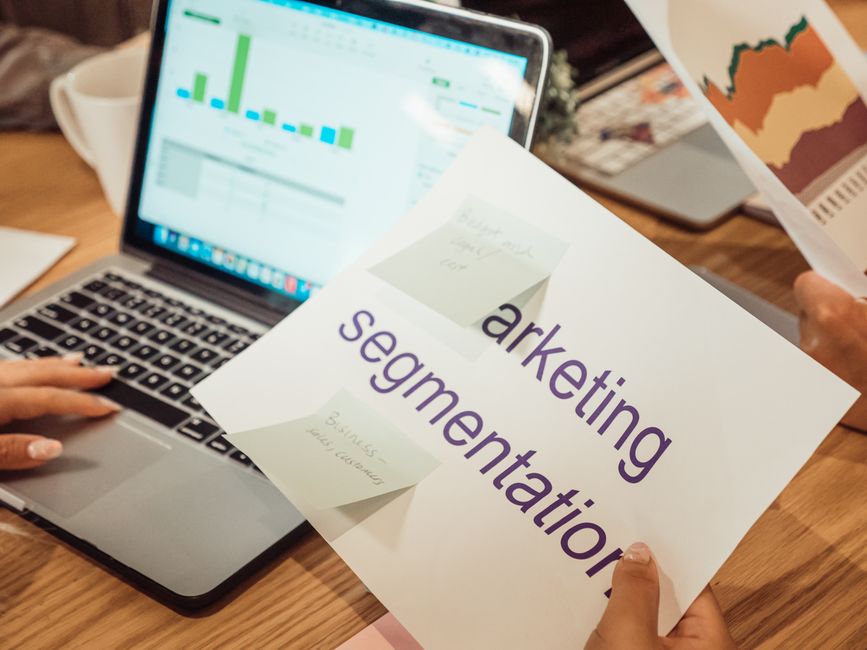
Tendenza 1: Personalizzazione potenziata da AI su larga scala attraverso segmentazione dinamica
Inizia con un framework di segmentazione dinamica a cinque segmenti che si aggiorna ogni ora da un motore potenziato da AI per fornire esperienze personalizzate su larga scala.
Definisci le tue fonti dati principali: dati first-party, comportamento sul sito, segnali CRM e interazioni con il prodotto. Alimenta questi nel motore per alimentare messaggi focalizzati per ogni generazione di clienti. Incoraggia la co-creazione con i clienti per arricchire i profili, permettendo loro di curare preferenze per consumare contenuti allineati con i loro bisogni.
Prima di scalare, esegui un pilota su un workflow chiuso che copre email ed esperienze in-app. Traccia come le raccomandazioni personalizzate guidano l'engagement; misura tassi di apertura, click-through e conversione entro le prime 6 settimane. I piloti tipici producono un lift 2-3x nel click-through e un uplift del 10-20% nella conversione per messaggi altamente rilevanti, con i guadagni più ricchi da gruppi di clienti ad alto valore.
Costruisci un workflow leggero che supporta scoring in tempo reale, aggiornamenti di segmenti e routing di contenuti. Assicurati che le risorse siano allocate ai segmenti principali, e che esistano messaggi di default per casi limite in modo da evitare lacune. Sfrutta segnali dati ricchi per personalizzare subject line, creativi e offerte senza sovraccaricare i team; l'automazione gestisce il lavoro pesante mentre mantieni supervisione umana e supporti la creazione su larga scala.
Mantieni privacy e consenso al centro; fornisci opt-out chiari e spiegazioni sull'uso dei dati ai clienti. Usa Phil nell'analisi per validare modelli e raffinare segmenti; esegui revisioni trimestrali per assicurare che la tua segmentazione rimanga rilevante attraverso linee di prodotto e stagioni.
Dopo il pilota, lancia un'espansione graduale e controllata; imposta uno standard per come i segmenti vengono rinfrescati e documenta il workflow in modo che i team possano condividere best practice e co-creare miglioramenti attraverso i dipartimenti.
Tendenza 2: Workflow di creazione e ottimizzazione di contenuti assistiti da AI
Adoatta un approccio di drafting 60/40 AI-to-umano per contenuti settimanali per accelerare l'ideazione preservando la voce del brand. I template sono progettati per essere plug-and-play, quindi gli output si sentono naturali e pronti per te da raffinare; questa è una feature che scala oltre la bozza iniziale. L'ingrediente è un framework di prompt consistente in modo che gli output rimangano sul brief e facili da rivedere. I team erano lenti ad allinearsi sul tono; questo approccio riduce il back-and-forth e mantiene gli stakeholder coinvolti. Inoltre, coinvolgi attivamente il tuo team in loop di feedback per migliorare accuratezza e tono.
-
Libreria di template e prompt
- Definisci tipi di contenuto (blog, email, social, video) e mappa alle attività AI (outline, draft, SEO, meta). Assicurati che ogni template includa tono, lunghezza e persona target.
- Includi 2–3 varianti di prompt per attività e una checklist dei prompt; testa attivamente quali prompt producono struttura più chiara e linguaggio più naturale.
- Archivia i prompt in una tabella centrale in modo che il team possa riutilizzare e iterare; scarica un pack di avvio per onboardare nuovi membri rapidamente. La tabella serve anche come record vivente di ciò che funziona.
-
Integrazione workflow e publishing
- Collega gli output AI a HubSpot per workflow di publishing e instrada le bozze alla coda del team con proprietà chiara; c'è un canale dedicato in Discord per feedback rapidi.
- Imposta una cadenza quotidiana per la review: skim di 15 minuti da un lead copy, poi un pass editoriale di 30 minuti per raffinare tono e chiarezza.
- Mantieni gli asset organizzati: archivia asset finali in una cartella di download; includi link a prompt originali e fonti per trasparenza.
-
Loop di ottimizzazione e metriche
- Stabilisci target KPI: tasso di engagement su del 10–15%, tasso di click-through su del 8–12%, e time-to-publish ridotto del 40–60% in 8 settimane. Traccia con dashboard che il team può vedere online e misura audience coinvolte.
- Testa A/B headline, intro e CTA; misura risultati in tempo reale e itera prompt basati sui dati; mantieni un log quotidiano di learnings per mostrare cosa funziona per loro e cosa no.
- Usa controlli di linguaggio naturale per assicurare leggibilità e allineamento con personas buyer; punta a una banda di leggibilità confortevole e mantieni i contenuti autentici.
-
Governance, proprietà e scala
- Assegna proprietari per ogni tipo di contenuto e richiedi un passo di approvazione finale dal team brand; assicurati che i contenuti rimangano di proprietà della tua azienda e pubblicabili online.
- Incorpora una tabella di contenuti che traccia stadio, data di scadenza e canale di publish; c'è un checkpoint di acquisto se sono necessari nuovi moduli AI o licenze dati.
- Incorpora un loop di feedback rapido in Discord per evidenziare argomenti evergreen e mantenere il pipeline chiaro per miglioramento continuo.
Consigli operativi: Usa uno sprint quotidiano di 15 minuti per generare una bozza, una caption social e una meta description; usa un'immagine hero semplice e pochi link per supportare i contenuti. Quando sei pronto a scalare, aggiungi nuovi canali ed espandi la libreria di template; continua a esplorare nano-ottimizzazioni che tolgono secondi a ogni passo. Questo approccio aiuta la tua azienda a rimanere avanti, ed è facile scaricare un kit pronto per formare nuovi teammates o partner. Cercando segnali in engagement e feedback, puoi coinvolgere il tuo audience più consistentemente e oltre il post iniziale.
Tendenza 3: Strategia dati privacy-first con gestione del consenso e risoluzione dell'identità
Distribuisci una strategia dati consent-first oggi: implementa una piattaforma robusta di gestione del consenso, pivota verso dati zero-party e first-party, e costruisci un layer di risoluzione dell'identità che collega i touchpoint preservando la privacy. Questo mantiene la fiducia alta mentre abilita connessioni preziose attraverso i canali.
Questo adattamento alle norme di privacy si allinea con i tuoi valori e rende possibili relazioni ongoing con i clienti. Questo shift è stato guidato da regolatori e aspettative dei consumatori, e non è un futuro distante– guida attualmente come i team agiscono sui dati. I dati first-party stanno diventando dominanti in come i brand capiscono le audience e guidano le performance. La cadenza dei segnali di consenso crea un ritmo musicale nella personalizzazione.
- Definisci un framework di consenso che copre categorie dati, scopi, retention, opt-out e un portale di accesso dati con opzioni chiare per cambiare preferenze.
- Prioritizza dati zero-party offrendo scambi di valore trasparenti per preferenze, allineando con valori brand e coinvolgendo audience che opt-in.
- Scala la risoluzione dell'identità con metodi privacy-preserving: ID hashed e un grafo consent-aware per mantenere connessioni cross-device senza esporre dati raw.
- Segmenta audience per dimensioni di gruppi consenzienti per personalizzare messaging per percorsi di acquisto, inclusi partnership influencer con disclosure esplicite e consenso per uso dati.
- Abilita accesso consumatore a preferenze dati e fornisci controlli self-service per aggiornare o eliminare dati; questo comfort incoraggia partecipazione ongoing.
- Misura conversioni e segnali di acquisto da percorsi consenzienti; raffina attribuzione su outcome basati su azioni e ottimizza mix media di conseguenza.
- Governance e wellbeing: mantieni un tell chiaro agli utenti sull'uso dati e assicurati che i team aderiscano alle policy; supporta la privacy come valore core.
Tendenza 4: Campagne guidate da creator e playbooks di crescita guidati dalla community
Esegui un pilota di 90 giorni che abbina 5 creator al tuo team prodotto per co-creare campagne e sfide comunitarie, con SOP che guidano ogni passo. Per marketer come me, questo approccio minimizza sprechi e produce learnings che puoi bloccare in playbooks company-wide.
Queste campagne consegnano contenuti di qualità, ampia portata organica e engagement sostenibile allineando la voce creator con interessi comunitari. Permetti domande dall'audience per modellare il messaging, e lascia che i creator generino traffico e link a pagine sul tuo sito. Non solo una teoria, questo approccio può produrre un lift del 40–60% nel traffico da post creator versus post branded e approssimativamente un boost 2x nell'engagement per post. Traccia con Google Analytics e mappa i milestone timeframe usando link tracciabili, in modo da misurare impatto attraverso pagine e funnel e adattare tattiche rapidamente contro la competizione.
Per eseguire questo bene, implementa SOP per outreach, contratti, pagamenti e disclosure; definisci 4–6 modelli di pagamento e collaborazione che si allineano con obiettivi creator e policy company. Costruisci una libreria di contenuti lean con template e script, e assicurati che gli asset linkino pulitamente a pagine prodotto. Poggiare su collaborazione creator aiuta la generazione di connessioni autentiche e crea traffico prevedibile a grandi audience mantenendo qualità alta e sostenibile nel tempo.
| Passo | Azione | Proprietario | Timeframe | KPI |
|---|---|---|---|---|
| Discovery | Identifica 4–6 creator allineati con valori brand; valuta sovrapposizione audience e qualità contenuti | Growth Lead | Settimana 1–2 | Punteggio fit creator; % sovrapposizione audience |
| Co-creazione | Co-sviluppa 2–3 campagne e sfide comunitarie; stabilisci SOP e linee guida contenuti | Content Lead | Settimana 3–4 | Punteggio qualità contenuti; tasso link approvati |
| Attivazione | Pubblica contenuti creator; guida traffico con link tracciabili a pagine; cross-post | Growth & PM | Settimana 5–8 | Lift traffico; CTR su link; tasso engagement |
| Misurazione | Aggrega dati da Google Analytics; confronta con baseline; adatta modelli e leaning | Analytics | Settimana 9–10 | ROI; CPA; lift retention |
Questo approccio si allinea con il tono che Gartner e Vice impostano per partnership creator credibili, e prepara la tua company a competere più efficacemente combinando credibilità creator con ottimizzazione data-driven. Loop comunitari race-powered aiutano a mantenere momentum e spingere scala senza sacrificare qualità.
Tendenza 5: UGC, video in formato breve e template di contenuti pronti per la conversione
Distribuisci un kit di template UGC pronti per la conversione entro 14 giorni, distribuiti attraverso i community manager. Questo ha dato un'opportunità per scalare contenuti autentici trasformando momenti reali dei clienti in formati ripetibili. Usa tre template: 1) clip testimonial/reagisci, 2) micro-storia behind-the-scenes, 3) shot unboxing/primo-uso. Ogni kit usa un hook di 9-15 secondi, un core di 15-25 secondi e un overlay CTA di 5 secondi con URL o codice. Allinea hook a punti dolenti comuni e casi d'uso prodotto. Usa i template per esprimere valore rapidamente e mantieni il tono human-first e friendly. L'obiettivo è convertire viewership passiva in azione con attrito minimo.
Per massimizzare la conversione, allega CTA espliciti, hook con caption e testo on-screen che ripete l'offerta. Includi 3-4 varianti di caption per template per adattarsi a diverse audience. Dirigi i viewer a landing page ottimizzate per mobile; assicurati tempi di caricamento rapidi e una prop di valore chiara. Pubblica 2-3 sessioni live-streamed settimanali in stanze dedicate per seed UGC e invita fan a contribuire. Il formato live-streamed è potente per autenticità e feedback rapido. Questo rimane una leva chiave per engagement e conversione.
Traccia metriche attraverso conversioni: tasso view-through, tasso save, condivisioni, commenti e tasso click-through. Nei test pilota, brand che integrano template UGC con il 50% dei tagli video hanno mostrato un lift 2x nel tasso save e un lift 1.8x nel CTR versus clip branded. Imposta un target per raggiungere il 15-20% delle conversioni da route UGC entro i primi 90 giorni. Usa parametri UTM per attribuire traffico e segmentare per audience con regole di personalizzazione.
Apri un flusso di archi autentici invitando membri a condividere momenti backstreet dalle loro vite con il tuo prodotto. Crea un flusso di submission semplice: upload one-click, cap di 60 secondi e prompt caption. Dai a ogni vincitore un posto nel calendario contenuti per copertura ongoing. Usa un panel rotante di community manager per rivedere clip entro 24 ore, poi stanze live-streamed per feedback e tweak prima del posting.
Sfrutta la personalizzazione per adattare prompt per segmento: nuovi clienti, buyer returning e membri ad alto valore. Alimenta segnali utente nei tuoi template in modo che le caption si adattino a interessi e azioni recenti. Usa overlay testo di 3-4 secondi per evidenziare offerte e benefici. Mantieni tono consistente con la voce brand: friendly, human-first e diretto. Questo approccio aiuta manager e creator a scalare contenuti senza perdere autenticità. C'è valore nel mantenere il messaging tight e consistente attraverso formati.
Fornisci diritti chiari e consenso all'uso nel tuo pack di template; istruisci i membri su come concedere permesso e come creditarli. Mantieni una libreria di clip approvati e una policy per rimuovere qualsiasi contenuto che potrebbe danneggiare la fiducia. Mantieni una cadenza: pubblica 5-7 nuovi clip UGC settimanali; rinfresca template ogni 6-8 settimane per mantenere contenuti freschi. Questa cadenza di buoni contenuti assicura momentum costante e riduce stress di produzione.
La crescita UGC-driven sta come buona evidenza che i membri community si sentono valorizzati; molti fan consumano contenuti e condividono esperienze, boostando intento di acquisto. Il presidente può guidare evidenziando top creator in newsletter e aggiornamenti prodotto, rafforzando legami comunitari e credibilità. Questo approccio powering allinea prodotto, manager di marketing e customer success per scalare contenuti e guidare risultati. Distinguiti abbinando UGC con una showcase branded settimanale nelle tue comunicazioni, e c'è un percorso chiaro verso fiducia audience più profonda.
Tendenza 6: Live shopping, personalizzazione in tempo reale e orchestrazione cross-channel
Lancia una sessione live shopping settimanale con un host rotante e chat in tempo reale, supportata da card prodotto on-screen e checkout rapido. Sempre di più, gli shopper liftano la loro confidenza quando possono fare domande e vedere soluzioni nel momento, quindi punta a un lift del 15-25% nelle vendite entro i primi 90 giorni per categorie arredamento. Allinea ogni stream con offerte cross-channel per boostare engagement e accorciare il percorso all'acquisto.
Abbina sessioni live con personalizzazione identity-driven in modo che le offerte si adattino a ogni visitatore e contesto. Clip short-form che rispondono a top domande guidano tassi di completamento più alti e mantengono il feel cool e human. Un layer di governance leggero più supervisione umana protegge consenso e privacy mentre permette sperimentazione creativa sotto la superficie. Lo shift delle aspettative consumatore richiede che tu risponda in tempo reale.
L'orchestrazione cross-channel richiede un team dedicato che possiede il flusso attraverso sito, app, canali social e app in-store. Integra dati dal tuo motore ecommerce, CRM e POS in modo che offerte e stock rimangano consistenti, e lascia che segnali in tempo reale triggerino prompt personalizzati. Muoviti il più veloce possibile. Traccia vendite incrementali, valore ordine medio e engagement per episodio per provare impatto e costruire momentum.
Inizia presto con piloti in arredamento e un set ristretto di SKU per limitare rischio. Ecco una checklist rapida per guidare il rollout: assembla un team cross-functional, mappa due canali per test iniziali, distribuisci clip short-form e imposta regole identity-based con governance trasparente. Usa linguaggio kreativ che risuona con shopper giovani e invita interazione. Mantieni contenuti tight, con hook sotto 30 secondi, e misura impatto in tempo reale.
Per brand leader, l'opportunità sta nel combinare live shopping, personalizzazione in tempo reale e orchestrazione cross-channel per superare la competizione. Un team esperto può tradurre segnali in offerte che liftano vendite e approfondiscono lealtà, mentre la governance mantiene l'uso dati responsabile e trasparente.
Invia una breve richiesta
Descrivi sito, obiettivi, pubblico e budget per discutere una proposta.


