Miglior Software per Sottotitoli Video nel 2026 - Strumenti Principali da Provare

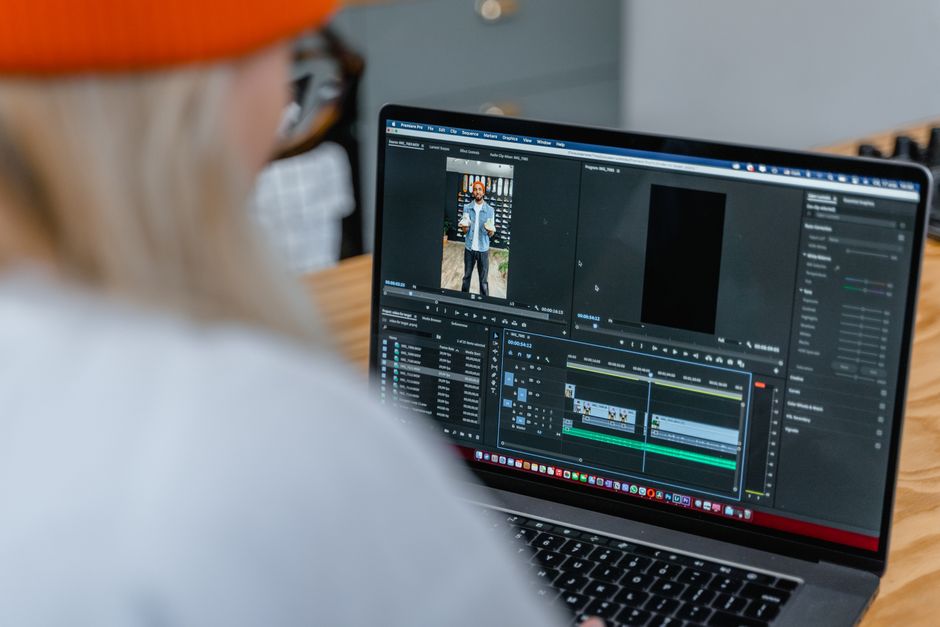
Descript è la tua scelta iniziale migliore per il 2025. Fornisce sottotitoli rapidi e accurati, gestisce il movimento con auto-sottotitoli intelligenti e offre clipping rapido per trasformare footage grezzo in fotogrammi pronti per la pubblicazione per social e piattaforme. Questa soluzione si scala attraverso squadre e aiuta a mantenere il workflow personale mentre affina le tue competenze.
Kapwing eccelle per sottotitoli rapidi basati su cloud che variano in complessità, da scritte trascrizioni a sottotitoli auto-sincronizzati. Supporta multiple piattaforme e offre piani flessibili per creatori solisti e piccole squadre. Controlla le recensioni per confrontare velocità e accuratezza su progetti reali e applica alcuni consigli per valutare l'adattamento e rivelare la magia dell'automazione.
VEED.io si distingue per clipping rapido e sottotitoli in movimento, con un workflow personale amichevole che si scala a squadre e copre multiple piattaforme. Guarda le recensioni per valutare accuratezza e risparmi di tempo, poi testa la consistenza dei sottotitoli attraverso diversi fotogrammi per confermare l'adattamento.
La guida si concentra sull'eliminare la trascrizione manuale, e questi strumenti forniscono guadagni in minuti piuttosto che ore. La maggior parte dei fornitori offre piani che impacchettano auto-sottotitoli con log scritte archiviate ed esportazioni per post social, intere librerie video e fotogrammi ottimizzati per varie piattaforme. Crea una lista breve e esegui un confronto rapido attraverso tre progetti per vedere quale corrisponde meglio alle tue esigenze di movimento e clipping.
Miglior Software per Sottotitoli Video nel 2025
Inizia con Descript come strumento principale di sottotitoli per il 2025. Abbina un editor efficiente con auto-sottotitoli rapidi, permettendo al team di creare tracce di sottotitoli sincronizzati in un unico passaggio. L'editing basato su timeline mantiene i sottotitoli allineati mentre tagli o riorganizzi le scene, e i suggerimenti in stile assistente accelerano le correzioni, riducendo il lavoro manuale tedioso durante la creazione.
Per progetti che richiedono maggiore accuratezza, combina Descript con Amberscript o Trint, che si basano su modelli diversi e supportano integrazioni di terze parti. Queste opzioni espandono la copertura attraverso accenti e ambienti rumorosi, migliorando la qualità dei sottotitoli su riprese con multiple microeoni e telecamere.
Espandere i workflow multilingue ora è importante: strumenti con supporto linguistico in espansione ti permettono di ramificare sottotitoli alternativi attraverso lingue senza duplicare le timeline.
Flessibilità di design ed esportazione conta: regola il design dei sottotitoli (font, dimensione, interruzioni di linea) e formati di esportazione come SRT e VTT. Un'app iPad permette agli editor di annotare sottotitoli sul set o durante i viaggi, mentre sincronizza con multiple telecamere in riprese multi-cam.
Controlli di qualità e valutazione: imposta controlli automatizzati e umani nell'editor per migliorare l'accuratezza; assegna compiti al tuo team e traccia i progressi.
Prezzi e adattamento: cerca bundle che coprono grandi conteggi di ore e offrono piani scalabili; considera strumenti che forniscono accesso API per automazione e workflow di terze parti.
| Strumento | Migliore Per | Funzionalità Principali | Prezzo Approssimativo (mensile) |
|---|---|---|---|
| Descript | Sottotitoli e editing all-in-one | auto sottotitoli, editor integrato, editing basato su timeline, ramificazione, app iPad, controlli | A partire da circa 12–15 USD |
| Amberscript | Trascrizione ad alta accuratezza con supporto linguistico | modelli linguistici multipli, editor user-friendly, integrazioni di terze parti | ≈15–35 USD |
| Trint | Sottotitoli collaborativi per squadre | editor web, esportazioni SRT/VTT, strumenti di editing dettagliati | ≈20–40 USD |
| Sonix | Elaborazione rapida per sottotitoli multi-lingua | supporto multi-lingua, accesso API, controlli, esportazioni | ≈10–25 USD |
| Otter.ai | Sottotitoli in tempo reale per riunioni e note video | sottotitoli live, integrazioni, editor base | ≈8–16 USD |
Kapwing: Workflow auto-sottotitoli, setup e consigli per la prima esecuzione
Abilita auto-sottotitoli alla prima esecuzione per ridurre il tempo di trascrizione e mantenere i sottotitoli sincronizzati con il discorso. Questo editor basato su browser è stato affidato da editor per short e video più lunghi, e ti aiuta a mantenere sottotitoli consistenti attraverso le scene. Dopo la generazione, rivedi il timing, correggi parole fraintese e lucida la punteggiatura a uno standard professionale. Se lavori con audience multilingue, usa la traduzione per aggiungere lingue senza ricominciare.
I passaggi di setup sono rapidi: carica il tuo video in un nuovo progetto nell'editor basato su browser di Kapwing, scegli la tua lingua primaria e attiva Auto-caption. Il generatore crea un primo passaggio che puoi sfogliare in meno di cinque minuti per un clip tipico di 2–3 minuti. Per workflow multicam, abilita la timeline multicam in modo che i sottotitoli rimangano allineati a ogni angolazione; posiziona i sottotitoli su un layer dedicato in modo che transizioni e editing b-roll non li spingano fuori sincrono. Usa avatar o overlay di branding per mantenere i visual coerenti, e mantieni il tuo ambiente consistente pre-selezionando un font e una palette di colori prima di iniziare.
Consigli per la prima esecuzione: rivedi ogni sottotitolo, correggi eventuali errori e regola le interruzioni di linea per la leggibilità. Usa la traduzione per generare varianti linguistiche dopo, poi confronta le traduzioni con l'originale per assicurare accuratezza. Per transizioni tra inquadrature, assicurati che i sottotitoli non saltino a metà frase; suddividi sottotitoli lunghi a due linee per migliorare la leggibilità. Esplora diversi stili di sottotitoli nei lab per trovare un look adatto che corrisponda al tuo brand; aggiungi animazioni sottili ai sottotitoli per mantenere il ritmo vivace senza distrarre lo spettatore. Quando sei pronto, esporta una bozza per testarla in un browser e verificare il testo temporizzato su diversi dispositivi.
Dopo l'esportazione, rivedi i sottotitoli su desktop e mobile per confermare la leggibilità, poi salva una versione finale con una traccia di sottotitoli scaricabile. Questo workflow è stato confrontato con sottotitoli manuali per illustrare i risparmi di tempo. Rispetto ai sottotitoli manuali, l'auto-sottotitoli risparmia tempo e ti aiuta a consegnare output consistenti attraverso short, b-roll e sequenze multicam. Se una parola è fraintesa, aggiungi una nota correttiva rapida nell'editor e riesegui il passaggio auto-sottotitoli per un risultato lucidato.
Descript: Qualità della trascrizione, etichettatura parlanti e velocità di editing
Inizia con il tier starter per validare la qualità della trascrizione rapida, l'etichettatura affidabile dei parlanti e editing rapidi su un'intervista di due ore; poi passa al tier professionale per squadre e licenze che si scalano.
Qualità della trascrizione: Descript usa un motore che si concentra sulla cattura accurata delle parole, punteggiatura chiara e cambiamenti affidabili dei parlanti. Per clip pulite, a singolo parlante o ben registrate, il primo passaggio è tipicamente utilizzabile con correzioni minime. Per conversazioni multi-parlante, abilita la diarizzazione e aspettati piccoli ritocchi manuali per perfezionare i confini dei parlanti. Le opzioni di esportazione supportano formati multipli, e i riassunti possono essere generati per bozze di note di show o sottotitoli social per il tuo audience. Quando gli asset sono a fedeltà inferiore, abbina il workflow con strumenti di upscaling prima di finalizzare i sottotitoli per mantenere il timing allineato con i visual. L'intero processo si esegue abbastanza rapidamente da mantenerti produttivo tra riprese e editing. Le scadenze incombono sull'editor in periodi affollati, quindi passaggi tempestivi sono essenziali. Esportazioni una tantum di sottotitoli o trascrizioni possono accelerare i passaggi a clienti.
- Etichettatura parlanti: La diarizzazione automatica etichetta i parlanti per impostazione predefinita, con rinominazione facile per riflettere nomi reali. Un equilibrio tra cue automatici e ritocchi manuali mantiene la timeline pulita, riducendo andirivieni e consegnando una narrazione coesa per l'audience.
- Velocità di editing: L'editing guidato dal testo ti permette di tagliare, splice e riordinare modificando la trascrizione, mentre la timeline video si aggiorna in tempo quasi reale sulla pista. Questo approccio rapido eccelle nel trasformare registrazioni lunghe in tagli avvincenti con sottotitoli, capitoli e highlight, tutto prima di passare all'esportazione finale.
- Workflow e integrazioni: Workflow specializzati per podcaster, educatori e marketer semplificano la produzione. Integrazioni con editor e piattaforme popolari abilitano licenze e collaborazione basata su tier, mentre funzionalità subvideoai emergono asset pronti per clip direttamente dalle trascrizioni. Workflow image-to-video ti permettono di assemblare visual alongside sottotitoli interamente nello stesso progetto.
Consigli pratici: usa una fonte audio pulita, esegui riduzione del rumore leggera dove necessario e sfrutta i riassunti per creare brief rapidi per editor e produttori. Per progetti ad asset pesanti, abbina la pipeline con upscaling per visual e mantieni una voce consistente attraverso episodi per tenere il contenuto avvincente e professionale. Se pubblichi spesso, pianifica una strategia di esportazione una tantum per deliverable clienti per ridurre cicli di revisione. Il workflow della piattaforma supporta loop di produzione integrati e rapidi che tengono il passo con un audience affaccendato.
VEED: Formati sottotitoli, traduzioni e stili di movimento
Usa VEED Studio per sottotitoli rapidi e accurati con caricamenti drag-and-drop ed esportazione in SRT, VTT o TTML. Carica il tuo video, genera auto-sottotitoli e raffina il testo in un unico workspace basato su browser. Se consideri alternative, VEED spesso vince per squadre che preferiscono un workflow studio; rispetto a sonix, tende a essere più accessibile per turnaround rapidi. Il setup base copre la maggior parte dei progetti mentre rimane fluido su mobile.
Traduzione e supporto linguistico: VEED usa modelli di traduzione per convertire sottotitoli in molte lingue preservando il timing del dialogo. Questo approccio supporta una copertura linguistica estesa e assicura che le traduzioni rimangano sincronizzate mentre il video cambia. Mentre traduci, puoi regolare il timing per segmento, assicurare che la punteggiatura rimanga leggibile e applicare interruzioni di linea specifiche per lingua per mantenere i sottotitoli allineati per cambiamenti nel video. Questo aiuta a espandere audience riducendo il rework manuale.
Formati e workflow: Esporta sottotitoli come SRT, VTT o TTML, e ricarica file editati per affinare i risultati. Questo setup aiuta a ridurre andirivieni quando gestisci molti progetti, e puoi mantenere un flusso di sottotitoli consistente attraverso clip e piattaforme. Se riutilizzi asset da progetti passati, VEED applica lo stesso stile per minimizzare editing.
Stili di movimento e aspetto: Scegli preset di movimento come tipografia cinetica, highlight animati o fade sottili per abbinare la vibe del video. Regola font, dimensione, colore, outline e allineamento in modo che i sottotitoli appaiano all'altezza ottimale su mobile e desktop. Applica cambiamenti rapidamente e mantieni un look coeso attraverso una sessione studio o multiple clip.
Clipchamp: Sottotitoli in-browser, collaborazione e preset di esportazione
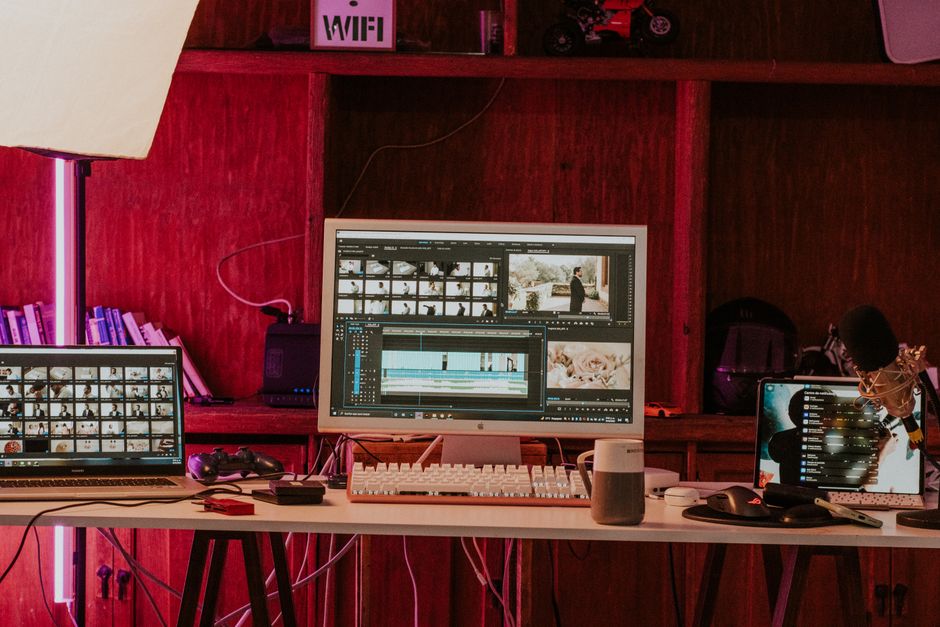
Abilita auto-sottotitoli per generare una bozza di trascrizione automaticamente, poi raffina etichette parlanti e script per identificarli chiaramente, prima di esportare su tiktok o piattaforme long-form.
L'editing sottotitoli in-browser ti permette di regolare il timing, impostare un design bold, colore e font per abbinare il tuo brand, e correggere errori rapidamente senza lasciare l'app.
Le traduzioni sbloccano portata multilingue: dopo speech-to-text, puoi aggiungere traduzioni in multiple lingue, assicurando che i sottotitoli riflettano phrasing locali per mercati target.
I preset di esportazione accelerano la consegna: scegli preset specifici per piattaforma (9:16 per tiktok, 16:9 per YouTube, quadrato per Instagram) e decidi tra sottotitoli incorporati o burned-in; contenuti long-form si scalano bene quando regoli dimensione testo e interruzioni di linea. Asset stock includono clip e audio licensed; termini licenza coprono uso commerciale, quindi puoi monetizzare progetti.
I workflow collaborativi migliorano l'efficienza: le squadre possono gestire progetti, condividere file, assegnare compiti e tracciare lavoro attraverso stream, con commenti e storia versioni per mantenere tutti allineati; controlli accesso richiedono account appropriati per salvaguardare asset.
Per casi che richiedono extra accuratezza, combina auto-sottotitoli Clipchamp con revisione esterna: 3play può gestire proofreading e enhancements per trascrizioni, assicurando che traduzioni rimangano fedeli; raccomandazioni includono eseguire un passaggio rapido su sequenze tricky e aggiornarle negli script prima dell'esportazione finale.
La documentazione fornisce consigli quick-start e best practice: controlla le linee guida design, contrasto colore e dimensioni font; usa note uso stock e dettagli licenza per confermare diritti; questo ti aiuta a scalare workflow da clip short-form a serie long-form.
Opzioni manuali vs. automatizzate: Quando esternalizzare sottotitoli
Usa sottotitoli automatizzati per video routine, ed esternalizza solo per pezzi high-stakes. Questo approccio accelera il turnaround per youtube e contenuti blog, preserva il controllo costi e rende la conversione più facile per la maggior parte delle audience. Inizia con uno strumento affidabile, esegui un after-check e catturerai la maggior parte degli errori rapidamente.
Esternalizza quando il contenuto si basa su termini specializzati, brand o gesti che richiedono timing e clipping granulare. Questi progetti beneficiano di aziende che capiscono la loro voce e terminologia, e possono consegnarli pronti per la pubblicazione come asset branded. Questo path mantiene la qualità molto necessaria sotto controllo.
Il lavoro manuale eccelle per sottotitoli multi-lingua e pezzi sensibili all'accessibilità quando l'accuratezza conta. Un passaggio manuale può consegnare la nuance che gli strumenti automatici perdono, specialmente intorno a punteggiatura e timing. Quando hai bisogno di velocità senza sacrificare qualità, un provider powerhouse può gestire il carico.
Consiglio workflow: esegui un passaggio auto, poi un round di valutazione una tantum per fissare issues ovvi. Se necessario, passa il lavoro a loro per assicurare che il timing si allinei con gesti e cambiamenti scena su macipad o desktop, e riconferma che il clipping sia esatto.
Dove investire: l'automazione copre la maggior parte del volume, ma squadre specializzate vincono quando il contenuto include termini brand o terminologia niche. Il loro approccio rende i sottotitoli finali affidabili attraverso youtube, blog e altri canali, aiutandoti a mantenere revs tight e contenuto accessibile.
Ready to leverage AI for your business?
Book a free strategy call — no strings attached.


