Generatore di Idee per Contenuti - Genera Argomenti Freschi in Secondi

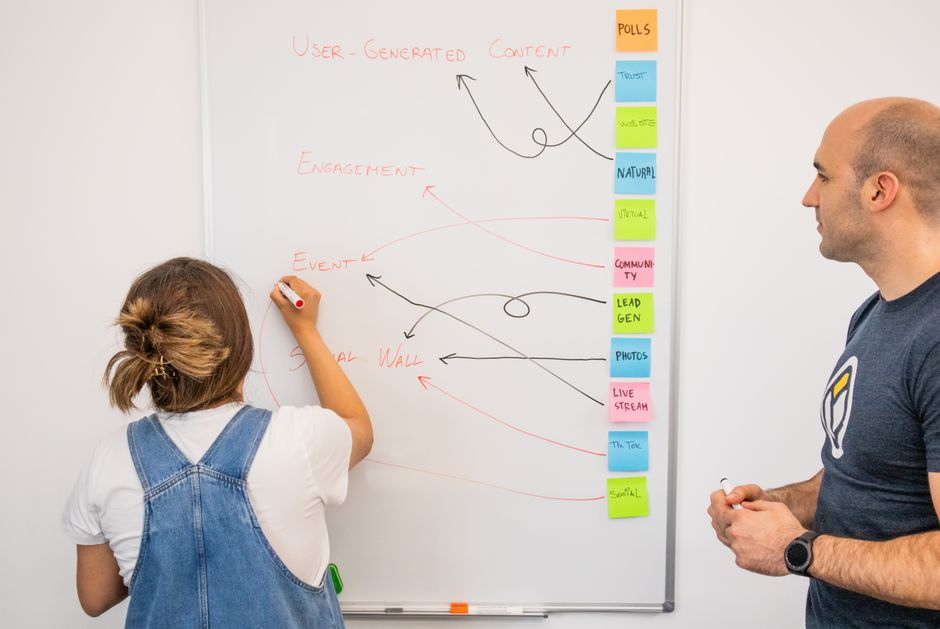
Hai bisogno di argomenti freschi velocemente? Costruisci un semplice flusso a 3 passaggi che sfrutta i tuoi sistemi e restituisce angoli rilevanti in secondi. Inizia con un prompt breve che combina segnali del pubblico, dati di tendenza e il tuo contenuto esistente. Il risultato è una lista che puoi usare per un blog, video o post social, allineata con i tuoi obiettivi desiderati. Mantieni una nota freebie per stimolare idee, e supporterai il tuo team con chiare indicazioni per svolgere il lavoro.
Per rimanere rilevante nel tuo settore, progetta prompt che mescolano ciò che è attuale con le esigenze del tuo pubblico. Crea una lista di argomenti seed, poi trasforma ciascuno in 4-6 angoli che potrebbero diventare post, video o caroselli. In pratica, vedrai emergere angoli possibili in secondi, e potrai testare il potenziale virale con un rapido freebie o teaser che invita all'azione intorno al tuo brand.
Integra il tuo pipeline di idee con analisi e feedback da altri nel tuo team. Una semplice integrazione del tuo calendario dei contenuti, dati sulle parole chiave e segnali di vendita mantiene tutti sullo stesso passo. Usa un template condiviso in modo che l'esecuzione sia chiara e il backlog rimanga pulito. Prima di pubblicare, valida con un rapido controllo: l'argomento si adatta ai tuoi obiettivi, si allinea con i tuoi prodotti e l'angolo è qualcosa che il tuo pubblico vuole ora? Questo approccio mantiene lo slancio sulla rotta giusta con i dati.
Se non sei sicuro, fai un rapido sondaggio con 3-5 abbonati o compagni di squadra. Poi definisci il tuo pubblico, estrai 2-3 segnali di dati e elenca 5 argomenti seed. Per ciascun seed, scrivi 3 angoli che si adattano ai tuoi formati: post, video e newsletter. Valida rapidamente con il tuo team o un piccolo test di pubblico, poi scegli i migliori 1-2 da scalare in un ciclo vitale usando un freebie o CTA che invita all'azione intorno alla tua offerta. Questo flusso concreto ti aiuta a passare dall'idea alla pubblicazione in secondi.
Mantieni il sistema snello: rivedi i risultati ogni settimana, pota gli angoli che performano male e aggiungi seed freschi intorno a argomenti di tendenza. Mantenendo un ritmo costante, preservi lo slancio senza prosciugare le risorse. Il tuo team apprezzerà una lista di azioni chiare che scala man mano che cresci, con un freebie per attrarre pubblici di test e feedback.
Flusso di lavoro pratico per generare argomenti e pianificare il riutilizzo in secondi
Esegui uno sprint di argomenti di 5 minuti usando le ultime 10 domande poste e conversazioni attraverso canali specifici per piattaforma per generare 12 seed di argomenti, poi mappa ciascun seed a 4 formati di riutilizzo attraverso pezzi digitali.
Questo approccio mescola psicologia con dati concreti: cattura ciò che guida l'engagement in termini di bisogni e comportamenti, poi informa i prossimi passi con azioni rapide e attuabili. Abbiamo scoperto che un ciclo stretto tra ideazione e riutilizzo risparmia tempo, mantenendo l'allineamento con le richieste del pubblico e i temi del settore. Usa il metodo per informare le prossime campagne, spinte stagionali e conversazioni evergreen senza stravolgere il tuo flusso di lavoro.
Il Passo 1 si concentra sulla raccolta rapida di input. Raccogli input da tre fonti: domande del pubblico, conversazioni dei creatori e segnali di performance da analisi specifiche per piattaforma. Mantieni un log corrente con i seguenti campi: argomento seed, bisogno osservato, angolo probabile e formati potenziali di pezzi. Limita la lista a 12 seed per mantenere lo sprint stretto e attuabile.
- Fonti di input
- Domande poste da commenti, DM e sessioni Q&A
- Conversazioni attraverso canali social e risposte alle newsletter
- Segnali di performance recenti per settore, tema e stagionalità
- Generazione seed
- Trasforma ciascun seed in quattro angoli rapidi che si adattano a diversi formati
- Etichetta ciascun seed con formati specifici per piattaforma per guidare il riutilizzo successivo
- Accoppiamento angoli e formati
- Accoppia ciascun seed con almeno due angoli friendly per il pubblico
- Mappa gli angoli a formati come video breve, carosello, estratto di blog e teaser podcast
- Prioritizzazione
- Punteggia ciascun seed su impatto (engagement probabile) e facilità (sforzo di produzione)
- Preferisci seed con alto impatto e basso o moderato costo di produzione
- Mappa di riutilizzo
- Definisci 4 pezzi specifici per piattaforma per seed: un video breve, un carosello, un micro-post scritto e un teaser podcast
- Per ciascun pezzo, delineane il messaggio core, l'hook e una call-to-action
- Piano di esecuzione
- Assegna due ore totali per produrre i quattro pezzi per seed, divisi tra formati
- Raggruppa formati simili per ridurre il tempo di setup e aumentare la consistenza
- Misurazione e iterazione
- Traccia salvataggi, condivisioni, commenti, click-through e tempo di visualizzazione
- Rivedi i risultati dopo una settimana e adatta angoli o formati per i sotto-performanti
Consiglio: inizia con un tema stagionale del settore per allineare i contenuti rapidamente. Ad esempio, accoppia un tema stagionale con una domanda ad alto bisogno dal tuo pubblico, poi adatta lo stesso seed in pezzi specifici per piattaforma con piccole modifiche a titoli e miniature. Questo mantiene la produzione snella mantenendo la varietà attraverso i canali.
Esempio concreto: argomento seed "come gestire il burnout dei creatori" genera quattro angoli–consigli pratici, psicologia della motivazione, routine quotidiane rapide e insight in stile intervista. Riutilizza in: un reel di 60 secondi, un carosello a 5 pannelli, un estratto di blog di 300 parole e un teaser podcast di 20 minuti. Ciascun pezzo fa riferimento allo stesso tema core, raccontando una storia coesa mentre massimizza reach ed efficienza.
Per mantenere i costi prevedibili, limita il tempo totale di produzione per seed a 25 minuti e il numero totale di pezzi per sprint a 8–12. Questo genera un flusso di lavoro scalabile che aiuta i creatori a produrre contenuti consistenti e pronti per piattaforma senza sacrificare la qualità. Se un seed performa male, adattalo rapidamente o ritiralo e rialloca lo sforzo a un seed fresco–qualsiasi cosa funzioni meglio per le tue esigenze attuali e i segnali del pubblico.
Mentre esegui, informa il tuo team con una mappa di riutilizzo concisa di 1 pagina che elenca ciascun seed, angoli, formati, proprietari e scadenze. La mappa fornisce chiarezza, riduce il vai e vieni e rende facile ripetere il processo stagione dopo stagione con minima frizione.
Prompt seed per pubblico, intento e formato di contenuto
Scegli un pubblico, un intento e un formato, poi genera cinque prompt seed che puoi personalizzare per un impatto massimo.
Prompt per pubblico
- Founders e operatori solisti: Scrivi un explainer di case-study di 600 parole per founder che vogliono crescere con un costo per acquisizione più basso, affrontando il loro desiderio di vittorie più rapide. Usa linguaggio evergreen, includi numeri concreti e consegna un pezzo pronto all'uso che puoi personalizzare per loro.
- Marketer e team di contenuti: Redigi una mini-serie di 8 post per altri (stakeholder interni e pubblici esterni); nota l'effetto su engagement e qualità dei lead; consegna 2–3 vittorie rapide da implementare questa settimana; spargi citazioni credibili per aumentare l'autorità e mantieni un tono pratico.
- Educatori e studenti: Crea un outline di lezione a 4 parti che spiega concetti core in linguaggio semplice, con una nota breve alla fine che linka a risorse e un quiz rapido per rinforzare l'apprendimento.
- Creatori su TikTok e altre piattaforme: Scrivi uno script per un video TikTok di 60 secondi che rivela una verità scomoda su [argomento], presenta un passo semplice e attuabile, e termina con una CTA chiara; improvvisamente, gli spettatori vedono il valore e condividono.
- Product manager e team: Sviluppa un piano di contenuti a 5 pezzi che spiega una feature, confronta costo vs valore e risponde a domande comuni; pianifica il cadence di consegna, personalizza per segmenti (es. nuovi utenti vs. power user) e rendi i pezzi pronti alla pubblicazione.
Prompt per intento
- Educare principianti: Scrivi un explainer di 550 parole per principianti, usando linguaggio semplice, con 3 passi concreti e una nota alla fine per i lettori da applicare subito.
- Convertire scettici: Crea un confronto supportato da dati tra approcci vecchi e nuovi, evidenzia il costo e l'effetto, e termina con una risposta persuasiva e attuabile e una forte CTA.
- Ispirare azione: Redigi una narrazione a 3 parti che motiva i team a testare una nuova idea, includi 2 citazioni di esperti e termina con un piano semplice per iniziare questa settimana.
- Intrattenere mentre informi: Produci un pezzo conciso che mescola fatti con umorismo per un pubblico ampio, usando analogie accessibili e una struttura più stretta di un saggio lungo.
- Pianificare contenuti futuri: Outline un piano mensile che mappa argomenti a segmenti di pubblico e formati, più un flusso di lavoro leggero da seguire per rimanere in orario.
Prompt per formato di contenuto
- Video e social: Scrivi uno script per TikTok di 60 secondi con un hook nei primi 3 secondi, 3 beat e una CTA per salvare e seguire; fai contare ogni beat e mantieni il linguaggio stretto per un uptake più rapido.
- Post di blog: Redigi un articolo evergreen di 900–1200 parole con sottotitoli chiari, takeaway a punti elenco e una nota di chiusura che punta ai prossimi passi e letture correlate.
- Sequenza newsletter: Crea una sequenza di onboarding a 5 email che insegna un argomento, con subject line progettate per massimizzare i tassi di apertura e qualche foglio di lavoro pratico che le persone possono provare.
- Post carosello: Outline un carosello a 7 slide, un'idea core per slide, terminando con una forte CTA attuabile e un breve riassunto sull'ultima slide.
- Outline podcast: Prepara un outline podcast a 4 segmenti con intro, un segmento intervista breve, consigli pratici e un takeaway rapido che puoi applicare oggi.
Template di prompt per blog, video, reel e podcast
Inizia con un prompt core che outputta quattro elementi–hook, outline, script e CTA–e applicalo a blog, video, reel e podcast per generare contenuti più rapidamente e mantenere la stessa voce da argomento a piattaforma. Un buon prompt starter è: Genera un outline di blog di 900 parole, uno script video di 60 secondi e un intro podcast di 20 secondi, tutti focalizzati sull'argomento e progettati per guidare traffico all'ultimo post. Fallo da un setup singolo; questo non ti blocca in un formato e puoi fare di più con lo stesso template core quando vuoi.
I blog beneficiano di un template estensivo che genera titolo, hook di lead, meta description, 3–5 sezioni, 2–4 idee a punti elenco per sezione e una CTA di chiusura. Usa un prompt estensivo: Redigi un post di 900–1100 parole con un titolo accattivante, un hook di 1–2 frasi, tre sezioni principali con sottotitoli, consigli pratici e una CTA finale che spinge i lettori a controllare il video伴随.
Video e reel dovrebbero specificare formato, lunghezza, lunghezza hook (primi 3 secondi), beat di testo on-screen, idee visive, caption con parole chiave e hashtag. Per TikTok, mantieni 15–60 secondi, verticale 9:16, un hook di 3 secondi, due beat di testo on-screen, due idee B-roll e una caption con 2–3 prompt di parole chiave più hashtag. Includi una CTA allineata con l'obiettivo e adatta alle ultime tendenze per massimizzare il reach. Usa un flusso di editing rapidi per mantenere gli spettatori impegnati e assicurati che chi skimmia ottenga comunque valore.
I podcast beneficiano di una struttura episodio chiara: intro, intro ospite, quattro segmenti, timestamp, note dello show e copy promo. Crea prompt per un frame di 25–40 minuti, quattro segmenti, timestamp per argomenti, note dello show concise e un clip promo breve per social. Includi una forte CTA e un riassunto che gli ascoltatori possano riutilizzare come teaser di blog, così chi ascolta possa agire facilmente su ciò che sente.
I flussi di riutilizzo sbloccano più valore: estrai citazioni per quei momenti social, redigi un post di blog dall'episodio e assembla un flusso di clip per reel e TikTok. Usa un prompt di riutilizzo dedicato per mantenere i contenuti freschi attraverso i canali senza duplicare lo sforzo, e linka gli asset così i team possano riutilizzare visual, caption e titoli da un formato all'altro.
Mantieni un ritmo di produzione compatto collegando un pipeline semplice: genera asset in batch, rivedi per accuratezza e etichetta ciascun pezzo con argomento, formato, piattaforma e obiettivo. Traccia i risultati per metriche come tempo-on-page, retention, tempo di visualizzazione, CTR e condivisioni, poi rinfresca i prompt ogni 4–6 settimane. Quando fai questo, dovresti testare piccole variazioni in hook o CTA per identificare quelle che aumentano l'engagement, e puoi riutilizzare prompt provati quando scali a nuovi argomenti o pubblici. Il futuro dei contenuti scala con template migliori, iterazione più rapida e riutilizzo più deliberato, quindi mantieni i prompt stretti, hands-on e pronti all'adattamento.
Controlli di freschezza in tempo reale per garantire rilevanza
Imposta controlli di freschezza in tempo reale automatizzati che confrontano ogni nuovo post con il tuo calendario e pattern osservati, flaggando contenuti che divergono da argomenti core e aspettative del tuo pubblico.
Linka segnali da metriche di marketing, comportamenti e menzioni attraverso canali, inclusi stream TikTok, per generare una vista unificata. Il sistema fornisce alert quando l'engagement si sposta o la rilevanza cala, così i team possono rispondere rapidamente invece di aspettare.
Adoatta un approccio pratico a quattro passi: raccogli segnali, imposta soglie, testa aggiustamenti e misura l'impatto. Costruisci un set di regole leggero che può generare consigli rapidi per creatori attraverso piattaforme, inclusi TikTok, e pubblica anche aggiornamenti quando necessario.
Mantieni un umano nel loop per ascoltare il loro feedback e verificare risultati automatizzati. Usa questo per evitare interpretazioni errate e assicurare che la risposta sia effettivamente basata su comportamento reale del pubblico, non solo picchi. La maggior parte dei controlli gira completamente in automatico, mentre la decisione finale viene da una persona che capisce i vincoli del calendario del brand e le aspettative del pubblico.
Consigli per operazioni: mantieni una runway basata su calendario per aggiornamenti, riutilizza template consistenti e documenta ciò che è stato fatto così il team possa imparare da ciò che ha performato bene. Inoltre, traccia pattern attraverso uno stream per vedere quali contenuti risuonano di più, poi adatta il calendario di conseguenza e itera rapidamente.
Roadmap per convertire un'idea singola in multipli formati e canali
Trasforma l'idea in un brief di una pagina e mappala a tre formati entro 48 ore. Questo crea un punto di partenza concreto per il tuo team e clienti, così ogni asset rimane allineato.
Passo 1: cattura il messaggio core in una singola frase e fornisci valore per i clienti.
Passo 2: progetta framework di campagna leggeri progettati per coprire segmenti di pubblico, canali e asset.
Passo 3: outline formati: un post di blog, uno script video, una sequenza email, un'infografica e un lead magnet freebie.
Passo 4: costruisci un calendario dei contenuti basato su beat e assegna ore a ciascun formato; mira a una pubblicazione nella stessa settimana così i team rimangano coordinati.
Passo 5: crea template e un piano di hosting; ecco come ascoltare sondaggi e rispondere al feedback istantaneamente per migliorare gli asset prima di postare.
Passo 6: pubblica e distribuisci attraverso piattaforme di hosting, feed social ed email; traccia reach ed engagement per raggiungere nuovi segmenti e guidare feedback precoce.
Passo 7: itera con insight da uno strategist e clienti; solo pochi cicli riformulano la stessa idea in formati e canali freschi.
Checklist QC rapida: allineamento parole chiave, tono e cadence di pubblicazione
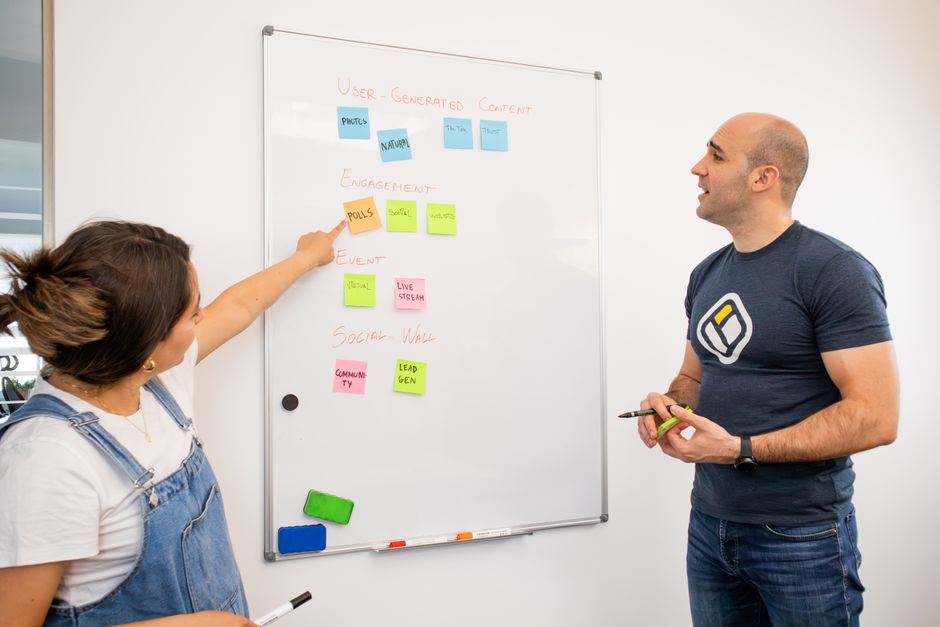
Scegli 3 parole chiave core e mappale direttamente alle tue idee di contenuti. Questo approccio potenziato da AI mantiene il tono consistente e ti permette di pubblicare con fiducia sulla tua piattaforma. È il vantaggio su cui i team fanno affidamento per rimanere focalizzati ed evitare superflui.
Controlli allineamento parole chiave: assicurati che le tre parole chiave core appaiano nel titolo, negli header H2/H3 e nelle prime 150 parole di ciascun pezzo; targetta una densità dell'1-2%; mantieni una buona lista di termini di supporto da usare per rinforzare i termini principali; rivedi anche per varietà semantica.
Tono e voce: definisci il tuo pubblico, mantieni le loro preferenze e tieni un ritmo amichevole e conciso attraverso i post; usa citazioni da fonti credibili per aggiungere fiducia. Frasi brutte feriscono la leggibilità, quindi mira a frasi dirette e verbi vividi. Per team che fanno contenuti, questo approccio aiuta i loro editor a mantenere lo stesso tono attraverso i canali, troppo.
Cadence di pubblicazione: pianificazione batch e poi pubblica su un ritmo fisso. Batcha contenuti per la settimana, poi programma 2-4 post sulla tua piattaforma; questo approccio di batching riduce switching, fatica dei contenuti e disallineamento. La cadence crea un effetto domino: un singolo post ben timed aiuta il prossimo a performare meglio, mantenendo la tua varietà complessiva forte e la nicchia impegnata. Mantieni la cadence prevedibile così il tuo pubblico rimane impegnato e interessato, evitando gap ormai.
Idee di contenuti e sourcing: diversifica idee di contenuti per coprire varietà nella tua nicchia; raccogli informazioni da una fonte affidabile; estrai 1-2 citazioni e usale come anchor; usare punti dati rende i post più credibili e condivisibili.
Piattaforma e ottimizzazione: implementa un buon mix di formati per consumo social e on-platform; includi alt text, miniature appealing e struttura chiara; usare citazioni e consigli short-form aiuta a catturare attenzione attraverso i feed.
| Controllo | Guida | Metriche |
|---|---|---|
| Allineamento parole chiave | 3 parole chiave core mappate a idee di contenuti; appaiono in titolo, header e primo paragrafo; densità 1-2% | Termini core presenti in titolo e almeno un sottotitolo; densità entro target |
| Consistenza tono | Definisci voce, mantienila consistente attraverso i post; evita gergo fuori persona; usa citazioni strategicamente | Punteggio feedback lettore; nessun gap di tono |
| Cadence di pubblicazione | Batcha contenuti settimanalmente; pubblica 2-4 post per settimana sulla piattaforma | Post per settimana; tasso di pubblicazione in orario |
| Qualità & fonti | Cita direttamente informazioni affidabili; includi fonte; aggiungi 1-2 citazioni per pezzo | Numero di citazioni; rating credibilità fonte |
| Ottimizzazione piattaforma | Ottimizza per piattaforma: alt text, miniature, struttura leggibile; mix formati | Tasso di engagement; CTR |
Invia una breve richiesta
Descrivi sito, obiettivi, pubblico e budget per discutere una proposta.


