Integrated Marketing and Its Impact on Customer Experience

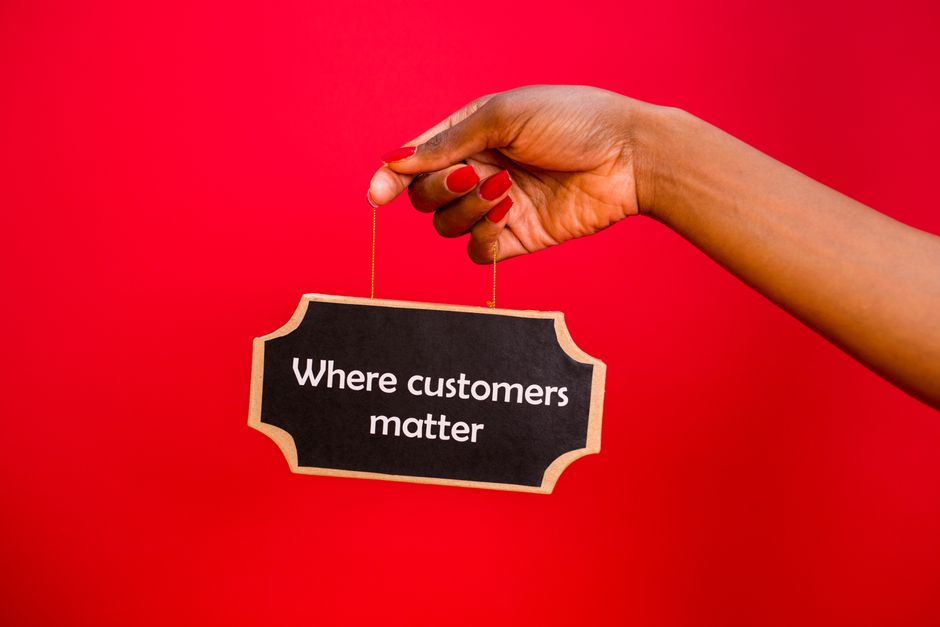
Given that customers interact with brands at multiple points, integrate marketing channels to deliver a seamless experience. Map the points across social, email, storefronts, and in-person touchpoints, then align messaging so each channel reinforces the others. This creates a consistent offering and helps brands move quickly with clear ownership and measurable impact.
use multimedia formats–video, audio, and interactive experiences–to craft an appealing narrative that fits into the customer's day. Use techniques that gather signals and translate them into understanding of preferences. This approach will give audiences exactly what they want and reduce friction across channels.
Another must is to align the offering across channels so what the customer has seen matches the value proposition. Define clear ownership for each points and enable teams to act quickly with ready-to-use content and campaigns.
Invest in rapid feedback loops and practical metrics to show how integration improves satisfaction, loyalty, and conversion. Link marketing activities to concrete customer-experience outcomes, and refine based on what the data reveals to teams on the front lines.
To keep momentum, standardize assets, maintain a fresh content library, and empower teams to think cross-channel from the start. This disciplined approach helps brands stay relevant and makes the experience more seamless for customers.
How can a CRM help you manage integrated marketing and improve customer experience
Link your CRM to all channels to create a single source of truth that maps touchpoints across email, social, web, and in-store interactions. This approach does not require a massive overhaul, and it doesnt demand a moon-shot budget–start by syncing core fields such as contacts, segments, tags, and campaign responses, then expand as you collect more signals.
With a consistent profile, you see viewers at each touchpoint and can tailor messages to context. This strengthens branding and boosts trust, turning engagement into measurable growth. By aligning messaging, offers, and timing, you open opportunity to cross-sell and upsell across devices and channels. A digital-first mindset helps keep data in sync and speeds decision making. This approach has been adopted across industries.
Automate segments based on lifecycle events and purchase signals. You can increase open and click rates by delivering appealing multimedia content–videos, infographics, and interactive banners–at the right touchpoints. A well-planned theme consistent with your branding helps customers recognize value quickly, whether they are looking at a newsletter or visiting a product page.
In addition, you can download dashboards that visualize key metrics: response rates, conversion by channel, and retention over time. Here is a simple path to start: add enrichment from purchase and engagement signals, then constantly optimize campaigns. The data supports decisions on budget and placement, enabling money-saving opportunities for teams with a bachelors in marketing or related field to contribute meaningfully.
CRM-driven attribution connects content efforts to revenue and customer happiness, showing viewers which multimedia assets and branding choices resonate. You can measure impact by touchpoints, improving the experience and increasing loyalty over time.
Aligning Multichannel Campaigns for a Cohesive Customer Experience
Build a single cross-channel funnel blueprint and a shared editorial calendar, appoint a cross-functional owner, and use a unified KPI set. This will reduce silos and accelerate decisions after each campaign cycle.
There is an addition to the setup: implement a universal
There is an addition to the setup: implement a universal analytics dashboard and a single communications brief that travels with every touchpoint, ensuring consistency across markets and channels. This addition will make it easier to compare performance across many markets and across channels, and to see where to adjust spend.
For английский markets, tailor language tone while preserving the core value proposition. Use a theme across all touchpoints, including emails, social posts, linkedin, and paid search. The approaches chosen will guide how you optimize assets and cadence.
Define a unified funnel across channels and markets, mapping
- Define a unified funnel across channels and markets, mapping stages: awareness, consideration, conversion, retention; apply a single attribution rule so every touchpoint contributes to the same metric.
- Design creative and copy that are designed to fit each channel while preserving the theme; ensure consistent voice across communications.
- Adopt approaches such as A/B testing, multi-touch attribution, and cross-channel pacing; measure outcomes across the funnel to optimize spend.
- Incorporate linkedin as a core channel and tailor messages to professional audiences; track engagement where it performs best; allocate budget accordingly.
- Keep datapoints organized with источник as the data source label for attribution, so decisions have a traceable origin.
- Offer a download for the playbook and templates to accelerate onboarding and execution.
- Run workshops with marketing, sales, product, and customer support to align goals, assets, and cadences; both in-person and virtual sessions.
- Ensure everything from creative templates to cadence rules is documented in a single source of truth; this creates a reliable foundation for scaling.
- Establish a cross-team communications plan that keeps messages aligned and reduces friction at every touchpoint.
Projected outcomes include increased engagement, reduced churn, and higher conversion rates. In tests across six markets, a coordinated approach boosted conversions by 18-22% and cut churn by 7-12% in the first 12 weeks, with growth continuing as data quality improves. The framework will boost ROI beyond the initial spend by routing budgets to high-impact channels and optimizing content for each audience.
Where to start
Where to start? Kick off with a 90-minute alignment workshop, followed by two 60-minute sessions to validate messaging, assets, and offers. After each cycle, review results, reallocate budgets, and update the playbook. This will ensure the team moves quickly and coherently across devices, platforms, and moments in time.
Centralizing Data for a Single Customer View
Consolidate all customer data into one profile and surface it in a single dashboard to support accurate targeting and much faster decision-making.
Focus on four data domains: identity and profile attributes, transactional history, engagement signals, and post-interaction responses across multi-channel touchpoints such as email, web, app, and support chat.
Plan governance with clear data quality standards, consent rules, and update cycles. Compared to siloed approaches, apply techniques such as identity resolution, deduplication, normalization, and correct attribution to avoid duplicates in many systems, ensuring the model reflects true customer reality.
Consider cost dynamics: initial integration may require APIs, storage, and analytics tools, but the plus is a boost in revenue from better targeting, higher retention, and more cross-sell opportunities. Build a business case that tracks cost versus revenue uplift and ties directly to planning and career development for marketing and data teams.
Advantages include a unified context for segmentation, faster reporting for international teams, and english-language dashboards that keep everyone aligned. The best practice combines a centralized model with strong data governance, a clear mind for data owners, and a planning cadence that aligns with the aims of the marketing organization and its cost-conscious leadership.
Data Source Data Type Frequency Status Monthly Cost (USD)
| Data Source | Data Type | Frequency | Status | Monthly Cost (USD) | Benefit |
|---|---|---|---|---|---|
| CRM | Identity, Transactional | Real-time | Integrated | 1,200 | Unified profile, improved targeting |
| Website Analytics | Behavioral | Real-time | Integrated | 350 | Accurate funnel insights |
| Email Marketing | Engagement | Daily | Linked | 200 | Precise audience segments |
| Support System | Case data | Daily | Partial | 150 | Faster issue resolution |
| Advertising (Multi-channel) | Interaction | Real-time | Linked | 300 | Coherent remarketing data |
To start a controlled pilot, teams should зарегистрироваться in the program portal and appoint a planning owner to monitor outcomes and share learnings across international offices.
CRM-Driven Segmentation and Personalization Across Touchpoints
Launch a CRM-driven segmentation model today and run personalized campaigns across email, website, mobile push, and in-store messaging from a single platform. Build initial cohorts from your first-party data: new responders, engaged buyers, repeat customers, and dormant users. Use these groups to tailor messages, offers, and timing that match each segment's preferences and behaviors.
Create a cross-touchpoint funnel by linking signals from site activity, email clicks, app engagement, and store visits. Align content with funnel stages: awareness, consideration, conversion, and retention, delivering consistent messaging at each step.
Principles guide design: rely on словари to store semantics and define dynamic blocks that personalize by intent, channel, and product affinity. The platform should be designed to scale, respect consent, and support geicos-style benchmarks for reliability, performance, and compliance.
Examples drive improvement: use campaigns that test subject
Examples drive improvement: use campaigns that test subject lines, content blocks, and offers across segments; measure impact with real-time dashboards; use review to identify patterns. The team can use meerkat-like scanning for cross-channel friction and Webber's notes to tune match rules and timing.
Across channels, personalization reduces friction, increases engagement, and lifts conversion. Save time by automating content blocks and reusing successful templates; compare results against a control cohort to show incremental lift. This approach strengthens branding and creates a cohesive experience that customers perceive as helpful rather than intrusive.
Automation and Orchestration: Coordinating Messages in Real Time

Start with a unified, event-driven platform that routes messaging across channels within seconds. Having a central decisioning layer lets you target the moment with context, improving retention and reducing churn.
Where signals originate: consolidate data from CRM, product
- Where signals originate: consolidate data from CRM, product telemetry, web analytics, and support interactions into a single platform; this unified view informs every channel.
- Between channels: map events to decision rules so a notification, email, push, or chat carries consistent context and intent.
- What to measure: track open rates, click-through, conversions, plus churn and retention by segment to quantify impact.
- Principles to apply: timeliness, relevance, privacy, and content modularity so ideas can be reused across campaigns.
- Resources and tools: invest in an orchestration engine, streaming data sources, personas, and templates; maintain a library of ideas that cover core intents.
- Times and latency targets: aim for 2 seconds for critical alerts, 5-15 seconds for proactive nudges, and 30-60 seconds for post-event follow-ups; the platform doesnt rely on long batch waits.
- Below are race-powered patterns that keep messaging coherent across touchpoints: Pattern A aligns a welcome email with in-app messaging, Pattern B triggers re-engagement when engagement drops, Pattern C preserves context as users switch devices.
- Retention focus: design the flows to retain customers, not just convert first-time users.
- Between teams: assign clear ownership between marketing, product, and customer support; establish shared SLAs on response times and content approvals to keep messaging aligned.
- Compare performance across cohorts to validate the impact of orchestration on experience and business metrics.
thats why a disciplined approach, with having, target, additional resources, and ideas, helps build a cohesive, race-powered experience that customers value at every touchpoint.
Measuring Impact: Attribution, KPIs, and Continuous Improvement
Start with a single attribution process and a tight KPI set; standardize data capture across channels, tag campaigns consistently, and compare channel influence to save much data gaps and misattribution.
Apply a transparent weighting scheme–first-touch, last-touch, and multi-touch–to understand influence; connect data across platforms to ensure generated insights reach everyone. As an example, mcdonalds ran a cross-channel test that showed more appealing messages boosted conversions across digital touchpoints and in-store visits.
KPIs should include revenue, CAC, conversion rate, average order value, and lifetime value. Set targets to push a meaningful lift; link each metric to a business objective and publish a simple scorecard for all teams.
Establish a cadence for review (monthly or quarterly) and run small, controlled experiments; use tools to automate data collection, alert on KPI drift, and feed ideas back into the process for iteration. The field teams can contribute feedback from messages, services, and campaigns to improve outcomes.
Example of applying continuous improvement: collect generated data, compare results across platforms, and adjust creative with an appealing proposition; ensure the means to measure success are clear, and share learnings with everyone to accelerate successful outcomes.
Ready to leverage AI for your business?
Book a free strategy call — no strings attached.


