Casi studio premiati su SEO e paid media: lezioni pratiche supportate dai dati per la crescita


L'SEO moderno e i media a pagamento hanno successo quando entrambi i canali agiscono come un unico sistema. Parole chiave ad alta intenzione, team allineati, analisi pulite e test consistenti formano la base per aumenti prevedibili in iscrizioni, conversioni e ricavi. In decine di campagne—da rivenditori a marchi medici a catene nazionali—vale lo stesso principio: l'esecuzione disciplinata batte il lavoro alla cieca ogni volta.
Questa raccolta di studi di caso reali dimostra come la pianificazione strutturata, la collaborazione tra team e la misurazione chiara accelerino le prestazioni. Gli studi includono audit SEO, espansione internazionale, ottimizzazione della velocità delle pagine, framework SEO locali, sistemi di attribuzione e modelli di allocazione dei media a pagamento. Ogni esempio offre passi attuabili che i team possono utilizzare immediatamente.
1. Come l'Allineamento tra SEO e Media a Pagamento Guida la Crescita
Un framework semplice e ripetibile sta dietro a molte campagne premiate:
- Mappa segmenti di pubblico, parole chiave e fasi di acquisto.
- Allinea i team SEO e media a pagamento intorno a obiettivi condivisi come iscrizioni o ricavi.
- Traccia gli eventi HubSpot per collegare il comportamento dell'utente alla progressione del funnel.
- Usa un plugin di attribuzione leggero per unificare i report.
- Concentrati su parole chiave e gruppi di annunci ad alta intenzione, non sul volume per se stesso.
In un'esecuzione full-funnel recente, questo metodo ha generato:
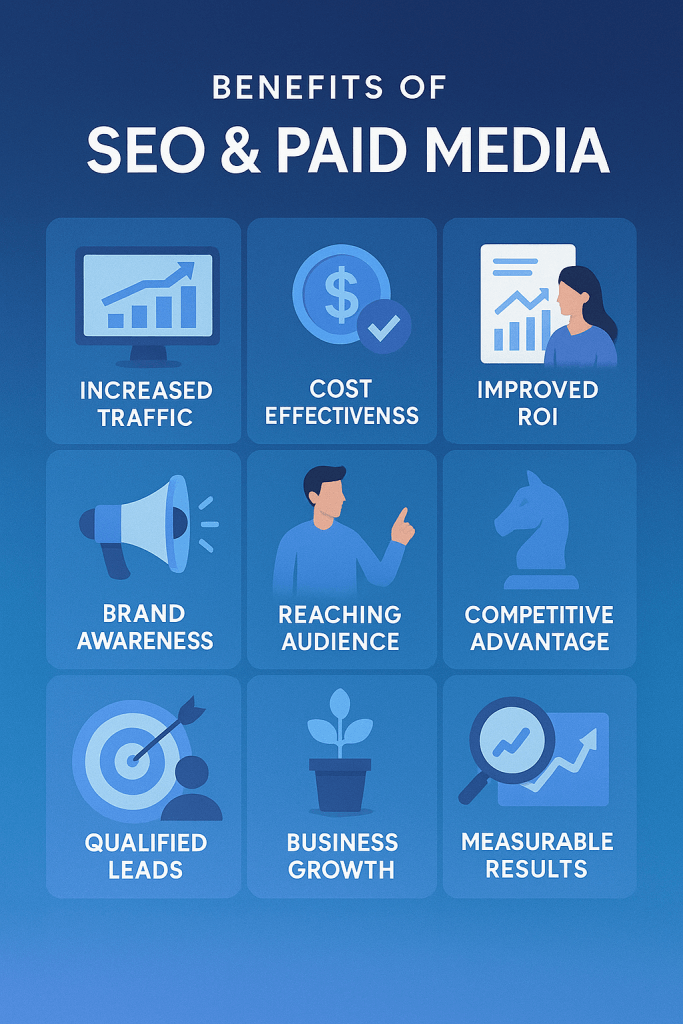
- +28% iscrizioni in 90 giorni
- –22% costo per iscrizione
Il motivo è semplice: quando i dati si trasformano in azioni focalizzate, ogni canale amplifica gli altri.
2. Diciotto Studi di Caso SEO in Prima Persona: Tattiche e Conclusioni
Caso 1 — Ottimizzazione del Contenuto e dei Segnali di Conversione
Un ritmo di 90 giorni attraverso le principali pagine di atterraggio ha allineato l'intenzione con l'azione. Dati strutturati e una migliore mappatura delle pagine hanno aumentato i tassi di conversione principali di due cifre.
Caso 2 — Ristrutturazione delle Categorie per Rivenditori
Lavorando con un gruppo di rivenditori con sede in Canada, la ristrutturazione delle categorie più blog guidati dall'acquirente ha ridotto il rimbalzo del 18% e aumentato i ricavi organici del 26%.
Caso 3 — Miglioramenti SEO Internazionali
Hreflang, contenuti localizzati e schema migliorato hanno aumentato il traffico internazionale non di marca del 22%, specialmente sulle pagine di prodotto ad alta intenzione.
Caso 4 — Ottimizzazione della Velocità Mobile
La riduzione del peso della pagina del 40% ha dimezzato i tempi di caricamento mobile e aumentato le conversioni dell'11%.
Caso 5 — Sinergia dal Blog ai Prodotti
Un modello di contenuto misto ha generato un aumento del 19% nelle visite organiche alle pagine dei prodotti e un tempo di permanenza più forte a metà funnel.
Caso 6 — Esecuzione On-Page Guidata dall'Analisi
Segnali dati settimanali hanno migliorato il linking interno e ridotto l'attrito, aumentando le conversioni assistite del 15%.
Caso 7 — Riduzione dell'Abbandono del Carrello
Prompt di uscita, rendering lato server e velocità di checkout hanno portato a un calo del 9% nell'abbandono e un aumento del 12% nelle transazioni.
Caso 8 — Accelerazione del Blog per i Lancio
Dati strutturati e indicizzazione più veloce hanno aggiunto slancio al ranking, con sessioni guidate dal blog aumentate del 28%.
Caso 9 — Architettura Scalabile per l'Espansione
Una navigazione più pulita e template hanno aumentato la copertura delle parole chiave per le principali categorie del 33%.
Caso 10 — Ritmo del Contenuto Long-Tail
Articoli guidati hanno migliorato la visibilità long-tail e aumentato le conversioni guidate del 24%.
Caso 11 — Sprint Tecnico per i Mercati Canadesi
Caricamento lazy e CSS critico hanno ridotto il ritardo above-the-fold di 1,2s e aumentato l'engagement del 16%.
Caso 12 — Miglioramenti dei Dati Strutturati
Schema prodotto migliorato ha aumentato il CTR del 14% e i ricavi per pagina dell'8%.
Caso 13 — Cluster di Argomenti per Blog Retail
Il refresh dei cluster ha migliorato il traffico organico ad alta intenzione del 21% ed espanso la quota di voce delle parole chiave.
Caso 14 — Approccio Combinato Merchant-Ops + Analisi
I miglioramenti hanno aumentato la velocità di conversione e i ricavi di categoria del 17%.
Caso 15 — Ciclo di Aggiornamento Stagionale
Una produzione più veloce ha ridotto il tempo di pubblicazione del 40% e migliorato le conversioni delle landing stagionali del 12%.
Caso 16 — Pulizia del Contenuto Duplicato
Strategie canonical hanno ridotto lo spreco del crawler del 22% e migliorato la copertura dell'indice.
Caso 17 — Integrazione del Blog per Reti Retail
Contenuti educativi integrati nelle categorie hanno prodotto un aumento del 26% nella profondità delle sessioni e un +9% nelle vendite incrociate.
Caso 18 — Integrazione dell'SEO nelle Operazioni
L'allineamento operativo ha prodotto guadagni sostenuti in ranking e conversioni in tutto il portafoglio.
3. Set di Casi A — Ricerca delle Parole Chiave e Allineamento del Contenuto (4 Studi)
Studio 1 — Sprint di Parole Chiave per E-commerce Matrimoni
Uno sprint compatto ha mappato 50 termini alle pagine. Dopo aggiornamenti rapidi di tag e link interni:
- Sessioni organiche: +28%
- Conversioni: +9%
- Ranking medio migliorato da 12 → 6
Studio 2 — Strategia Content Hub
Quattro pagine pilastro + 12 articoli di supporto hanno aumentato l'engagement dell'hub, il traffico long-tail (+35%) e i ricavi dai prodotti collegati.
Studio 3 — Flywheel di Correzioni On-Page
La correzione degli errori del sito e l'aggiornamento di titoli/descrizioni meta hanno migliorato il CTR fino al 15% e spinto quattro pagine nei ranking top-5.
Studio 4 — Targeting Demografico
Pagine specifiche per regione e copy di prodotto ottimizzato hanno aumentato i tassi di conversione mirati del 12% e l'AOV del 6%.
4. Set di Casi B — On-Page e SEO Tecnico (5 Studi)
Studio 1 — Refresh On-Page per Gruppi di Categorie
40 tag titolo ottimizzati e deferral JS hanno aumentato il CTR del 18% e ridotto l'LCP da 3,9s a 2,6s.
Studio 2 — Contenuto Allineato all'Intenzione
12 nuove FAQ e guide hanno aumentato il tempo di permanenza del 24% e migliorato il ranking per 15 termini long-tail.
Studio 3 — Backbone Tecnico e Navigazione
Correzioni canonical, upgrade schema e lazy-loading hanno ridotto l'LCP a 2,3s e migliorato la copertura dell'indice del 28%.
Studio 4 — Programma di Link Building
14 link editoriali guadagnati hanno aumentato il traffico di referral del 28% e sostenuto lo slancio del ranking.
Studio 5 — Contenuto Medico per Cura Virtuale
Guide mediche modulari hanno aumentato le visite organiche del 23% e ridotto il rimbalzo di 8 punti.
5. Set di Casi C — SEO Locale + Media a Pagamento (3 Studi)
Caso 1 — Rivenditore Suburbano
Local pack migliorato da posizione 7 → 2; il traffico pedonale è aumentato del 12%, e i ricavi per negozio +22%.
Caso 2 — Annunci E-commerce Locali
Offerte per raggio più pagine di atterraggio a livello di città hanno ridotto il CPC del 14% e aumentato le conversioni locali del 19%.
Caso 3 — Pilota Retail Nazionale
Un rollout in tre città ha aumentato gli utenti inbound del 26% e migliorato gli ordini online assistiti dal negozio fino al 22%.
6. Set di Casi D — Esperimenti di Contenuto e Misurazione (4 Studi)
Studio 1 — Esperimenti di Contenuto nell'E-commerce
Guide long-form e video hanno aumentato le sessioni organiche (+24%) e le conversioni CTA (+12%).
Studio 2 — Segnali Editoriali per B2B
Asset interattivi hanno aumentato gli MQL del 28% e le submission del 22%.
Studio 3 — Framework di Misurazione Unificato
Eventi GA4 standardizzati hanno migliorato l'accuratezza dell'attribuzione del 15% e aumentato il ROI del 9% in 60 giorni.
Studio 4 — Collaborazione Audit In-House vs Agenzia
La velocità degli audit è migliorata del 30% e le pagine ottimizzate hanno guadagnato il 18% di clic in più.
7. Set di Casi E — Allocazione Media a Pagamento e Test Creativi (2 Studi)
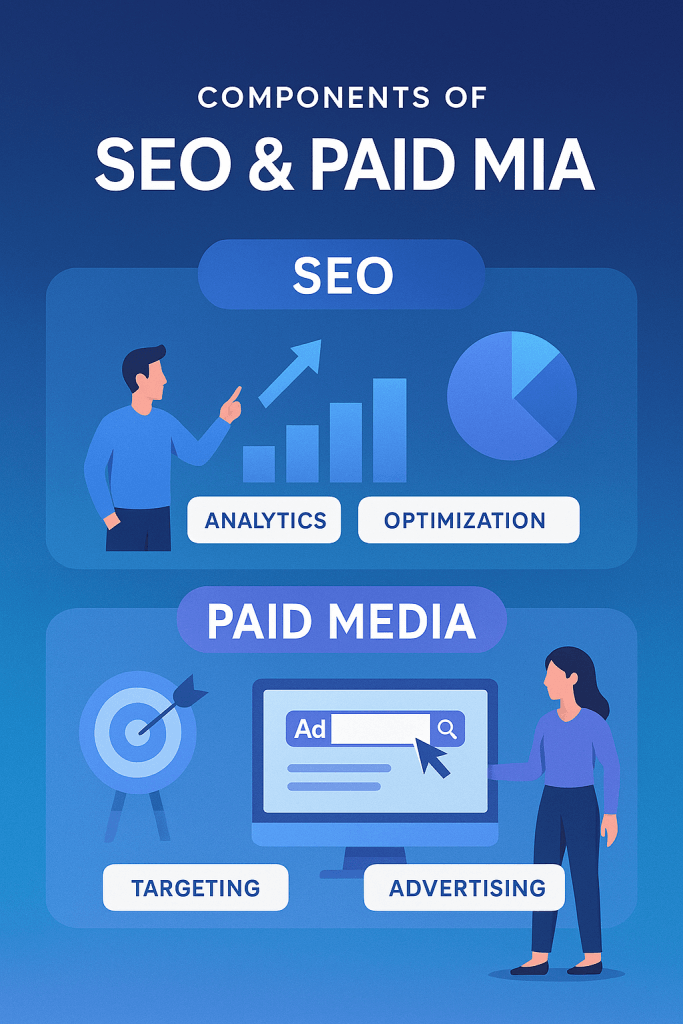
Studio 1 — Modello di Allocazione per E-commerce Canadese
Lo spostamento della distribuzione del budget ha prodotto:
- ROAS: 2.8 → 5.1
- Ordini: +34%
- CPA: –21%
Studio 2 — Test Creativi + Disciplina di Attribuzione
Il test di 12 varianti creative ha portato a:
- CTR: +28%
- CVR: +18%
- Aumento attribuzione: +7pp sopra last-click
Conclusione
In tutti gli studi, emerge un pattern: dati disciplinati, workflow strutturati e team allineati superano costantemente l'esecuzione basata sull'intuizione. Quando SEO, media a pagamento, analisi e contenuto operano dallo stesso framework, la crescita diventa ripetibile e prevedibile.
Aziende di tutte le dimensioni—mid-market, enterprise, retail o mediche—possono adottare questi sistemi per accelerare iscrizioni, conversioni e valore del cliente.
📚 Altro su Statistiche sui Social Media
- Strategia SEO B2B 2026 - La Guida Definitiva alla Crescita e al ROI
- Come Usare Google Trends per la Ricerca delle Parole Chiave SEO e la Crescita - Una Guida Pratica
- Strategie SEO Reddit per le Aziende nel 2026 - Una Guida Pratica alla Crescita
- Come Aumentare il Traffico del Tuo Blog nel 2026 - Strategie SEO Provate per la Crescita
- SEO SaaS per le Aziende - La Guida Definitiva alla Crescita
Ready to leverage AI for your business?
Book a free strategy call — no strings attached.