
 日本語
日本語  English (UK)
  Русский
  Deutsch
  Polski
  Italiano
  Français
  Ελληνικά
  Türkçe
  한국어
한국어  简体中文
简体中文  Українська
  Slovenčina
  Română
  Nederlands
  Português
  Svenska
  Suomi
Suomi  Čeština
  Español
  العربية
 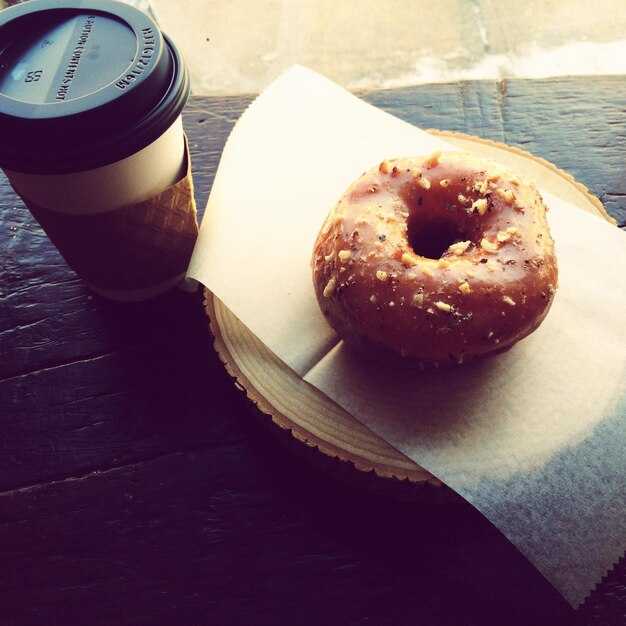 ダンキンドーナツのマーケティング戦略 – 成長、キャンペーン、デジタル戦術への詳細な分析">

Recommendation: accelerate penetration in the morning commuters segment by pairing a free sample with a simple mobile signup at the beginning of the routine, creating a frictionless path to repeat purchases.
To sustain growth, maintain a consistent messaging framework across channels and deploy a steady cadence of campaigns that reward repeat visits. Seed a viral concept in high-traffic corridors and measure early performers before scaling.
Leverage a partnership with Charli to unlock cross-platform reach; align content with real-world commuters and translate buzz into app engagement and in-store traffic, reaching the whole world audience through quick conversations and authentic moments.
For a 75-year-old brand, cater to the evolving needs of the daily routine, ensuring speed, accuracy, and value at every touchpoint across order channels and curbside options, while staying ahead of competition.
Digital tactics emphasize app-first ordering, in-app offers, and location-based prompts to commuters; increasingly, the mobile channel accounts for a growing share of revenue, so optimize push timing, order-ahead, and loyalty redemptions.
Concrete metrics and a tight plan: measure penetration gains, signups, first-week redemption, and repeat purchase rate; set quarterly targets and run A/B tests on messaging and offers, focusing on high-return verticals like work breakfasts and quick-service commuters.
Dunkin Donuts Marketing Strategy: Growth, Campaigns, and Digital Tactics – Client Case Studies
Launch a creator-driven content program alongside a consistent paid and organic media mix to drive expansion and loyalty. Build 6-week cycles of short posts from local creators, supported by in-store promotions and app-based offering that convert interest into purchases. This approach creates immediate appeal and a power to influence purchase decisions in real time, setting a foundation for durable growth into the future.
Case 1: Regional launch with creator-driven content. In three markets, those creators produced authentic, short posts that showcased everyday moments around coffee, donuts, and on-the-go snacking. Paid media amplified reach, while organic posts preserved a natural rhythm. Those efforts yielded a double-digit lift in app signups and a measurable uptick in dine-in visits, particularly among adults 25–44. The combination demonstrated how tailored creator energy can extend beyond a single post into sustained engagement and case-worthy retention.
Case 2: National beverage promotion tied to a limited-time offering. Dunkin deployed a coordinated mix of creator content and traditional media to explain the new beverage, with a clear in-app promotion and in-store displays. Paid social drove attention at scale, while organic content kept the tone consistent and relatable. The result: higher online order conversion, more app registrations, and a notable rise in average ticket when those new beverages were available, supported by price drops and bundle incentives that kept the message clean and accessible.
Case 3: Loyalty program expansion with creator amplification. A textbook example of blending creator-led storytelling with a robust CRM touchpoint, the program used consistent messaging across paid ads, owned posts, and earned content. Creators highlighted exclusive offers, early access, and simple enrollment, pulling organic and paid esfuerzos into one cohesive flow. The outcome: higher repeated visits, stronger cross-sell of merchandise, and verified gains in engagement from core demographics that historically preferred traditional channels but now participate across platforms.
What these cases show is a durable model: consistent cadence, creator-driven creativity, and a balanced mix of paid and organic tactics that scale. The strategy appeals to those with different needs, whether they seek quick promotions or long-term value. In practice, the plan ties together post-quality content, selling power, and a clear offering that resonates with adults across demographics, while maintaining a steady rhythm that avoids fatigue. The result is a structured path from awareness to sale that remains flexible enough to adjust to drops in demand or shifts in consumer mood, without losing momentum.
Future-ready recommendations: anchor growth in creator-driven content but keep a traditional backbone with consistent measurement and a clear value proposition. Test 2–3 markets first, then expand based on demonstrated lift in app engagement, store visits, and average order value. Use short, punchy posts to capture attention, then nurture with longer-form assets that explain the why and the how. Track what matters: post engagement, promotion uptake, offering redemption, and overall contribution to loyalty growth. This approach might sustain expansion year over year, aligning brand appeal with pragmatic performance metrics that stakeholders expect in a scalable campaign toolkit.
Identify Growth Levers: Menu, Pricing, and Store Format Experiments
Launch a 12-week menu experiment featuring a premium iced coffee, a protein-packed breakfast sandwich, and a limited-run “doja” flavor syrup for beverages. Track weekly lift in average ticket and transactions by store, and use a below-target rule to prune items after two consecutive weeks with less than a 2% increase. Set a target of 3–4% beverage share lift to declare a winner and roll the item into the core menu if met. This approach maintains a lean, focused menu while delivering quick wins for players in the chain.
For pricing, launch value bundles: coffee + breakfast sandwich at a fixed price, plus a loyalty-back discount for heavy users. Test tiered pricing by segment: mid-tier and premium combos, with elasticity monitoring through franchisees to execute effectively. Keep a price guard so core pricing stays within 5–7% of flagship stores; track performance below and above forecast by market, especially in dense urban segments where the massachusetts market shows different reactions. If a concept could be optimized, iterate quickly.
Store format experiments center on two pilots: a compact store in massachusetts with high-sight line boards and fast-service counters; and a drive-thru-first layout in high-traffic corridors. Lean toward a shorter footprint near workplaces to attract workers during morning rush, and test digital order-ahead, curb pickup, and pickup lockers to speed runs. Use sightline improvements to boost impulse purchases and shorten queues; if short-line service performs, scale quickly.
Collaborations with franchisees and local suppliers fuel win rates; track winning items and maintain chain-wide standards. Invest in content that can live on YouTube and other channels to gather feedback from the target segment. Monitor the power of partnerships with mass-market players and adjust incentives to keep workers motivated. If a concept couldnt meet lift targets after two review cycles, pause it and reallocate resources, while preserving sight across the network.
Seasonal Campaign Framework: Creative, Media Mix, and Offer Mechanics

Launch a short, four-week seasonal bundle featuring a breakfast item at a compelling price, and release a rapid, multi-format creative package to connect with busy peoples across youtube, YouTube Shorts, native placements, and a post on amazon that links to the menu.
Creatives center on practical benefits: speed, flavor, and affordability. Use short, appetizing visuals of ingredients, and show a quick morning routine with the new item. Present a clear value proposition and invite diners to try the item now. Bring in influencer partners for authentic, local flavor, and tailor assets to each channel so they feel native rather than scripted. This approach helps consumers start their day with confidence as their routines are evolving and the item becomes a transformed part of breakfast. Another angle uses bite-sized humor to spark share and drive consideration across platforms. This creative frame taps macro trends around morning convenience and value.
Media mix allocates attention across three lanes: 60-70% of video budget to youtube and YouTube Shorts, 20% to native placements on relevant apps and sites, and 10% to influencer co-creation and quick posts. Assets released in step with the menu drop so momentum stays high and feedback rolls in quickly. Use amazon storefront banners and search ads to capture intent, and monitor cross-channel metrics like reach, frequency, and share of voice to guide optimization.
Offer mechanics combine simplicity with clear value: a breakfast bundle that includes a sandwich and drink, priced to emphasize affordability, with a limited-time flavor to spark urgency. Cap the price with a 3.99–4.99 range and offer a second item at a modest add-on to increase average order value. Run a loyalty incentive for app members and provide a simple, fast path to order online or in-store. A QR tie-in in-store and on-pack encourages immediate action and enables partners to capitalize on the moment with a frictionless path. Use data to adjust bundles and capitalize further by offering a lunchtime add-on to extend the lift.
Operational plan and measurement focus on rapid learning. Set daily metrics for reach, engagement, and in-store visits, and run A/B tests on two creative variants and two offer mechanics. If a variant outperforms on watch time and post-click actions, shift budget within 48 hours. Collect qualitative feedback from commenters and respond quickly to top questions; the result: campaign elements that feel transformed for consumers and better connect with seasonal routines. This approach effectively converts attention into store visits.
Digital Tactics: Mobile Ordering, Push Notifications, and Personalization
Launch a native mobile ordering pilot in six weeks, prioritizing commuters and workers with pickup, seamless payment, and loyalty sync to drive faster transactions and higher redemption. This presence, paired with timely outreach, fuel growth as increasingly more customers expect a single offering across channels. Target a 12–18% increase in order frequency and a 5–8% lift in average ticket during the pilot, while reducing on-site cost per order.
Mobile ordering features target times of day when lines form. The native app should offer one-tap reordering, saved favorites, and order ahead for takeaway or pickup. For diverse demographics, provide language options, accessible design, and clear CTAs for commuters and early risers. A same-app experience across channels maintains presence and reduces friction at pickup, while clear packaging notes set expectations for takeaway.
Push notifications: set a cadence of 2–3 timely alerts per week per user, focusing on order readiness, personalized offers, and time-sensitive reminders aligned with commute patterns. Segment by device and location to reach commuters near their usual stores at peak times. Keep the cost of churn low by giving users control over notification preferences. Use collaborations with payment or delivery partners to unlock faster checkouts and avoid over-messaging. This approach has been tested and refined in pilots, delivering incremental gains.
Personalization: rely on consented data to deliver dynamic offers aligned with segment behavior: morning brews, mid-morning snacks, or weekend treats. Think what resonates from client interactions to enhance the menu and the experience. Collaboration with brand partners can broaden the offering, with packaging cues that reflect sustainability. Early tests show higher redemption rates and an increase in takeaway conversions, and we thank customers for their loyalty as the program evolves.
| Tactic | Focus Segment | Tool / Feature | KPIs | Notes |
|---|---|---|---|---|
| Mobile Ordering | Commuters, workers, students | Native app; order ahead; one-tap reordering; saved favorites | Order frequency, AOV, queue time | Goal: 6-week pilot; from store to app experience; presence |
| Push Notifications | All segments; emphasis on commuters; early risers | Segmented alerts; location-based readiness; time-based nudges | CTR, opt-in rate, order uplift | Frequency cap 2–3/week; times near transit hubs |
| Personalization Engine | Diverse demographics; segment-based | Dynamic offers; loyalty integration; preferences | Redemption rate, repeat visits, loyalty enrollment | From consented data; what resonates; increase engagement |
| Collaborations & Partnerships | Brand partners; local suppliers | Co-branded offers; cross-promotions | Incremental revenue; uptake; viral reach | New collaborations; packaging alignment; viral potential |
| Packaging & Takeaway Experience | Takeaway-focused; commuters | Eco-friendly packaging; labeling; sustainability badges | Packaging-related complaints; pickup speed | Enhance brand presence; keep it native |
Client Case Studies: Local Partnerships, Co-Branding, and Revenue Uplift
Launch an 8-week program that runs across 40 locations, catering to diverse tastes by pairing Dunkin with local brands, running co-branded bundles and influencer-driven events to drive emotional brews. Lean on local ingredients from regional partners and a creative product lineup to enhance the value and deliver clear revenue uplift.
-
Local Partnerships
- Scope: 3 neighborhood cafés and 2 event venues spanning 40 locations, with weekly activations.
- Deal structure: co-branded bundles (coffee + pastry) and shared promos; promo codes and joint social content; aligned team goals.
- Impact: a huge lift in beverage revenue, +12% across the 8 weeks; incremental revenue around $210k; visits up 9% on event days; leads from promo codes produced roughly 1,200 new loyalty enrollments.
- Insights: leaned on diverse consumer insights; local ingredients from regional partners resonated; emotional storytelling around brews connected adults and professionals, driving repeat visits. The initiative wasnt just a one-off experiment; thats a durable channel that brands can scale across locations and would help sustain the legacy of community partnerships.
-
Co-Branding Initiatives
- Scope: collaborations with two regional brands (a bakery and a dairy partner) to launch a limited-time product line across 16 locations for 6 weeks.
- Product & creative: co-branded packaging, aligned messaging, and influencer-driven content that highlighted ingredients and sustainability; deals included in-store and online bundles.
- Impact: basket size up 8%; new customer growth up 15%; joint content extended reach to around 60 micro-influencers, driving visits beyond core fans.
- Insights: inspired by local tastes, this strategy strengthened brand equity and created a blueprint for ongoing partnerships. The team learned that authentic collaborations, supported by creative strategies, drive business results and enhance the brand’s presence in diverse communities.
-
Revenue Uplift and Scale
- Metrics: across pilots, incremental revenue totaled about $420k; average location uplift 11%; promo-code conversions up 5 percentage points; brews and pastries led gains.
- ROI: the program pays back within 3 weeks in several markets; expansion to 28 locations was feasible with a dedicated cross-functional team.
- Actionable steps: start with 5-7 micro-partners per market; run a 2-week pilot with a simple promo code; scale to 20-30 locations next quarter; maintain a lean, data-driven approach to optimize results.
- Best practices: ensure the product bundles stay relevant by rotating ingredients; keep a consistent brand voice across channels; empower local teams to sustain relationships that boost loyalty and revenue.
Measurement and Optimization: KPIs, Dashboards, and Rapid A/B Testing
Recommendation: Build a KPI-driven dashboard and run weekly rapid A/B tests on menu pricing and marketing incentives to increase repeat visits and overall revenue.
Define a tight set of KPIs that connect store performance with marketing impact. Track revenue per store, average order value (AOV), orders per day, and the share of online orders. Include loyalty enrollment and redemption, app engagement, push opt-in rates, and incremental sales from promotions. Separate new versus returning customers to reveal why people come back and where outreach might attract new guests. This clarity helps you compare performance across restaurants and identify where drops occur.
Dashboards should have two layers. An executive view highlights trend lines, highlighted deltas, and action-ready levers; an operational view drills into individual restaurants and times of day. Tie dashboards to data sources such as POS, app events, loyalty activity, and marketing campaigns so every metric reflects a single truth. Use hyper-local filters to surface performance by neighborhood, city, or zip code, then compare against competition benchmarks.
Rapid A/B testing provides fast feedback on strategic bets. Run small-scale tests in 2–3 weeks across a subset of restaurants, then scale winners. Use a solid design: randomize tests, set a clear primary metric (for example, AOV or repeat visit rate), and require a significance threshold (p < 0.05) to confirm impact. If a test yields a positive lift, extend it across the network; if it underperforms, drop it and learn from the reason.
データディスシプリンは重要です。手動によるステップが遅延やエラーを引き起こすのを避けるために、データ収集とレポートを自動化します。自動化されたアラートは、アプリの起動数の低下や価格に対する敏感度の急激な上昇など、主要なメトリックの低下を警告する必要があります。手動での受け渡しが少なくなることで、チームは結果を分析し、迅速に行動することができます。適切に調整された自動化レイヤーは、速度を犠牲にすることなく、数十店舗から数百店舗へと調査をスケールアップできます。
検討すべき実践的な実験には、価格設定テスト、価値を盛り込んだコンボ、創造的なアウトリーチが含まれます。いくつかの例:人気メニューのさまざまな価格帯をテストして弾力性を推定し、価格とボリュームの最適なバランスを決定する。近隣住民の好みに合わせた超ローカルなプロモーションを実施し、店舗への来店者数とオンライン注文への影響を追跡する。新商品をフィーチャーした短い投稿やブログの更新を公開し、クリック数、投稿の保存数、クーポン利用率を通じて反応を定量化する。これらのテストは小規模かもしれませんが、毎日ダンキンドレストランを訪れる数百万人の顧客に対して、実行可能な洞察を提供します。
結果を分析する際には、チャネルと場所ごとに学習内容を分けてください。2週間のテストで、ある特定のオファーがいくつかの市場ではうまくいったが、そうでない市場もあることがわかった場合、よりローカルなアウトリーチへの戦略転換を意味する可能性があります。これらの洞察を活用して、マーケティング支出の効率を高め、顧客体験を改善し、受け取りまたはチェックアウト時の摩擦を軽減することで、より迅速な成果と実行の遅延を減らすことができます。
継続的な学習ログを維持し、毎週のブログ投稿を通じて結果を共有してください。簡単なまとめは、チームがどの行動を繰り返すべきで、どれを調整すべきかを理解するのに役立ちます。価格の最適化、クリエイティブの調整、ロイヤルティ報酬の改善など、どのような取り組みであっても、目標は同じです。データに基づいて日常的な意思決定を行い、顧客に明確に伝え、すべてのレストランで影響を加速させることです。75 年のブランドマインドセットは、透明性の高いダッシュボード、迅速なフィードバックループ、および競争が激化する際にスケールアップできる、規律あるテストアプローチから恩恵を受けます。