初心者向けメールマーケティング - 基礎からベストプラクティスまでの完全ガイド


最初の週に3部構成のオンボーディングシーケンスを開始し、専用のリストを使用して初期のエンゲージメントを高めます。 この具体的なステップは好奇心を誘い、新規読者に対するアクションを起こし、より広範なプログラムの一環として読み込み率を向上させ、次に何が来るかについての期待を設定し、購読者を圧倒しないように注意します。
オーディエンスを興味に基づいて複数のリストにセグメント化します。例えば、製品カテゴリ、エンゲージメントレベル、または場所です。このカスタマイズされたアプローチにより、プロモーションメッセージがよりアクセスしやすくユーザーにとって親しみやすくなり、読み込み率とクリック率が向上します。
許可と好みを優先し、高い配信性を維持し、アンサブスクライブを減らし、送信者レピュテーションを向上させます。読者に好みを更新するよう奨励します–これは一般的な一斉送信を避け、好奇心と意図に合ったコンテンツを配信することを意味し、人々が自分が見られていると感じるのに役立ちます。
ワークフローを自動化することで手作業を減らします。エディターを使用してウェルカムメッセージ、フォローアップ、再エンゲージメントシーケンスを作成します。専用のプラットフォームに依存する場合でも、シンプルでユーザー向けのワークフローであっても、自動化は時間を節約し、チームがスケールアップし一貫性を維持するのに役立ちます。
物理的な商品を扱うコマースストアでは、ウェルカムメッセージに配送更新を組み合わせることで関連性を高めます。これにより価値を追加し、読者を情報提供し、繰り返し購入への自然な道筋を作成します。読者は歓迎され、コンバージョンしやすくなります。
複数のメトリクスを追跡します: 開封率、クリック率、コンバージョン率、アンサブスクライブ率。これらのシグナルを使用してアクションを起こします–件名行を調整し、コンテンツを微調整し、リストを洗練します。エディターによる定期的なレビューにより、メッセージングがアクセスしやすく、好奇心を駆動し、役立つものに保たれ、時間とともにエンゲージメントが増加します。
リードナーチャリングメール: 初心者向けの実践的なステップ
サインアップでトリガーされる自動シーケンスから始めます: 簡潔なウェルカムノート、短い投稿やビデオの閲覧招待、そして次のアクションをガイドする1つの明確なボタン。
新規リードを興味や行動に基づいて焦点を絞ったリストにセグメント化します。コンテンツが彼らを引きつけたシグナルに一致すると、関連性が増します。
パーソナライズを活用します: リードの名前を挿入し、最近の購入を参照し、近々の誕生日を言及してパーソナライズされたプッシュを配信します。
バランスの取れたリズムを維持します: 週1回の自動タッチ、簡単なビデオチップ、イベントやオファーのリマインダー。各メッセージに単一のアクションボタンを含めます。
メッセージ全体で安定したモチーフを使用し、チャネルを認識しやすくします。コピーを簡潔に、読みやすく、消化しやすく保ちます。
リードをライブデモ、ウェビナー、または地元イベントでエンゲージメントに招待します。使用状況を追跡し、エンゲージメントと予算の制約に基づいて頻度を調整します。
自動トリガーがアクションに応答します: リードが投稿を開いた場合、パーソナライズされた推奨付きのフォローアップを送信します。購入した場合、プロファイルを更新してその購入を反映し、将来の送信をカスタマイズします。
測定と洗練: クリック、コンバージョン、リストの健康状態を監視します。購入済みまたは非アクティブなリードを剪定して、パイプラインを活性化し関連性を保ちます。
代理店または社内チームとクロスチェックして品質を高く保ちます。ISPとの配信性を確保し、データ詳細に基づいてペーシングとコンテンツを調整します。
一貫したタッチポイントを作成することで摩擦を減らし、リードをファネルを通じて活性化します。
マーケターはこれらのステップをチーム全体に適用でき、代理店または内部グループ内でハンドオフを自動化できます。
ワークフローのすべての部分を追跡して説明責任と最適化を確保します。
リードナーチャリングメールとは何か、そしていつ展開するか?
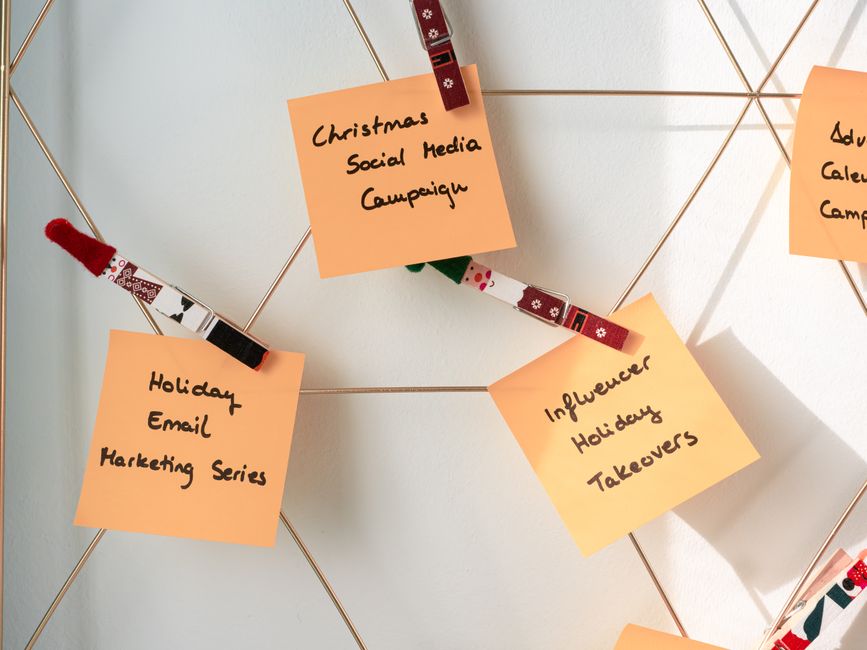
購読者がオプトインした直後に4ステップのドリップシーケンスを開始し、通常10–14日間にわたって信頼を確立し期待を設定します。各メッセージが特定のニーズに対処し、明確な提案に向かってプッシュします。
これは、誰かをアクションに向かわせるために設計された高品質の自動メッセージのセットです。コンテンツは一般的な質問に対処し、関連するオファーを実証し、すべての受信者がプレッシャーを感じずに価値を見出せるようにします。アプローチは特定のセグメント(初心者、復帰顧客)を念頭に説明され、一貫してエンゲージメントを維持する魅力的な理由に焦点を当てます。これは責任ある慣行で、フォントとモチーフを一貫させてプロフェッショナルな印象を与えます。
展開トリガーはサインアップ、人気のアイテム(ベストセラー)へのページ訪問、カート追加、非アクティビティ期間を含みます。自動化を使用して一貫したリズムでメッセージを配信します。通常リストの新規者向けで、オプトアウトまたは受信者が拒否した場合を除き一時停止します。誰かが停止をリクエストした場合、その好みを即座に尊重します。
コンテンツ慣行: 高品質の価値を配信します。レビューやテストモニアルを含め、期間限定の提案を提示します。デザインをアクセスしやすく一貫したフォントと適切なモチーフで保ちます。オファーを探索するよう招待する強力なコールトゥアクションを含めます。このようなメッセージは、プレッシャーなしで学びたい人にとって強力なオプションです。トーンを特定のセグメントに合わせ、価値だけを配信し、気晴らしを避けるようにします。必要に応じて手動介入が助けになります。
メトリクスと最適化: 開封率、クリック率、コンバージョンを追跡し、アンサブスクライブ率も。結果を週次でレビューし、件名行、CTA、メッセージングアングルを比較する小規模テストを実行します。テストをモチーフで命名して何が機能するかを追跡します。この慣行は繰り返し可能なプロセスを確立し、オーディエンスの成長に合わせてスケールし、購読者に一貫して魅力的なコンテンツを提供します。セグメントが特定のメッセージを繰り返し無視する場合、提案やタイミングを調整します。
ナーチャリングキャンペーン向けのカスタマージャーニーのマッピング方法

4段階のパスから始め、シンプルですが、各段階に専任のマネージャーを割り当てます。これによりメッセージングが一貫し、リンクが機能し、キャプチャポイントがCRMにフィードされます。
-
セグメントを定義し、データをキャプチャし、期待を設定
- 行動、場所、意図でセグメントを特定します。キャプチャ計画を作成: 収集するフィールドを決定し、シグナルをチームがアクセス可能な共有フォルダに保存し、データがCRMのアカウントに流入することを確保します。応答時間の期待を設定します。これによりチームがチーム間で調整を保てます。
- ウェブサイトとフォームのキャプチャポイントを確保し、後でメッセージングをカスタマイズするための十分なコンテキストを提供します。
- オプトインと継続的なインタラクションを奨励するためのインセンティブを使用します。
-
チャネル全体でタッチポイントとトリガーをマップ
- タッチポイントをリスト: ウェブサイトページ、ランディングページ、製品デモビデオ、メッセージングチャネル。トリガーを定義(サイト訪問、リンククリック、ビデオ閲覧)し、次のアクションをマップして動きを維持します。リンクが追跡可能でアクセスしやすく、場所ごとの期待にコンテンツを一致させます。
- サイトの関連場所でアクションをガイドし、ユーザーを留めるプロンプトを提供します。
-
アセットとインセンティブ付きのコンテンツマップを構築
- 各段階のコンテンツマップを作成: 具体的なメッセージングピースを指定し、ビデオ、テキスト、クリック可能なリンクをどこで使用するかを決定します。すべてのアセットをチームがアクセス可能な単一のフォルダ構造に配置します。インセンティブを望むアクション(ダウンロード、デモ、トライアル)に結びつけ、リンクがウェブサイトの正しいページに導くことを確保します。
- 提供するものを明確で具体的に保ち、アクションを促すのに十分な価値を確保します。
-
所有権、タスク、アクセス可能なアセットを配置
- マネージャーを割り当て、タスクを定義し、アカウントと同期します。期限を設定します。アセットが適切に保存されアクセス可能であることを確保します。誰が何をするか、各リソースの場所を文書化します。
- 次の段階へ移行するためのシンプルなワークフローを使い、共有ダッシュボードで進捗を追跡します。
-
影響を測定し反復
- 影響を示すメトリクスを確立(コンバージョン率、エンゲージメントの深さ、アクションまでの時間)。メッセージング、インセンティブ、リズムでテストを実行します。同时にデータが示すものに基づいて調整します。決定前に十分なサンプルを確保します。洞察を使用してパスを洗練し、成果を向上させます。
- 月次でレビューし、必要に応じて新しいビデオやコピーでフォルダを更新します。
初心者向けに最適なトリガーとリズム
推奨: サインアップでトリガーされる3部構成のウェルカムシリーズを展開し、最初の週内に配信した後、ニュースレターの安定した週次リズムに移行します。メッセージを高品質で読者のニーズにパーソナライズし、単一の明確なCTAでシンプルに保ちます。自動化によりコストを予測可能に保ち、パフォーマンスを監視し調整します。
これらのトリガーを使用して初期の価値を駆動します: サインアップウェルカムシリーズ、投稿後のオンボーディング、カート放棄やコンテンツダウンロードなどのアクションのリマインダー。ストアの場合、カート放棄後最初の24時間以内に1–3回ののリマインダーを送信します。非ストアサイトの場合、リソースダウンロードやウェビナー登録時にリマインダーをトリガーします。このアプローチはエンゲージメントの記録を維持し、パーソナライズで将来のメッセージをカスタマイズするのに役立ちます。
通常うまく機能するリズムパターン: 最初の週に3メッセージ、次に週次リズム。開封率が低い場合、件名行を締めくくり、日付をテストし、タイムゾーンで送信を多様化します。オンボーディングで初期エンゲージメントを高めるために、プログレスインジケーターや最初のインタラクション後のバッジなどのゲーミフィ要素を控えめに使用します。読者の行動を分析し、好みの記録を維持して関連性を向上させる対象のヒントを構築します。
監視と最適化方法: 中央ダッシュボードで開封、クリック、コンバージョンイベントを追跡します。ロゴを一貫させ、オンラインブランディングを維持します。フィードバックをレビューし、読者の興味でリストをセグメント化して対象コンテンツを配信します。休眠購読者を活動に戻すためにリマインダーを使用します。読者の好みについての記録に基づいて頻度を調整します。この進化するプロセスは、何が響くかを学ぶにつれて4–6週ごとにリズムを洗練することを意味し、パーソナライズでオファーをカスタマイズします。小さく頻繁なチェックに価値があります。
| トリガー | リズム | 焦点 | KPI | ノート |
|---|---|---|---|---|
| ウェルカムシリーズ | 日0; 日2; 日5 | 価値を紹介し、期待を設定 | 開封率、CTR、新規購読者ペース | 簡潔に保つ; 明確な次のステップを含める |
| 投稿後のオンボーディング | サインアップ後3日以内 | オンボーディングコンテンツを配信し、ニーズを集める | フォワード率、クリック率、完了率 | 高品質のリソースを提供 |
| コンテンツ/リソースダウンロード | トリガー後3–5日で1回のフォローアップ | 価値を提供し、パーソナライズ | ダウンロード、ダウンロードまでの時間 | 対象の推奨を使用 |
| カート/チェックアウトリマインダー | 1時間、6時間、24時間でリマインダー | 潜在収益を回復 | 放棄率、回復収益 | オンライストアのみ; ブランディングを一貫させる |
| 再エンゲージメント | 非アクティビティ30–60日: 1–2メッセージ | 興味を再燃 | 再エンゲージメント率、アンサブスクライブ率 | 更新されたニーズで新しい価値を提供 |
開封率を向上させる件名行とプレヘッダーの作成
6–9語の簡潔な件名行から始め、約束を拡張する40–60文字の一致するプレヘッダーを付けます。この組み合わせは開封率を即座に向上させ、読者とスパムフィルターに明確なシグナルを示し、配信性とプロモーションの意識を高めます。
一貫してレスポンスを駆動する5つの具体的なテンプレートを使用します: 利益中心の行、好奇心フック、指標付きの社会的証明、期間限定オファー、パーソナライズヒント。これらを好みのセグメントで展開し、ファーストネーム、場所、最近のアクションなどのデータベースフィールドを活用します。これによりパーソナライズで意識を向上させ、開封率を高めます。
件名行を理由を増幅するプレヘッダーと組み合わせます: メッセージを複製せず、プレヘッダーを区別し、40–70文字を対象にします。目を引くものにします。ビデオチップや限定更新などの具体的な利益を言及します。ビデオを含める場合、ここでそれを記して好奇心を刺激し、適用可能な場所でクリック率を即座に向上させます。CTAを本文の後半に配置してアクションをガイドします。
基本的なテストが重要です。キャンペーンのシンプルなワークフローで件名行とプレヘッダーのA/Bテストを実行します。テストに5%のサンプルを割り当て、勝者バリアントをスケールします。開封率とクリックtoオープン率などのメトリクスを追跡して改善を測定します。
規制と同意好みを尊重します。クリーンな抑制リストを維持します。メッセージングを正確で透明に保ちます。ブログ参照と業界ブログを監視して更新を保ちます。アンサブスクライブオプションを明確にします。誤解を招く約束を避けます。データベースでストレートなデータ衛生ルーチンを保ちます。
改善を習慣化: 結果を週次でレビューし、新しい件名行とプレヘッダーをテストし、どの要素が向上を駆動したかを観察します。これらの洞察を使用して5つの新しいオプションを洗練し、データベースを更新します。結果: 高い開封率と強力な配信性、関連性と許可の完璧なバランス。
成功の測定: 主要メトリクスとシンプルなダッシュボード
コンバージョン、サインアップ数、場所と日付ごとのリーチを示すクリーンなダッシュボードから始めます。2週間を前期間と比較してベースラインを確立し、次に月次ビューに拡張してトレンドを明らかにします。拡張前にビジュアルを鮮明にし、数字をスキャンしやすく保ちます。
追跡する主要メトリクスには、コンバージョン、サインアップ率、エンゲージメント、リーチ、トランザクションメッセージのペースが含まれます。結果はチャートとテーブルで明確に表示されます。数字を日次、週次、月次で記録して、祝日などの季節変動を観察します。意図された成果: 期待を確立し、サプライズを避け、最適化を情報提供します。
チャネル全体のシグナルを接続するビジュアルを作成: サインアップファネル、開封とクリックパス、トランザクション後エンゲージメント。Googleソースと内部記録を使用して単一のペインを保ちます。高可読性と明確なコントラストの2つのフォントを選択して、ダッシュボードを一目で読みやすくします。
時間ベースのセグメンテーションは、祝日、平日対週末、デバイスカテゴリでリーチとエンゲージメントのシフトを示します。このアプローチは、プライバシールールを遵守しつつプロフェッショナルがより大きな影響を達成するのに役立ちます。各セグメントのベンチマークを確立し、偏差を監視します。
データ保護ルールに従い、プライバシースタンダードに準拠します。データ保持計画を設定し、記録をログし、ダッシュボードをバックアップします。メトリクスが停滞した場合、サインアッププロンプト、時間、コンテンツブロックの変更をテストして勢いを回復します。
アクションを必要とするステークホルダーと結果を共有します。チームからフィードバックを受け、ビジュアルに注釈を付け、ビジネス目標に期待を一致させます。数字を行動に結びつけることで、高いコンバージョンと長期エンゲージメントへの道筋を作成し、ガイドラインに準拠し信頼を維持します。
📚 メールと広告に関する詳細
簡単な問い合わせを送信
提案の相談に向けて、サイト、目標、対象顧客、予算をお知らせください。


