2026年にGoogle AI概要で上位表示させる方法 - 実践ガイド
まず、2025年の簡潔なGoogle AI概要ガイドと実践的なアクションプランを提示する、よく構造化されたページを構築します。 堅実なトップブロックは、文脈的な要約とユーザー意図のクイックビューを提供し、読者と検索システムが迅速に接続できるようにします。
コンテンツにレシピアプローチを採用:魅力的なヒーロー、明確な目次、そして読者が5分以内に従えるコアステップの箇点リスト。フレームワークは実践的なシグナルを提供し、冗長さを避けます。
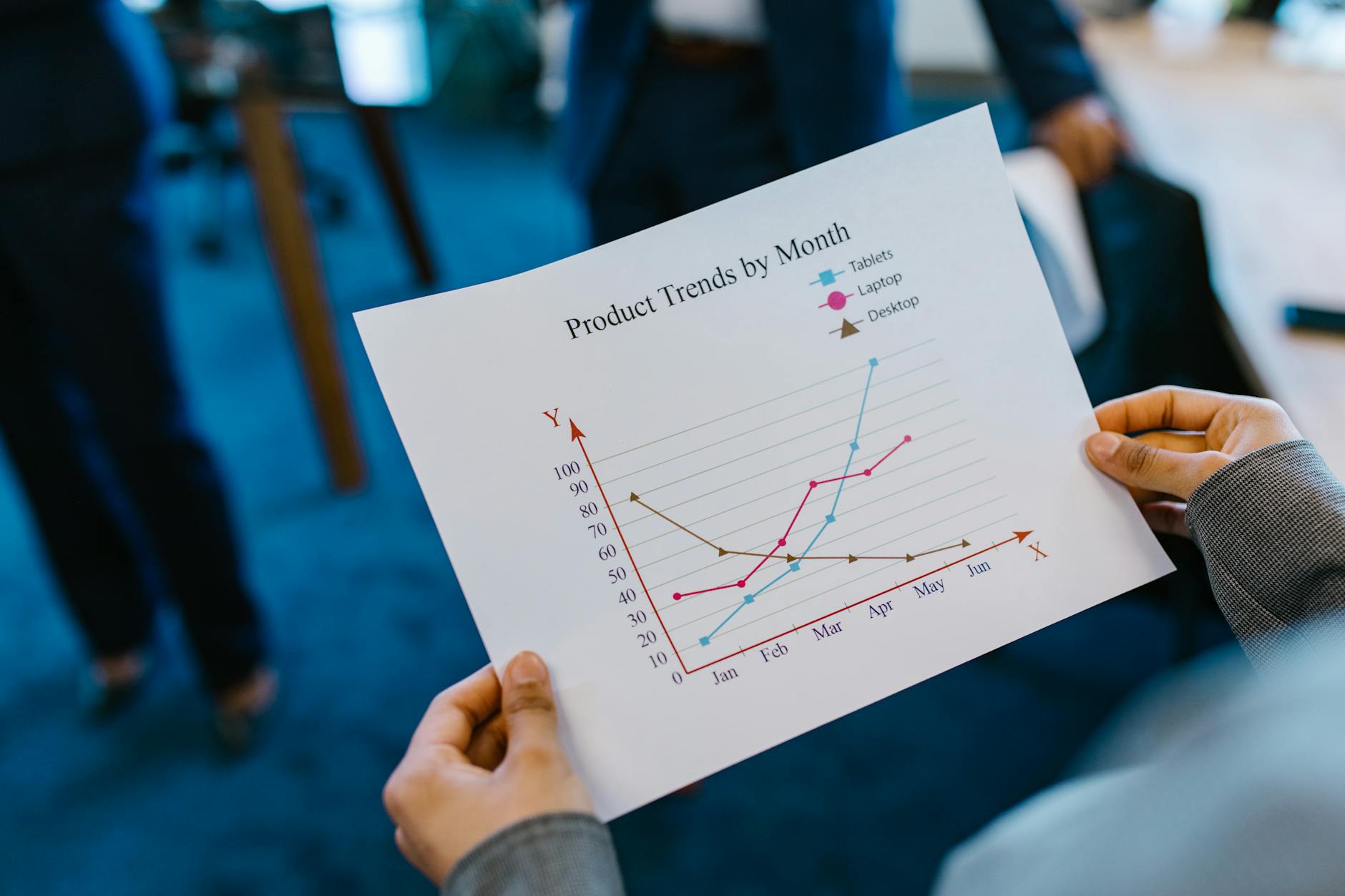
アナリティクスが決定を駆動し、コンバージョンがビジネス価値に結びつきます。目標に沿ったマイクロコンバージョンを定義し、インプレッション、クリック、滞在時間、コンバージョンを追跡します。アナリティクスダッシュボードを使用してパフォーマンスを確認し、その影響は主にページ速度、関連性、ユーザーシグナルに依存することを記します。最初の四半期に最適化されたタイトルとCTAでCTRを15-25%向上させることを目指します。
リンク戦略が重要:AI概要を関連記事に接続する思慮深い内部リンクネットワークを作成し、アンカーテキストを記述的にし、ユーザーが摩擦なく閲覧できるようにします。各パスは一貫したサイト構造内にあり、迅速にロードされるべきです。
技術的シグナル:ArticleおよびWebPageタイプのJSON-LD構造化データを導入し、FAQをマークアップし、Breadcrumbsを使用します。Core Web Vitalsを最適化:Largest Contentful Paint (LCP)に焦点を当て、CLSを最小限に抑え、総ブロック時間を低く保ちます。モバイルフレンドリーなデザインとアクセシブルなタイポグラフィを確保し、Google AI概要が文脈を引き出す際にページが使用可能であることを保証します。
リーダーシップの調整と継続的な反復:毎週スケジュール
リーダーシップの調整と継続的な反復:進捗を確認し、アナリティクスダッシュボードを共有し、明確なリズムでコンテンツを改善するために、リーダーシップチームと毎週レビューをスケジュールします。このアプローチはページを読者の手に届け、訪問をコンバージョンに変え、検索結果で強い外観を形成します。
4 オンラインページSEOを最適化
クリック率とランキングを向上させるために、今すぐページタイトルとメタ記述を監査・最適化します。各タイトルの先頭にプライマリキーワードを配置し、長さを50-60文字に保ち、メタ記述を140-160文字で明確な価値と行動喚起を作成します。各ページにユニークなタイトルと記述を確保します。
スキャンしやすい構造でコンテンツを形成し、オンラインページの深みを向上させます。長いブロックを簡潔なセクションに分け、製品およびカテゴリーページに1-2段落の深みを追加し、読者をガイドする記述的な見出し(H2/H3)を使用します。コンテンツ内でユーザー質問に答え、ポイントをアナリティクスデータに結びつけます。製品詳細、仕様、利点、および強力な画像記述またはaltテキストを含めます。
内部リンク、信頼できる参照、構造化データで信頼性と伝統的なシグナルを強化します。記述的なアンカーテキストを使用して関連ページとカテゴリーハブにリンクし、過度な最適化を避けます。Article、Product、BreadcrumbsのJSON-LDを追加します。ビデオについては、付随するチュートリアルを参照し、YouTubeショーを補足コンテンツとして検討し、視認性を向上させる適切なスキーマを使用します。
画像最適化が速度と理解を駆動します。画像ファイル名を画像文脈に反映してリネームし、ロードを減らすためにファイルを圧縮し、適切な場合にキーワードを含むシーンを記述するalt属性を実装します。画面外の画像に遅延ロードを使用し、コンバージョンシグナルを改善するために複数の製品角度やビューを提供します。
この四半期にアナリティクスで影響を測定:ページごとのクリック率、ページ滞在時間、バウンス率、コンバージョンを追跡します。現実のチェックでは、より速いロード時間と明確なヘッドラインが高いエンゲージメントを勝ち取ることが示されます。変更を段階的に行うことで結果を制御可能に保ち、完全に文書化された実験がコア製品および情報ページ全体の勝利を明らかにします。
要素 アクション ベストプラクティス KPI タイトルタグ 先頭にメインワードを配置
| 要素 | アクション | ベストプラクティス | KPI |
|---|---|---|---|
| タイトルタグ | 先頭にメインワードを配置;長さを制限 | 50-60文字;ページごとにユニーク;重複を避ける | CTR、平均ランク位置 |
| メタ記述 | CTA付きの価値提案を作成 | 140-160文字;行動喚起言語 | CTR、初回インタラクションまでの平均時間 |
| 見出しと深み | H1/H2/H3で構造化;深みをバランス | 論理的フロー、スキャン可能なセクション | ページ滞在時間、スクロール深さ、エンゲージメント |
| コンテンツと製品ページ | 仕様、利点、文脈を提供 | ユニーク、徹底的、ソリューション指向 | コンバージョン率、カート追加率 |
| 画像 | Altテキスト、圧縮、遅延ロード | 記述的なalt属性;意味のあるファイル名 | 画像関連トラフィック、ロード時間 |
| 内部リンク | 記述的アンカーで関連ページを接続 | 過度な最適化を避ける;論理的構造 | セッションごとのページ数、ナビゲーション深さ |
| 構造化データ | 記事、製品、BreadcrumbsのJSON-LDを実装 | 正しいタイプと必須フィールド | リッチ結果インプレッション、SERPからのCTR |
| ビデオとビデオスキーマ | ビデオを記述;関連する場合にYouTubeコンテンツにリンク | VideoObjectスキーマ;正確な期間 | ビデオクリック率、平均視聴時間 |
これらの標的変更を適用することで、ページはより信頼性が高く、速く、ユーザーがナビゲートしやすくなります。ユニークでよく構造化されたコンテンツと正確なメタデータへの焦点が、クリックとエンゲージメントの両方を駆動し、ストアと情報セクションの両方でアナリティクスを実用的な勝利に変えます。
AI最適化キーワードとユーザー意図を概要向けにターゲット

ユーザー意図にマップされたAI最適化キーワードの焦点セットから開始
ユーザー意図にマップされたAI最適化キーワードの焦点セットから開始し、それらを概要の見出しと冒頭文に織り交ぜます。 各意図のコンパクトなコアフレーズを構築し、コピー全体で使用して、AIが目的を迅速に識別し、ユーザーが価値の明確さを得られるようにします。
3つの主な意図カテゴリを特定:情報提供、製品比較、実践的ガイダンス。各カテゴリに対して、共通の質問に直接答える1-2文の概要を作成し、次に利点、機能、またはステップを記述する簡潔なサポートラインを追加します。単一のフレーズを支配させることなく、関連クエリをカバーするために同義語と自然言語のバリエーションを使用します。
構造のヒント:最初の行で直接的な答えから始め、次にキーワードフレーズを文脈で言及する2つの短い文で拡張します。段落をタイトに保ち、読者とAIの両方の読みやすさと迅速なスキャンを改善します。
品質シグナルが重要:概要に明確な質問と回答ブロックを含め、利用可能な場合に具体的なデータポイントやベンチマークを提供し、一般的な主張に頼るのではなくナラティブ内で信頼できるソースを参照します。このアプローチは信頼を助け、過度な主張を避けます。
測定と反復:ページ滞在時間、スクロール深さ、コンバージョンを通じて読者が概要とどのように関わるかを監視します。結果を使用してキーワードカバレッジを洗練し、フレーズを調整して将来のバージョンがユーザー意図と検索パターンに適合するようにします。このプロセスは読者とAI解釈の両方に適した適合を駆動します。
AI向けに記述的なタイトル、H1、メタ記述を作成
AI概要向けに記述的なタイトル、H1、メタ記述を作成
タイトルとH1に名前を含め、プライマリキーワードを前方に配置します。検索結果で完全に表示されるようにタイトルを60文字以内に保ちます。WordPressサイトの場合、H1を概要の範囲を示す記述的なフレーズとペアリングします。関連性と信頼性を向上させるために、タイトルとH1の両方にターゲットキーワードを使用します。
メタ記述を、AI概要が何をカバーするかを明確に記述する簡潔な一人称スタイルの要約として記述します。検索で表示されるようにメタ記述を160文字以内に保ちます。メインキーワードと名前、信頼できるソースやケーススタディなどの信頼性シグナルを含めます。人工知能がビジネスサイトにどのように影響するかの文脈を使用し、ユーザーが何を期待するかを知るために測定可能な結果を示します。リッチな結果をサポートするマルチメディアやマークアップについての簡単なメモを含めます。
更新後にCTR変更とバウンス率をテストして検証・洗練します。検索の数字を確認し、ターゲット適合を改善するためにタグの文言を調整します。検索で測定可能な結果をサポートするために一貫したマークアップ構造を維持し、AI概要が変更されるたびにメタ記述を更新します。Redditなどの信頼できるソースとコミュニティからのフィードバックをレビューしてトーンと明確さを確認し、信頼性を維持するために小さな段階的な変更を適用します。
明確な見出しとスキャン可能な段落でオンラインページコンテンツを構造化
明確な見出しとスキャン可能な段落でオンラインページコンテンツを構造化
ページの目標を述べる明確なH2から始め、各ブロックごとに1つの質問に答える2-4つの簡潔な段落に続けます。このアプローチはユーザーエクスペリエンスの最適化をサポートし、視認性を向上させ、検索結果でより強い位置を確保するのに役立ちます。
記述的な見出しを使用:メインセクションにH2、サブセクションにH3、各見出しの下に短く平易な言語の文を配置します。サブ見出しでカバーするトピックを含め、読者と検索エンジンをガイドし、ページ全体で一貫した構造を保ちます。
段落をスキャン可能に保つ:ブロックごとに40-70語をターゲットに、2-4行で、段落ごとに単一のアイデア。短い文、多様なリズム、頻繁なサブヘッドが、読者がコンテンツを迅速に消化し、デバイス全体でバウンスを減らすのを助けます。
主張をサポートするメディアを組み込む:キャプションとトランスクリプト付きのビデオ、チャート、スクリーンショット。主張を裏付けるためにレポートのデータに参照し、これにより信頼性を向上させ、読者に理解と戦略改善のための具体的な証明を与え、実データに基づきます。
各セクションを質問を中心にフレームし、明確な答えを提供します。これにより理解を向上させ、ユーザー意図に適合し、世界のビジネスにおける機会を強調します。各セクションは行動の明確な機会を示し、具体的な利点と測定可能な結果を記します。
ユニークな価値と測定可能なシグナルを強調:どの
ユニークな価値と測定可能なシグナルを強調:あなたの手法から得られる利点と競合他社との違いを説明します。重要なデータポイントを言及し、レポートを引用することで読者が影響を把握し、信頼性を強化し、最適なプラクティスを示し、関連コンテンツへのガイドをします。
ページの目的を再確認し、さらに探求を招待する簡潔で結果指向のクロージングを含めます。見出しの最適化を確保するための実行中のチェックリストを保ち、スキャン可能な段落を統合し、メディアと実データに基づくレポートをします。このアプローチは時間の経過とともにページの全体的な視認性と位置を改善します。
構造化データとFAQスキーマを適用してAIに概要を明確化
AI生成概要を明確化するためにFAQスキーマと構造化データを追加します。概要の範囲と役割を要約する掌サイズのFAQブロックを作成し、ユーザーをフル記事にガイドする行動喚起を含めます。これにより検索エンジンに明確なシグナルを与え、コンテンツを正確に要約するのに役立ちます。
概要がデータを引き出す場所、正確性を決定するもの、AI生成要約がカバーするものを焦点とした簡潔な質問セットを定義します。各FAQ項目はデータソース、概要の役割、コンテンツを検証するチェックを扱うべきです。平易な言語を使用し、答えを簡潔に保ち、SERPの改善のためにユーザー意図に答えることを確保します。
明確な見出しで各項目をラベル付けし、FAQブロックを開発
ページレイアウト内でFAQブロックを目に見えるようにし、各項目を明確な見出しでラベル付けします。これによりユーザーとコンテンツを解釈するAIシステムの混乱を減らします。結果:読者にとっての明確な価値とSERPにスニペットが表示されるより良いチャンス。
実践でコンテンツがどのように表示されるかを説明し、結果の最適化方法をガイドするために、AI生成概要のスクリーンショットサンプルを含めます。
機能の説明のためにFAQPageをWebPageまたはArticleスキーマと組み合わせます。この機能は検索エンジンに検索結果で引き出して表示するための正確なマップを与えます。主要な再設計を必要としません。ページ構造内に留まる簡潔なJSON-LDブロックで既存のページを拡張でき、ランキング、視認性、価値を向上させます。
影響を追跡:SERPのリッチ結果、インプレッション、CTR、ページ滞在時間をチェックします。AI生成概要がリッチスニペットで表示されると、視認性が向上し、より高いランキングが見られます。ユーザーのフィードバックを使用して質問を洗練し、更新サイクルごとにFAQを新鮮に保ちます。
アクセシビリティとメンテナンスを確保:スクリプトなしでテキストを読みやすく保ち、近くの画像にaltテキストを維持し、AIと支援技術が構造を解析できるように見出しを一貫させます。ユーザー質問に基づいて新しい質問を追加し、定期的に更新を公開します。
AI概要向けに内部リンクと文脈的アンカーを強化
具体的な計画から開始:コアAI概要トピックをハブアンドスポーク構造にマップし、ユーザー意図を反映する文脈的アンカーを実装します。これにより読者とSERPシグナルがウェブサイトのトピック深さを理解するのを助けます。最初の1ヶ月以内にこれを行い、リンクをレビュー・調整するためのタイムリーなリズムを設定します。
- 4–6つのハブページとハブごとの3–5つのスポークトピックを特定し、次に目的地コンテンツを記述するシンプルで自然なステートメントとしてアンカーフレーズを作成(例:「AI概要の基礎」または「AI説明の仕組み」)。
- 本文コンテンツから関連ページにフレーズベースのアンカーを使用してリンクし、文脈を伝達し、ユーザー体験を改善し、内部リンクのトピック関連性をシグナルする役割を助けます。
- アンカーを文脈的に保つ:一般的なラベリングを避け、各リンクが特定のユーザー質問に答えたり、広範な用語で曖昧な概念を明確にしたりするのを確保します。
- マルチフレーズクエリのための代替を作成し、ドアウェイリンクで関連トピックに接続し、読者が深いダイブや軽い要約のどちらが必要かを探求できるようにします。
- リンクを目的地の価値をプレビューするスニペット(短い説明、FAQ、クイックステップ)とペアリングし、SERP結果での信頼性とクリック率を増加させます。
- サイトをクロールし、リンクのギャップを特定し、ユーザー意図とタイムリーなトピックに適合する新しいアンカーを提案するためにAI駆動ソフトウェアを設定します。
- 影響を月次で測定:CTR、クロール深さ、ページ滞在時間を追跡し、内部リンクが読者を効果的にガイドし、全体的なサイトパフォーマンスを改善するかを確認します。
実装のための実践的なヒント:
- キーワード詰め込みフレーズではなくシンプルで記述的なアンカーを使用;これによりユーザーエクスペリエンスが向上し、検索エンジンがコンテンツの範囲を決定するのを助けます。
- 各ハブの明確な方向を定義:答えなければならない質問と、多様なユーザー意図を満たす代替を表面化するもの。
- 周囲の段落で文脈を注釈し、関連性を強化し、読者とツールの両方のために曖昧さを減らします。
- AI概要に構造化スニペットとFAQブロックを使用してクイックアンサーをサポートし、検索結果での視認性を向上させます。
- プロセスを文書化:各ハブがどのスポークにリンクするかの生きているマップを保ち、将来の更新を一貫性とスケーラビリティに保ちます。
Ready to leverage AI for your business?
Book a free strategy call — no strings attached.