ChatGPTをマーケティングに活用する方法 - 実践ガイド
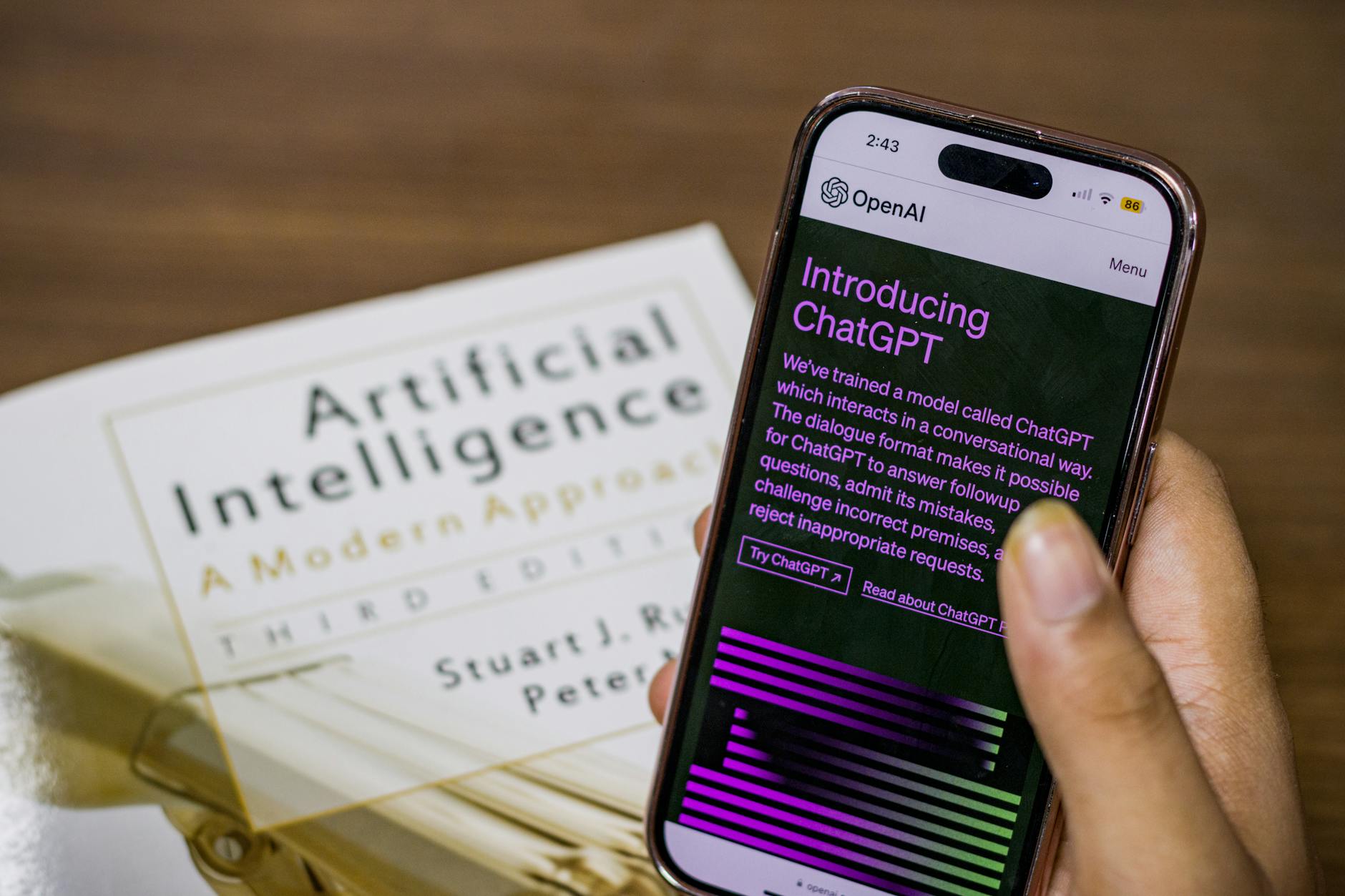

ChatGPT駆動のキャンペーンに対して1つの測定可能な目標を定義し、スケーリング前に単一の仮説をテストしてください。 明確なブリーフを使用して、コンテンツ、チャネル、タイミングを調整し、迅速にイテレーションできます。ChatGPTは、オーディエンスセグメンテーションと読者をコンバージョンに向かわせるコピーライティングのドラフトを支援できますが、ポリシー制約を尊重します。この方法は記事で詳述されています。
実践的な価値を提供するために、チャネルのデータから始め、パフォーマンスを分析してください。私たちはランディングページ、メール、社会投稿のためのプロンプトをテストしました。構造化されたプロンプトを使用することで、コピーの迅速なフィードバックが得られ、最適化のための具体的なガイダンスを提供します。プロンプトを常にポリシーとブランドボイスに合わせる。
コピーライティングテンプレートにより、複数のバリエーションを生成できます。ChatGPTはヘッドライン、メタ記述、社会コピーを提供し、トーンと構造に関するアドバイスを提供します。それは創造的な角度を数分で提供し、チャネル全体で一貫したブランドボイスを提供するのに役立ちます。小規模バッチでテストすると優れたエンゲージメントが得られます。
誤情報の防止とポリシー遵守を維持するためのガードレールを早期に設定して課題に対処してください。重要な主張に対して人間のレビューを定義し、出力を定期的に監査します。幻覚、バイアス、またはオファーとの不整合などの一般的な失敗モードを特定し、安全なプロンプトとリリース後の監視を実装します。このアプローチにより、チームはブランドの完全性と信頼性を維持しながら自信を持ってスケーリングできます。
継続的な改善のために、週に2つのプロンプトバリエーションを比較するテストを実行してください。これによりコンバージョン効率とROIを向上させることができ、特に完了率や影響までの時間などの明確なメトリクスを付与すると効果的です。自動化された出力に人間のレビューを常に組み合わせ、ニュアンスのあるブランド調整を行ってください。
オーディエンスターゲティング:AIプロンプトでペルソナとメッセージを定義

3つのコアペルソナを定義し、各々にコンテキストを考慮したコピーを生成するAIプロンプトを作成し、社会ネットワーク、メール、ランディングページでバリエーションをテストしてください。コンサルタントとして、より広いコンテキストプールから洞察を引き出し、これらのプロンプトを使用して言語とトーンを最適化し、迅速な成果を得てください。ポリシーと予算制約内で、顧客洞察に基づく最新のアイデアにアクセスできるプロンプトライブラリを構築します。マーケティング担当者はこの構造を活用してワークフローを合理化し、コンテンツを製品/サービス更新に合わせることができます。
ペルソナ定義のためのプロンプトテンプレート
プロンプト例1:ペルソナAに対して、人口統計、目標、痛点、購買トリガー、好みのチャネル、成功メトリクスを記述してください。社会ネットワーク向けの20–30語の社会コピーの3つのバリエーションと、ランディングページ向けの1つの長い段落を出力し、すべて簡潔でフレンドリーなコピーで。トーンが言語を尊重し、ポリシーに適合することを確認してください。
プロンプト例2:ペルソナBに対して、アナリティクスとフィードバックから洞察を引き出し、2–3つのトーンバリエーション(フォーマル、カジュアル、エネルギッシュ)を作成してください。製品/サービスキャンペーンに適した2つのヘッドラインと2つの本文段落を生成してください。
テスト、最適化、ガバナンス
社会ネットワークとメールで5–7日間のテストを実行し、エンゲージメント、クリック率、ページ滞在時間を比較してください。結果を使用してプロンプトを合理化し、コストを削減し、ポリシーとブランディングとの整合性を向上させます。プロンプトの管理と成果の追跡に単一のツールを使用し、プレスや有料チャネル向けの代替コピーオプションを準備しておきます。このアプローチにより、マーケティング担当者は予算内で最大の影響を与え、コンテンツが最新の製品/サービス更新に適合することを保証します。
ペルソナを新鮮に保つために、顧客と市場シグナルからのフィードバックを組み込みます。メッセージングがチャネルとプラットフォーム全体で関連性を保つよう、コンテキストを定期的に更新してください。
広告コピーとクリエイティブ:社会とPPCのためのA/Bバリエーションを生成
資産ごとに2つのA/Bバリエーションを作成:1つは痛点に焦点を当て、もう1つは成果に焦点を当て、単一のペルソナに結びつける。シャープなフックを使用し、有形の利点で裏付け、明確なCTAで締めくくります。この設定により、フィードを素早くスキャンする消費者との信頼を築く魅力的なメッセージを作成できます。
人工知能で駆動されるプロンプティングフレームワークを使用してください。目標、オーディエンス、痛点、オファー、CTAを定義するプロンプトをドラフトします。例えば:「人工知能を使用して、Product X向けの3つの社会広告バリエーションを金融の消費者を対象に生成し、それぞれ異なるフック(痛点、利点、社会的証明)、短いサポートテキスト、CTAを含めてください。」既知のアプローチを活用し、どのプロンプトが最も強い結果を生むかを追跡します。Googleスタイルのレポートダッシュボードから洞察を引き出し、どのバリエーションがリフトを示すかを特定します。
バリエーションをチャネル別に構造化:社会広告は1–2行のインパクトのあるフックを提供し、次に簡潔な利点声明とCTAを;PPCバリエーションは2–3行の説明を拡張し、キーワード最適化されたフレーズを含めます。社会、検索、さらにはメール件名ライン全体でテキスト要素の一貫したボイスを維持し、タッチポイント全体での会話と親しみやすさをサポートします。ペルソナ主導のフレームを使用し、ユーザーが「このブランドは私を理解している」と感じるようにします。
テスト計画とレポート:資産ごとに2–4つのバリエーションを実行し、均等に分割し、48–72時間のパフォーマンスを監視します。CTR、CVR、CPA、エンゲージメント率を追跡し、結果をレポートダッシュボードで可視化します。バリエーションが明確なリフトに達しない場合、ブランドを変えるのではなく、アングルや利点の焦点を調整します。最高のコピーは痛点の解決、有形の成果、信頼を築く社会的証明を示します。
ワークフローに直接投入できる実践的なプロンプト:
プロンプト例1(社会ヘッドライン): [ペルソナ]の[痛点]を解決する製品向けの3つのシャープな社会ヘッドライン(≤ 90文字)を生成し、結果を含め、強いCTAで終了してください。
プロンプト例2(PPC記述):キーワードフレーズ「[keyword]」を含む3つの拡張PPC記述を作成し、独自のオファーを強調し、1文で社会的証明を言及してください。
プロンプト例3(メール整合):社会およびPPCバリエーションに整合する2つのメール件名ラインと1つのサポート本文スニペットを生成し、一貫したトーンと利点を確保してください。
アクセシビリティと整合:テキストを会話とランディングページでの迅速な編集に適応可能に保ちます。ビジュアル向けのaltテキストプロンプトを含め、消費者に響く包括的な言語を維持します。メッセージングをメールキャンペーンに合わせ、チャネル全体で一貫した会話をサポートし、コアメッセージを同じペルソナと信頼シグナルに固定します。
コンテンツ戦略:プロンプトでトピック、カレンダー、フォーマットを構築
4週間のトピックスプリントを開始:読者の行動と検索意図に結びついた6つのコアトピックを定義し、ガイド、チェックリスト、FAQ、ロングリードなどのフォーマットを生成するプロンプトを作成します。各トピックにコンサルタントのマインドセットでアプローチし、Geminiとのチャットでプロンプトをテストし、出力とターゲットを比較して改善をイテレーションします。
各トピックに明確な定義を付け、読者の行動と検索意図にマッピングします。人工知能シグナルを使用してトレンドを分析;オーディエンスの反応を分析し、将来のプロンプトのためのノートを保持して決定をガイドします。この規律により、決定が基盤を保ち、次のキャンペーンに備えます。
カレンダーを4週間で週2フォーマットのリズムで設計:週1はロングガイドプラスクイックリード、週2はチェックリストプラスFAQ、週3はケーススタディプラスTips、週4は更新適応。そこで、カデンスは広く繰り返し可能で、キャンペーンをサポートし、各サイクルで着実な改善を可能にします。
使用すべきフォーマットテンプレートとプロンプト
ガイド:プロンプトパターン – トピック:{topic};オーディエンス:{persona};問題:{problem};ステップ:{step1}、{step2}、{step3};証明:{data}; takeaway:{summary};CTA:{cta}。ターゲットペルソナに語りかけ、読者を行動に誘う説得力のあるトーンを使用してください。
チェックリスト:パターン – トピック;オーディエンス;アイテム:5–7つの箇点;利点:{benefit};検証:{criteria};CTA:{cta}。読者が迅速に実装でき、有形の改善を見られるようプロンプトを構造化します。
FAQとQ&A:パターン – トピック;質問:{asked};セクション化された回答;クロスリンク;CTA。自然に読める回答を含め、一般的な異議を予測し、読者を次のステップに導きます。
ケーススタディまたは教訓:パターン – トピック;シナリオ;アプローチ;成果;キー takeaway;CTA。具体的な結果を強調し、深い学習のための関連ガイドにリンクします。
カレンダーデザインと測定
すべてのトピックを4週間のサイクルに割り当て、互いを強化する2つのフォーマットをペアリングします。読み込み、ページ滞在時間、スクロール深度、コンバージョンシグナルを追跡します。目標改善を設定:8週間でCTRを15%向上、平均セッション期間を20秒増加、チャネル全体の再利用率を60%以上に。チャット駆動のドラフトを使用してバリエーションをテストし、Gemini出力をベンチマークと比較し、プロンプトを広いオーディエンスと読者のために洗練します。そこで、結果に基づいてイテレーションし、計画を継続的な改善に広く適応可能に保ちます。
キャンペーン自動化:メールシーケンス、ドリップキャンペーン、チャットフロー
推奨:サイト訪問やメールクリックで活性化するレース駆動のチャットフローと組み合わせた4メールのドリップシーケンスを実装し、コンバージョンを加速し、時間を節約します。
メールシーケンスとドリップキャンペーン
- 主な目標を設定:リード生成とナーチャリング。4–5通のメールで10‑14日間の計画を構築し、各ステップで連絡先をミーティングやデモに近づけます。
- 各メールに明確な記述を持つテンプレートを使用し、ライターが一貫したメッセージを迅速に生成し、チーム全体で計画をスケーリングできるようにします。
- タイムリーなトリガーをスケジュール:Day 0 ウェルカム、Day 2 価値追加、Day 5 社会的証明、Day 9 ウェビナーまたはデモCTA、Day 12 フォローアップ。インタラクションからのフィードバックとトレンドにコンテンツを合わせ、関連性を最大化します。
- 多様なコンテンツを組み込み:短いビデオ、有益なウェビナーリンク、メール内のダウンロード可能な情報ガイド。この多様性により、過負荷なしにエンゲージメントを維持します。
- ダイナミックフィールド(名前、会社、業界)でパーソナライズし、件名ラインをパーソナライズして開封率を向上;2–3つのバリエーションをテストして何が響くかを学びます。
- メトリクスを追跡し、失敗したパスを特定:2回のリマインダー後にエンゲージしない受信者の場合、そのセグメントのシーケンスを一時停止し、次のサイクルで件名と価値提案を再構築します。
- テンプレートと記述のメインライブラリとしてコンテンツを保存。これらを使用して新しいメールを迅速に生成し、キャンペーン全体で一貫性を保ちます。
- 常に明確なCTAとコール保存またはスケジュールのオプションを含め、次のステップが明確でタイムリーであることを確保します。
- 学習を将来のキャンペーンに巻き込み:何が機能し、何が機能せず、なぜかをキャプチャ;その情報を記事とコンテンツ戦略を洗練するために使用します。
チャットフローとオーケストレーション
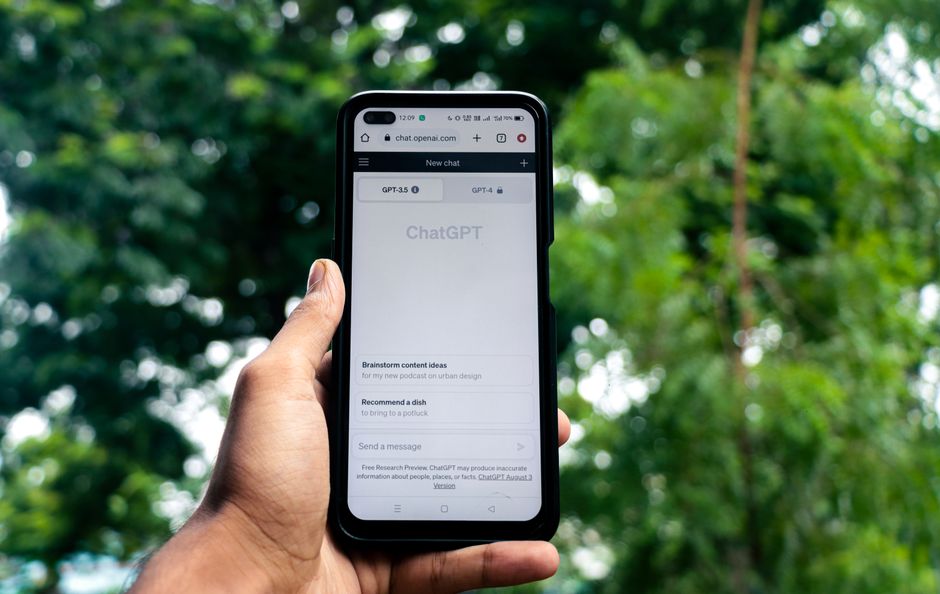
- チャットフローを設計し、数分で訪問者を資格付け:2–3つの質問をし、意図を特定し、最初のメッセージ内で関連する次のステップ(デモ、ガイド、ウェビナー)を提供します。
- メールエンゲージメントやウェビナーリンククリック後にオンサイトトリガーを使用してチャットを起動;メールインタラクションのメインデータポイントを使用して応答を調整します。
- 迅速な回答、製品記述、ビデオまたはウェビナーリンクのテンプレートを含め、意思決定を加速します。チャット内で簡潔で実行可能なコンテンツを提供します。
- 必要に応じて高意図インタラクションを人間の営業担当者にルーティング;低意図チャットを自動化して摩擦を減らし、応答を高速化します。
- コンテンツ推奨を埋め込み:短いビデオクリップ、ウェビナー登録、記事ライブラリからのケーススタディを提供し、理解を深め – ユーザーが価値をより速く見るのを助けます。
- 初回応答時間、会話長、チャットからミーティングへのコンバージョン率などのKPIを監視;ボトルネックを特定し、フローを調整して結果を改善します。
- チャネルとチーム全体で一貫性を確保するためのテンプレートと記述の中央リポジトリを保持;トーンを失わずにアウトリーチをスケーリングするためにコンテンツを再利用します。
- フィードバックを使用して計画を改善:一般的な質問をメモし、FAQを更新し、現在の情報とトレンドを反映してコンテンツを更新します。
実践では、メールシーケンスをチャットフローと組み合わせ、非同期とリアルタイムのインタラクションの両方をカバーします。これにより、リードあたりのタッチを増やし、学習ループを短縮し、潜在的にコンバージョン速度を向上させます。メールパフォーマンス、インタラクショントレンド、エンゲージメントファネルの定期レビューにより、時間節約と成果向上の機会を特定できます – すべてオーディエンスの情報ニーズに適合したスケーラブルで未来志向の自動化システムを構築しながら。
品質管理:公開前に出力のレビュー、編集、洗練
公開前に5ステップのQAパスから開始:1) すべての主張を少なくとも2つの信頼できるソースに対してファクトチェック;2) コンテンツをターゲットオーディエンスとターゲティング目標に合わせる;3) トーンとスタイルがブランドボイスに適合することを検証;4) すべてのリンク、データポイント、引用が正確であることを確認;5) アクセシビリティと読みやすさを検証し、段落を短くし、見出しを記述的に保つ。
テンプレートと自動化を活用してワークフローをスケーリング。ブログ、メール、社会投稿のテンプレートを使用し、各々に組み込みQAチェックを。専用のQAシートと軽量チェックリストにより、エディターが一貫性を保ち、レビューを高速化します。Geminiなどのニューラルネットワークで作業する場合、公開前にファクトドリフトとバイアスをフラグする別個の検証レイヤーを適用;自動化がクロスソースチェックを処理し、エディターのアクセスを高速に保ちます。
公開前に迅速な整合テストを実行:すべてのセクションがターゲットメッセージをサポートし、CTAがキャンペーン目標に適合することを確保。影響度で修正を優先:高トラフィックページを最初に修正し、次に短形式投稿を締めくくります。信頼性、読みやすさ、アナリティクスシグナルとの整合性のポイントを持つスコアリングルーブリックを使用。ワークフロー内で各コンテンツタイプのオーナーを指定して決定を高速化します。
社会およびSEO対応コピーの場合、注目を集めるヘッドラインと簡潔なスニペットをガイドするテンプレートを使用。読み飛ばしやすさを向上させるために文を短く保ち、ヘッドラインをエンゲージメントでテスト。メタ記述に明確な価値提案と関連キーワードを含めることを確認。ビジュアルを使用する場合、記述的なaltテキストとキャプションでアクセシビリティを検証;未承認ソースからの公開を防ぐアクセス制御を確保。
編集から学び、共通の質問への回答を追跡し、テンプレートとルールを洗練するための生きているQAチェックリストと公開後監査を維持。フィードバックを使用して自動化パラメータとブランディングガイドラインを調整し、チーム全体で改善を共有します。この規律あるレビュー過程により、チームは品質をスケーリングしつつ勢いを保てます。
📚 AI生成とプロンプトに関する詳細
簡単な問い合わせを送信
提案の相談に向けて、サイト、目標、対象顧客、予算をお知らせください。