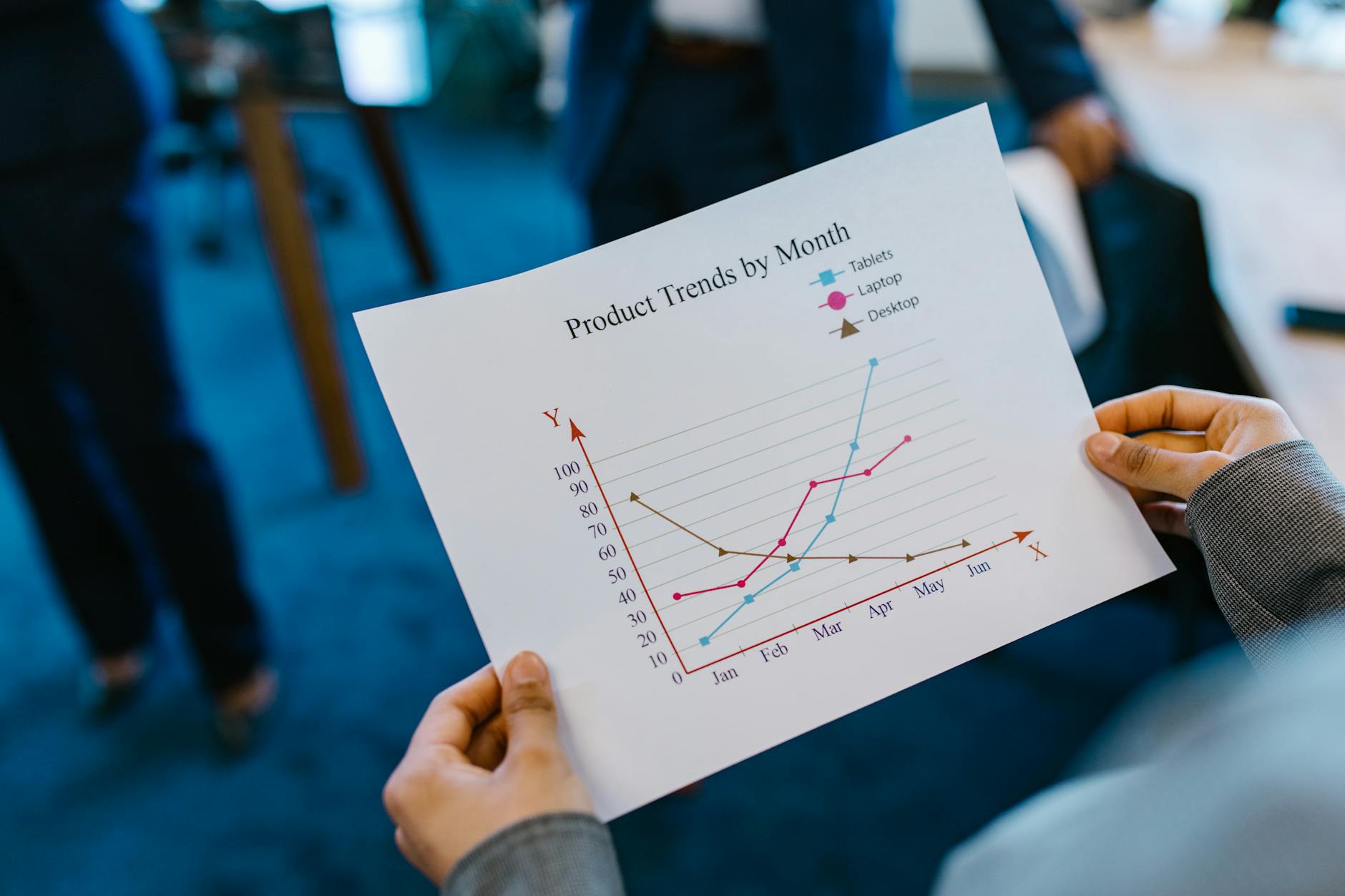
ChatGPT for Marketing - The Complete 2026 Guide to AI-Driven Growth
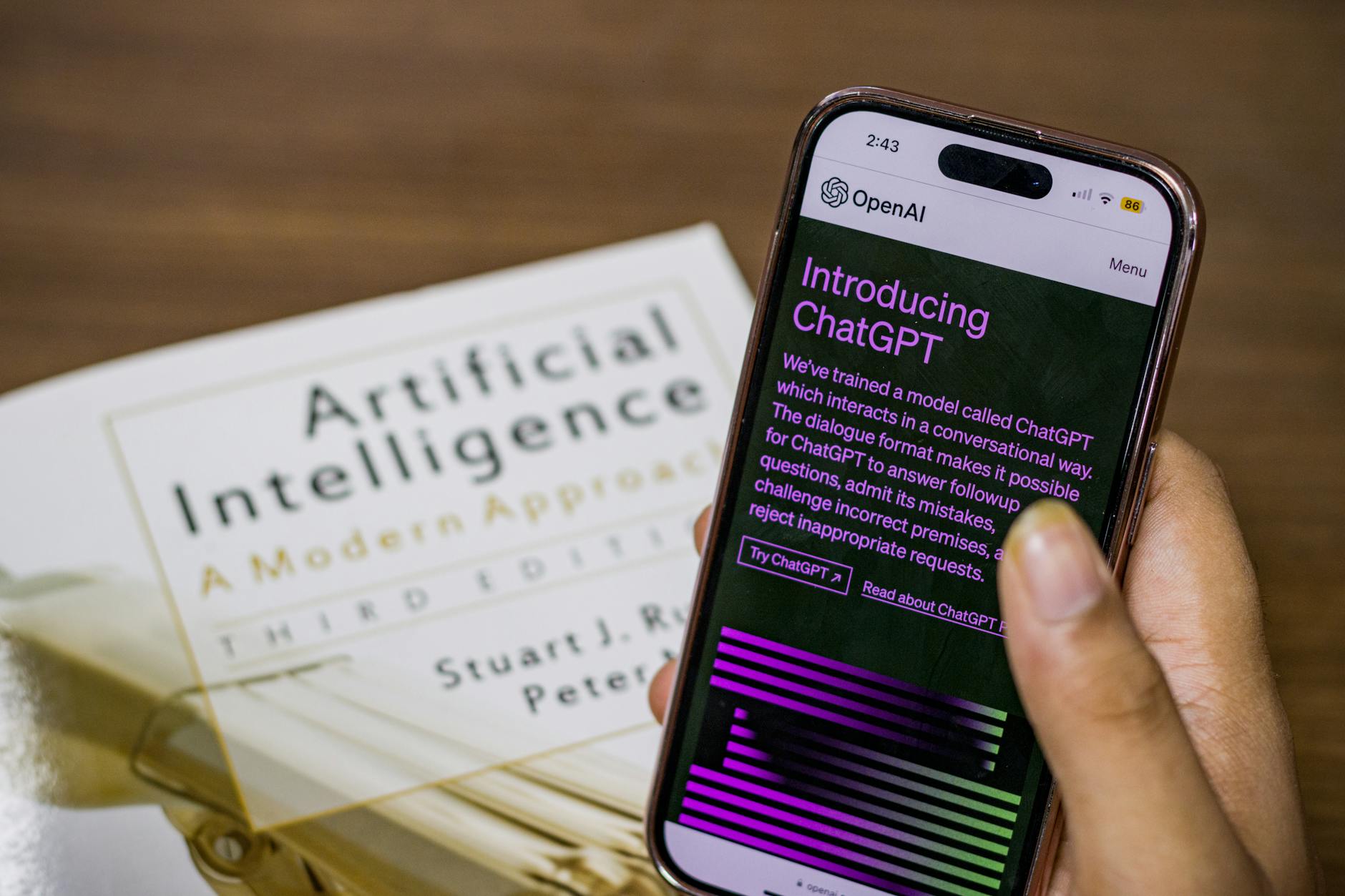

Start with a concrete move: deploy an auto-generating content engine that adapts in real-time to audience signals and uses a single interface to optimize responses across channels. This approach yields faster iterations and measurable growth from day one.
Feed the system with structured datasets from CRM, web analytics, social listening, and ad platforms. Build a trusted link between these sources and connecting teams around a shared truth. Use this previous baseline and the example campaigns as calibration.
Example workflow: generate 3-5 ad variants and email subject lines, real-time test, and automatically check key metrics (CTR, conversion rate, ROAS). Feed responses back into the model to improve the next generation, and save the top results for reuse in future campaigns.
Focus on governance: implement guardrails to prevent biased targeting, verify outputs, and maintain brand safety. Retain control by reserving a human-in-the-loop for final approvals and linking dashboards to your stakeholders. Be sure your team has clear ownership of prompts and approvals.
Growth through automation: auto-generating content and real-time optimization replace repetitive manual tasks and accelerate testing, while preserving quality. Use an interface that makes it easy for marketers to adjust prompts, view results, and export datasets for external tools. This approach can boost throughput and lift key metrics over the next quarters.
Finally, ensure you have a clear plan: map customer touchpoints,
Finally, ensure you have a clear plan: map customer touchpoints, define what constitutes a trusted response, and set a real-time alert system so you can react quickly. The result is a scalable, measurable path to growth that aligns creative with performance metrics.
Actionable Playbook for AI-powered Marketing in 2025

Launch a 30-day pilot on a single platform to unify chatgpt-powered workflows across email, copy, and social, with clear slas and a baseline target of 20% uplift in open and response rates and 15% lift in conversions.
Establish a center for AI marketing with a creator team and a professional editor to maintain quality across channels. Use a basic set of templates and a platform that unifies gpts for email, social, and copy into a seamless workflow.
Define three core outputs: copy, email, and social posts. Generate initial drafts with gpts, then route to reviews for quick tightening and alignment with brand words.
Set up an update cycle: track growth metrics such as open rate, click-through rate, and conversions; review dashboards weekly; ensure slas are met for each channel.
Adoption plan: deliver seamless onboarding, a basic playbook, and templates designed for quick wins; run A/B tests on subject lines and social hooks using gpts in the platform, and measure impact on growth.
Quality control: implement a reviews cadence; assign a professional editor for final approval; maintain consistent brand voice; log feedback to improve copy and creative assets.
Data governance: schedule weekly update s; track large content libraries; retire outdated templates and replace with AI-generated variants; ensure privacy and compliance.
Translate insights into actions: use dashboards to monitor
Translate insights into actions: use dashboards to monitor channel performance, adjust budgets monthly, and keep a growth mindset with a steady stream of new templates built on gpts and words that reflect evolving trends.
Audience Segmentation with ChatGPT: Build Precise Personas
Create a persona matrix from your dataset and validate prompts with ChatGPT to deliver precise messages for each buyer segment. Capture detail across demographics, behavior, problems solved, and buying triggers to feed your content strategy.
Link each segment to a funnel stage: awareness, consideration, and conversion. Map the most popular problems and needs to the right funnel steps, so your posts and posting schedules align with user intent on your websites.
Train your team on standardized prompts and evaluation rubrics. Assign ownership for each persona, refresh training data quarterly, plus establish a simple scoring rubric. Use ChatGPT to draft high-converting posts and website copy that fit the segment's voice. Base content on questions customers ask and the points buyers list when evaluating solutions.
Safety and accuracy should be non-negotiable. Build guardrails to prevent outdated assumptions and verify outputs against your internal facts before posting. Include september benchmarks to track progress and adjust prompts for better alignment with market realities.
Example persona work: a tech buyer who seeks fast, data-driven insights. Use this idea as a baseline to test messaging, go-to-market angles, and the channels that resonate on your websites and social feeds.
To operationalize, assemble the fields for each persona: role,
To operationalize, assemble the fields for each persona: role, industry, responsibilities, pain points, decision criteria, buying triggers, and preferred channels. Use matching logic to pair a user query with the right persona and surface relevant content in the answer. Track a score with points for engagement, accuracy, and conversion potential to guide future training.
Execution tips: store prompts and responses as a dataset that your team can reuse for topics, including popular or niche problems; keep a log of changes to avoid outdated content; schedule regular reviews in september to refresh targets and test high-converting formats.
Outcome: precise personas drive better content matching, improved engagement, and higher conversion; integrate the persona outputs into the content calendar and paid campaigns for a cohesive experience across posts, emails, and landing pages.
Templates and Prompts for Campaign Planning and Copywriting

Use a ready-to-run template: objective, audience, value proposition, messaging map, channel mix, asset calendar, and success metrics; then power it with prompts to generate copy variations and campaign ideas.
For instance, prompt: "Rewrite the brief into three high-converting concepts for [brand], each with a clear objective, target mothers, a compelling offer, a strong call, and a 2-week calendar with milestones." This keeps the plan practical and tightly scoped.
Describe real-world personas: mothers in different age ranges and households; include day-in-the-life stories, pain points, purchase triggers, and preferred channels. This real-world detail helps the copy land with empathy and precision.
Craft a messaging map with five angles: one that solves a core
Craft a messaging map with five angles: one that solves a core pain, one that showcases quick wins, one that uses social proof, one that highlights cost savings, and one that emphasizes timeliness. Produce 3 benefit-focused headlines and 2 proof-based variants for each angle, using a kind, confident tone.
Outline an asset calendar and copy blocks: 3 short-form assets (teasers, micro-posts, caption hooks) and 2 longer-form assets (case/story posts and explainer videos). Each block includes a call to action, a visual cue, and a suggested format per channel.
Generate copy prompts for writing: rewrite product benefits into customer-friendly language, test 20 headline variants, and create 5 body copy options per headline. Include real-world data points where possible and collect user feedback to validate tone and clarity; because feedback improves performance, embed a quick 1-question poll in each piece.
Set up measurement and optimization: plan analyses at set intervals, with a cutoff date for tests and a decision point for winner selection. Define KPIs per channel, track every click, collect lead data, and move the winning variant into production for truly higher results.
Automate workflow and updates: automate QA checks for brand voice and accessibility, and push updates to the content calendar each week. Build a system that collects feedback through forms, solves bottlenecks in approvals, and updates assets with minimal manual steps, keeping changes aligned with the campaign objective.
Personalization Tactics: Real-Time Content Adaptation with AI
Personalization Tactics: Real-Time Content Adaptation with AI
Begin with a lightweight personalization engine that analyzes user signals in milliseconds and inserts context-aware content blocks to the page. This drive to relevance boosts engagement, and you can compare results across segments to see which variants win.
Adopt a modular architecture: a core decision layer, a contents library, and plug-ins for apps and teams. Use a straightforward insert API to swap blocks without reloads, keeping pages fast and consistent for millions of visits. This setup makes it easier for marketers to experiment without code changes.
Rely on signals tied to needs and real-time context: device, location, referrer, time of day, and prior interactions. Tie outcomes to SLAs for latency and quality, and maintain a consistent aura across touchpoints. Use these data points to deliver answers that feel tailored rather than generic.
Automate a part of the workflow: tagging contents, assembling personalized blocks, and delivering them through the right channels. Use automation to refine recommendations on a million sessions per day, while teams review high-impact inserts before publication.
Set up repeatable practices: compare against baseline content, roll out confident changes, and track actions like clicks, time on page, and conversions. Use a macro approach where the architecture supports rapid iteration and consistent performance across marketing apps.
Part of the approach is governance: define clear SLAs for response times, maintain privacy controls, and document which content blocks are inserted for which audiences. This discipline helps teams deliver value at scale without sacrificing quality.
Ad Creative Optimization: AI-Driven A/B Testing and Variations
Ad Creative Optimization: AI-Driven A/B Testing and Variations
Start with three parallel tests on captions, titles, and visuals to identify what moves customers. AI capabilities does the heavy lifting: it creates variations, assigns a score, and returns optimised winners at the end of each cycle.
Run each test for 24–48 hours, ensure data is available, and maintain a clean holdout to prevent leakage across segments. This approach yields getting reliable signals and keeps efforts focused on what matters for ROAS.
Create a layered test set: three caption options, two titles, two visuals; include a hashtag variant; run across demographics and locations to capture signals from those segments and compare how different groups respond.
Measure with a single score derived from CTR, engagement, and conversions; AI raises clarity by weighting each metric, giving you a clear view of what moves customers, getting results that beat the baseline by more than the last cycle.
Creating variations within a brand guardrail: keep logo, color palette, and tone constant while exploring captions, titles, and hashtags that preserve the brand voice across all assets and channels.
Managing data quality: maintain a clean naming convention, use a central repository for winning variants, and reuse successful ideas in retargeting across campaigns; this lowers manual load and reduces the need for repeat efforts.
Just align teams on the objective, ensure designers know what to
Just align teams on the objective, ensure designers know what to deliver, and keep the work focused on those elements that raise the score. Use automated dashboards and clear handoffs to speed up iteration hours and scale optimised testing across audiences and platforms.
Analytics, Attribution, and ROI: Measuring AI-Driven Campaign Impact
Implement a unified attribution model and run a 90-day ROI test to validate AI-driven impact.
Define goals and slas: set a primary KPI (for example, ROAS or
- Define goals and slas: set a primary KPI (for example, ROAS or CAC), establish SLAs for data freshness, and outline the cadence for reporting and review in a calendar. This keeps everyone aligned and accountable, especially when campaigns scale.
- Provide clear definitions: outline attribution definitions (first-touch, last-touch, multi-touch, algorithmic) and explain how AI assigns credit across touchpoints. A well-documented definitions section helps the marketer compare results across channels and time periods.
- Ingest diverse data: pull data from social, search, email, display, and e-commerce platforms; merge with CRM and knowledge bases; add image interactions and browsing signals to enrich context. This reduces blind spots and improves the reliability of AI-driven insights.
- Adopt a train/test approach: split historical data (for example, 70/30) to train the model and evaluate its predictive power on holdout periods. Refit the model quarterly to reflect seasonality and new creative strategies, and reuse the same sample size for consistency.
- Compare models and validate stability: run a baseline model alongside the AI-driven approach, then compare result distributions over multiple weeks. Look for consistent improvements in at least three consecutive periods before scaling.
- Optimize budget in real time: use AI outputs to adjust allocs by channel weekly, setting ceilings to avoid overspending on creative that underperforms. Ensure optimization respects business constraints and seasonal shifts.
- Communicate clearly with briefings: deliver concise briefings that include a table of metrics, key findings, and recommended actions. Include sample dashboards and the rationale behind each adjustment so stakeholders can respond quickly.
- Ensure eligible data and privacy: confirm that only eligible events contribute to attribution and ROI calculations, and honor consent signals. Maintain data quality controls to prevent biased results from noisy inputs.
- Embed practical knowledge and assets: attach image assets, creative summaries, and audience segments to explain AI decisions. This helps non-technical teammates grasp why certain responses perform better in social or browsing contexts.
- Prepare for reviews with testimonials and stakeholder input: collect marketer feedback and client testimonials to validate AI-driven improvements. Use those responses to refine models and reporting language so the approach stays actionable and well-supported.
Sample framework snapshot: a 4-week cycle that you can adapt. It starts with data refresh, runs a train, tests the model on eligible conversions, and ends with a briefings session to approve the next steps. The result is a transparent process where teams can compare weekly performance, share knowledge, and iterate quickly.
Sample metrics checklist (default expectations): ROAS, CPA, LTV/CAC, incremental revenue, conversion rate, click-through rate, and view-through conversions. Build a simple table that maps each metric to data source, attribution credit, and business impact. This helps a marketer see how AI influence translates into real gains and speeds up decision-making.
Implementation tips for theyre ready-to-use insights: start with a calendar of weekly reviews, document decisions in a living knowledge base, and publish a short sample report to align teams. Maintain a regular cadence so the AI system stays responsive to changes in social campaigns, search behavior, and site browsing patterns.
Operational guardrails: keep default thresholds for triggering budget shifts, set alert thresholds for data lags, and define when a new test should replace an underperforming variant. These controls protect against overreaction and ensure consistent improvement over many cycles.
📚 More on AI Generation & Prompts
Ready to leverage AI for your business?
Book a free strategy call — no strings attached.