Local SEO for Service-Based Businesses: Attract More Clients

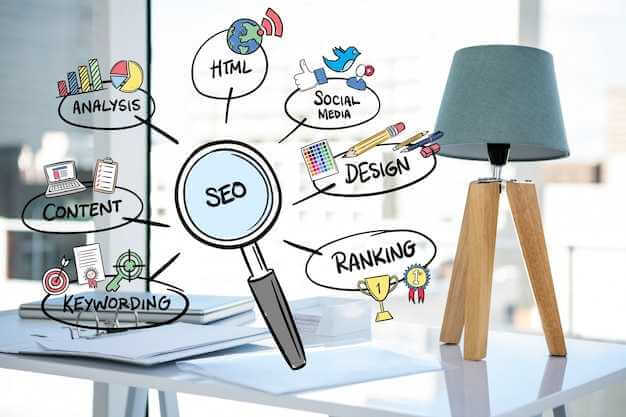
Local SEO helps service-based businesses win high-intent leads from nearby customers. The goal is simple: show up when people search for a service you provide in a place you serve, then convert that demand into calls, forms, and booked jobs.
This guide covers a practical local SEO system: Google Business Profile (GBP) setup, service pages that target local intent, reviews, citations, measurement, and how to choose between one site with location pages vs multiple sites.
Step 1: Claim and Fully Optimize Your Google Business Profile
Start by claiming and verifying your GBP. This anchors your local presence and lets you control hours, services, and updates.
Focus on the core profile elements:
-
Set the correct primary category
-
Add service areas (cities or radii you serve)
-
Keep all contact details current
-
Write a concise service description that matches what you actually do (including repair work if relevant)
Add media that proves legitimacy and builds trust:
-
Upload 8–12 high-quality photos (team, vehicles, before/after, job site proof)
-
Keep media fresh over time, not as a one-time upload
A complete, accurate profile improves discoverability and reduces confusion across local results.
Step 2: Build Service Pages That Match Local Intent
Your website reinforces relevance and expands your ability to rank for location-specific queries.
Create service pages that:
-
Include city names in titles and H2/H3 headings where appropriate
-
Align copy with local search phrases users actually type
-
Use a straightforward call-to-action (call, request quote, book)
On-page basics that matter:
-
Clean structure with short paragraphs
-
Local keywords used naturally
-
LocalBusiness and address schema where relevant
-
A service-specific FAQ that addresses common questions (including repair questions if that’s a core service)
This approach strengthens local signals and improves conversion clarity on both mobile and desktop.
Step 3: Reviews and Response Discipline
Reviews build trust and influence local performance. Volume matters, but consistency and response quality matter more long-term.
Build a repeatable review system:
-
Ask immediately after job completion
-
Use SMS/email with a direct review link
-
Include a short prompt (service + location)
Operational standard:
-
Reply within 24–48 hours
-
Reinforce the service and location in the response
-
Keep replies specific and professional
Also encourage customers to add photos of completed work. That adds credibility and can improve conversion rates.
Step 4: Build Local Citations and Keep Them Clean
Citations reinforce legitimacy by repeating consistent NAP (Name, Address, Phone) details across trusted directories.
A practical baseline for most service businesses:
-
Maintain 15–25 directory listings, plus your website footer and key local associations
-
Verify each listing and keep hours, services, and contact fields current
Consistency matters. Incomplete or conflicting listings dilute trust signals and can reduce local visibility.
Step 5: Measurement and Iteration
Local SEO improves fastest when you measure and adjust weekly.
Track:
-
Calls and form submissions
-
Traffic by device
-
Landing page conversion rates
-
Performance by service area page
Implementation details that reduce guesswork:
-
Use UTM codes on local landing pages
-
Track call events and form submissions in analytics
-
If lead volume is low, test two local headlines per week and rotate two service descriptions to compare response
A short iteration loop helps your team focus on what produces qualified inquiries.
Two-Week Action Plan
If you need near-term improvement, implement the core steps within two weeks:
-
Verify GBP and complete all key fields
-
Upload initial photo set and tighten service description
-
Update or create local service pages with clear CTAs
-
Launch a review request process and start replying consistently
-
Clean up core citations and fix inconsistencies
-
Add tracking and define a weekly review cadence
This sequence tightens local presence and improves lead flow faster than scattering effort across too many tactics.
One Site vs Multiple Sites for Local Service Audiences

Choosing the right site structure affects scalability and maintenance risk.
When to Choose One Site With Location Pages
A single domain with location pages usually wins for most service businesses because it consolidates authority and simplifies operations.
It is typically the better choice when:
-
Branding and services are consistent across markets
-
You want centralized lead capture and clean analytics
-
You can maintain NAP consistency across location pages
-
You need visitors to move easily from discovery to conversion
-
You can keep performance fast across devices
Run a pilot: optimize one location page and measure visitors, submissions, leads, and sales impact.
When to Choose Multiple Sites
Separate sites can make sense when markets differ materially.
Consider multiple sites if:
-
Each market has a distinct brand or different service set
-
You need fully localized language, pricing, and conversion flows
-
You want isolated testing without impacting other markets
-
Competition or regulatory context differs sharply by region
Be realistic about ongoing maintenance. Multiple sites multiply effort across content, reviews, citations, and technical updates.
Organize Service Pages by City and Service Type
Create dedicated city-and-service pages aligned with search intent.
Naming and structure guidelines:
-
Use clear URLs like
/city/service-type/or/location-service-type/ -
Include the city name in title, headings, and the first paragraph
-
Keep navigation consistent across city and service pages
-
Link from city pages to service pages and back to reinforce internal structure
Add proof elements to improve trust:
-
Short testimonials
-
Mini case studies
-
Photos of local work
-
A clear “next step” CTA
Measure time on page, bounce rate, and conversions. When one page structure performs well, replicate it across other locations.
Use Service-Specific FAQs and Structured Data
Publish service-specific FAQs on each landing page and add FAQPage schema. This improves relevance for local queries and can improve SERP presentation.
Build each FAQ set using real inputs:
-
Chat transcripts
-
Review questions
-
Support requests
Practical baseline per service page:
-
6–10 questions
-
2–4 sentence answers
-
Pricing bands, scheduling, service areas, turnaround time
Validate schema in Google’s Rich Results tools and monitor Search Console for enhancements.
GBP Optimization for Service Areas Without Extra Sites
If you operate as a service-area business, GBP can convert even without a large site footprint.
Key steps:
-
Define service areas clearly (cities, regions, or radius)
-
Hide the address if required
-
Choose a strict primary category and relevant secondary categories
-
Populate Services with benefit-driven descriptions
-
Upload real work media (before/after, team, demonstrations)
-
Keep hours, service areas, and contact methods updated
If you want conversions directly from GBP, keep the profile description and service content concrete. Mention neighborhoods served naturally and make the next action obvious (call, message, request quote).
When a Separate Website Adds Value
A separate site adds value only if it improves relevance and clarity, not if it duplicates content.
Run quick checks:
-
Brand consistency (logo, colors, voice)
-
Content relevance (each page answers a real query and includes local signals)
-
Technical quality (speed, mobile readiness, schema, no broken links)
-
Conversion paths (clear CTAs and lead capture)
-
Link strategy (links back to the main domain where appropriate)
-
Update hygiene (no stale hours, offers, or rates)
If you cannot sustain content and updates, consolidate. Stale information becomes a negative signal.
Conclusion
Local SEO for service businesses is operational work: accurate GBP data, local intent pages, review discipline, clean citations, and measurement that drives iteration.
If you execute the basics consistently, you increase qualified inquiries and reduce reliance on paid demand. Run the system weekly, and local visibility compounds over time.
📚 More on SEO & Digital Marketing
- What is Local Search Marketing? A Beginner's Guide to Local SEO
- AI Local SEO Automation: The 2026 Expert Guide to Boost Local Rankings
- 5-Step Guide to Law Firm SEO - Generate More Leads and Reach More Clients
- Local SEO for Multiple Locations - 9 Must-Take Steps to Success
- 10 Best Local Rank Tracker Tools for 2026 | Local SEO
Related Articles
tags
subscribe
Stay in the loop
Get new articles on AI, growth, and B2B strategy — no noise.