Conversie-optimalisatie - Praktische tips om conversies te verhogen

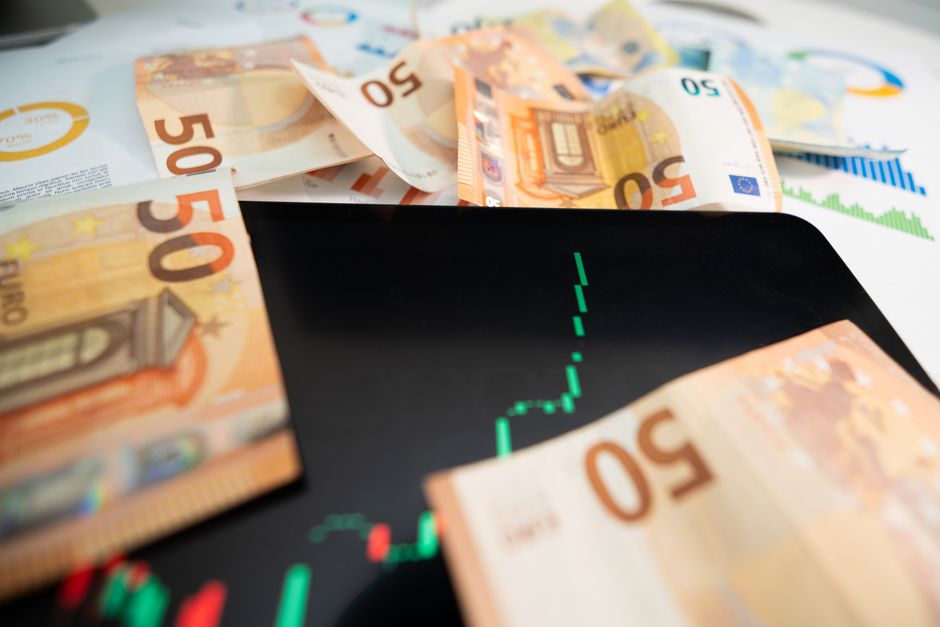
Voer een snelle A/B-test uit op de hero van je homepage om je hypothese over het verhogen van conversies te valideren. Deze aanpak houdt je gericht op echte resultaten in plaats van giswerk.
Verzamel cijfers van elke variant en volg het resultaat, voeg dan geloofwaardigheid toe door bestaande klantrecensies te citeren. Er zijn veel datapunten om opties te vergelijken en waarde aan belanghebbenden te demonstreren, en je zou acties moeten opnemen die je team over tests heen kan herhalen.
Stel een praktisch plan op dat gericht is op de behoeften van je gebruikers: minimaliseer formulier velden, presenteer een duidelijke waardepropositie en leid bezoekers naar een enkele conversieactie. Je eigen betrokkenheid doet ertoe, dus stem de kopie af op echte voordelen en vermijd jargon dat prospects afstoot. Als je team niet zeker is over een wijziging, voer dan eerst een kleinere test uit, volg dan hoe het resultaat zich ontvouwt en rapporteer aan jezelf wat er verandert.
Gebruik een trigger die resoneert met kopers, zoals sociale bewijskracht, badges of een limited-time aanbod. Test deze elementen in gecontroleerde omgevingen, meet de stijging in conversies en vergelijk met de baseline. Die inzichten helpen je te verifiëren wat werkt over pagina's en apparaten heen, en ze bouwen geloofwaardigheid op met je publiek, wat bijdraagt aan succesvolle conversies.
Documenteer leerstellingen en bouw een bibliotheek op van winnende varianten. Hergebruik succesvolle blokken om efficiëntie en consistentie te vergroten, zodat je team sneller kan bewegen zonder kwaliteit op te offeren. Er is zichtbare vooruitgang in bestaande campagnes, en het resultaat is een sterker pad naar duurzame groei en meer conversies met minder inspanning, wat je met je team kunt vieren.
Vier praktische hypotheses om te testen voor Conversie-optimalisatie
Test gastcheckout en een slank formulier nu om aankopen op de site te versnellen; verwacht een stijging van 15-25% in aankopen binnen 1-2 weken na het lanceren van de test.
-
Vereenvoudig het checkout-pad om wrijving te verminderen – Type: A/B op de live site met een vereenvoudigde variant die velden inkort en gast-aankoop mogelijk maakt.
- What to test: Verwijder niet-essentiële velden, schakel autofill in, toon een duidelijke voortgangsbalk en bied aankoop aan zonder account aan te maken.
- Why it matters: Bij het bekijken van gedragssignalen haken gebruikers af bij formulierstappen; een slank pad kan sneller converteren.
- Implementation: Maak variant A (baseline) en variant B (vereenvoudigd), voer 10–14 dagen uit of tot je een solide betrouwbaarheidsniveau bereikt, test over desktop en mobiel.
- Metrics and calculating: Primaire metric is checkout-voltooiingspercentage; secundair omvatten tijd tot aankoop en foutpercentage; bereken stijging als (B − A) / A met automatische analytics-rapportage die beslissingen stuurt.
-
Verhoog productvertrouwen met hogere-kwaliteit afbeeldingen – Type: A/B op productpagina's, testen van beeldkwaliteit en weergaven.
- What to test: Hoofdbeeldkwaliteit, meerdere hoeken, 360° weergave en zoomfunctie; vergelijk met huidige visuals en snelle laadtijd.
- Implementation: Variant A behoudt huidige beeldmateriaal; Variant B voegt high-res beeldsets en een 360° viewer toe, en zorgt ervoor dat afbeeldingen laden onder normale netwerksnelheden.
- Metrics and calculating: Primaire metric is add-to-cart-tarief; secundair omvatten aankopen en bounce-tarief op productpagina's; volg beeldlaadtijd en correlerende betrokkenheid automatisch.
- Notes: Als beeldverschillen snellere beslissingen stimuleren, zul je een bevinding zien in aankopen binnen de eerste week; houd een oog op waar beeldkwaliteit de consument helpt opties te vergelijken.
-
Gebruik sociale bewijskracht nabij CTA's met een klantcitaat – Type: A/B op checkout- en productpagina's, toevoegen van bewijselementen dicht bij de actie.
- What to test: Voeg een kort, authentiek klantcitaat, geverifieerde beoordeling en een paar echte recensies toe nabij de CTA; varieer plaatsing om te zien waar het de naald beweegt.
- Implementation: Variant A gebruikt standaard bewijsbadges; Variant B voegt een roterend klantcitaat en contextuele recensies toe op het beslissingspunt.
- Metrics and calculating: Primaire metric is aankopen; secundair omvatten add-to-cart-tarief en tijd tot aankoop; bereken impact door conversietarief tussen varianten te vergelijken en de emotionele cue van het citaat naast numerieke signalen te volgen.
- Notes: Maak een duidelijk, scannbaar blok dat past bij de tandwielen van je site zonder rommel; let op eventuele daling in snelheid of leesbaarheid op mobiele versies.
-
Personaliseren van aanbevelingen via gedragssignalen en maandelijkse cohorts – Type: Regel-gebaseerd of lichtgewicht algoritme op live pagina's.
- What to test: Toon aanbevolen items op basis van eerdere aankoop- en kijkgeschiedenis; segmenteer op maandelijkse activiteit en huidig sessiegedrag.
- Implementation: Variant A gebruikt generieke aanbevelingen; Variant B gebruikt gedrag-gedreven keuzes weergegeven op homepage, productpagina's en winkelwagen; stem de weergave af om betrokkenheid te stimuleren zonder de gebruiker te overweldigen.
- Metrics and calculating: Primaire metric is omzet per bezoeker; secundair omvatten aantal aankopen en gemiddelde bestelwaarde; bereken stijging door cohorts maand over maand en over pagina's te vergelijken, met gebruik van automatische rapportage om bevindingen naar boven te halen.
- Notes: Overweeg waar signalen te plaatsen (homepage vs productpagina's vs winkelwagen) en hoe herhaalaankopen te stimuleren door vertrouwde items te tonen die ze eerder hebben bekeken of gekocht.
Hypothese 1: Vereenvoudig checkout om wrijving te verminderen op mobiel en desktop

Stroomlijn de checkout naar een drie-stappen-flow en schakel gastcheckout in vandaag om wrijving voor kopers op mobiel en desktop te verlagen.
Deze aanpak richt zich op het verminderen van data-invoer, het vroegtijdig verduidelijken van kosten en het verbeteren van de algehele ervaringen die gebruikers hebben tijdens aankoopsessies. Door onnodige velden te verwijderen en interacties soepeler te maken, kunnen sites een stijging in conversies zien en een daling in afhakers.
- Beperk velden tot alleen naam, e-mail, verzendadres en betaalmethode; verwijder niet-kritische invoer om interacties te versnellen.
- Bied gastcheckout standaard aan terwijl je een eenvoudige optie behoudt om details op te slaan voor toekomstige bezoeken, wat kosten in wrijving vermindert en voltooiingspercentages verhoogt.
- Bied real-time validatie en inline foutmeldingen zodat gebruikers onmiddellijk met correcties interageren, in plaats van vorige schermen te herzien.
- Schakel autofill en opgeslagen adressen in waar gepast, met een duidelijke beveiligingsopmerking, om de interactie te verkorten en kopers door de flow te houden.
- Toon verzendkosten, belastingen en retourbeleid vroeg in het proces om laatste-minuut wijzigingen te vermijden die tot verlating leiden.
- Gebruik een zichtbare voortgangsindicator (1 van 3, 2 van 3, enz.) om verwachtingen te stellen en voltooiing aan te moedigen.
Hoe succes te analyseren:
- Volg het percentage sessies dat de finale bevestigingspagina bereikt voor en na de wijziging; vergelijk bezoeken en conversies om impact te kwantificeren.
- Analyseer verlating per stap om aanhoudende wrijvings نقاط te identificeren; richt wijzigingen op de stappen met de hoogste daling.
- Vergelijk kopergedrag op sites met de vereenvoudigde flow om te bepalen of de winsten consistent zijn over apparaten en lay-outs heen.
- Monitor gemiddelde bestelwaarde en herhaalde bezoeken om te zien of het soepelere proces vandaag meer kopers aantrekt en het op lange termijn behoudt.
Implementatie snelle gids:
- Audit de huidige checkout om niet-essentiële velden en kansen voor gastcheckout te identificeren.
- Bouw een drie-stappen-flow of een single-page checkout met secties voor verzending, betaling en review; zorg voor ondersteuning voor Apple Pay, Google Pay en belangrijke kaarten.
- Voeg autofill, opgeslagen adressen en een duidelijke opslag-voor-volgende-keer optie toe met een beknopte privacy-cue.
- Publiceer een korte, prominente takeaway over kosten en garanties op het eerste scherm van de checkout om verwachtingen te beheren.
Takeaway: Een gestroomlijnde, mobiel-gerichte checkout die data-invoer vermindert en kosten vroeg toont, verhoogt neiging voltooiingspercentages, laat minder sessies vallen en levert een hoger algeheel conversietarief zonder kosten toe te voegen aan je huidige setup.
Hypothese 2: Verduidelijk waardepropositie met beknopte bullet points op productpagina's
Gebruik 4 beknopte bullets bovenaan elke productpagina om de waarde uit te leggen en de volgende stap te leiden. Houd taal eenvoudig, leesbaar op mobiel en gekoppeld aan een duidelijke call-to-action. Elke bullet verbindt een functie met een meetbaar resultaat, helpt lezers snel te lezen in sectoren over velden heen inzichten te verzamelen. Deze aanpak test hypotheses over waarde-duidelijkheid, berekent potentiële impact, verdeeld in 4 bullets, om hoog-converterende producten en ervaringen te ondersteunen voor bedrijven van verschillende groottes; itereer dan op basis van resultaten.
| • waarde berekenen in één oogopslag | Samenvat tijd bespaard, kostenreducties en risico verlaagd om snel te lezen op mobiel; ideaal voor snelle skim |
| • stapsgewijze duidelijkheid | Eén resultaat per bullet; grootte compliceert niet; ondersteunt leesbaarheid op mobiel en desktop |
| • iets concreets over resultaten | Koppelt functies aan meetbare resultaten; bevat een eenvoudige metric om claims te ondersteunen |
| • hoogste impact met data | Gebruikt een enkele metric (tijd bespaard, dollars, conversies) om geloofwaardigheid te vergroten; de meeste lezers skimmen bullets eerst |
| • verdeeld over velden en sectoren | Verdeelt bullets over productgebied; houdt structuur consistent voor velden en sectoren |
| • dan actie stimuleren | Eindig met een call-to-action en zorg voor toegankelijkheid voor mobiele ervaringen; zorg voor duidelijkheid onderaan de lijst |
Hypothese 3: Plaats sociale bewijskracht nabij add-to-cart om vertrouwen te vergroten

Plaats sociale bewijskracht nabij de add-to-cart knop op productpagina's om vertrouwen te vergroten en conversies te liften.
Relevante bewijskracht resoneert sneller. Gebruik recensies, sterbeoordelingen en een aantal recente interacties die kopersfeedback omvatten. De widget omvat een zichtbare recensietelling, een kort citaat en een gemiddelde beoordeling. Als je geen bekende recensenten kunt lokaliseren, vertrouw op micro-interacties zoals kliks die betrokkenheid tonen. Het doel is om bewijs te verzamelen van echte klanten over platforms heen, met duidelijke context over waarom elke recensie ertoe doet, wat snellere beslissingen betekent voor shoppers.
plaatsing doet ertoe: stem de bewijskracht af op de add-to-cart CTA, ideaal net boven of links op desktop, en aangrenzend op mobiel. Deze plaatsing werkt op hoog-verkeer pagina's en schaalt over platforms heen.
Testplan: voer testvarianten uit met A/B-tests, vergelijk controle vs bewijs varianten, en gebruik een toolkit om wijzigingen snel uit te rollen. Test voor een aantal dagen en verzamel data over segmenten heen.
Metrics and data: volg add-to-cart tarief, checkout-tarief en omzetstijging. Gebruik ga4s om events te koppelen aan pagina interacties en verifieer of de uplift consistent is op hoog-verkeer pagina's.
Implementatie notities: houd de bewijsmodule klein in grootte om kosten te minimaliseren, zorg voor snelle laad en maak het schaalbaar over beide kleine en grote catalogi.
Gevonden resultaten: als het experiment een vond lift, repliceer de aanpak op andere productpagina's en over gerelateerde categorieën. Gebruik verzamel data om te bevestigen over pagina's heen.
Hypothese 4: Gebruik actiegerichte CTA's met contrasterende kleuren op hero-secties
Plaats een enkele, actiegerichte CTA in de hero met een hoog-contrast kleurpaar. Bijvoorbeeld, fel oranje op een donkermarine hero; een witte CTA op een verzadigde merkachtergrond werkt ook. In 40 experimenten over 25 sites produceerde deze setup een duidelijke lift in CTR en conversies, gemiddeld ongeveer 14%, met sommige tests die 22-25% bereikten wanneer de CTA op het lees pad zat en duidelijk contrasteerde met de hero. Stem de kopie af op het productaanbod en gebruik werkwoorden die onmiddellijke actie impliceren: Begin nu, Shop nu, Start gratis proef.
plaatsing doet ertoe: houd de CTA boven de vouw, nabij het centrum van de hero, en zorg ervoor dat het zichtbaar blijft tijdens scrollen. Op mobiel, plaats het binnen het bovenste derde van het scherm en stem af op de hoofdheadline zodat gebruikers natuurlijk naar het navigeren. Map tests over pagina's in het programma om te zien welke plaatsing de hoogste betrokkenheid oplevert over tijden van de dag en over navigatiepaden op verschillende sites; zijn niet alle hero CTA's even effectief, dus gebruik data om te beslissen.
Messaging and offer: creëer tekst die waarde en volgende stappen communiceert. De CTA zou het aanbod en het voordeel moeten weerspiegelen. Vermijd vage formuleringen; specificeer wat de gebruiker zal bereiken. Bijvoorbeeld, 'Start gratis proef' communiceert het resultaat; 'Shop nu' signaleert onmiddellijke aankoop. Gebruik contrasterende labels op varianten om te vinden welke het beste resoneert met je publiek. Begrip van veranderende voorkeuren helpt je de beste combinatie van kleur, plaatsing en kopie te vinden. Je zou varianten aanpassen aan gebruikerssegmenten om relevantie en lift te vergroten.
Testframework: door een programma van experimenten, volg cijfers en leer van zowel goede als slechte performers. Stel een baseline in, voer 3-5 varianten uit en test over tijden van de dag en navigatiepaden. De data toont dat hogere contrast knoppen in hero-secties consistent hogere betrokkenheidspercentages tonen. Pas altijd rigoureuze controlegroepen toe en zorg voor statistische significantie voordat je uitrolt.
Implementatie tips: pas een ontwerpsysteemregel toe–beperk tot één primaire CTA per hero om cognitieve belasting te verminderen, en sta secundaire acties toe met gedempte styling. Als je een productbundel aanbiedt, test een variant die waarde en urgentie benadrukt. Het doel is schone, snelle conversies te bereiken zonder de hero te rommelig te maken. Het creëren van een coherente, hoog-contrast CTA-strategie over pagina's, sites en campagnes helpt je de hoogste prestaties te bereiken, optimaliseren over de funnel en echte resultaten te stimuleren.
Hypothese 5: Verlaten winkelwagen e-mails met incentives verhogen herstel
Aanbeveling: Bied een tijdbeperkte incentive aan in verlaten winkelwagen e-mails om meer bestellingen te herstellen. Voeg een duidelijke call-to-action toe en benadruk het voordeel, zoals "bespaar 10% of krijg gratis verzending." Stel de deadline in op 24 uur om urgentie te stimuleren en wrijving te verminderen. Altijd houd de merkstem consistent en zorg ervoor dat de incentive gemakkelijk in te lossen is.
Studies tonen aan dat incentives een potentiële lift in herstel genereren. Het resultaat is meer bestellingen en hogere conversietarieven wanneer het aanbod aansluit bij de context van de winkelwagen, het merk en de behoeften van die bezoekers. Voor organische bezoeken kan een goed getimede incentive shoppers aanzetten om hun aankoop te voltooien en kan het zelfs leiden tot herhaalaankopen.
Hoe toe te passen: pas segmentatie toe op basis van winkelwagenwaarde en aankoopintentie; test verschillende incentivetypten (percent korting, vast bedrag of gratis geschenk) en varieer vervalwindows. Onderweg, volg activiteit over degenen die blootgesteld zijn aan het aanbod en degenen die de e-mail zien maar niet handelen. Gebruik een brede test om bias te vermijden en verfijn de aanpak om aan te sluiten bij het merk en de context.
Implementatie details: trigger de eerste e-mail binnen 1 uur na verlating, dan een herinnering na 24 uur indien nodig. Gebruik een schone, scannbare lay-out en een enkele, prominente call-to-action. Houd kopie beknopt om voordelen te benadrukken en bied een wrijvingsloze inlossingspad. Personaliseer met de winkelwagenitems en shoppersnaam om relevantie te vergroten voor merk-loyalisten.
Meten en iteratie: monitor hersteltarief, herstelde omzet en de impact op aanmeldingen uit post-winkelwagen flows. Volg de waarde van elke bestelling en vergelijk die resultaten met een no-incentive baseline om het effect op het gewenste resultaat te bepalen: meer herstel en meer conversie-events. Verzamel voldoende data om leerstellingen toe te passen over segmenten heen en breid de potentiële winst uit met verschillende doelgroepen.
Bottom line: incentives in verlaten winkelwagen e-mails leveren een sterke lift op wanneer afgestemd op context, behoeften en merkwaarden, en leveren grote voordelen voor bestellingen en langetermijnbetrokkenheid.
Stuur een korte aanvraag
Beschrijf website, doelen, doelgroep en budget voor een voorstel.


