E-mailmarketing voor beginners - Een complete gids van basisprincipes tot beste praktijken


Begin met een driedelige onboarding-sequentie die binnen de eerste week wordt geleverd, met gebruik van een toegewijde lijst om vroege betrokkenheid te vergroten. Deze concrete stap wekt nieuwsgierigheid op, onderneemt actie bij nieuwe lezers en verbetert leespercentages als onderdeel van een breder programma, terwijl je zorgt voor het stellen van verwachtingen over wat er komt, zonder abonnees te overweldigen.
Segmenteer je publiek in meerdere lijsten op basis van interesse, zoals productcategorieën, betrokkenheidsniveau of locatie. Deze op maat gemaakte aanpak maakt promotieberichten toegankelijker en gebruiksvriendelijker, waardoor leespercentages en klikpercentages toenemen.
Geef prioriteit aan toestemming en voorkeuren om een hoge bezorgbaarheid te behouden, uitschrijvingen te verminderen en de afzenderreputatie te verbeteren. Moedig lezers aan om hun voorkeuren bij te werken – dit betekent het vermijden van generieke blasts en het leveren van inhoud die aansluit bij nieuwsgierigheid en intentie, wat helpt om een persoon zich gezien te laten voelen.
Automatiseren van de workflow vermindert handmatig werk. Gebruik een editor om een welkomstbericht, een follow-up en een herbetrokkenheidssequentie te maken. Of je nu afhankelijk bent van een toegewijde platform of een eenvoudige, gebruiksvriendelijke workflow, automatisering bespaart tijd en helpt je team te schalen en consistentie te behouden.
In webwinkels met fysieke goederen, koppel welkomstberichten aan verzendupdates om de relevantie te vergroten. Dit voegt waarde toe, houdt lezers geïnformeerd en creëert een natuurlijk pad naar herhaalde aankopen; lezers voelen zich welkom en zijn eerder geneigd om te converteren.
Volg meerdere metrics: openingspercentage, klikpercentage, conversiepercentage en uitschrijvingspercentage. Gebruik deze signalen om actie te ondernemen – pas onderwerpregel aan, pas inhoud aan en verfijn de lijst. Regelmatige beoordelingen door de editor zorgen ervoor dat berichten toegankelijk, nieuwsgierigheid-gedreven en nuttig blijven; dit leidt tot verhoogde betrokkenheid op de lange termijn.
Lead nurturing e-mails: Praktische stappen voor beginners
Begin met een geautomatiseerde sequentie die wordt geactiveerd bij aanmelding: een beknopte welkomstnotitie, uitnodiging om een korte post of video te bekijken, en één duidelijke knop die de volgende actie leidt.
Segmenteer nieuwe leads in gefocuste lijsten op basis van interesse of gedrag; relevantie neemt toe wanneer inhoud aansluit bij het signaal dat hen binnenbracht.
Maak gebruik van personalisatie: voeg de naam van de lead in, verwijs naar recente aankopen en noem aankomende verjaardagen om een gepersonaliseerde nudge te leveren.
Behoud een gebalanceerd ritme: een wekelijks geautomatiseerd contact, een korte videotip en een herinnering aan evenementen of aanbiedingen; elk bericht bevat één enkele actieknop.
Gebruik een stabiel motief over berichten heen zodat het kanaal herkenbaar is; houd de copy strak, scanbaar en gemakkelijk te verteren.
Nodig de lead uit om deel te nemen via een live demo, webinar of lokaal evenement; volg gebruik en pas aanpassingen toe op frequentie op basis van betrokkenheid en budgetbeperkingen.
Geautomatiseerde triggers reageren op acties: als een lead een post opent, stuur een follow-up met een gepersonaliseerde aanbeveling; als ze hebben gekocht, werk het profiel bij om die aankoop te weerspiegelen en pas toekomstige verzendingen aan.
Meet en verfijn: monitor kliks, conversies en lijstgezondheid; snoei gekochte of inactieve leads om de pijplijn levend en relevant te houden.
Controleer kruislings met een bureau of interne team om de kwaliteit hoog te houden; zorg voor bezorgbaarheid met isp's en pas tempo en inhoud aan op basis van gedetailleerde data.
Het creëren van consistente contactpunten vermindert wrijving en houdt leads levend door de trechter heen.
Marketeers kunnen deze stappen toepassen over teams heen, automatiseren van overdrachten binnen het bureau of de interne groep.
Elk deel van de workflow moet worden gevolgd voor accountability en optimalisatie.
Wat zijn lead nurturing e-mails en wanneer inzet je ze?
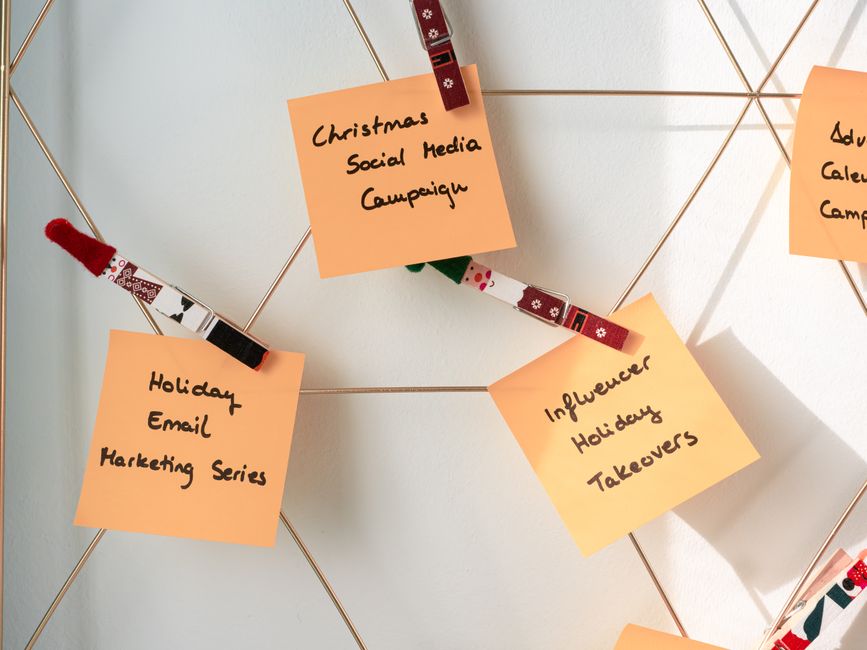
Begin met een vierstapsdrip-sequentie direct nadat een abonnee zich heeft aangemeld, meestal over 10–14 dagen, om vertrouwen op te bouwen en verwachtingen te stellen. Elk bericht behandelt een specifieke behoefte en duwt hen zachtjes naar een duidelijke propositie.
Ze zijn een op maat gemaakte set van hoogwaardige, geautomatiseerde berichten ontworpen om iemand naar actie te leiden. De inhoud behandelt veelvoorkomende vragen en demonstreert een relevant aanbod, waardoor elke ontvanger waarde ziet zonder druk te voelen. De aanpak wordt uitgelegd met een benoemd segment in gedachten (beginner, terugkerende klant) en blijft consistent gericht op een overtuigende reden om betrokken te blijven. Dit is een verantwoorde praktijk, met lettertypen en motief consistent gehouden voor een professioneel gevoel.
Inzettriggers omvatten aanmelding, paginabezoeken aan populaire items zoals bestsellers, toevoegingen aan winkelwagen en periodes van inactiviteit. Gebruik automatisering om berichten in een consistent ritme te leveren. Ze dienen meestal degenen die nieuw zijn op de lijst en moeten worden gepauzeerd tenzij ze zich uitschrijven of wanneer een ontvanger weigert. Als iemand vraagt om te stoppen, respecteer die voorkeur onmiddellijk.
Inhoudpraktijken: lever hoogwaardige waarde. Voeg een recensie of testimonial toe en presenteer een tijdelijke propositie. Houd het ontwerp toegankelijk met consistente lettertypen en een correct motief; voeg een sterke call-to-action toe die iemand uitnodigt om het aanbod te verkennen; dergelijke berichten kunnen een krachtige optie zijn voor degenen die meer willen leren zonder druk. Zorg er gewoon voor dat je de toon aanpast aan het benoemde segment en waarde levert alleen, geen afleiding. Handmatige interventies kunnen helpen wanneer nodig.
Metrics en optimalisatie: volg openingspercentage, klikdoorstroompercentage en conversies, plus uitschrijvingspercentage. Beoordeel resultaten wekelijks en voer kleine tests uit om onderwerpregels, CTA's en berichthoeken te vergelijken. Benoem tests op motief om bij te houden wat werkt. Deze praktijk helpt een herhaalbaar proces op te bouwen en schaalt naarmate het publiek groeit, waardoor abonnees consistent overtuigende inhoud ontvangen. Als een segment herhaaldelijk bepaalde berichten negeert, pas de propositie of timing dienovereenkomstig aan.
Hoe map je de klantreis voor nurture-campagnes

Begin met een vierstaps pad en, hoewel eenvoudig, wijs een toegewijde manager toe om elke stap te beheren; dit houdt berichten coherent, zorgt ervoor dat links werken en capture-punten je CRM voeden.
-
Definieer segmenten, capture data en stel verwachtingen
- Identificeer segmenten op basis van gedrag, locatie en intentie. Maak een capture-plan: bepaal velden om te verzamelen, sla signalen op in een gedeelde map die toegankelijk is voor het team en zorg ervoor dat data stroomt naar het account in je CRM. Stel verwachtingen voor reactietijden; dit maakt je team in staat om aligned te blijven over teams heen.
- Capture-punten op de website en formulieren; zorg voor voldoende context om berichten later aan te passen.
- Gebruik incentives om opt-ins en lopende interactie aan te moedigen.
-
Map touchpoints en triggers over kanalen heen
- Lijst touchpoints: websitepagina's, landingspagina's, productdemo-video en berichtkanalen. Definieer triggers (sitebezoek, linkklik, videoweergave) en map daar de volgende actie op om in beweging te blijven; zorg ervoor dat links traceerbaar en toegankelijk zijn en pas inhoud aan op locatie met verwachtingen.
- Bied prompts op relevante locaties op de site om actie te leiden en de gebruiker daar te houden.
-
Bouw een contentmap met assets en incentives
- Maak een contentmap voor elke stap: specificeer de exacte berichtstukken, beslis waar video, tekst of klikbare links te gebruiken; zorg ervoor dat alle assets in een enkele mapstructuur staan die toegankelijk is voor het team; koppel incentives aan de actie die je wilt (download, demo, trial) en zorg ervoor dat de link naar de juiste pagina op je website gaat.
- Houd wat je biedt duidelijk en concreet; zorg voor voldoende waarde om actie te stimuleren.
-
Regel eigenaarschap, taken en toegankelijke assets
- Wijs een manager toe, definieer taken en synchroniseer met het account; stel deadlines; zorg ervoor dat assets correct worden opgeslagen en toegankelijk zijn; documenteer wie wat doet en waar elke resource te vinden is.
- Gebruik een eenvoudige workflow om van de ene stap naar de volgende te gaan; volg voortgang in een gedeeld dashboard.
-
Meet impact en itereer
- Stel metrics in om impact te demonstreren (conversiepercentage, betrokkenheidsdiepte, tijd tot actie); voer tests uit op berichten, incentives en ritme; pas intussen aan op basis van wat de data toont; zorg ervoor dat je voldoende samples hebt voordat je beslist; gebruik inzichten om het pad te verfijnen en uitkomsten te verbeteren.
- Beoordeel maandelijks; update de map met nieuwe video of copy indien nodig.
Welke triggers en ritmes werken het beste voor beginners
Aanbeveling: zet een driedelige welkomstserie in die wordt geactiveerd bij aanmelding, geleverd binnen de eerste week, en ga dan over op een steady wekelijks ritme voor nieuwsbrieven. Houd berichten van hoge kwaliteit, gepersonaliseerd op lezersbehoeften en eenvoudig met één duidelijke CTA. Automatisering houdt kosten voorspelbaar terwijl je prestaties monitort en aanpast.
Gebruik deze triggers om vroege waarde te stimuleren: de welkomstserie bij aanmelding, onboarding na aanmelding en herinneringen voor acties zoals winkelwagenverlating of contentdownloads. Voor winkels, stuur 1–3 herinneringen binnen de eerste 24 uur na winkelwagenverlating; voor niet-winkel sites, activeer herinneringen wanneer een gebruiker een resource downloadt of zich aanmeldt voor een webinar. Deze aanpak helpt je betrokkenheidsrecords bij te houden en toekomstige berichten aan te passen via personalisatie.
Ritmepatronen die typisch goed werken: drie berichten in de eerste week, dan een wekelijks ritme. Als je lage openingspercentages ziet, strak onderwerpregels aan, test dagen en varieer verzendingen op tijdzone. Gebruik gamified elementen spaarzaam in onboarding om initiële betrokkenheid te stimuleren, zoals een voortgangsindicator of badge na de eerste interactie. Bouw gerichte tips op door lezersgedrag te analyseren en records van voorkeuren bij te houden om relevantie te verbeteren.
Hoe monitor en optimaliseer: volg open-, klik- en conversiegebeurtenissen in een gecentraliseerd dashboard. Houd logo's consistent en behoud online branding. Beoordeel feedback en segmenteer je lijsten op lezersinteresses om gerichte inhoud te leveren. Gebruik herinneringen om sluimerende abonnees terug te duwen naar activiteit; pas frequentie aan op basis van wat je records tonen over lezersvoorkeuren. Dit evoluerende proces betekent dat je waarschijnlijk het ritme elke 4–6 weken verfijnt naarmate je leert wat resoneert, met gebruik van personalisatie om aanbiedingen aan te passen. Er is waarde in kleine, frequente controles.
| Trigger | Ritme | Focus | KPI | Notities |
|---|---|---|---|---|
| Welkomstserie | Dag 0; Dag 2; Dag 5 | Waarde introduceren, verwachtingen stellen | Openingspercentage, CTR, tempo nieuwe abonnees | Houd het beknopt; voeg een duidelijke volgende stap toe |
| Onboarding na aanmelding | Binnen 3 dagen na aanmelding | Onboarding-inhoud leveren, behoeften verzamelen | Doorstuurpercentage, klikdoorstroom, voltooiing | Bied een hoogwaardige resource aan |
| Content/resource download | Trigger dan 1 follow-up na 3–5 dagen | Waarde leveren, personalisatie | Downloads, tijd-tot-download | Gebruik gerichte aanbevelingen |
| Winkelwagen/herinneringen | Herinneringen op 1u, 6u, 24u | Potentiële inkomsten herstellen | Verlatingspercentage, herstelde inkomsten | Alleen voor online winkels; houd branding consistent |
| Herbetrokkenheid | 30–60 dagen inactiviteit: 1–2 berichten | Interesse heraanwakkeren | Herbetrokkenheidspercentage, uitschrijvingspercentage | Bied nieuwe waarde met bijgewerkte behoeften |
Het maken van onderwerpregels en preheaders die opens stimuleren
Begin met een beknopte onderwerpregel (6–9 woorden) en een bijpassende preheader van 40–60 tekens die de belofte uitbreidt. Deze combinatie verbetert openingspercentages onmiddellijk en toont een duidelijk signaal aan lezers en spamfilters, waardoor bezorgbaarheid en bewustzijn rond promoties toenemen.
Gebruik vijf specifieke templates die consistent respons stimuleren: een op voordelen gerichte regel, een nieuwsgierigheidshaak, sociaal bewijs met een metric, een tijdelijke aanbieding en een personalisatiehint. Zet deze in met je voorkeursegmentatie en benut databasevelden zoals voornaam, locatie, recente actie. Dit gebruikt personalisatie om bewustzijn te verbeteren en zo opens te stimuleren.
Koppel onderwerpregels aan preheaders die de reden om te openen versterken: vermijd duplicatie van het bericht, houd de preheader onderscheidend en richt op 40–70 tekens. Maak het opvallend; noem een concreet voordeel zoals een videotip of een beperkte update. Als je een video opneemt, noteer het hier om nieuwsgierigheid te wekken en klikpercentages onmiddellijk te verhogen waar van toepassing. Plaats CTA's later in de body om acties te leiden.
Basis testing doet ertoe. Voer A/B-tests uit op onderwerpregels en preheaders met eenvoudige workflows in je campagnes. Reserveer een vijf-procent sample voor testing, schaal dan de winnende variant. Volg metrics zoals openingspercentage en klik-naar-open-percentage om verbetering te meten.
Respecteer regelgeving en toestemmingsvoorkeuren; behoud schone suppressielijsten; houd berichten accuraat en transparant. Monitor blogverwijzingen en brancheblogs om up-to-date te blijven; zorg voor duidelijke uitschrijvingsopties; vermijd misleidende beloften; houd een eenvoudige datahygiëneroutine in de database.
Verbetering tot gewoonte maken: beoordeel resultaten wekelijks, test nieuwe onderwerpregels en preheaders en observeer welke elementen de lift dreven. Gebruik deze inzichten om vijf nieuwe opties te verfijnen en je database bij te werken. Het resultaat: een hoger openingspercentage en sterkere bezorgbaarheid, een perfecte balans van relevantie en toestemming.
Succes meten: Belangrijke metrics en eenvoudige dashboards
Begin met één schoon dashboard dat conversies, aanmeldingstellingen en bereik per locatie en datum toont. Stel een basislijn in door twee weken te vergelijken met de vorige periode, breid dan uit naar een maandelijks overzicht om trends te onthullen. Voordat je uitbreidt, houd visuals scherp en getallen gemakkelijk te scannen.
Belangrijke metrics om te volgen omvatten conversies, aanmeldingspercentage, betrokkenheid, bereik en het tempo van transactieberichten. Resultaten verschijnen duidelijk in grafieken en tabellen. Registreer getallen dagelijks, wekelijks en maandelijks om seizoensverschuivingen zoals vakanties te observeren. Gewenste uitkomsten: verwachtingen stellen, verrassingen vermijden en optimalisatie informeren.
Maak visuals die signalen over kanalen heen verbinden: aanmeldingsfunnels, open-en-klik-paden en post-transactie betrokkenheid. Gebruik Google-bronnen en interne records om een enkel paneel te behouden. Kies twee lettertypen met hoge leesbaarheid en duidelijk contrast om dashboards in één oogopslag leesbaar te maken.
Tijdgebaseerde segmentatie toont hoe bereik en betrokkenheid verschuiven over vakanties, werkdagen versus weekends en apparaatcategorieën. Deze aanpak helpt professionals meer impact te bereiken terwijl ze zich houden aan privacyregels. Stel benchmarks in voor elk segment en monitor afwijkingen.
Houd je aan databeschermingsregels en voldoe aan privacy standaarden. Stel een dataretentieplan in, log records en back-up dashboards. Wanneer een metric stagneert, test veranderingen in aanmeldings prompts, tijden en contentblokken om momentum te herwinnen.
Deel resultaten met stakeholders die moeten handelen. Ontvang feedback van teams, annoteer visuals en houd verwachtingen aligned met bedrijfsdoelen. Door getallen te koppelen aan acties creëer je een pad naar hogere conversies en langdurige betrokkenheid, terwijl je voldoet aan richtlijnen en vertrouwen behoudt.
📚 Meer over E-mail & Advertenties
- ConvertKit De Complete Gids - Beheers E-mailmarketing &
- De Ultieme Gids voor E-mailmarketing - Strategieën, Tactieken en Beste Praktijken
- 8 Slechtste Praktijken voor E-mailmarketing Die Ervoor Zorgen Dat Niemand Je E-mails Leest
- 7 Geweldige E-mailmarketing Campagne Voorbeelden voor 2026 - Campagnes, Casestudies & Beste Praktijken
- E-mailmarketing Metrics 2026 - De Ultieme Gids voor ROI, Openingspercentages en Conversies
Ready to leverage AI for your business?
Book a free strategy call — no strings attached.


