Franchise SEO - De complete gids voor multi-location SEO voor franchises

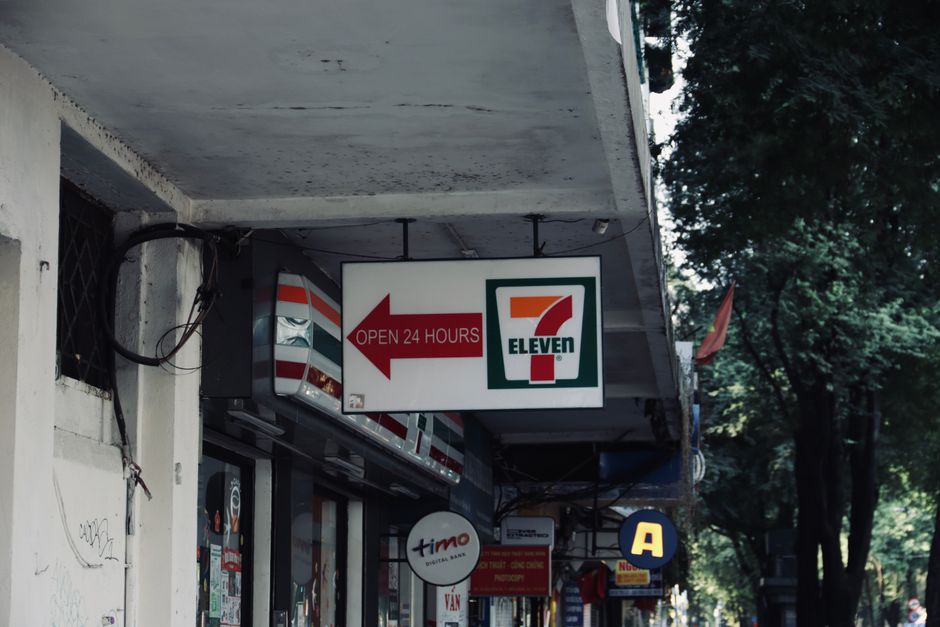
Begin met een concrete aanbeveling: claim en optimaliseer elk franchise-locatieprofiel voor franchises in de stad, zodat elke winkel zichtbaar is in lokale zoekopdrachten. Maak locatiegebaseerde landingspagina's voor zoekopdrachten op stadsniveau en behoud een enkel, consistent telefoon aanwezigheid. Align meta signalen op elke pagina om zoekmachines en gebruikers te leiden naar de meest relevante resultaten.
Zet een schaalbare structuur op die details samenbindt: consistent NAP over Google Business Profile en vermeldingen, een uniforme bedrijfs schema, en eenvoudige LocalBusiness schema op elke landing pagina. Deze structuur verhoogt vertrouwen en maakt locatiegebaseerde zoekopdrachten eenvoudiger te beantwoorden voor gebruikers in elke stad.
Ontwikkel samenwerkingen met lokale partners om geloofwaardige backlinks te verdienen van kamers van koophandel, universiteiten en regionale media. Deze geverifieerde vermeldingen versterken autoriteit en verbeteren de kansen dat lokale bedrijven uw franchises overwegen bij het zoeken naar diensten.
Definieer bedrijfsvoering en strategie: benoem een regionale SEO-eigenaar, publiceer een kwartaaltestplan en voer resultaten in een centrale dashboard. details zoals impressies, kliks, oproepen en conversies van elke landing pagina helpen verbeteren van prestaties. Gebruik meta titels en beschrijvingen om stadspecifieke diensten te weerspiegelen. Deze aanpak ondersteunt continue verbetering.
Pas beste praktijken toe voor locatiegebaseerde vermeldingen: optimaliseer meta-titels en -beschrijvingen met stad, dienst en merktermen; zorg ervoor dat telefoon nummers overeenkomen met het GBP-profiel; optimaliseer afbeeldingsalt-tekst en pagina-snelheid. Voer A/B tests uit op CTAs om te identificeren wat resoneert in de meest competitieve markten.
Met dit framework kunnen franchises lokale zichtbaarheid schalen, merkconsistentie behouden en meer aanvragen omzetten in klanten over meerdere locaties.
Analytics en Rapportage voor Multi-Locatie Franchise SEO

Zet een gecentraliseerde, locatiebewuste analytics dashboard op die gegevens consolideert van GA4, Search Console, GBP-inzichten en uw CMS, en plan maandelijkse rapportage naar alle franchisepartners.
De gids hieronder schetst hoe u een betrouwbaar systeem implementeert dat bruikbare inzichten levert voor elke locatie, optimaliseringsbeslissingen ondersteunt en uw gehele franchise aligned houdt.
- Gegevensbronnen om te integreren – trek van GA4 voor gebruikersgedrag, Search Console voor zoekopdrachten en prestaties, GBP/Maps-inzichten voor lokale zichtbaarheid, uw CMS voor locatiemetadata, en een CRM of belvolgtool voor offline conversies. Koppel deze bronnen zodat u gebeurtenissen, impressies en interacties over locaties kunt vergelijken.
- Locatieniveau-metrics – volg ranglijsten voor doelzoekopdrachten, blootstelling en impressies, kliks, click-through rate (CTR), en oproepen of richtingen van vermeldingen. Neem lokale pack aanwezigheid, beeldkwaliteit en meta-tekstprestaties op als indicatoren van optimalisaties die blootstelling stimuleren.
- Asset-prestaties – monitor afbeeldingsassets en meta-beschrijvingen per locatie. Beoordeel welke afbeeldingsformaten, alt-tekst en bijschriften hogere betrokkenheid opleveren, en welke meta-titels en -beschrijvingen ranglijsten verbeteren voor kernwoorden.
- Vermeldingen en links – auditeer partnervermeldingen en directoryplaatsingen op consistentie (NAP), categorie-alignment en actieve links. Controleer linkkwaliteit en de impact van updates op lokale ranglijsten en click-throughs.
- Kwaliteitscontroles – implementeer geautomatiseerde controles voor dubbele vermeldingen, inconsistente NAP, gebroken links en verouderde aanbiedingen. Plan kwartaalaudits en maandelijkse controles om gegevens schoon en geloofwaardig te houden.
- Dashboards en rapporten – creëer locatiegefilterde dashboards die prestaties over markten en ketens vergelijken. Bouw exporteerbare rapporten met uitvoerende samenvattingen, bruikbare inzichten en geprioriteerde aanbevelingen.
KPI's om te monitoren per locatie – ranglijsten voor kernlokale zoekwoorden, organische zichtbaarheid, totale blootstelling, zoekopdrachten die uw profielen activeren, kliks, conversies (online formulierinzendingen of telefoongesprekken), en winkelbezoeken als u ze meet. Voeg een meta- en beeldgezondheidsscore toe voor elke locatie om optimalisatiewerk te koppelen aan uitkomsten.
- Rang- en blootstellingscontroles – volg gemiddelde positie voor top 10 lokale zoekwoorden, monitor fluctuaties en attribueer wijzigingen aan specifieke optimalisaties (meta-updates, beeldverversingen of vermeldingsreparaties).
- Betrokkenheid en conversie – meet kliks, CTR, on-site betrokkenheid en offline conversies gekoppeld aan franchise-locaties. Gebruik toeschrijvingsvensters die typische klantreizen weerspiegelen voor elke markt.
- Vermeldingsgezondheid – verifieer NAP-consistentie, categorienauwkeurigheid en aanwezigheid in partnervermeldingen. Markeer ontbrekende of conflicterende gegevens voor snelle remedie.
- Asset-impact – correleer afbeeldings- en meta-updates met wijzigingen in impressies en kliks. Gebruik A/B-testing waar haalbaar om asset-verbeteringen te valideren.
- Operationele inzichten – capture acties van personeel die SEO beïnvloeden, zoals updates van uren, aanbiedingen of menu's, en koppel die wijzigingen aan prestatieveranderingen in dashboards.
Proces en rollen – definieer wie wat doet, met een duidelijke workflow die schaalt over locaties. Een typisch model:
- Personeel op elke locatie handelt gegevenshygiëne: bevestig NAP, update aanbiedingen, optimaliseer twee tot drie afbeeldingen en duw basis metadata-updates in de CMS.
- Regionale marketingleider aggregeert gegevens, beoordeelt dashboards en identificeert locaties die optimalisatie of diepere audits nodig hebben.
- Gegevensanalist ontwerpt dashboards, bouwt geautomatiseerde exports en creëert maandelijkse rapportagesjablonen met uitvoerende samenvattingen.
- Franchisepartner beoordeelt inzichten, keurt aanbevolen acties goed en keurt budget-aligned optimalisaties goed.
Aanbevolen workflow (gebaseerd op regelmatige cadans):
- Auditeer alle locatiedata op consistentie (NAP, categorieën, links) en ververs assets (meta-titels, beschrijvingen en beeldmateriaal).
- Trek locatieniveau-dashboards en valideer gegevensintegriteit tegen bronsystemen.
- Identificeer top-presterende en onderpresterende locaties; noteer concrete optimalisatiemogelijkheden.
- Publiceer een maandelijks rapportagepakket met een uitvoerende samenvatting, een locatie-voor-locatie snapshot en een geprioriteerde actielijst.
- Wijs eigenaren toe voor elke aanbevolen actie en volg voortgang tot voltooiing.
Voorbeeld rapportagestructuur – gebruik dit als sjabloon voor een locatiokaart in één oogopslag:
- Locatie: Stad, Staat
- Ranglijsten: gemiddelde positie voor kernlokale zoekopdrachten; rangwijzigingen vs vorige maand
- Blootstelling: totale impressies over kaarten en zoekopdrachten
- Zoekopdrachten: totale zoekopdrachten die de vermelding activeren
- Kliks: profiel- of sitekliks; CTR
- Gesprekken: oproepen of formulierinzendingen (met tijdstempels)
- Assets: afbeeldingsaantal; meta-score; meest betrokken afbeelding
- Vermeldingen: partnervermeldingen status; gebroken links gerepareerd
- Acties: geprioriteerde taken met eigenaren en vervaldatums
Om consistentie en snelheid te garanderen, behoud een enkele bron van waarheid voor locatiedata, gebruik gestandaardiseerde naamgeving voor dashboards en houd alle rapporten in een gedeelde map met versiegeschiedenis. Koppel elke inzicht aan een concrete actie: het updaten van een meta-veld, verversen van een afbeelding of corrigeren van een vermelding verbetert blootstelling en ranglijsten in de loop van de tijd.
Beoordeel inzichten regelmatig met belanghebbenden om budgetten en middelen te optimaliseren. Gebruik de controles om regressies te voorkomen en pas learnings van hoogpresterende locaties toe op anderen, waardoor winsten over het gehele franchise-netwerk worden uitgebreid. Deze aanpak drijft betere zichtbaarheid, versterkt partnervermeldingen en houdt personeel aligned rond een duidelijk, data-gedreven optimalisatiepad.
Definieer locatieniveau KPI's en doelen die aansluiten bij bedrijfsdoelen
Koppel elke locatieniveau KPI aan een bedrijfsdoel, wijs een personeels eigenaar toe voor de site en publiceer een duidelijk doel per locatie in een centraal plan dat accountability en samenwerking over teams drijft.
Trek data van bronnen zoals CRM, POS, e-mail analytics, Google Business Profile-inzichten en web analytics binnen de centrale dashboard. Normaliseer voor valuta, seizoensgebondenheid en lokale marktomstandigheden om ervoor te zorgen dat vergelijken betekenisvol en actionable zijn.
Basisdoelen op historische prestaties en lokaal potentieel, segmenteer dan locaties op capaciteit: hoog potentieel, kern en behoeft verbetering. Stel groeibanden in die bereikt kunnen worden met consultatieve acties van marketing en operations, en align incentives aan de vooruitgang binnen elke tier.
Definieer meetcadans die tijdige beslissingen mogelijk maakt: monitor lead-to-sale conversie wekelijks, omzet en brutomarge maandelijks, en volledigheid van klantprofielen kwartaallijks. Gebruik deze cadans om initiatieven aan te passen, uitgaven te optimaliseren en kruis-locatie samenwerkingen te versterken die best practices delen.
Voor SEO en asset management, wijs canonieke behandeling en titeloptimalisatie toe voor elke locatiepagina, zorg ervoor dat unieke inhoud en consistente branding. Volg profielen en canonieke signalen als onderdeel van een breder effort om audiences van lokale zoekopdrachten om te zetten in winkelbezoeken of online bestellingen. Deze aanpak align personeelsinspanningen, marketingconsultatie en gecentraliseerde rapportage, en ondersteunt het drijven van consistente uitkomsten over het netwerk.
| KPI | Definitie | Doel (Maandelijks tenzij genoteerd) | Gegevensbron | Eigenaar / Rol | Cadans | Notities |
|---|---|---|---|---|---|---|
| Locatie Omzet | Totale brutowinsten gegenereerd door de winkel | 8–12% YoY groei of beperkt door markt; tiered bands per locatie | POS, CRM, GBP-inzichten | Winkelmanager | Maandelijks | Gebruik centrale voorspelling om lokale aanbiedingen te kalibreren; koppel aan personeelsincentives. |
| Lead-to-Sale Conversie | % van lokale aanvragen omgezet in betalende klanten | 3–6% | CRM, belvolging, e-mail logs | Consultatie / Verkoopleider | Maandelijks | Verbeter met personeelsopleiding en snellere follow-up binnen 24 uur. |
| Lokale Zoekzichtbaarheid | Impressieaandeel en rang voor primaire lokale zoekwoorden | Top 3 lokale pack voor 80% van winkels | GBP-inzichten, Search Console | SEO/Marketing Specialist | Wekelijks | Coördineer met canonieke tags en titelupdates om kannibalisatie te vermijden. |
| Profiel Volledigheid | Percentage van vereiste velden ingevuld over GBP en lokale pagina's | 100% | Profielen audit tool | Personeel / Lokale Marketing | Maandelijks | Omvat e-mail, uren, diensten en foto's; ververs kwartaallijks. |
| Gemiddelde Bestelwaarde (AOV) | Gemiddelde waarde van elke bestelling van de locatie | +4–6% | POS, eCommerce systeem | Winkelmanager | Maandelijks | Cross-sell en up-sell via personeelsopleiding en gerichte aanbiedingen. |
| Klantbeoordelingen Score | Gemiddelde beoordeling over beoordelingsplatforms | 4.5+ overall | Beoordelingsplatforms | Personeel / Kwaliteitsleider | Wekelijks | Reageer binnen 24–48 uur; sluit negatieve feedback loops met follow-up. |
| E-mail Lijst Groei | Nieuwe abonnees gekoppeld aan de marketinginspanningen van de locatie | +100–200 per maand | E-mail platform, GBP | E-mail Marketing / Consultatie | Maandelijks | use in-winkel aanmeldingen, QR-codes en evenementcampagnes. |
| Voetverkeer / Winkelbezoeken | Aantal klanten dat de winkel bezoekt | +5–15% MoM afhankelijk van seizoen | Tellingsdata, loyaliteitsprogramma | Operations Manager | Wekelijks | Coördineer met lokale evenementen en partnerschappen om bezoeken te liften. |
Voortdurende optimalisatie en accountability over locaties vereist een duidelijke titel voor elke KPI-pagina, een uniek asset-plan voor locatiepagina's en lopende consultaties met het centrale team om doelen te verfijnen. Door profielen, audiences en e-mailinspanningen te koppelen aan concrete locatie-uitkomsten, versterkt de franchise unified prestaties terwijl lokale teams acties kunnen aanpassen binnen hun markten.
Zet een schaalbare analytics-architectuur op over locaties
Zet een gecentraliseerde analytics-laag op door data van alle locaties te aggregeren in een enkel datawarehouse en surface locatieniveau-dashboards voor rapportage over franchises.
Definieer eerst een basis meetplan met velden zoals location_id, location_name, kanaal en datum; standaardiseer gebeurtenissen zoals page_view, form_submit, phone_call en ecommerce_purchase, en attribueer elke gebeurtenis aan een campagne om de lead funnel nauwkeurig vast te leggen.
Trek data van de website, beoordelingen, afbeeldingsprestaties en sociale kanalen; koppel POS- en CRM-data om conversies en omzet per locatie vast te leggen, zodat u online activiteit kunt koppelen aan in-winkel uitkomsten.
Creëer een schaalbare data-pipeline (ETL/ELT) om data te reinigen, te dedupliceren en te verrijken; dwing data-kwaliteitscontroles af en wijs een data governance-rol toe, inclusief een regionale data-steward en een centrale analytics-leider, om consistentie te behouden terwijl u schaalt.
Bouw rapportage en dashboards die lokale context mengen met globale benchmarks: ranglijsten in zoekresultaten, verkeer per kanaal, zoekopdrachten, on-site conversies, gemiddelde bestelwaarde en aanbiedingsverlossingspercentages; enable self-serve toegang voor site-eigenaren en managers.
Voorbeeld: een 40-locatie franchise-netwerk implementeert consistente tagging en kruis-locatie rapportage; na 90 dagen zien ze een 12% lift in conversies en een 5-punts stijging in lokale ranglijsten, gedreven door duidelijkere toeschrijving en snellere iteratie.
Consultatiecadans doet ertoe: plan kwartaalconsultaties met marketing en operations om inzichten te vertalen naar site-optimalisaties, ad-targeting en aanbiedingstesten; align afbeeldingsgebruik en beoordelingsreacties met optimalisatie-inspanningen om waargenomen kwaliteit en click-through te boosten.
Operationele tips: zet locatiegebaseerde waarschuwingen op voor plotselinge dalingen in key metrics; creëer een eenvoudige lead funnel van sitebezoeken naar formulierinzendingen; volg aanbiedingsprestaties per locatie om resource-allocatie te optimaliseren en algehele prestaties over bedrijven te verbeteren.
Technische overwegingen: kies schaalbare opslag en verwerking, baseer uw architectuur op open standaarden en zorg ervoor dat privacy- en retentiebeleid op zijn plaats zijn; ontwerp voor onboarding van nieuwe locaties terwijl uw franchises groeien.
Volg lokale prestaties: ranglijsten, kaartenzichtbaarheid en citatiegezondheid per locatie
Zet een locatieniveau-dashboard op en begin elke week met het controleren van ranglijsten, kaartenzichtbaarheid en citatiegezondheid per locatie. Deze eenvoudige cadans levert snelle, actionable inzichten op en houdt verantwoordelijkheden in duidelijke, toewijsbare gebieden.
Definieer een baseline per gebied: capture huidige organische ranglijsten voor kernlokale zoekwoorden, verifieer map-pack aanwezigheid en auditeer citaties over kritische vermeldingen in top directories. Deze baseline leidt verbeteringen en helpt u prestaties tussen locaties te vergelijken, waardoor uitdagingen en kansen worden onthuld.
Voor ranglijsten, monitor organische posities voor doelgebied zoekwoorden, volg maand-tot-maand wijzigingen en markeer problemen die dalingen veroorzaken. Voor kaartenzichtbaarheid, zorg ervoor dat elke locatie verschijnt in Maps met de juiste naam, categorie, uren en branding; houd het profiel compleet en up-to-date. Voor citatiegezondheid, auditeer vermeldingen over grote directories, repareer inconsistenties in NAP, verwijder duplicaten en bevestig canonieke data zodat er geen cross-site conflicten zijn.
Om verbetering te drijven, pas aanpassing toe op elk locatieprofiel en websitepagina's. Gebruik verbeterde vermeldingen met accurate naam, adres, telefoon en uren, plus gelokaliseerde inhoud die meer zoekopdrachten ondersteunt. Deze aanpak maakt branding sterker en SEO-vriendelijk terwijl de gebruikerservaring consistent blijft, en biedt mogelijk een duidelijk pad voor het verbeteren van resultaten over het areanetwerk.
Cadans en rapportage: wijs een eigenaar toe per locatie, stel een maximale cadans in van wekelijkse controles en maandelijkse audits, en gebruik een eenvoudig rapportformaat dat winsten over ranglijsten, kaartenzichtbaarheid en citatiegezondheid benadrukt. Dit proces omvat lopende optimalisatie, en het volgen van verbeteringen in de loop van de tijd helpt bij het informeren van expansie of gebiedspecifieke aanbiedingen, waardoor u behoeften dekt over het gebied waarin u opereert. Deze cadans boost prestaties over meerdere locaties.
Ontwerp locatiespecifieke dashboards: welke metrics te tonen en hoe ze aan te passen
Bouw een per-locatie dashboard gericht op omzet, ranglijsten en Maps-zichtbaarheid als baseline, voeg dan locatiespecifieke metrics toe om hun behoeften aan te pakken. Deze focus helpt het team groeimogelijkheden in één oogopslag te zien en houdt uw strategie SEO-vriendelijk. Gebruik een schaalbare gegevensbron zodat dashboards aligned blijven terwijl u nieuwe locaties toevoegt.
Kernmetrics om te tonen voor elke locatie omvatten omzet per locatie, lokale ranglijsten voor kerntermen, Maps-impressies, kliks en richtingaandelen, plus telefoongesprekken en berichtvolume. Volg websitebezoeken, formulierinzendingen en leadkwaliteit, monitor dan post-aantallen en betrokkenheid om lokale inhoudsmomentum te meten. Neem klantbeoordelingsaantallen en sentiment op, meta-datagezondheid voor het Google Business Profile en consistentie van lokale citaties. Vergelijk seizoensgebondenheid en budgetimpact om ROI en groeipotentieel te begrijpen. Dit set houdt plannen gericht op groei terwijl het actionable blijft.
Pas dashboards aan per markt: stel verschillende drempels in per locatie en gebruik Chicago als concreet voorbeeld. In Chicago-markten, volg buurten met de sterkste vraag, observeer concurrentie-intensiteit en surface promoties die voetverkeer drijven. Bied een view die problemen snel benadrukt, met kleur-gecodeerde signalen voor omzet- of ranglijstdalingen en bottlenecks in postcadans. Het toevoegen van context van lokale evenementen of campagnes helpt teams sneller te reageren en momentum te behouden.
Stuw dit ontwerp door data over platforms te koppelen: trek data van analytics, Maps en meta-kanalen, plus traditionele kanalen en e-mailmetrics. Zorg ervoor dat de data gebaseerd is op consistente definities (ranglijsten, impressies, conversies) en dat het platform filtering per locatie ondersteunt. Gebruik tracking om inputs van verschillende platforms te alignen en data schoon te houden; dit houdt het dashboard SEO-vriendelijk en schaalbaar.
Gebruik de dashboards om beslissingen te drijven: heralloceer budget naar locaties met groeiende omzet of stijgende ranglijsten, en duw updates naar lokale teams via e-mail binnen een regelmatige cadans. Align de posts-strategie en meta-updates met wat de dashboards tonen, en documenteer problemen die snelle fixes vereisen. Het Chicago-winkelvoorbeeld demonstreert hoe een gefocust set van metrics snelle winsten in zichtbaarheid en omzet kan leveren, wat de aanpak valideert voor hun gehele bedrijfsnetwerk.
Automatiseer rapportageworkflows: planning, belanghebbenden en leveringskanalen
Centraliseer rapportage in een enkel geautomatiseerd workflow en plan data pulls van SEO-engines, beoordelingsplatforms en meta-feeds om hoogwaardige updates te leveren op een vaste cadans. Gebruik een enkel datamodel om consistentie over meerdere locaties en aanbiedingen te garanderen, en embed zoekwoorden, tags en meta-velden om downstream-analyse te empoweren. Deze basis houdt bewustzijn aligned en vermindert inconsistenties over units, creërend een schaalbaar framework dat moet werken over het franchise-netwerk.
Definieer cadansen die passen bij operationeel tempo: snelle dagelijkse controles voor operations-teams, een wekelijkse digest voor regionale leiders en een maandelijkse deep-dive voor de hoofdexecutive review. Plan rapporten om te draaien in lokale tijdzones, trigger alerts op ongebruikelijke spikes en roteer eigenaarschap onder teamleden om samenwerkingen te versterken. Houd de scope gefocust door irrelevante signalen uit te sluiten. Behoud versiebeheer zodat teams prestaties in de loop van de tijd kunnen vergelijken.
Map belanghebbenden en pas views aan hun behoeften aan: corporate marketing, regionale managers, franchisepartners en support-personeel. Lever rolgebaseerde dashboards plus een beknopte executive samenvatting die inzichten, trends en aanbevolen acties omvat. Neem een metadata-laag op die data tagt per locatie, industrie, aanbieding en doelsegmenten om benchmarking en samenwerkingen te ondersteunen. Heb regionale expertise om data te interpreteren en outputs te creëren die units helpen te handelen.
Kies leveringskanalen die passen bij hoe teams werken: live dashboards in uw BI-tool, geautomatiseerde e-mail drops, een beveiligd portaal en lichte alerts via Slack of Teams. Voeg hoogwaardige PDFs toe voor formele reviews en bied CSV-exports voor analisten die raw data nodig hebben. Gebruik meta-tags en consistente naamgeving om engines indexing en eenvoudige retrieval in audits te ondersteunen.
Dwing data-kwaliteit en governance af met geautomatiseerde controles: Zorg voor data-versheid, detecteer ontbrekende velden, reconcilieer zoekwoordranglijsten en verkeerssignalen, en verifieer beoordelingssentiment-indicatoren. Heb een retry-schema voor mislukte pulls en een audit log om learnings en continue verbetering te ondersteunen. Gebruik feedback loops om te leren van anomalieën en houd data-lineage duidelijk zodat belanghebbenden de cijfers vertrouwen.
Implementeer in fasen om risico te minimaliseren: pilot met één regio, verzamel feedback, schaal dan naar meerdere locaties. Bouw een bibliotheek van rapportagesjablonen en runbooks om packaging en levering te standaardiseren. Neem duidelijke guidance op over hoe wijzigingen in ranglijsten, aanbiedingen en betrokkenheidsmetrics te interpreteren, en align op naamconventies en tags om bevindingen te versnellen. Deze aanpak levert maximale alignment over aanbiedingen en drijft meetbare waarde.
📚 Meer over SEO & Digital Marketing
- On-Page SEO Checklist 2026 - Volledige Gids voor Hogere Ranglijsten
- Content Gap Analysis - De Volledige Gids voor het Vinden van Gaten in Uw Content en het Boosten van SEO-Ranglijsten
- Mobile SEO Best Practices voor 2026 - De Volledige Gids
- Een Volledige Gids voor Google's RankBrain Algorithm - Hoe Het Werkt en De SEO-Impact
- De Volledige Gids voor SEO voor Fabrikanten - Strategieën &
Stuur een korte aanvraag
Beschrijf website, doelen, doelgroep en budget voor een voorstel.


