New Coke - Een klassieke branding casestudy over een groot productveranderingsfalen


Aanbeveling: beheer verwachtingen met een gefaseerd, omkeerbaar plan. Het beheren van die gedurfde initiatief vereist signalen uit het veld tijdens de implementatie; daarom is het cruciaal dat wat wordt geïntroduceerd aansluit bij alles wat klanten waarderen. Op 23 april 1985 lanceerde Coca-Cola New Coke, en in juli keerde Coke Classic terug, wat bewijst dat consumentenfeedback een merk kan sturen terug naar zijn kernidentiteit.
Over de hele wereld toonde de New Coke-episode aan dat een verandering moet harmoniëren met rituelen en herinneringen, niet alleen met smaak. Het deel dat mensen koesteren ligt in identiteit en ervaring, niet alleen in de fles. Bedrijven vandaag kunnen leunen op creators en een influencer-netwerk om campagnes aan te passen aan lokale markten; op maat gemaakte inspanningen over print, broadcast en retail-touchpoints vertalen sentiment in actie. Dit initiatief toont aan dat real-time feedback beslissingen kan sturen en vertrouwen kan beschermen over kanalen heen. Feedback loops in real time helpen teams afgestemd te blijven op klantbehoeften.
Praktisch gezien, om een mislezing te vermijden, houd een deel van het portfolio stabiel terwijl je een gedurfde variant test in specifieke markten. Gebruik een kortlopende pilot met concrete metrics en een duidelijke uitweg; behoud een omkeerbare optie en vertaal learnings snel in actie. Zorg dat verpakking, messaging en in-store materialen zijn afgestemd zodat het anker-merk herkenbaar blijft over alle touchpoints, en documenteer bevindingen in print-rapporten voor de wereld.
Voor lezers is de les eenvoudig: verandering beheren vereist luisteren, aanpassen en opties bieden die de kernidentiteit van het merk respecteren. De New Coke-case is een implementatietijd-herinnering dat een gedurfde zet zonder brede afstemming kan terug slaan, maar met zorgvuldige management kan het een blauwdruk worden voor doordachte branding met accountability.
New Coke Case Overzicht: Tijdlijn, Signalen, Uitkomsten
Aanbeveling: voer een hands-on, beperkt geografisch test uit naast het huidige aanbod en zorg dat data binnenstroomt van proeverijen, retailpartners en hun consumentenpanels voordat een grootschalige uitrol plaatsvindt, om authenticiteit te beschermen en een parallel Coke Classic-pad te behouden.
Tijdlijn en signalen: Het begint met benchmarks die over decennia zijn verfijnd. Begin 1985 richtte de formulering zich op het uitbreiden van aantrekkingskracht met een zoetere profiel dat aansloot bij veranderende smaken over de eeuw. De nationale uitrol begon in april 1985; signalen stroomden binnen van winkels en distributeurs die initiële volumegroei toonden, maar verdeeldheid tussen nieuwe kopers en langdurige fans werd evident. Verpakkingsveranderingen en een gedurfde marketingpush verstevigden een verfrist imago, terwijl het leiderschap geloofde in het optimisme. Hun hands-on teams coördineerden met partner bottelaars om te monitoren wat er op planken beweegt en wat klanten zeggen in veldnotities.
Uitkomsten: Kortetermijnmetrics toonden een lift in de eerste weken, maar consumentensentiment verslechterde toen de backlash groeide. Momenten van backlash werden versterkt in media, wat een strategische pauze dwong. In juli 1985 keerde Coca-Cola Classic terug, gepositioneerd als het eren van erfgoed en het versterken van vertrouwen met kernconsumenten. Tegen de herfst droegen planken beide producten, en het merk herkalibreerde rond twee pijlers: betrouwbaarheid en authenticiteit. De episode vestigde de les dat een verschil in smaak minder riskant is dan een verschil in perceptie, en het herinnerde leiders eraan dat langetermijnwaarde rust op consistente, authentieke storytelling over een eeuw merkgeschiedenis.
Wat dit betekent voor merken die een grote verandering facing: begint met een duidelijk plan dat het kernaanbod behoudt en een hands-on, partner-gedreven proces gebruikt. Stel expliciete benchmarks in en breid testing uit naar nieuwe markten alleen na bevestiging van wat voorkeur drijft door directe feedback. Houd verpakkingsignalen afgestemd op de gekozen pijlers – authenticiteit, vertrouwdheid en betrouwbaarheid. Behandel de ervaring als een over een eeuw overspannend merkgesprek, leunend op sterktes opgebouwd over decennia terwijl je leert van de verdeeldheden die opdoken. Gebruik wat je leerde uit deze case om je eigen marges te beschermen, een breuk in consumentenvertrouwen te vermijden, en snel te reageren wanneer data binnenstroomt dat het verschil tussen perceptie en realiteit een rebound riskeert.
Rationale Achter de Verandering: Marktsignalen en Strategische Doelen
Aanbeveling: behoud Classic Coke in kernmarkten en piloteer een gereformuleerde variant in grote stedelijke supermarkten met gebottelde verpakking, lanceer tijdige en data-gedreven uitbreidingen gebaseerd op smaakpanels en shopper feedback.
Marktsignalen tonen een genuanceerd beeld. In Londense en Indiase segmenten gaven testers de voorkeur aan een premium, gladder profiel dat aansluit bij inheemse smaakcue's, terwijl mainstream kanalen reageren op tastbare waarde. Deze signalen kwamen naar voren uit gecontroleerde proeverijen, point-of-sale data en retailer feedback van betrokken winkelteams; duimen van testers bevestigden interesse maar benadrukten ook de noodzaak voor kalibratie.
Strategische doelen rusten op vier pijlers: loyaliteitsbescherming, gecontroleerde vervanging, schaalbare distributie, en een verpakkingsstrategie ontworpen om op te vallen op planken. Het idee is om de oude formule geleidelijk te vervangen waar de markt ontvankelijkheid toont, en dit plan plaatst premium aanbod in de plaats van standaard lijnen, gesteund door loyaliteitsdata en een robuuste supply chain. Gegeven deze dynamieken is het doel om wereldwijd te winnen, inheemse loyaliteit te behouden, en groei terug te winnen met een overtuigende, tijdige aanpak die de magie van het merk behoudt.
Smaaktest-Valstrikken: Hoe Sampling de Beslissing Vormde
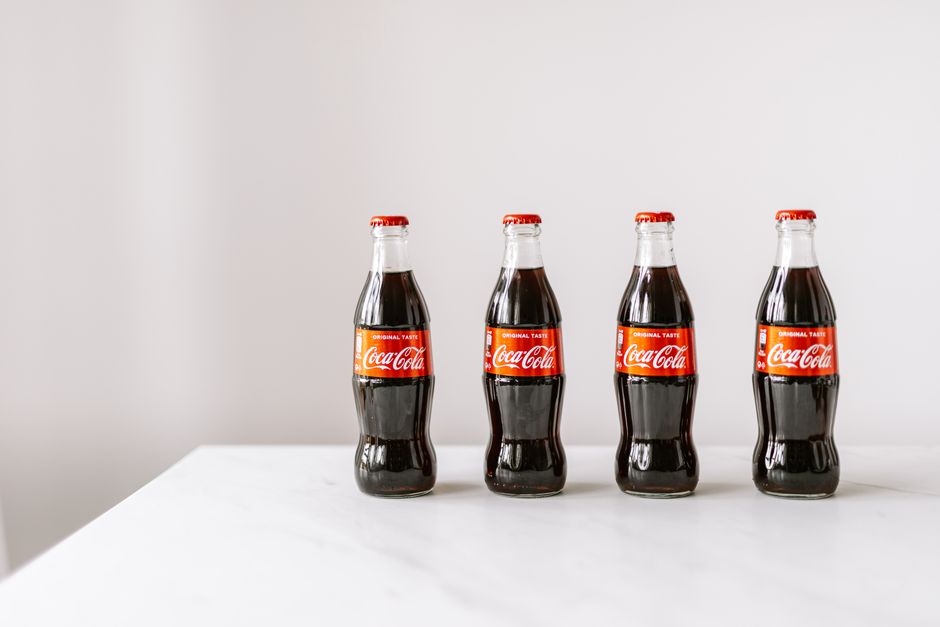
Voer blinde smaaktesten uit met een gebalanceerd panel en analyseer resultaten per doelsegment voordat je een formulewijziging opschaalt.
-
Sampling bias en panel representativiteit
Bias treedt op wanneer testers een smal profiel weerspiegelen – stedelijke klanten, frequente sodakopers, of rekruten van een enkel platform. In een klassiek geval duwde deze scheefheid zoetheid hoogtes die niet weerspiegelden tradities gewaardeerd door kleine-stad-klanten, riskerend een mislezing van wat langetermijn zou verkopen.
- Aanbeveling: bouw een gestratificeerd panel van minstens 1.200 deelnemers over 12 markten, inclusief Londen, plattelandsdorpen en suburbane gebieden; balanceer op leeftijd, inkomen en koopgelegenheden; voer meerdere rondes uit op verschillende dagen om tijd-van-de-dag-effecten tegen te gaan; gebruik willekeurige volgorde en dubbel-blinde labeling; verzamel zowel numerieke beoordelingen als open-ended feedback in de taal van de klanten.
- Volg platform-effecten door in-store proeverijen te vergelijken met online panels om te identificeren waar het platform voorkeuren verschuift en pas rekrutering dienovereenkomstig aan.
-
Context bias: smaak testen in isolatie vs echt koopgedrag
Smaaktests vinden plaats in gecontroleerde contexten, vaak ontdaan van verpakking, prijs-cue's en merkverhalen die klanten gebruiken bij het beslissen om te kopen. Dit kan waargenomen liking opblazen of dempen en misalignen met wat doelklanten echt willen in een campagne.
- Aanbeveling: voer parallelle tests uit met neutrale labeling en met authentieke copy uit de campagne om te onthullen hoe taal en presentatie oordeel beïnvloeden; vergelijk resultaten over doelgroepen, zoals taalgemeenschappen en regionale tradities, om variërende voorkeuren te respecteren.
- Voeg een klein, echt verkoopscenario toe – een plank of kar-display – om te observeren hoe het product presteert wanneer de klant het platform, copy en prijs samen ziet.
-
Feedback taal en copy bias
Open notities onthullen hoe de taal gebruikt op labels en in campagnes perceptie vormt. Als testers reageren op woorden als “nieuw,” “origineel,” of suikerniveaus in plaats van smaak alleen, leunt de beslissing op copy in plaats van gehemelte.
- Aanbeveling: test meerdere copy varianten en neutrale verpakking om smaak te isoleren van messaging; verzamel feedback in meerdere talen of dialecten om nuances naar boven te brengen en misinterpretatie te vermijden; volg wat testers zeggen over wat aantrekkelijk is en wat verwarrend.
- Gebruik een partnerfirma om feedback te vertalen in een consistente, actionable taalmap voor het productteam en campagnes.
-
Kortetermijnfocus vs langetermijnintentie
Smaaktests negeren vaak de koopreis: trial, herhaalaankoop en mond-tot-mond. Een single-session winst vertaalt zich mogelijk niet in sustained selling en campagne momentum.
- Aanbeveling: breid testing uit naar herhaalsituaties over meerdere weken; meet niet alleen goedkeuringsbeoordelingen maar intentie om te kopen, herkoopkans en bereidheid om een huidig merk te ruilen voor het nieuwe product in een echte setting.
- Koppel smaakresultaten aan een mini-longitudinale studie over kanalen om te peilen hoe lanceringstijd, pricing en promotie cadence opname beïnvloeden.
-
Voorwaardenvariabiliteit en serveercontext
Serveertemperatuur, glaswerk, zoetheidkalibratie en zelfs slokgrootte kunnen reacties verschuiven. Inconsistente condities blazen ruis op en verbergen echte smaak signaal.
- Aanbeveling: standaardiseer serveerprotocollen, maar voer een klein sub-set van tests uit met variërende condities om gevoeligheid te kwantificeren; documenteer serveertijd, temperatuur en serveervaartuig in elke ronde.
- Betrek kleinschalige campagnes om te verifiëren dat de smaak aantrekkelijk blijft bij het betreden van echte verkoopomgevingen en op partnerplatforms.
-
Decision-making gaps: overreliance op smaakscores
Koks in de data kunnen hoge smaakscores prioriteren boven strategische fit met productlijn, prijs positionering of culturele resonantie. Dit kan een campagne ontsporen die moet harmoniëren met merktaal en tradities terwijl het nog krachtig is.
- Aanbeveling: trianguleer smaakscores met marktindicatoren – prijs tolerantie, distributie readiness en cross-segment aantrekkingskracht; betrek marketingpartners vroeg om smaak af te stemmen op doelcampagnes en platformstrategie.
- Gebruik een gestructureerd beslissingsframework dat sensorische data, merkafstemming en verkooppotentieel over kanalen en partnernetwerken weegt.
-
Insights in actie brengen: praktische stappen
- Moet een cross-functionele stuurgroep opzetten (product, taalteams, campagnes, sales partners) om sampling resultaten te beoordelen en ze te vertalen in een coherent go/no-go plan.
- Moet meerdere, kleine, gecontroleerde trials uitvoeren voordat een grootschalige reformulering; gebruik kleine iteraties om risico te minimaliseren en tradities te behouden terwijl je verbeteringen nastreeft.
- Moet veranderingen in copy, labeling en verpakking documenteren getest naast smaakresultaten om te begrijpen hoe targeting en messaging verkoopuitkomsten beïnvloeden.
- Tijd-gebonden, transparante mijlpalen: definieer succesmetrics voor smaak, taalhelderheid en marktreadiness binnen een 6–8 week venster voor elke iteratie.
- Respecteer platformverschillen en pas het finale product en copy aan op de taal en culturele nuance van elke markt, zodat campagnes lokaal aanvoelen terwijl een consistente merkstem behouden wordt.
Door panel-valstrikken te vermijden en smaakbeslissingen te gronden in representatieve sampling, taal-gedreven feedback en echte verkoop signaal, kunnen teams tradities beter balanceren met evoluerende voorkeuren – een product creërend dat zowel vertrouwd aanvoelt als in staat is de krachtige verhaal van het merk te versterken.
Dynamiek van Consumentenbacklash: Loyaliteit, Perceptie en Merk equity
Handel snel met lokalisatie-gedreven communicatie die de rationale uitlegt en de kernidentiteit behoudt. Positioneer het bestaande publiek: behoud de kernformule terwijl je een beperkt, innovatief extension test om nieuwsgierige segmenten te voldoen.
Backlash dynamieken draaien om loyaliteit, perceptie en merk equity. Emoties gekoppeld aan de productervaring beïnvloeden koopvoorkeuren; daarom moet communicatie beknopt en transparant zijn. Creëer storytelling die waarden koppelt aan dagelijks gebruik, en zet influencer stemmen in over een platform mix om zowel traditionele als digitale doelgroepen te bereiken.
Map voorkeuren in markten zoals Australië om over-gelokaliseerde signalen te vermijden. Gebruik micro-campagnes die traditionele media mengen met digitale touchpoints. Een gesegmenteerde aanpak houdt de kernprijs en positionering gepositioneerd voor langetermijnretentie.
| Voorbeelden | Acties | Impact | Notities |
| Piek na een grote zet | Geef een korte uitlegvideo uit, benadruk lokalisatie, bied een omkeerbare optie | Stabiliseert sentiment, behoudt loyaliteit | Houd berichten beknopt en vermijd polariserende taal |
| Lokalisatie misalignement in een markt | Pas taal, culturele referenties en verpakking aan; test snel | Verbeterde receptie, verhoogde relevantie | Gebruik micro testing om risico te beperken |
| Influencer-led storytelling om het product te reframen | Partner met vertrouwde creators, deel authentieke gebruiksverhalen | Verbeterd vertrouwen, sterkere emotionele connecties | Kies platform-afgestemde creators |
| Test van nieuwe productvariant | Voer een gecontroleerde zet uit in geselecteerde markten; meet voorkeuren en retentie | Data-gedreven beslissingen, behoud kernklanten | Beperk blootstelling, vermijd brede disruptie |
Hilltop Ad Analyse: De Rol van de Campagne in Publieke Perceptie
Lanceer een universeel, mens-vooruit message over materialen inclusief TV, radio, print en in-store assets. Gebruik een eerste versie ontworpen om beheerbaar en snel aan te passen door partner netwerken; stem af met retailers om appeals afgestemd te houden en resonantie hoog vanaf dag één.
De Hilltop ad leverde snel resonantie door een universeel, uplifting message te presenteren. Het bereikte meer dan een miljoen huishoudens over kanalen, en in supermarkten versterkten de campagne-materialen, inclusief in-store displays, de toon en moedigden engagement aan. Het cokemoji icoon verscheen in latere assets en hielp terug te keren in dagelijkse routines, wordend een eenvoudig symbool voor bestaande klanten en nieuwe shoppers alike. Een campagne vlag keerde terug in de markt met verfriste verpakking, demonstrerend hoe een verfrist element consumentengesprekken kan herintroduceren. Assets waren ontworpen om geautomatiseerd te zijn over een keten van retailers en partner netwerken, de cadans gericht houdend op consistente appeals terwijl de evolutie van visuals door media wateren bewoog naar een gedeeld gevoel van optimisme.
Pas Hilltop insights toe op een product-verandering scenario door een enkel, universeel versie te leveren dat menselijke connectie centreert. Voorbeelden uit de Hilltop campagne tonen hoe een eenvoudige lijn en hoopvolle imagery resonantie bouwde over bestaande klanten en nieuwe shoppers. Distribueer de kernmaterialen, inclusief in-store assets, door de keten en supermarkten met consistente visuals; collaboreer met een partner netwerk om messaging afgestemd te houden en geautomatiseerde uitrol te versnellen, een gerichte set van appeals behoudend. Begin met de eerste versie in een paar markten, breid dan uit, pas appeals aan op basis van real-time feedback. Volg sentiment, sales en store-level engagement, en verfijn elementen voordat je de asset bibliotheek verbreedt. Gebruik data om de creatieve te evolueren, ervoor zorgend dat het narratief bemoedigend en authentiek blijft terwijl merkidentiteit behouden wordt.
Recovery Playbook: Terugkeren naar Classic Coke en Vertrouwen Herwinnen

Aanbeveling: Herintroduceer Classic Coke met een transparant, data-gedreven comeback plan dat nostalgie koppelt aan huidige consumentenwaarden. Lanceer als een beperkte herlancering over grote markten, gepaard met duidelijke messaging en een meetbare feedback loop.
We introduceerden een beperkte heruitgave vorige kwartaal om logistiek en sentiment te testen; de respons leidde het volledige plan.
- Product en timing: Breng de originele formule terug in een gecontroleerde herlancering over grote markten. Stel een 8–12 week venster in om eetlust te beoordelen en productie dienovereenkomstig aan te passen; bereid een backup plan voor als supply constraints verschijnen.
- Messaging en feel-good storytelling: Centreer op universele momenten van connectie, familie en gedeeld verfrissing. Gebruik eenvoudige taal en een upbeat toon om erfgoed te versterken zonder vermoeidheid of culturele verdeeldheden te creëren.
- Kanaal mix: Activeer instagram en cafes, print ads en een digitaal hub. Gebruik tags die participatie uitnodigen en cohesieve cue's creëren rond drinkit momenten om mond-tot-mond erkenning te versterken.
- Productervaring en verpakking: Stem verpakking af op klassieke cue's om herkenning te triggeren. Overweeg een limited-edition flesvorm of label om authenticiteit te versterken en verwarring met andere varianten te verminderen.
- Meten en benchmarks: Stel benchmarks in voor merkvertrouwen, koopintentie en share of voice; volg wekelijks sentiment en NPS; rapporteer resultaten aan stakeholders en pas dienovereenkomstig aan.
- Cultuur en sensitiviteit: Bouw de campagne rond culturele gesprekken om verdeeldheden te minimaliseren; partner met cafes voor proeverijen die diverse gemeenschappen weerspiegelen; voeg educatieve content toe over proeven en geschiedenis om mispercepties te stoppen.
- Investering en langetermijnplan: Alloceer investering aan sensorische testing, supply chain veerkracht en consumentenonderzoek; communiceer een decennium-lang commitment aan universele aantrekkingskracht en kwaliteit; benadruk de stake in klantloyaliteit en groei.
- Operationele readiness: Stel een cross-functioneel team in dat zich aanpast aan feedback; implementeer een wekelijks ritme om sociale signalen, sales data en productie te beoordelen; pas processen aan om afgestemd te blijven op consumentenverwachtingen dienovereenkomstig.
Ready to leverage AI for your business?
Book a free strategy call — no strings attached.


