Productontwikkelingsproces - 6 fasen met voorbeelden uit de praktijk


Aanbeveling: Definieer het probleem en een meetbare succesmetriek voordat je de eerste regel code aanraakt. nodig om af te stemmen met de productmanager en verwachtingen te stellen voor de ontwikkeling vandaag. Het pad van idee naar product wordt duidelijker, en het hele team kan met vertrouwen plannen. zal toestaan dat je herwerk vermijdt, en terwijl je vroegtijdige feedback verzamelt, houd je de backlog strak. organiseren van afstemming over stakeholders helpt, daarom blijft deze inspanning gericht op de weg naar succes vandaag.
Het proces begint met ontdekking, waar we het probleem valideren, gebruikersbehoeften in kaart brengen en een minimaal levensvatbaar plan schetsen voor de applicatie. Terwijl teams gebruikers interviewen en data beoordelen, organiseer je snelle experimenten die sleutelvragen beantwoorden, en daarom blijf je gericht op de weg naar een bruikbaar product. Houd het team klaar door beslissingen te documenteren in een levende backlog en met hulp van lichte dashboards te werken. De data zal beslissingen informeren voor deze functies en backlog-items leiden.
Over de zes fasen – ontdekking, definiëren, ontwerpen, ontwikkelen, valideren en lanceren – handhaven teams een scherp ritme. Voor een real-world applicatie in consumentfintech of SaaS, volg concrete uitkomsten zoals activeringspercentage, dagelijkse actieve gebruikers na week 1 en inkomsten per gebruiker. Gebruik gereed acceptatiecriteria en een minimaal bereik om scope creep te vermijden, en begin elke cyclus met een kleine increment die waarde demonstreert. Met hulp van data-gedreven reviews kun je het plan snel aanpassen en afgestemd blijven met de bedrijfsdoelen.
Actiegerichte stappen die je vandaag kunt implementeren: stel een lichte backlog samen en benoem een gereed productmanager indien nodig, creëer dashboards om alle metrics naar boven te brengen, voer een wekelijkse demo uit en koppel elke increment aan een klantuitkomst. Gebruik real-world voorbeeld voorbeelden om te illustreren hoe teams de time-to-market met 20–40% verbeterden toen ze organiseerden cross-functionele reviews met hulp van duidelijke metrics. Plan een cyclus van twee weken, houd een eenvoudige risicolog bij en documenteer beslissingen zodat het team vandaag snel kan bewegen zonder kwaliteit op te offeren.
Tot slot, bereid de lancering voor door gereede code, een ondersteuningsplan en een post-lancering feedbacklus te zorgen. Deze aanpak zal toestaan dat je snel leert, de roadmap aanpast en consistente waarde levert, terwijl je gericht blijft op het product en zijn gebruikers. Met deze structuur kan je team ideeën vertalen naar een real-world product en vooruitgang meten met transparante, actiegerichte data.
Probleemframing: Definieer de Gebruikersbehoefte en Gewenste Uitkomst
Frame één duidelijke gebruikersbehoefte voor je publiek en de ene meetbare uitkomst die elke ontwikkelingsbeslissing moet nastreven. Dit scherpe startpunt houdt ideeën gefocust, leidt productcreatie en voorkomt het vermengen van niet-gerelateerde problemen in marketing, ontwikkeling en productteams.
- Formuleer een duidelijke eenzinnen-gebruikersbehoefte en zijn ene uitkomst. Neem de publiek context op, de taak die ze willen voltooien, en de waarde die de uitkomst levert aan het bedrijf. Deze formulering helpt te weten hoe succes eruitziet voor gebruikers en voor het bedrijf (succes).
- Vertaal de uitkomst naar concrete metrics. Koppel signalen aan productgebruik en marketing doelen: activering, time-to-value, taakvoltooiingspercentage, retentie en inkomstenimpact. Zorg ervoor dat de metrics tonen hoe de oplossing de publiek ervaring en zakelijke resultaten verbetert.
- Ontwikkel 3–5 hypotheses die de gebruikersbehoefte verbinden met specifieke, testbare ideeën. Elke hypothese moet linken aan een meetbare uitkomst en aangeven hoe je ideeën zult gebruiken in ontwikkelingen om levensvatbare waarde te valideren. Vermijd het mengen van ideeën met functies; houd vragen gericht op gebruikersimpact.
- Identificeer veelvoorkomende fouten in probleemframing en hoe ze te voorkomen. Voorbeelden: het verwarren van productwensenlijst met gebruikersbehoefte, negeren van marketing- of datasignalen, of succes definiëren door outputs in plaats van uitkomsten. Stel richtlijnen in die duidelijke grenzen benadrukken voor ontwikkeling en publiek.
- Plan snelle experimenten om hypotheses te valideren. Gebruik minimaal levensvatbare creaties (MVPs), lichte prototypes of kleine pilots met één publiek. Volg impact tegen de gedefinieerde metrics en itereer snel om het gebruik van feedback en leren te versnellen.
- Documenteer en verspreid de frame. Creëer een beknopte probleemframe die de gebruikersbehoefte beschrijft, de ene gewenste uitkomst, de succesmetrics en de hypotheses. Verspreid het tussen het bedrijf – product, ontwikkeling, marketing – en zorg ervoor dat elke verdere activiteit afstemt met de framing en kostbare fouten voorkomt.
Snelle Marktsignalen: Snelle Concurrentiescan en Klantfeedback
Aanbeveling: voer een 48-uurs sprint uit om signalen te verzamelen van vijf directe concurrenten en dertig klanten over drie kanalen, en vertaal bevindingen naar een compact actieplan. Deze sprint rust op de basis van snelle signalen en klantfeedback. Voer een snelle analyse uit van prijzen, functie-sets en positionering, en presenteer bevindingen in de vorm van een beknopt dashboard. De productteams houden zich bezig met snelle interviews en discussie met belanghebbende stakeholders om indrukken te valideren. Voor elke hypothese, schets hoe het bedrijfsdoelen beïnvloedt en welke functionaliteit vereist is. Beslis hoeveel signalen te volgen, en creëer een gedetailleerde kaart van signalen naar acties. Het proces creëert een backlog die marketing doelen en elementen verbindt, en zorgt ervoor dat elke verandering terugkoppelt aan klantwaarde en zakelijke uitkomsten.
Concurrentiescan in 48 Uur

Van Signalen naar de Productbacklog
Verander bevindingen in actiegerichte items door elk signaal te mappen naar backlog elementen. Voor elk element, formuleer een duidelijk doel, een succesmetriek en eigenaarschap. Leg reacties vast uit vroege tests en klantpilots om aannames te valideren; pas prioriteiten aan als de momentum sterk is. De gecreëerde backlog moet afgestemd zijn met marketing doelen en met de algemene doelen van het product. Neem elementen op zoals prijsaanpassingen, onboarding-aanpassingen, functieverbeteringen en prestatieverbeteringen om te testen in volgende iteraties.
Idee筛选: Criteria, Scoring en Conceptselectie
Begin met een lichte, gewogen scorecard en een strikte Go/No-Go drempel om de beste ideeën te kiezen voor de volgende versie. Dit houdt ingenieurs en custdev afgestemd, versnelt de lancering en bevrijdt tijd voor werk aan eigen projecten. Gebruik metingen uit interviews en sociale media om ideeën te valideren, en leg data vast binnen de ramen van de toekomstige versie.
Definieer vijf criteria: Markbehoefte, Waardepropositie Duidelijkheid, Haalbaarheid, Strategische Passendheid en Inkomstenpotentieel. Wijs gewichten toe (bijvoorbeeld, Behoefte 40%, Haalbaarheid 25%, Passendheid 15%, Inkomsten 20%) en score elk idee 1–5. Bereken een gewogen totaal en pas een duidelijke Go/No-Go drempel toe. Gebruik custdev-interviews om concrete data te verzamelen, en vertrouw op vroege signalen uit sociale media om vraag en klantinteresse te kwantificeren. Structureer je beoordeling binnen de ramen van het huidige portfolioprojecten om bloot te leggen wat resources, tijd en aandacht nodig heeft voor de toekomstige versie.
Na scoring, shortlist de top 2 concepten en stel een beknopte conceptbrief op die de waarde, vereiste resources en MVP-plan schetst. Deze brief wordt de basis voor een snel experimentplan en de afsluitende fase – voltooiing van de volgende cyclus prototyping, gebruikerstesten en meting van gereedheid. Houd de brief gericht op wat nodig is voor succes en hoe het zal worden beoordeeld door interviews en custdev-data.
Real-world praktijk toont aan dat een gedisciplineerde screening ideeën filtert met zwakke signalen en zwakke prestaties. Bijvoorbeeld, een bedrijf kan drie ideeën parallel testen, dan interviews gebruiken om hoofdhypotheses te verifiëren, en vervolgens kijken naar resultaten in de context van strategische ondersteuning en bedrijfsdoel. Een dergelijke aanpak stelt in staat om consistent te bewegen naar een succesvolle lancering zonder vertragingen en overschrijding van tijd, terwijl de focus behouden blijft op eigen gebruikers en doelen.
| Criterium | Definitie | Gewicht | Databronnen & Methoden | Score-schaal |
|---|---|---|---|---|
| Markbehoefte | Duidelijk gestelde klantprobleem en adresseerbare vraag | 40% | custdev-interviews (interviews), sociale media, vroege experimenten | 1–5 gebaseerd op gevalideerde vragensignalen |
| Waardepropositie | Uniek voordeel en reden om over te schakelen | 20% | klantfeedback, vroege prototype-demos | 1–5 beoordelend op duidelijkheid en omvang van impact |
| Haalbaarheid | Technische en operationele capaciteit om te leveren | 20% | technische beoordelingen, tijdlijnen, afhankelijkheid van externe partners | 1–5 gebaseerd op complexiteit en risico |
| Strategische Passendheid | Afstemming met bedrijfsstrategie en portfolio | 10% | executive reviews, roadmap-harmonie | 1–5 op afstemming |
| Inkomstenpotentieel | Potentieel voor monetisatie en schaalbaarheid | 10% | levensvatbaarheid bedrijfsmodel, prijsgevoeligheid, CAC/LTV-schetsen | 1–5 voorspellingsterkte |
Prototypeplanning: Bereik, Tests en Leerdoelen
Begin met een tweewekens prototypeplan dat drie kernhypotheses test: klantwaarde, technische haalbaarheid en leveringsrisico. Scope het prototype naar 2–3 kernfuncties die producten demonstreren in de markt. Om te weten en behoeften te valideren, verzamel 12–15 interviews (interviews) met potentiële klanten, leg workflows, pijnen en gewenste uitkomsten vast. Koppel klantontwikkeling (custdev) bevindingen aan ontwikkelingsdoelen (ontwikkelingen) (doelen) en stel uittredingscriteria (uitgang) in voor het prototype als verwachtingen falen. Definieer een lichte technische plan die vereiste interfaces en dataflows schetst, en zorg ervoor dat het bereik gericht blijft op wat noodzakelijk is om vooruit te gaan, weerspiegelend de nodigheid voor leren en vooruitgang.
Tests moeten bruikbaarheid, technische haalbaarheid en integratiegereedheid bestrijken. Voer bruikbaarheidstests uit met 5–8 gebruikers per iteratie, mik op een taakvoltooiingspercentage boven 85% op kernflows, en houd sessielengtes onder 20 minuten om leren te versnellen. Voor technische tests, valideer API-contracten, data-integriteit en foutafhandeling; mik op sub-350 ms responstijden voor het kernpad en een foutpercentage onder 1%. Voor integratie, verbind de frontend met een mock backend om klantworkflows te simuleren en verifieer dat signalen correct voeden in een eenvoudig dashboard. Elke test koppelt terug aan leerdoelen en de doelen: als resultaten de hypothese ondersteunen, breid bereik uit of voeg een gefocuste functie toe; zo niet, snoei functies of herframe het probleem, en update het plan dienovereenkomstig.
Leerdoelen mappen naar doelen en dicteren het ritme: Doel 1 bevestigt probleem-oplossingsfit door 12–15 interviews en een 2-functie prototype; Doel 2 bewijst technische haalbaarheid met een werkende integratie en betrouwbare klantflow; Doel 3 test vroege product-marktfit met een kleine cohort in de markt. De afhankelijkheid van doelen vertrouwt op meetbare signalen – betrokkenheid, taaksucces en waargenomen bereidheid om te betalen. Gebruik deze signalen om te beslissen of door te gaan naar product ontwikkeling, doelen aan te passen of te pauzeren om de strategie te herwerken. Documenteer inzichten, stem af op wat te veranderen in ontwikkeling, en bereid voor op de volgende uitgang of iteratie.
Roadmapconstructie: Tijdlijn, Eigenaarschap en Afhankelijkheden
Aanbeveling: Begin met een 12-weken roadmap, opgesplitst in vier 3-weken cycli, met een duidelijk benoemde eigenaar voor elke functie en een afhankelijkheidsmap die kritische paden over teams onthult.
Om af te stemmen met productdoelen (producten) en te zorgen voor borging van levering, verzamel business-analyse bevindingen, definieer noodzakelijke functionaliteit, en documenteer risico's met mitigaties. Dit ondersteunt ontwikkeling en ontwikkeling van medewerkers, houdt tijdlijnen minder rigide maar voorspelbaar, en stelt verwachtingen in op het stadium van deliverables en voor verdere doelen. In ons ritme, vertellen we status aan stakeholders in overeenstemming met de cyclus, en zorgen ervoor dat de meest kritische items worden gevolgd met informatie. Ontwerp de roadmap om vertragingen te minimaliseren door knelpunten vroeg bloot te leggen en af te stemmen met productie (productie) gereedheid.
Tijdlijn en Eigenaarschap
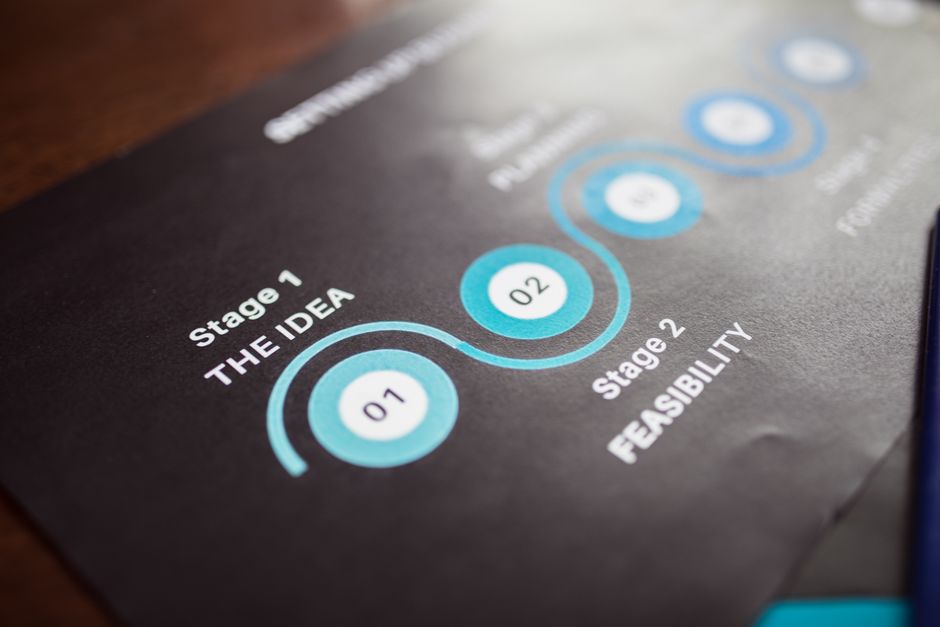
Definieer een realistische tijdlijn: 12 weken totaal, vier cycli, met poorten aan het einde van elke cyclus. Voor elke functie, wijs een enkele eigenaar toe (Product Owner, Tech Lead, Designer, QA) en koppel het aan een specifieke zakelijke uitkomst. Bouw een afhankelijkheidsmap die afhankelijkheden over processen, dataflows en API-oppervlakken benadrukt, zodat teams parallel werk kunnen plannen waar mogelijk. Onderhoud een enkele bron van waarheid en voer regelmatige backlog-raffinage uit om prioriteiten afgestemd te houden met zakelijke doelen.
Afhankelijkheden en Risico's
Map afhankelijkheden over teams (techniek, ontwerp, data, QA) en externe partners om het kritische pad bloot te leggen voordat werk begint. Volg risico's zoals brontekorten, veranderende eisen of leveranciersvertragingen, en hecht mitigaties aan elk item. Zorg ervoor dat noodzakelijke resources zijn toegewezen en de functionaliteit testbaar en gereed is voor productie. Betrek medewerkers van product en techniek vroeg om vertragingen te vermijden; houd business-analyse bijgewerkt met de laatste informatie; en onderhoud regelmatige prioriteitscadans in overeenstemming met de cyclus (cyclus).
Ready to leverage AI for your business?
Book a free strategy call — no strings attached.


