Branding cyfrowy vs marketing cyfrowy – kluczowe różnice i dlaczego mają znaczenie
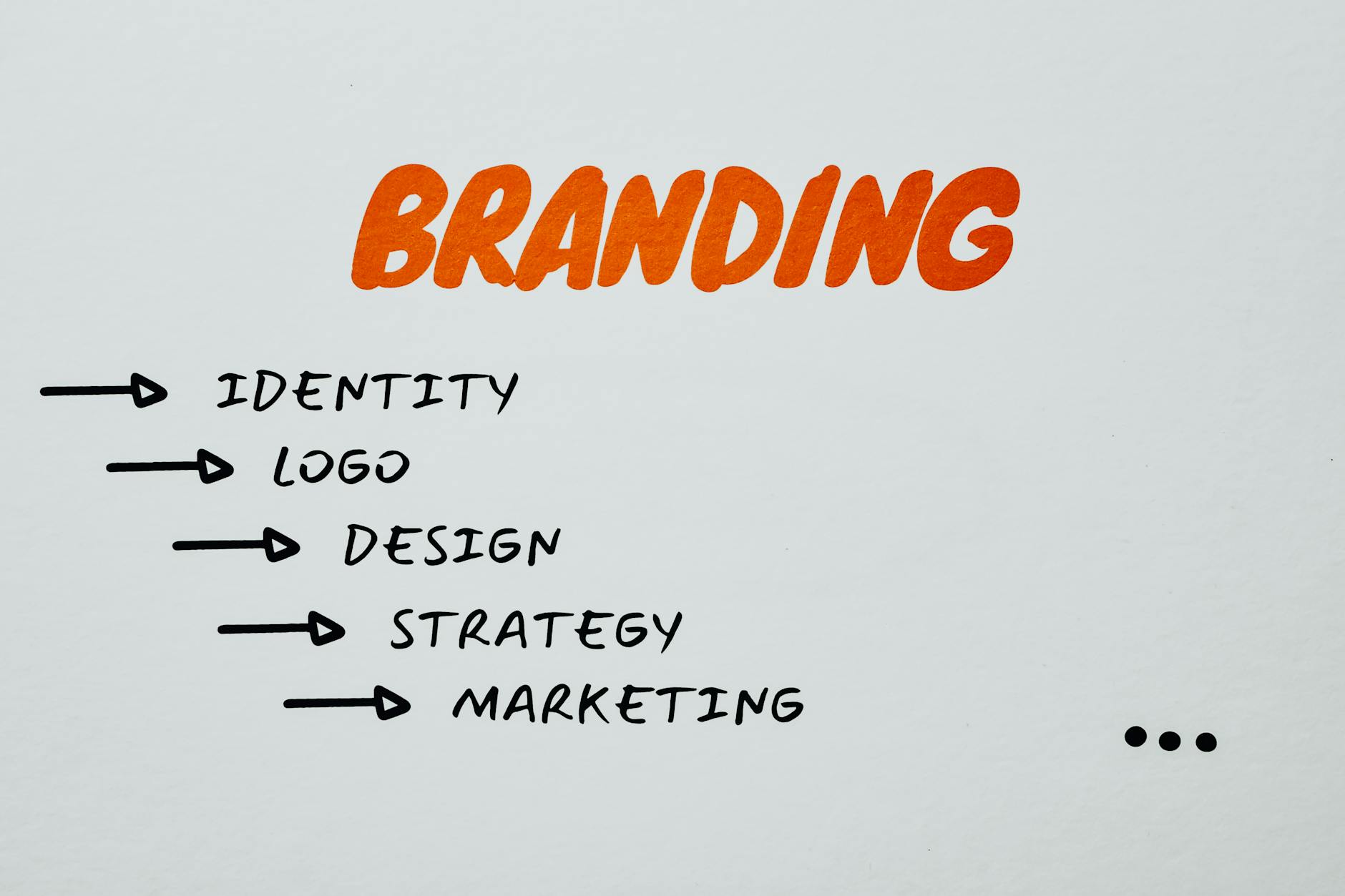
Zdefiniuj osobowość marki przed uruchomieniem jakiejkolwiek inicjatywy opartej na kampanii, dostosuj promocję do tej tożsamości, a zobaczysz, jak twoja reputacja się wzmocni i wyniki się poprawią. Branding ustala ton; marketing go wzmacnia, aby dotrzeć do konkretnych odbiorców.
Branding cyfrowy to gra długoterminowa: obejmuje definiowanie twojej osobowości, budowanie zaufania i kształtowanie tego, jak klienci postrzegają twoją reputację. Marketing cyfrowy jest oparty na kampaniach, skupiony na krótkoterminowej i średnioterminowej promocji oraz mierzalnych wynikach za pośrednictwem kanałów takich jak płatne media, e-mail i media społecznościowe. W 2024 roku marki, które pracowały nad spójnością we wszystkich punktach kontaktowych, odnotowały wzrost rozpoznawalności o 12–18%, podczas gdy kampanie ignorujące osobowość zazwyczaj osiągały słabsze wyniki wśród odbiorców. Wyraźny ruch definiujący markę pomaga platformom optymalizować wydatki na reklamy i poprawiać kierowanie do odbiorców.
Aby wdrożyć to skutecznie, mapuj filary brandingu na kampanie marketingowe: przesuwaj budżet w kierunku inicjatyw służących długoterminowej reputacji, podczas gdy testy mierzą wyniki. Używaj infografik do ilustracji trendów i postępów, które obejmują produkty i pętle sprzężenia zwrotnego od klientów. Prezentuj jasne dane, aby interesariusze widzieli, jak osobowość objawia się w każdym punkcie kontaktowym i jak taktyki były testowane w praktyce.
Przeanalizuj dane, które już zbierasz – zasięg, zaangażowanie i konwersje – i mapuj je na sygnały brandingu. Jeśli kampania generuje kliknięcia, ale szkodzi percepcji, przemyśl messaging; jeśli kreatywność wzmacnia osobowość, skaluj ją na wszystkich kanałach. Praktyczne podejście polega na dostosowaniu brandingu i kampanii, a traktując branding i marketing jako uzupełnienia, możesz mierzyć wpływ na reputację i długoterminowe wyniki, nie tylko natychmiastowe kliknięcia, oraz taktyki, które zadziałały w praktyce.
Praktyczne różnice między brandingiem a marketingiem
Zdefiniuj podstawową obietnicę marki i dostosuj swoją ofertę do niej, a następnie pozwól, by branding kierował każdą decyzją.
Branding buduje długoterminową percepcję dobrze w szerokich sieciach punktów kontaktowych, podczas gdy marketing napędza szybkie reakcje za pośrednictwem różnych kanałów, które pomagają w rozwoju.
Analizuj sygnały z produktów, usług i interakcji z klientami; branding obejmuje różne wskazówki, zapewniając spójne doświadczenie we wszystkich tych punktach kontaktowych.
Rola brandingu opiera się na dobrze zdefiniowanej tożsamości i obietnicy; branding bazuje na spójnym systemie i wykorzystuje metody, które utrzymują spójne jądro, podczas gdy marketing używa kampanii, messagingu i kanałów do dotarcia do ludzi.
W optymalizacji dostępnych informacji i redukcji tarcia we wszystkich punktach kontaktowych zespoły utrzymują markę rozpoznawalną, podczas gdy marketing testuje i dostosowuje się szybko.
Oto proste wytyczne do zastosowania: oprzyj swój plan na marce, a następnie wykorzystaj marketing do konwersji i rozszerzenia zasięgu; to ma znaczenie dla udanych wyników.
Zakres brandingu: tożsamość, głos i długoterminowa percepcja

Zdefiniuj definicję swojej marki w jednym zdaniu i dostosuj każdą interakcję wokół niej. To utrzymuje twoją tożsamość spójną w produktach, twoim sklepie i każdym punkcie kontaktowym w handlu detalicznym.
Tożsamość opiera się na trzech filarach: definicji, wizualizacjach i zachowaniu. Zacznij od jednowyrazowego stwierdzenia, które odzwierciedla to, co klienci powinni czuć, gdy angażują się z tobą, i pozwól mu kierować designem, kopią i obsługą na każdym kroku. Twoja definicja powinna przekładać się na spójny wygląd, odczucie i podejście, które dobrze działa zarówno w środowiskach zakupowych, jak i detalicznych.
- Definicja, która odzwierciedla twój sklep i produkty; użyj jej do kierowania kreatywnością i kopią, aby główna obietnica była jasna na pierwszy rzut oka.
- Spójność wizualna w opakowaniach, znakach, stronie internetowej i interakcjach w sklepie, aby budować szybkie rozpoznanie, gdy klienci przechodzą między kanałami.
- Standardy zachowania i interakcji, które dostosowują się do zdefiniowanego tonu, zapewniając, że każdy punkt kontaktowy odzwierciedla twoją deklarowaną tożsamość.
Głos i ton
- Głos definiuje główny ton twojej treści – jasny, pomocny i przystępny – jednocześnie pozwalając na personalizację w rutynowych interakcjach.
- W doświadczeniach zakupowych i stronach produktów (w tym liniach proteinowych) używaj konkretnego, skoncentrowanego na korzyściach języka, który wspiera szybkie podejmowanie decyzji i zaufanie.
- W obu kanałach sklepowych i online utrzymuj tempo i kadencję spójne, aby twoja kadra wykonawcza i codzienni nabywcy postrzegali jedną, spójną osobowość.
Długoterminowa percepcja
- Długoterminowa percepcja wynika ze stałego dostarczania: każda interakcja i historia produktu powinna odzwierciedlać tę samą tożsamość i ton, aby wzmacniać zaufanie w czasie.
- Opracuj plan pomiaru, który śledzi rozpoznawalność, sentyment i satysfakcję po punktach kontaktowych; zbieraj opinie od klientów i interesariuszy wykonawczych, aby zapewnić ciągłe dostosowanie.
- Wdrażaj szablony dla opisów produktów, wytycznych opakowań i messagingu witryn sklepowych; subskrybuj zespoły na centralnym kalendarzu treści, aby utrzymać spójność w kanałach zakupowych, sklepowych i detalicznych.
Zakres marketingu: kanały, kampanie i krótkoterminowe konwersje
Przydziel 40% budżetu na płatne wyszukiwanie i 25% na e-mail, aby konwertować szybko; ta mieszanka przyspiesza krótkoterminowe zwycięstwa, podczas gdy testujesz odbiorców przed rozszerzeniem na inne kanały.
Kanały do priorytetyzacji obejmują płatne wyszukiwanie, e-mail, reklamy społecznościowe i wideo. Każdy kanał stanowi silnik dla szybkich wyników i pozwala dostosować zasoby do odbiorców, w tym retargeting. Ta mieszanka wzmacnia konkurencyjną postawę i odzwierciedla różne momenty zakupowe, pomagając zespołom ustalać wytyczne dla messagingu międzykanałowego.
Projektuj kampanie z jasnymi, ograniczonymi czasowo celami. Ustal wytyczne, przeprowadzaj testy A/B i włącz wideo jako element kluczowy. One komunikują propozycję wartości szybko i konwertują zainteresowanie w działanie. Przed uruchomieniem zdefiniuj cele, ofertę i wezwanie do działania, aby dostosować zespoły.
Ustanowienie powtarzalnego frameworku pomaga zespołom działać szybko i pozostać zgodnym z celami. Pomiar i optymalizacja: zdefiniuj KPI, takie jak CTR, CVR, CPA i krótkoterminowy ROAS. Krótkoterminowe zwycięstwa mają znaczenie; śledź według kanału, aby zidentyfikować, co konwertuje najszybciej, i reallocuj zasoby, gdy kanał się wyróżnia. Na przykład, płatne wyszukiwanie może dostarczyć CVR 3–7%, a e-mail wskaźnik konwersji 4–12% w segmentach; dostosuj budżety odpowiednio.
Strategia treści: wideo to szybki sposób na demonstrację korzyści; utrzymuj klipy zwięzłe, dodawaj napisy i używaj powtarzalnych szablonów, które kierują odbiorcami na platformach. Wszystko, co publikujesz, powinno dostosowywać się do wytycznych, aby utrzymać spójność.
Podsumowując: Zakres marketingu definiuje kanały, kampanie i krótkoterminowe konwersje, które dążysz do osiągnięcia. Dostosowuj działania do danych, wzmacniaj messaging we wszystkich punktach kontaktowych i komunikuj postępy interesariuszom. Ustanawianie niezawodnego silnika dla szybkich zwycięstw, jednocześnie równoważąc dłuższe priorytety.
Różne cele: budowanie kapitału marki versus napędzanie natychmiastowych sprzedaży
Przydziel 60% budżetu na działania budujące markę skupione na reputacji i doświadczeniach oraz 40% na kanały performance, które napędzają natychmiastowe sprzedaże. Ten podział dostarcza zrównoważonej wartości, jednocześnie zachowując krótkoterminowe wyniki.
Niezależnie od tego, czy prowadzisz lokalny sklep, regionalnego detalistę czy firmę wielonarodową, podejście powinno odzwierciedlać, jak ich odbiorcy interagują z twoją marką we wszystkich punktach kontaktowych. Trzy etapy kierują działaniami: świadomość, rozważanie, konwersja.
To podejście buduje stale rosnącą wartość w czasie.
Skupienie na budowaniu marki (60%)
- Cel: tworzyć trwałe wrażenia, które wzmacniają osobowość, zaufanie i lojalność.
- Metryki: reputacja, widoczność, jakość interakcji, wskaźniki lojalności; zaangażowanie e-mailowe i metryki retencji śledzą zdrowie relacji.
- Działania: inwestuj w historie od kadry wykonawczej i zespołów front-line; rozwijaj doświadczenia, które klienci mogą opowiadać; dostosowuj usługi do lokalnych potrzeb; zapewnij spójność we wszystkich kanałach.
- Proces: ustal kwartalny przegląd aktywów brandingu, kalendarzy treści i programów partnerskich, aby utrzymać spójną narrację.
Skupienie na performance (40%)
- Cel: generować natychmiastowe przychody i redukować koszt pozyskania.
- Metryki: performance, kliknięcia pay-per-click, wskaźnik konwersji, ROAS, redukcja CAC, przychód na kanał.
- Działania: uruchamiaj kampanie wyszukiwania i społecznościowe z jasnymi ofertami; optymalizuj strony lądowania i stron produktów; wdrażaj remarketing e-mailowy i przepływy porzuconego koszyka; wykorzystuj partnerstwa detaliczne do napędzania konwersji online-to-offline.
- Proces: ustawiaj przetestowane kreatywy, testy A/B dla ofert i atrybucję międzykanałową, aby zidentyfikować, skąd pochodzą sprzedaże.
Z perspektywy governance, utrzymuj zespół wykonawczy zaangażowany w przegląd metryk zdrowia marki obok dashboardów performance. Ich wkład pomaga zapewnić, że inwestycje w kapitał marki dostosowują się do celów korporacyjnych i oczekiwań klientów.
W praktycznych warunkach, równoważenie wygląda tak: utwórz kwartalny plan, który przerywa wydatki między kategoriami, a następnie przeprowadzaj trzytygodniowe testy, aby udoskonalić kreatywy, oferty i kanały. Rezultat: zwiększona lojalność i rosnące powtarzane zakupy, jednocześnie redukując kliknięcia marnowane na odbiorców, którzy nie cenią twoich aktywów. Zobaczysz ich wpływ zarówno w metrykach reputacji, jak i performance, z sygnałami marki stającymi się bardziej widocznymi dla klientów i partnerów, w tym lokalnych detalistów i usług.
Różnice w pomiarze: metryki brandingu vs metryki performance
Zacznij od dwupoziomowego frameworku: śledź metryki brandingu, aby rozwijać kapitał marki w czasie, i monitoruj metryki performance, aby napędzać wyniki krótkoterminowe. Dostosuj je do swojej strategii i zapewnij, że przepływy danych są współdzielone między zespołami, aby e-maile, kampanie i partnerstwa przyczyniały się do jednolitego widoku. To ustawienie pozwala ci bliżej łączyć markę i performance, aby zobaczyć, jak inwestycje w branding przekładają się na wyniki biznesowe.
Metryki brandingu rejestrują zmiany w świadomości, rozpoznawalności i postawie, które mogą nie produkować natychmiastowych kliknięć. Używaj wspomaganej i nies wspomaganej rozpoznawalności, punktacji salience, sentymentu i jakości zaangażowania, aby kwantyfikować postępy. Niektóre marki przeprowadzają kwartalne badania liftu marki i porównują z grupą kontrolną, aby zmierzyć, czy ekspozycja podniosła widoczność świadomości i korzystną percepcję. Zaangażowanie w treści, wyświetlenia wideo i interakcje e-mailowe odzwierciedlają, jak dobrze tworzysz rezonans z odbiorcami.
Metryki performance wiążą się z przychodami i pipeline: wskaźnik konwersji, jakość leadów, koszt pozyskania, zwrot z wydatków na reklamy, średnia wartość zamówienia i przychód na odwiedzającego. Śledź je za pomocą jasnego silnika, który działa we wszystkich kanałach, w tym płatnym wyszukiwaniu, społecznościowym i e-mailach. Dla doświadczeń zakupowych, dodanie do koszyka i ukończenie kasy kotwiczą optymalizację. One kierują, jak firmy inwestują w kampanie i tworzenie przewidywalnych sygnałów popytu, które poruszają ofertami i uruchomieniami produktów.
Aby dostosować branding i performance, zdefiniuj jasny model atrybucji i zainwestuj w system, który wspiera obie metryki. Używaj testów inkrementalności i eksperymentów holdout, aby udowodnić, że ekspozycja brandingu dodaje lift do konwersji. To podejście pozwala zobaczyć, jak powiązane sygnały marki wpływają na decyzje zakupowe i zaangażowanie we wszystkich kanałach, niezależnie od tego, czy klienci reagują po punkcie kontaktowym e-mailowym, czy po interakcji partnerskiej.
Praktyczne kroki: definiowanie, co stanowi leada versus konwersję dla każdej metryki, tworzenie współdzielonego dashboardu i zapewnienie, że zespoły zgadzają się na definicje. Zdefiniuj, co twoje ofertowe messaging próbuje osiągnąć, dostosowując treści do strategii. Niektóre firmy tworzą międzyfunkcjonalny brief, który łączy cele brandingu z celami performance; to podejście tworzy spójność i odblokowuje bardziej znaczące zaangażowanie. Regularne przeglądy i kwartalne odświeżenia utrzymują cię w optymalizacji silnika i tworzeniu przewidywalnego wzrostu dla twoich firm.
Praktyczne dostosowanie: kroki do integracji brandingu i marketingu w kampaniach
Zacznij od sporządzenia pojedynczego, skupionego na działaniu briefu, który łączy obietnicę marki z celami kampanii w czasie rzeczywistym danych, gdziekolwiek planujesz optymalizować. To utrzymuje zasoby celowe i redukuje przepychanki podczas wykonania.
Ustaw jednolite otoczenie dla brandingu i marketingu: zdefiniuj główną historię wartości, segmenty odbiorców i lokalne kąty, które mają znaczenie na dzisiejszych rynkach. Mapuj metryki sukcesu, aby rozpoznać, kiedy taktyki się dostosowują lub rozbiegają.
Utwórz framework treści, który wspiera krótkie formy wideo i długie aktywa. Zapewnij, że każdy element wygląda i czuje się spójnie, jednocześnie dostosowując ton do kanału. Skup się na znajomości, angażuj i pokazuj wartość szybko. Dla krótkich form, haki poniżej 5 sekund ustawiają ton, a gęste informacje proteinowe utrzymują uwagę.
Wdrażaj mapę kanałów, która przypisuje formaty do celów: co uruchamiać w feedach społecznościowych, co optymalizować na lokalnych stronach lądowania i co wysyłać via e-mail. To pomaga we wdrażaniu szybko i utrzymaniu spójnej historii we wszystkich punktach kontaktowych.
Dashboardy czasu rzeczywistego karmią pętlę: śledź, co ma znaczenie i identyfikuj, co jest istotne, takie jak zaangażowanie, lift konwersji i relacje. Jeśli metryka się zmienia, dostosuj nagłówki, wizualizacje i oferty w następnej iteracji, aby poprawić zaangażowanie i relacje.
Szukaj mocy w spójności: jasne logo, ton i propozycja wartości zwiększają znajomość i zaangażowanie. Jeśli testujesz wariacje, utrzymuj jądro tożsamości nienaruszone, aby większość reklam wyglądała i czuła się powiązana. To podejście napędza zespoły do szybkiej reakcji.
Buduj lekki kalendarz produkcji, który dostosowuje się do dzisiejszych okien kampanii i umożliwia szybkie wdrażanie między zespołami. Używaj szablonów dla treści krótkich form i przechowuj gotowe do użycia wideo, które można dostosować lokalnie.
Ostatecznie, rozpoznawaj, co rezonuje w każdym otoczeniu. Dla lokalnych kampanii, dostosowuj wiadomości do otoczenia, zachowując jądro, i zapewnij, że relacje rosną, gdy dostarczana wartość się kumuluje.
Dane kontaktowe
Zacznij od pojedynczej, jasnej strony kontaktowej, która odzwierciedla tożsamość twojej marki i dostarcza realną wartość online. Opublikuj główny e-mail, bezpośrednią linię telefoniczną i formularz kontaktowy napędzany AI na tej samej domenie, aby angażować szybko. To ustawienie pomaga konwertować zapytania na leady i utrzymuje twój ton spójny we wszystkich punktach kontaktowych, czyniąc twoją markę rozpoznawalną w każdym połączeniu. To zamienia kontakt w leada.
Ustaw oczekiwania z zwięzłą obietnicą odpowiedzi: odpowiedzi w ciągu 1 dnia roboczego. Ich wiadomości powinny czuć się konsultingowe, nie robotyczne, a routing powinien być oparty na typie zapytania. Dla żądań konsultingowych, kieruj je do dedykowanego zespołu i eskaluj złożone potrzeby, aby zapewnić szybki postęp. To podejście utrzymuje wiele zapytań efektywnymi i redukuje tarcie w podróży klienta, budując lojalność poprzez niezawodne, wsparte ludzkim wsparciem. To również stawia światło na angażujące wartość-dodającą, które zamieniają zainteresowanie w działanie. To podejście bazuje na danych z tysięcy zapytań.
Kanały źródłowe mają znaczenie: wielu odwiedzających zaczyna via e-mail, a potem przechodzi do live chatu lub telefonu w razie potrzeby. Dostosuj e-mail, telefon, live chat i DM-y społecznościowe do tej samej tożsamości i jasnej polityki prywatności. Używaj systemu promptów napędzanego AI do kierowania rozmów, utrzymując spójny ton i obecność online, opartą na głosie twojej marki. Ta spójność wzmacnia połączenie i ułatwia odwiedzającemu angażowanie się ponownie i ponownie.
| Kanał | Zastosowanie | Najlepsza praktyka | Średni czas odpowiedzi |
|---|---|---|---|
| Ogólne zapytania; żądania konsultingowe | Bezpośredni adres, spersonalizowane powitanie, SLA 24h | 1 dzień roboczy | |
| Telefon | Bezpośrednia rozmowa głosowa | Obsługiwany przez przeszkolonego przedstawiciela; loguj notatki z rozmowy | W ciągu 4 godzin |
| Formularz kontaktowy napędzany AI | Przechwytywanie zainteresowania; kierowanie do właściwego zespołu | Auto-odpowiedź z jasnymi kolejnymi krokami; zbieraj kontekst | W ciągu 2 godzin |
| Wiadomości społecznościowe | Publiczne zaangażowanie; szybkie pytania | Spójny ton; link do polityki i dodatkowego kontaktu | Tego samego dnia |
Wyślij krótkie zapytanie
Opisz stronę, cele, odbiorców i budżet, aby omówić propozycję.
Related Articles

Klucz API SimilarWeb: Kompletny przewodnik po konfiguracji, zarządzaniu i najlepszych praktykach
June 29, 2026
Jak wdrożyć strategię content marketingu B2B: Praktyczny, krok po kroku przewodnik
December 23, 2025