Elastyczna edycja dla oszałamiających klipów - Opanuj dynamiczne edycje wideo z łatwością

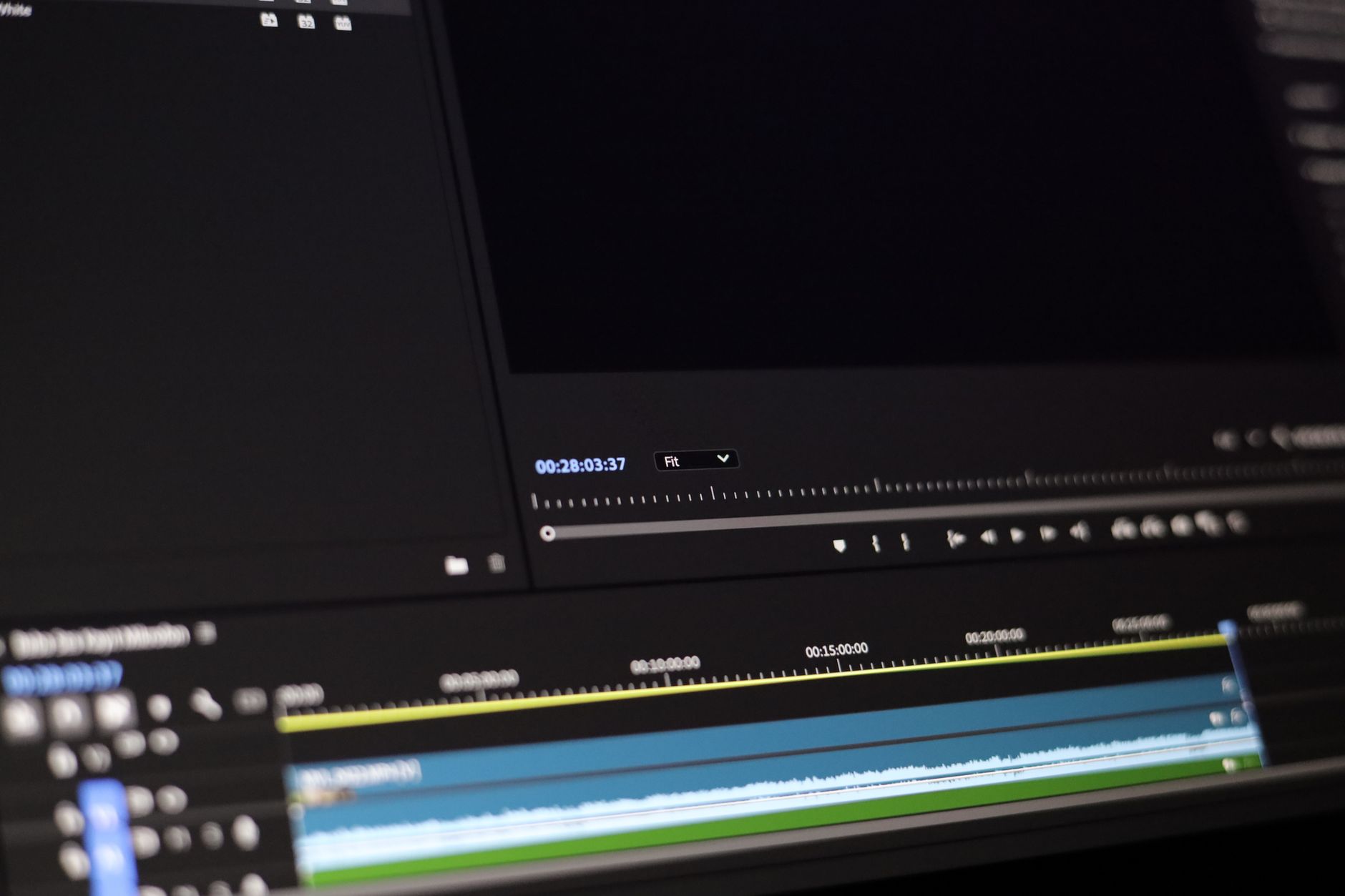
Rekomendacja: Podziel historię na 3–4 zwięzłe segmenty: haczyk 0–2 sekundy, wartość 3–9 sekund, wezwanie do działania w zamknięciu 10–15 sekund. Każdy segment może istnieć samodzielnie, jednocześnie przekazując główną ideę, co ułatwia ponowne wykorzystanie na różnych platformach i w różnych formatach. W erze internetu marketer i twórca poszukują skalowalnego planu, a nie niekończących się przeróbek.
Punkty odniesienia: Czas haczyka w pierwszych 2 sekundach zwiększa retencję odbiorców; zachowaj główny przekaz w pierwszych 7–12 sekundach; całkowita długość 15–30 sekund na platformach społecznościowych, takich jak TikTok, Instagram Reels i YouTube Shorts. To nowoczesne podejście naprawdę przynosi większe zaangażowanie w różnych językach i regionach. Kiedy potrzebujesz renderowania, wstępnie złóż powtarzające się elementy, aby aplikacje mogły przetwarzać szybciej; celem jest częstsze wykonanie za jednym razem.
Wskazówki dotyczące przepływu pracy: Używaj modułowych szablonów w aplikacjach, aby szybko dostosowywać się do różnych platform. Stosuj proste, nieliniowe przejścia, wstępne rendery, korekty rytmu; dbaj o wydajność renderowania, wypiekając outra i dolne paski jako oddzielne zasoby. Aby wzbogacić opowiadanie historii, wstaw krótkie wywiady lub cytaty w środku sekwencji, a następnie umieść outra na końcu, aby zachęcić do działania. To intuicyjne podejście pomaga odbiorcom pozostać zaangażowanym, a dodatkowe treści są dostępne dla języków lub edycji regionalnych.
Pomiar: Śledź retencję w sekundach, dążąc do najlepszych wskaźników ukończenia na każdej platformie. Przeprowadź szybkie testy A/B na długości haczyka, a następnie porównaj zakończenia outra; eksportuj oddzielne zestawy renderowania, aby odświeżać strony na kanałach cyfrowych. Dodatkowo zbieraj wywiady z odbiorcami w różnych językach, aby kierować przyszłymi poprawkami i uczyć się na wynikach.
Praktyczne ramy, aby osiągnąć szybkie, wysoce efektywne edycje
Zacznij od wbudowanego 60-sekundowego planu z biblioteki; ramy przeprowadzają dwuetapową ocenę, aby zidentyfikować pięć najważniejszych momentów zapewniających maksymalny efekt.
Kontynuuj 15-minutowy sprint, aby stworzyć trzy warianty, używając kadrowania pionowego i wycinania, aby zwiększyć świadomość i zasięg.
Sconsoliduj zasoby w jednym folderze; zmień rozmiar kluczowych plików na 9:16 i 16:9 i przygotuj warianty 1:1 skierowane na sprzedaż.
Otaguj pliki metadanymi i zastosuj spójny schemat nazewnictwa; ta pomoc biznesowa skraca czas wyszukiwania i wspiera większą wydajność.
Dołącz notatki twórcy: jamie sinclair, ich prawo do nauki i krótki przewodnik po odtwarzaniu efektu.
Śledź procentowy wzrost liczby odbiorców, monitoruj zasięg i rejestruj wpływ na szybkość sprzedaży.
Z danych źródłowych i lekcji twórcy jamie sinclair, to podejście staje się przełomem, gdy przepływ pracy jest zbudowany wokół wycinania, formatów pionowych i szybkich iteracji w zespołach.
Proszę przyjąć te ramy, dzielić się wiedzą i dać swojemu zespołowi dostęp do odpowiednich narzędzi do skalowania.
Zdefiniuj powtarzalny plan edycji: szablony, ustawienia predefiniowane i szablony ruchu
Przyjmij jeden plan, który ponownie wykorzystuje szablony, ustawienia predefiniowane i szablony ruchu w różnych projektach, aby skrócić czas konfiguracji nawet o 40% i utrzymać spójny branding.
Podstawowe komponenty obejmują bibliotekę szablonów, bank ustawień predefiniowanych i szablony ruchu zawierające typowe przejścia, dolne paski i intra. Zróżnicowana paleta z pastelowymi tonami wspiera kanały korporacyjne, self-media i edukacyjne, umożliwiając tworzenie setek wariantów bez odbudowy zasobów.
Plan koncentruje się na dostępności: projektanci kuratorują pakiet użyteczny dla studentów, freelancerów i zespołów korporacyjnych, przyspieszając uzyskiwanie wyników gotowych dla klienta, przy jednoczesnym zachowaniu jakości dźwięku i rytmu. Przepływ pracy generatora dostarcza użytkownikom powtarzalne sekwencje, a zasoby ross i kapwings wzbogacają katalog.
Od studentów po działy bankowe, ten plan skaluje się w różnych kontekstach, pomagając użytkownikom osiągać szybkie, powtarzalne wyniki.
Kroki implementacji w celu maksymalizacji ponownego wykorzystania:
1) Zbuduj podstawowe pakiety: szablony, ustawienia predefiniowane, szablony ruchu; 2) oznacz zasoby według rodzaju ruchu, koloru i podkładu dźwiękowego; 3) zmontuj sekwencje startowe, w tym intra, przejścia i cisze; 4) zintegruj z edytorami za pomocą intuicyjnych wyzwalaczy i predefiniowanych ustawień klawiatury.
| Element | Cel | Przykład |
|---|---|---|
| Szablony | Podstawowe układy, typografia, schematy kolorów | Wprowadzenie w siatkę z 3 panelami |
| Ustawienia predefiniowane | Kolor, poziomy dźwięku, krzywe animacji | Ciepłe ustawienie tonu filmu |
| Szablony ruchu | Przejścia wielokrotnego użytku, konteksty tempa | Pakiet przejść pulsacyjnych |
| Intra | Otwarcie marki, ustawienie tonu | Otwarcie marki ross |
| Podkłady dźwiękowe | Ambiencja, cisza, uderzenia | Oddech w studio + delikatne uderzenie |
Wprowadź dynamiczne edycje: rampy prędkości, grafika ruchoma i cięcia oparte na rytmie

Rekomendacja: Opanuj tempo, planując najpierw wskazówki rytmiczne. Zbuduj rampę prędkości w 0,6–1,2 s podczas spadków, a następnie wyzwalaj grafikę ruchomą przy uderzeniach. Paleta neonowa dodaje wyrazistości, zachowując jednocześnie jakość w projektach pionowych.
Szczegóły rampy prędkości: używaj stopniowych zmian prędkości między 100% a 160% w ciągu 12–18 klatek przy 24/30 kl./s. Zastosuj funkcję easing cubic bezier (0,25,0,0,4,1), uzyskując naturalny ruch. Utrzymuj rampę wyśrodkowaną na momentach akcji; przytrzymaj 2 klatki po szczycie, aby czysto zakończyć cięcie.
Wyrównanie grafiki ruchomej: stwórz szybki tik, poświatę lub eksplozję wektorową, która odzwierciedla rytm. Projektant może ponownie wykorzystywać zasoby w różnych projektach za pośrednictwem subskrypcji, poprawiając jakość bez płatnych szablonów. Elementy projektu powinny odzwierciedlać perspektywę architektoniczną; utrzymuj ostre kształty, czyste krawędzie i ograniczony zestaw neonów dla spójności, zapewniając właściwą równowagę między energią a czytelnością, jednocześnie wspierając cele marketingowe.
Obsługa formatów: W pionowych historiach utrzymuj akcję wyśrodkowaną; skaluj grafikę do płótna 9:16; ogranicz zatrzymania ruchu do 2–3 na sekundę; zachowuje to czytelność, zapewniając jednocześnie wyrazistość. Notatki w stylu Timcat od zespołów projektantów pojawiają się w projekcie, dostępne dla różnych twórców.
Notatki od społeczności: hamza udostępnia proste eksperymenty z różnych gatunków; bankowanie zasobów przechowuje czcionki, kolory i kije ruchome; meksykański zestaw kolorów z neonowymi akcentami dobrze sprawdza się w połączeniu z architektonicznymi sylwetkami.
Usprawnij zarządzanie zasobami: proxy, autotagowanie i scentralizowana biblioteka
Zastosuj przepływ pracy oparty na proxy: pobierz media, wygeneruj lekkie proxy w rozdzielczości 1080p w chmurze, zachowaj oryginały w wysokiej rozdzielczości w osobistej bibliotece. Scentralizowana biblioteka zapewnia przeszukiwanie wszystkiego za pomocą spójnego schematu metadanych. Proxy zmniejszają zapotrzebowanie na przepustowość, przyspieszając podglądy na ekranach iphone. Po zakończeniu tworzenia proxy zespoły mogą pracować bez opóźnień, gotowe do renderowania.
Autotagowanie wykorzystuje sztuczną inteligencję do przypisywania słów kluczowych na podstawie rodzaju sceny, nastroju i typu zasobu. Spodziewaj się etykiet takich jak szeroki, bliski, szorty, moda, grafika i cytaty; notatki projektantów, autorzy i flagi edukacyjne pojawiają się automatycznie. Zmniejsza to ręczne tagowanie o czynnik, przyspiesza wyszukiwanie, nigdy nie pozostawia zespołów w trudnej sytuacji. Można zastosować ustawienia predefiniowane lub dostosować reguły, a te podejścia działają w różnych dyscyplinach. Zamiast ręcznego tagowania zajmuje się tym autotagowanie. Edytorzy mogą wybrać reguły opisowe lub elastyczne.
Scentralizowana taksonomia: repozytorium hostowane w chmurze z jednym źródłem danych, zorganizowane według projektu, typu zasobu i pól metadanych, takich jak autor, ocena, licencja i notatki. Pola te pomagają redaktorom w tworzeniu filmów, zespołom edukacyjnym i autorom. Napływ nowych materiałów przechodzi przez spójne przyjmowanie; automatycznie usuwaj duplikaty, przechowuj elementy we wspólnym katalogu. Zewnętrzne zasoby z renderforest lub flexclip można indeksować obok materiałów wewnętrznych, zachowując spójność. Edytorzy mogą wybierać zasoby, których chcą ponownie użyć.
Szczegóły przepływu pracy: włącz autotagowanie podczas pobierania, klasyfikuj zasoby do osobistych bibliotek i banków produkcyjnych, aby zespół mógł wyszukiwać według nastroju związanego z modą, stylu grafiki lub cytatów. Konfiguracja oparta na chmurze obsługuje podglądy na iphone, przeglądanie na komputerze i szerokie monitory. Testy Timcat demonstrują kompatybilność z różnymi urządzeniami. Mechanizmy te zapewniają skalowalność w różnych projektach, takich jak szorty i dłuższe formaty; to absolutnie pasuje do przepływu pracy w fabryce produkcyjnej.
Kroki implementacji: zdefiniuj taksonomię zgodną z celami edukacyjnymi zespołu; aktywuj reguły autotagowania; utwórz ustawienia predefiniowane proxy: 1080p używane podczas edycji, 360p, odpowiednie do szybkich przeglądów; ustaw limity miejsca w chmurze, aby uniknąć skoków napływu; przeszkol autorów i projektantów za pomocą samouczków; przeprowadzaj cotygodniowe audyty, aby usunąć nieaktualne elementy. Gotowe.
Korzyści: szybsze wykrywanie, spójny branding, podglądy wieloplatformowe, mniejsza zajętość miejsca, ulepszona analityka ocen. Ta konfiguracja działa w różnych projektach, szortach, zasobach znalezionych w bibliotece. Materiały Flexclip i renderforest bezproblemowo się integrują, a samouczki wspierają edukację zespołu. Chmura zapewnia łatwość obsługi, w tym podglądy na iphone, absolutnie plus dla autorów i projektantów.
Automatyzuj współpracę: usprawniona recenzja, wersjonowanie i delegowanie zadań
Rekomendacja: Ustanów scentralizowany przepływ pracy oparty na przeglądarce, który mapuje jeden plan do wszystkich zasobów, przypisuje role i aktywuje automatyczne powiadomienia. Narzędzia takie jak opusclip lub flexclip działają jako centra udostępniania zasobów, komentarzy i zatwierdzeń. Ta struktura zapewnia szybsze cykle, lepsze śledzenie, zaufaną współpracę i trwałą perspektywę cyklu życia.
-
Przepływ recenzji: Utwórz jedno źródło danych w przeglądarce; komentarze zespołu przekładają się na decyzje w udostępnionej tablicy; wyraźnie pojawiają się statusy takie jak oczekujące, zatwierdzone lub poprawione. Jason publikuje aktualizacje w albumie; partnerzy mogą przeglądać je na dowolnym urządzeniu; dostęp online zapewnia, że osoby zaangażowane w edukację są zgodne z jasną perspektywą, zmniejszając wymianę informacji.
-
Wersjonowanie: Automatyczne migawki występują przy każdej aktualizacji; historia pozostaje nienaruszona; szybkie porównania między iteracjami odbywają się jednym kliknięciem; jeśli opinia się zmienia, przywrócenie jest proste, a izolacja pozostaje nienaruszona; wszystkie materiały znajdują się we wspólnym obszarze roboczym, co zapewnia szybki dostęp.
Żądania edycji automatycznie przechodzą przez plan, zmniejszając opóźnienia.
-
Delegowanie zadań: Zdefiniuj role, takie jak właściciel planu lub recenzent; przypisuj zadania partnerom; ustawiaj terminy; śledź postęp w procentach; panele kontrolne pokazują status na pierwszy rzut oka; pakowanie zasobów jest zgodne z kamieniami milowymi i zatwierdzeniami; tagi clipanything łączą materiały z zadaniami, a szczegóły pakowania pozostają spójne na różnych urządzeniach.
TechRadar daje zaufaną perspektywę na współpracę online, zdecydowanie zwiększając efektywność zespołu. Takie podejście sprawia, że współpraca jest solidna, przyspiesza czasy cyklu i pokazuje wymierne korzyści w zakresie śledzenia i odpowiedzialności. Jasny plan, udostępniony album i przepływ pracy oparty na przeglądarce przekładają się na życie, planowanie zakupów spożywczych i codzienną pracę, pozwalając zespołowi patrzeć na wyniki, a nie na administrację. Spójrz na wyniki, a konfiguracja staje się gotowa do sklepu, przyjazna clipanything na różnych urządzeniach.
Kontrola jakości i eksport: spójność kolorów, balans dźwięku i ustawienia predefiniowane dla wielu platform
Wyeksportuj plik źródłowy wysokiej jakości, który służy jako odniesienie, a następnie wyprowadź warianty gotowe na platformę, aby zagwarantować ten sam wygląd na szerokich ekranach, wyświetlaczach mobilnych i materiałach promocyjnych. Utrzymanie nowoczesnej linii bazowej: spójna identyfikacja kolorystyczna, stabilne dialogi i spójne tempo, których klienci oczekują w dobrze prosperującym zestawie narzędzi.
- Spójność kolorów
- Ustaw przestrzeń kolorów na Rec.709 i głębię na 10‑bit tam, gdzie to możliwe; unikniesz tworzenia pasm na gradientach we wprowadzeniach i kluczowych scenach.
- Docelowy balans bieli: 6500K ± 200K; użyj neutralnej szarości jako odniesienia, aby utrzymać odcienie skóry w wąskim zakresie na wektoroskopie.
- Trójstronna dyscyplina oceniania: Podniesienie do +6, Gamma do ±6, Wzmocnienie do +6; utrzymuj nasycenie w granicach 95–110% neutralnego odniesienia, aby zapobiec rozmazywaniu się kolorów na mediach o niskim kontraście.
- Ogranicz podświetlenia, tak aby 0–100 IRE pozostało w bezpiecznej obwiedni; włącz histogram i zebry wokół 95%, aby zapobiec obcinaniu w jasnych obszarach, takich jak nakładki promocyjne.
- Sprawdzenie spójności: porównaj pierwszą i ostatnią sekundę wprowadzeń z główną treścią, aby uniknąć zmian obecności, które zmniejszają wygląd profesjonalnej jakości.
- Balans dźwięku
- Docelowa zintegrowana głośność: −14 LUFS ± 1; celuj w dialogi w okolicach −18 do −16 LUFS ze stabilną obecnością w różnych scenach.
- Prawdziwy sufit szczytowy: −1,0 dBTP; upewnij się, że nie ma skoków między próbkami podczas gęstych miksów lub przejść.
- Stosunek dialogów do muzyki: utrzymuj dominację mowy w cichych fragmentach; zastosuj lekką kompresję dynamiczną (2–4 dB), aby wyrównać poziomy podczas ciszy i przerw.
- Konfiguracja kanałów: stereo jako domyślna; oferuj ścieżki 5.1, gdy media klienta wymagają immersyjnej obecności; utrzymuj spójne panoramowanie w szerokich ujęciach i zbliżeniach.
- Eksportuj szybkość transmisji audio: 192–256 kbps AAC stereo; 384 kbps AAC 5.1, jeśli jest wymagane przez konsultanta lub potok dostarczania klienta.
- Ustawienia predefiniowane dla wielu platform
- YouTube/Web (16:9, 3840×216060fps lub 3840×216030fps): szybkość transmisji wideo 44–56 Mb/s (4K); audio 384 kb/s (5.1) lub 192 kb/s (stereo); dążyć do −14 LUFS dla zintegrowanej głośności, gdy jest to możliwe.
- Instagram/Facebook (kwadrat 1:1 lub pionowo 9:16; 1080×1080 lub 1080×1920): zachowaj szybkość transmisji 8–12 Mb/s dla 1080p; upewnij się, że pionowe przycięcia pozostają w bezpiecznych odstępach środka; audio 128–192 kb/s stereo.
- TikTok/Shorts (9:16, 1080×1920): zmaksymalizuj wyrazistość ruchu; szybkość transmisji 6–10 Mb/s; audio 128–192 kb/s; upewnij się, że ważne wizualizacje pozostają w centralnej, bezpiecznej strefie 80%.
- LinkedIn/Promocyjne osadzanie (16:9, 1920×1080): szybkość transmisji 10–20 Mb/s; zachowaj tę samą identyfikację kolorystyczną i docelowy dźwięk, co linia bazowa, zapewniając spójność na różnych platformach.
- Archiwalny master (bezstratny lub o wysokiej głębi bitowej): wyeksportuj zachowanie wysokiej jakości zawierające kompletne media i surowe ścieżki; oznacz wyraźnie jako wersję „całą” do przyszłych edycji, a następnie utwórz skondensowane zasoby do recenzji klienta (uwaga dotycząca kliknięć i wyświetleń: użyj wprowadzeń i podpowiedzi maskotki, aby zwiększyć zaangażowanie).
- Wskazówki dotyczące przepływu pracy: zapewnij spójną obecność, nawet gdy przełączasz się między platformami; skonsultuj się z konsultantem ds. mediów, jeśli klient poprosi o określoną paletę (notatki Hamzy lub Sinclaira mogą pomóc w ustaleniu tonu) i zapisz je jako zestaw Favorites w zestawie narzędzi.
Skróty operacyjne: zachowaj jeden plik źródłowy, zwiększ wydajność, zapisując dwa warianty na każdy materiał (gotowy na platformę plus archiwizacja); użyj jasnej konwencji nazewnictwa (client_name_project_version_platform). W praktyce zmniejsza to cykle recenzji i zwiększa zadowolenie w przypadku materiałów promocyjnych, wprowadzeń i innych mediów, które pojawiają się w różnych kanałach. Jeśli Twój zespół używa maskotki lub podpowiedzi brandingowej, zachowaj ją spójną we wszystkich ustawieniach predefiniowanych, aby uniknąć niedopasowań w skali lub kolorze; rezultatem jest bardziej profesjonalnie wyglądający pakiet, który Twój klient pokocha i który obsługuje wiele wyświetleń na różnych platformach.
Wyślij krótkie zapytanie
Opisz stronę, cele, odbiorców i budżet, aby omówić propozycję.
Related Articles

Klucz API SimilarWeb: Kompletny przewodnik po konfiguracji, zarządzaniu i najlepszych praktykach
June 29, 2026
Jak wdrożyć strategię content marketingu B2B: Praktyczny, krok po kroku przewodnik
December 23, 2025