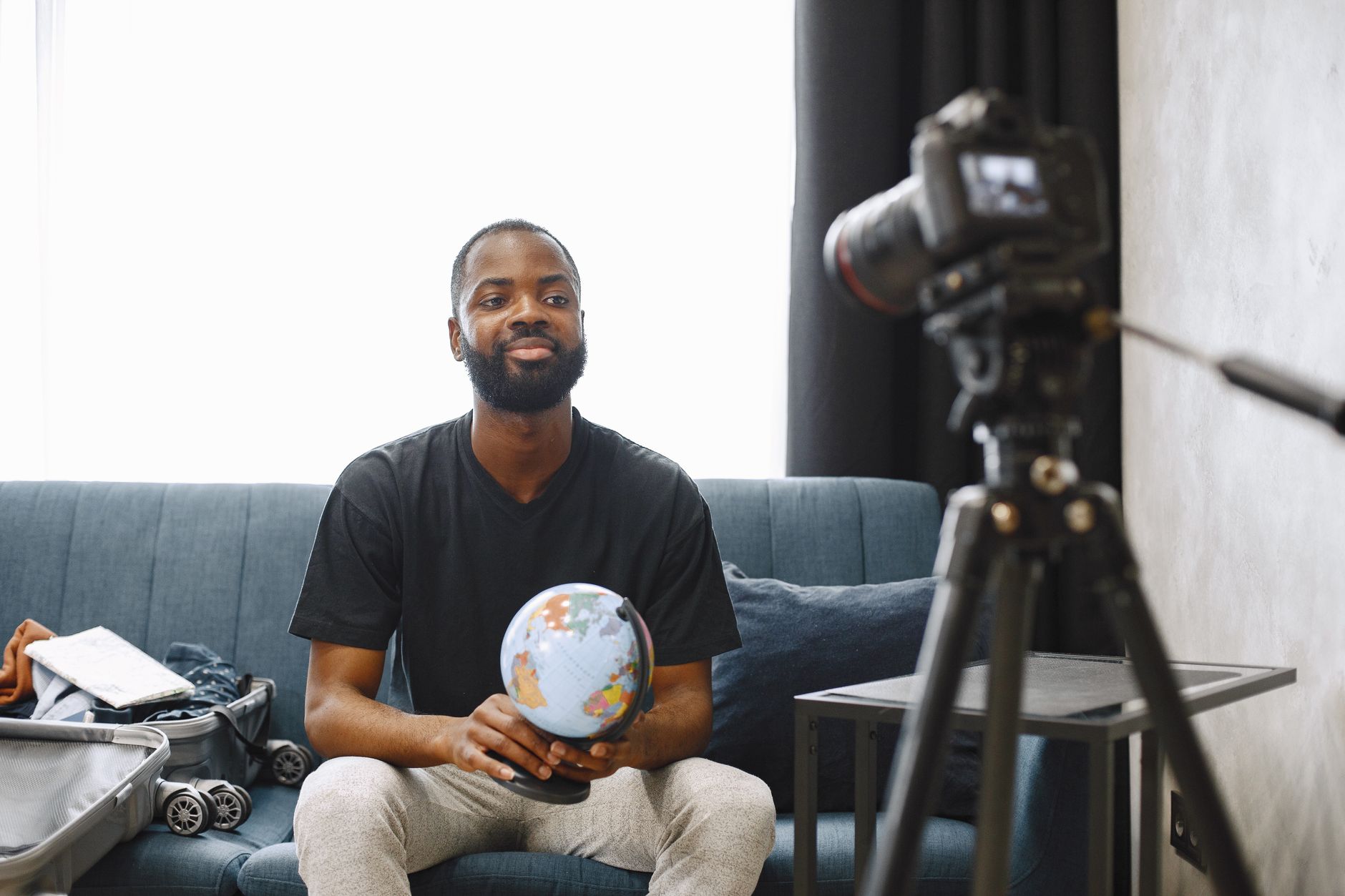
Jak stworzyć klikalną miniaturkę YouTube - Wskazówki, jak zwiększyć CTR

Zacznij od odważnej, wysokokontrastowej ramki, która bezpośrednio komunikuje główną ideę wideo. Użyj photoshop, aby stworzyć czystą, niezatłoczoną grafikę, podkreśl pojedynczy temat i ogranicz tekst nakładki do 1–2 słów. Włącz twarz lub silne wyrażenie, aby przekazać emocje, i upewnij się, że kompozycja działa zarówno w rozdzielczości 1280x720, jak i 320x180. Zauważysz, że pierwsze wrażenie zależy od kontrastu kolorów i ostrych krawędzi.
Wybierz paletę kolorów, która komunikuje energię: żywy pierwszy plan na stonowanym tle zwiększa wpływ. Gdy obraz jest przesyłany dzisiaj, upewnij się, że renderuje się w mniej niż 1,5 sekundy na typowych sieciach mobilnych; nawet opóźnienie 1 sekundy kosztuje procent w początkowym porzucaniu. Stwórz trzy warianty i określ, która kombinacja najbardziej przyciąga uwagę.
Utrzymuj czyste krawędzie; identyfikuj zatłoczone strefy. Zatłoczona ramka lub nakładający się tekst może zaciemnić temat. Użyj powiększenia, aby podkreślić centralny detal; upewnij się, że tekst jest czytelny w małych rozmiarach; celuj w nakładki 2–3 słów, które czytelnik może odczytać jednym spojrzeniem. To podejście pomaga przekazać główną obietnicę jednym spojrzeniem.
Wykorzystaj zasady kompozycji: umieść główny temat po lewej stronie, używając reguły trójpodziału, lub użyj nachylenia w prawo, aby skierować wzrok. Zdjęcie ręki lub zbliżenie może wydawać się intymne; powiększ moment, który sugeruje treść. Uchwyć kluczowy detal, aby przekazać główne przesłanie. Włącz krótką frazę 1–2 słów, która zwiększa jasność, coś, co uzupełnia wypowiadaną wiadomość.
Dla twórców, włącz logo w rogu i testuj nakładki. youtubersi z podobną publicznością często widzą wzrost o 12–35 procent, gdy dodana jest fotografia produktu lub twarz z reakcją. Energia podobna do baterii pochodzi z odważnych, wysokokontrastowych odcieni; paleta inspirowana tonami paddy (ziele) może wydawać się świeża i uziemiona. Utrzymuj scenę minimalną, aby widzowie na małych ekranach mogli zidentyfikować główne przesłanie jednym spojrzeniem.
Śledź wydajność na przestrzeni przesłanych plików i iteruj szybko: porównaj metryki z trzech wariantów, ponownie użyj najlepszego wykonawcy w przyszłych partiach i zapisuj zmianę w zaangażowaniu po każdym wydaniu. Dzisiaj zobaczysz, jak małe zmiany wizualne przekładają się na większy wpływ dla twojego kanału – powtarzalne, oparte na danych i proste do wdrożenia dla youtuberów.
Strategia miniaturek dla YouTube: Projektowanie skoncentrowane na CTR i dostosowanie do Shorts
Jeśli masz sekundę, wybierz większy, odważny tekst w lewym górnym obszarze dla łatwiejszej czytelności na ekranach mobilnych. Ta strategia zmniejsza tarcie dla widza i zwiększa wpływ tam, gdzie uwaga jest ograniczona. Dla Shorts, utrzymuj ramkę niezatłoczoną z pojedynczym punktem centralnym, aby natychmiast przyciągnąć kogoś i wzbudzić podniecenie, tylko kilka słów jest wymaganych.
Jedno badanie mówi, że wysokokontrastowe kolory i zbliżenie twarzy lub wyraźna ikona zwiększają zaangażowanie. Ostatnie badania pokazują, że czytelne bloki tekstu 2–3 słów działają na różnych rozmiarach ekranów. Użyj bloków tekstu 2–3 słów, które są czytelne na rozmiarach ekranów od małych do dużych; wzrost o procent w kliknięciach jest powszechny, gdy projekt jest czysty. To oznacza szybsze zrozumienie na mniejszych ekranach i mniej rozproszeń dla czytelnika. Co to oznacza dla publiczności, to jaśniejsze przekazywanie. Przy podejmowaniu wyboru, preferuj opcje, które czytają się szybko.
Pętla projektowania Shorts: stwórz pionowy układ 9:16 z ciasnym kadrowaniem, odważnym obrysem i prostotą w stylu konmari, aby wyglądał czysto w przepływach pracy protunes i na urządzeniach cyfrowych. Ta pętla zachęca do ponownego oglądania i sprawia, że widz zostaje dłużej, prowadząc do wyższej retencji i wzrostu subskrybentów.
Wskazówki dotyczące przepływu pracy: planuj z podejściem konmari – upraszczaj, oddzielaj i zachowuj tylko to, co dodaje wartość. Zapisz rozmiary dla większych ekranów, ekranów mobilnych i średnich ekranów; przetestuj co najmniej 3 warianty i zmierz wpływ; godziny spędzone na tworzeniu miniaturek powinny się skracać, w miarę jak uczysz się, co napędza przyciąganie i czytanie. Upewnij się, że tekst jest czytelny jednym spojrzeniem i że obraz komunikuje temat bez polegania na zatłoczeniu. Miniaturka powinna być łatwiejsza do zrozumienia i powinna być zaprojektowana, aby poprowadzić widza do następnego kroku, nie tylko do chwilowego spojrzenia.
Pomiar ma znaczenie: śledź procent widzów, wzrost subskrybentów i wskaźnik czytania po każdym wydaniu. Jeśli zauważysz wybór, który prowadzi do wyższego zaangażowania, podwoj go; to pozostawi mniej do zgadywania i zwiększy ogólny wpływ. Celem jest większy zasięg przy mniejszym wysiłku, gdzie jasność staje się podstawą każdej używanej okładki na platformach cyfrowych. To powinno być powtarzalne, adaptowalne do zmian w zachowaniu publiczności i pozostawiające miejsce na eksperymenty.
Wybierz optymalne wymiary miniaturek, format i rozmiar pliku dla jakości renderowania
Pierwszym krokiem jest ustawienie płótna 1280 na 720 pikseli (16:9) i utrzymanie rozmiaru pliku poniżej 2 MB; eksportuj jako JPG lub PNG z profilem kolorów sRGB; ta łatwa podstawa zapewnia ostre krawędzie i szybsze przesyłanie tam na stronie na różnych urządzeniach, potem dostosuj w razie potrzeby.
- Wymiary i układ: 1280x720 px, 16:9; umieść główny temat w obszarze przednim; unikaj zatłoczonych teł, które rozmydlają się na małej ramce; testuj starsze ekrany, zmniejszając do szerokości 320 px, aby zapewnić czytelność; utrzymuj ważne detale w strefie bezpiecznej; skup się na konkretnym punkcie centralnym, aby pierwszą rzeczą, którą widzi widz, było coś jasnego.
- Formaty i kolory: Użyj JPG dla zdjęć; PNG dla grafik lub nakładek tekstowych; wybierz sRGB dla spójnych kolorów; jeśli obraz zawiera cienkie linie lub ostry tekst, PNG tendencuje do ich podkreślenia; akcenty krwistoczerwone mogą podkreślić kluczowe elementy bez przytłaczania sceny; celuj w prosty taniec kontrastów kolorów, który przyciąga uwagę bez krzyku.
- Rozmiar pliku i eksport: Utrzymuj rozmiar pliku poniżej 2 MB; Sugerujemy celowanie w 1–1,5 MB dla szybkiego przesyłania i szybkiego renderowania; dla zdjęć, kompresuj do jakości 85–92 w JPG; dla PNG, unikaj dużej głębokości palety, aby zmniejszyć rozmiar; ogranicz liczbę warstw lub efektów, które zwiększają rozmiar; używaj tylko niezbędnych elementów, aby utrzymać faktyczne renderowanie ostre i to kluczowe dla poprawy doświadczenia dla ludzi.
- Sprawdzanie jakości i testowanie: Przeprowadź serię szybkich sprawdzeń (jasność, kontrast, ostrość krawędzi); upewnij się, że skierowane na przód wyrażenia przekazują podniecenie i emocje; zweryfikuj, że twarz i oczy przyciągają uwagę tam; podglądaj na urządzeniach mobilnych, tabletach i komputerach stacjonarnych, aby potwierdzić, że temat pozostaje czytelny po zmniejszeniu; to pomaga określić, która wersja najlepiej działa na różnych ekranach, przyciągając zainteresowanie ludzi.
- Wersjonowanie i iteracja: Stwórz 2–4 wersje i przetestuj je; pozostawienie starszych wersji jako odniesień pomaga w udoskonalaniu; potem określ, które warianty najlepiej działają na różnych ekranach, i wybierz ten, który wydaje się wart większej uwagi; używaj tylko najbardziej wpływowych elementów i unikaj rozproszeń, które spowalniają przesyłanie; rezultat powinien sprawić, że ludzie się zatrzymają, uśmiechną i zaangażują w twoją treść.
Użyj odważnych, wysokokontrastowych kolorów i wyraźnej typografii dla szybkiego odczytu
Wybierz jedną odważną parę kolorów z maksymalnym kontrastem i umieść nagłówek na czystym, jednolitym tle; to pomoże komuś skanującemu na telefonie odczytać wiadomość w mniej niż dwie sekundy.
Wybierz konkretne kombinacje, takie jak biały na marynarski (#0A1E3D) lub neonowy żółty na czarny (#000000); celuj w stosunek kontrastu co najmniej 7:1. W praktyce ta dodana jasność może poprawić czytelność o 20-40 procent na małych ekranach dzisiaj. Użyj czcionek Adobe, takich jak Source Sans Pro, aby utrzymać linie ostre, i utrzymuj nagłówek na 48-72 px z wysokością linii 1.0–1.25. To utrzymuje kompozycję efektywną i zmniejsza potrzebę spędzania dodatkowego czasu na poprawkach.
Utrzymuj typografię jasną: pojedyncza waga sans-serif dla nagłówka (700–800) z lżejszym podnagłówkiem (300–400); unikaj skryptów lub skondensowanych twarzy, które rozmydlają się w małych rozmiarach. Ta spójność pomaga komuś patrzącemu na obraz szybko, a rezultat wyróżnia się w przewijanych feedach. Użyj odważnych grafik i prostych obrazów stockowych z wysokim kontrastem; jeśli używasz obrazów, preferuj czyste tematy i obfitą negatywną przestrzeń, aby utrzymać tekst czytelny. Co ma znaczenie, to czytelność, a co widzisz, to to, co twoja publiczność zapamięta.
Wizualizacje muszą być niekomplikowane: odważne bloki kolorów, czyste krawędzie i minimalna tekstura. Tony paddy i nadmiernie ciepłe tła tendencją do rozmazywania czytelności; unikaj ich nawet w krwistoczerwonych nakładkach, które mogą sygnalizować pilność, ale zmniejszać jasność. To podejście pomaga zachęcić do wyróżniania się w wskaźnikach i sprawia, że miniaturka jest łatwiejsza do przetworzenia jednym spojrzeniem.
Dzisiaj zastosuj szybki przepływ pracy: przetestuj dwie pary kolorów, dwa rozmiary czcionek i dwa umiejscowienia; zmierz prędkość czytania i zrozumienie na ekranach telefonów, potem dostosuj. Proces jest darmowy, a tylko kilka minut jest wymaganych, aby wypróbować to bezpośrednio w większości edytorów. Z większą praktyką poprawisz się dla konkretnej publiczności i prawdopodobnie zamienisz przypadkowych widzów w subskrybentów. Co widzisz, może zamienić się w trwałą impresję, która wyzwala kliknięcia bez odczuwania chwytliwości.
| Para kolorów | Pierwszy plan / Tło | Stosunek kontrastu | Czcionka | Notatki |
|---|---|---|---|---|
| Biały na marynarski | #FFFFFF na #0A1E3D | ~7:1 | Source Sans Pro 700 | Świetny dla nagłówków; szeroko czytelny na telefonie |
| Neonowy żółty na czarny | #FFFF00 na #000000 | ~12:1 | Adobe Sans | Wysoka widoczność; używaj oszczędnie, aby uniknąć olśnienia |
| Zielony paddy na szary | #A7D27A na #2B2B2B | ~8:1 | Inter lub Source Sans Pro 700 | Energetyczny; dobry dla tematów zdrowotnych/eko |
| Niebieski na biały | #1E4D99 na #FFFFFF | ~8:1 | Source Sans Pro 600 | Spokojny, wszechstronny; działa z grafikami |
Uchwyć silny moment centralny: Twarze, emocje i wartość historii jednym spojrzeniem
Zacznij od pojedynczej ekspresyjnej twarzy, zamrożonej w szczytowym momencie. Widz rozpozna historię jednym spojrzeniem, gdy oczy i usta wyraźnie przekazują emocje. Kadruje ciasno, aby twarz wypełniała około dwie trzecie ramki, pozostawiając mniejsze marginesy, które utrzymują fokus na emocjach.
Przyjmij układ podobny do trójstrefowej tabeli: lewa pokazuje twarz, środek niesie małą wskazówkę (strzałkę strzałka), która wskazuje na akcję, prawa gości minimalną plakietkę brandingową. Ten setup kieruje percepcją i sprawia, że faktyczny moment wyróżnia się. Strzałki pomagają w rozpoznawaniu na ekranach, gdzie małe detale znikają, podczas gdy branding pozostaje czytelny w mniejszych skalach.
Aby zapewnić spójność, replikuj moment centralny w trzech testach w jednej sesji zdjęciowej; spróbuj różnych oświetlenia lub wyrażeń. Poświęć kilka minut na porównanie każdego wariantu na ekranach mobilnych. Czasem lekki gest ręki lub cecha w tle dodaje kontekstu; uwidocznienie krótkiego gestu może zamienić prosty strzał w silniejszą historię. Dla youtuberów, celem jest zamienienie ciekawości widza w wyższe zaangażowanie bez ponoszenia drogiej produkcji.
Użyj kompaktowej formuły: uchwyć, kadruje, nałóż. Uchwyć autentyczny moment; kadruje, aby podkreślić emocjonalną wskazówkę; nałóż małą, klikalną plakietkę lub minimalny tekst, który podkreśla główne przesłanie. Unikaj zasłaniania oczu lub ust; pozwól obrazowi oddychać, aby zawartości czytały się wyraźnie na telefonach. Podkreśl kluczową emocję najpierw, potem kontekst w sekundach, nie w minutach.
Trzy praktyczne wskazówki: fotografuj z szybką migawką, aby zablokować wyrażenie; testuj z różnymi tłami; utrzymuj kompozycję prostą, aby branding pozostał wszechobecny na ekranach. Zauważysz wyższe rozpoznawanie, gdy moment centralny jest nieomylny; nie zatłaczaj ramki dodatkowymi zawartościami lub strzałkami; zachowując zgodność z brandingiem, nadal możesz stworzyć silną, angażującą okładkę, która obraca się przez trzy układy. To podejście pomaga youtuberom utrzymać spójny wygląd bez wydawania więcej niż konieczne.
Włącz krótką nakładkę tekstową, która uzupełnia obraz (3–5 słów)
Użyj nakładki 3–5 słów w wysokokontrastowym białym na ciemnym tle, aby utrzymać tekst wyraźnie czytelny na różnych urządzeniach. Twój projekt powinien współpracować z obrazem, nie zasłaniając centralnych tematów, i musi być zgodny z wytycznymi kanału, aby ton pozostał profesjonalny.
Wybierz frazy 3–5 słów, które uzupełniają scenę i sugerują wartość, nie hałas. Przykłady: 'Najbardziej warta oglądania', 'Co się nauczysz', lub 'Zobacz, co się dzieje'. Te nakładki napędzają klikniętą uwagę, co jest zgodne z treścią na ekranie, niezależnie od tego, czy strzał jest casualowy, czy jakości studyjnej. Praktycznie, utrzymuj to proste i unikaj długich oświadczeń, które się rozmydlają.
Utrzymuj spójność w projektach: używaj odważnej sans-serif, zapewnij wysokokontrastowy tekst i umieść nakładkę tam, gdzie nie zasłania ważnych detali. Jeśli obraz jest rozmyty, dodaj subtelny cień za tekstem, aby utrzymać czytelność. Poprzez proste testy A/B, zmierz wpływ, analizując kliknięcia i zmianę procentową, celując w czytelność na 60–80 procentach ekranów mobilnych. Ćwicz z różnorodnymi scenami; kanały w stylu mrbeast często wygrywają, pozostając zwięzłymi i wyróżniającymi się na zatłoczonych feedach oraz zwiększającymi czas oglądania.
Włącz szybką listę kontrolną, aby usprawnić pracę: 1) fraza 3–5 słów; 2) wysokokontrastowy kolor; 3) twój tekst wyraźnie czytelny; 4) utrzymuj kontrast wobec tła; 5) dostarcz dowody z analizy; 6) unikaj obrazów krwi, chyba że wzmacniają historię.
Czy możesz dodać niestandardowe miniaturki do YouTube Shorts? Kwalifikowalność, kroki i wskazówki
Bezpośrednia odpowiedź: oddzielna powierzchnia okładki przesłana przez użytkownika nie jest dostępna dla Shorts w większości przypadków. Usługa zazwyczaj używa ramki z klipu jako podglądu. Aby wpłynąć na wpływ, zoptymalizuj moment otwarcia, aby pierwszy obraz był jasny i przekonujący.
Kwalifikowalność: nie ma uniwersalnej kontroli do przesyłania dedykowanej okładki dla Shorts. Niektórzy twórcy mogą widzieć eksperymentalne przełączniki w Studio, ale standardowy przepływ polega na otwarciu w wideo. Jeśli potrzebujesz definitywnego, brandowanego wyglądu, opublikuj dłuższą wersję z niestandardową okładką i odnieś się do niej z Shorts, aby poprowadzić widzów do treści evergreen w twojej niszy.
- Otwórz Studio i sprawdź panel Szczegóły dla Short; jeśli opcja okładki istnieje, prześlij obraz 9:16 sized dla oglądania mobilnego. Jeśli opcja jest nieobecna, przejdź do optymalizacji kadrowania w wideo.
- Zrób pierwsze 1–2 sekundy wizualnie silne: twarz ludzka, jasna akcja, wysoki kontrast i minimalne zatłoczenie pierwszego planu poprawiają rozpoznawanie nawet gdy ramka jest przycięta.
- Utrzymuj nakładki i tekst minimalne i czytelne; używaj odważnego koloru i prostej typografii, aby payoff pozostał czytelny po zmniejszeniu wszędzie.
- Dopasuj otwarty strzał do tytułu i tematu, aby zmniejszyć wątpliwości i dopasować oczekiwania widza; to pomaga w sygnałach, na których polega algorytm, aby określić trafność.
- Przetestuj dwa lub trzy warianty otwarcia w ciągu tygodnia i porównaj, która wersja przyniosła więcej klikniętych wyświetleń; ten wydatek czasu na eksperymentowanie to sprytny sposób na dostrojenie wydajności w różnych niszach.
Strategie maksymalizacji wpływu:
- Celuj w większą widoczność, czyniąc początkową ramkę łatwiejszą do interpretacji jednym spojrzeniem; silne pierwsze wrażenie zwiększa szansę, że ktoś kliknie i potem obejrzy dłużej.
- Zrozum sygnały algorytmu: jasne wczesne zaangażowanie, szybkie wskaźniki ukończenia i pozytywne interakcje zwiększają przyszłe rekomendacje.
- Używaj badań i rzeczywistych sprawdzeń, aby kierować decyzjami; jeśli wyniki są mieszane, spróbuj innego podejścia i zmierz wpływ przed zobowiązaniem do jednej ścieżki.
- Utrzymuj branding spójny na klipach: spójne palety kolorów, typografia i wskazówki logo poprawiają rozpoznawanie wszędzie, gdzie publikujesz.
- Poświęć czas na dwa lub trzy warianty testowe i monitoruj wydajność; małe zmiany w ramce otwarcia mogą mieć zaskakująco duży wpływ na wskaźnik klikalności.
- Dla tematów evergreen, zaprojektuj ramkę podobną do okładki, która drażni trwałą wartość; to może zaskoczyć widzów i przyciągnąć kliknięcia z czasem.
- Dla ostrzejszej wydajności, stwórz treści, które mówią do konkretnych nisz; celowane kadrowanie tendencją do lepszego działania niż szerokie, generyczne wizualizacje.
- Załóż, że nie jesteś pewien najlepszego podejścia. W takim przypadku, ćwicz, produkując krótkie sekwencje, które podkreślają elementy ludzkie i jasny payoff, potem porównaj wyniki na publicznościach i regionach.
📚 Więcej na temat tworzenia wideo
- Trendujące hashtagi YouTube, aby zwiększyć zaangażowanie i zdominować swój kanał
- 5 najlepszych praktyk dla reklam wideo YouTube, aby zwiększyć zaangażowanie i ROI
- Od zera do 30K subskrybentów YouTube w 6 miesięcy: Jak ten twórca to zrobił
- 5 szablonów opisów YouTube, aby uzyskać więcej wyświetleń
- Jak nagrać wideo YouTube w profesjonalnej jakości - 7 kroków
Wyślij krótkie zapytanie
Opisz stronę, cele, odbiorców i budżet, aby omówić propozycję.