Kompletny przewodnik po szybkiej komercji – holistyczne podejście


Zbuduj szczupłą sieć ostatniej mili z zdywersyfikowanym zestawem dostawców, aby zmniejszyć opóźnienia i zwiększyć dostępność. W szybko zmieniającym się krajobrazie popytu mapuj regionalne zapasy, aby zminimalizować niedostępne produkty, i organizuj masowe dostawy raz w tygodniu tam, gdzie marże na to pozwalają.
Skupienie: Nisza SKU o stałym popycie, połączona z przyjaznym dla użytkownika interfejsem, zwiększa dostępność i wskaźniki konwersji, jednocześnie utrzymując szczupłe zapasy. Po zidentyfikowaniu głównych nisz promuj uzupełnianie, aby dopasować je do popytu i zmniejszyć marnotrawstwo.
Przyjmij model hub-and-spoke, aby zapewnić terminowe dostawy, z przejrzystym ETA i stawkami dla różnych poziomów usług. Używaj danych do szybkiego identyfikowania niedostępnych produktów i przekierowywania zamówień do pobliskich hubów. Zapewnij kompletne doświadczenie finalizacji zakupów z przyjaznym dla użytkownika wyszukiwaniem i filtrami.
Strategiczna ekspansja: Dostępność w różnych kanałach, połączona z przejrzystym cenami, zmniejsza tarcie dla niszowych klientów i rozszerza potencjalną publiczność. Dobrze zorganizowany katalog umożliwia masowe zakupy dla klientów biznesowych, jednocześnie utrzymując szczupłe i szybkie zamówienia konsumenckie.
Ta rama zapewnia odporność operacjom, gwarantując, że sygnały popytu przekładają się na niezawodną obsługę, nawet gdy warunki rynkowe się zmieniają. Poprzez priorytetyzację efektywności ostatniej mili, ciągłą współpracę z dostawcami i kompletne, przyjazne dla użytkownika doświadczenie, zespoły mogą zmniejszyć niedostępne zapasy, chronić marże i wspierać zrównoważony wzrost.
Praktyczny plan budowy MVP QCommerce
Uruchom pięciotygodniowy sprint MVP skierowany na jedno miasto i jedną kategorię o wysokim popycie. Zintegruj bramki płatnicze wcześnie (dwie opcje), włącz dostawę w tym samym dniu za pośrednictwem zaufanego partnera logistycznego zewnętrznego, i ustal cele marżowe od pierwszego dnia. Pamiętaj o ekonomii jednostkowej, dokumentuj decyzje w krótkiej notatce autora i udostępnij roadmapę dla wyrównania zespołu.
Struktura obejmuje trzy fazy: Faza 1 onboarding merchantów i katalogu, Faza 2 przepływ zamówień, płatności i dystrybucji, Faza 3 optymalizacja i skalowanie. Używaj sygnałów danych do decyzji, co budować dalej. Zapewnij gotowość operacyjną ze szczupłym stosem technologicznym i bezproblemowymi integracjami zewnętrznymi.
Plan dystrybucji skupia się na dostawach w mieście, odbiorze przy krawężniku i sieciach partnerskich. Wybierz bramki płatnicze z redundancją i spójnym doświadczeniem finalizacji zakupów w różnych kanałach. Wyrównaj z dostawcami za pośrednictwem standardowych API, zweryfikuj bezpieczeństwo i utrzymuj listę podstawowych możliwości: zapasy, ceny, finalizacja zakupów i dostawa.
Techniczna podstawa podkreśla modularność: lekki backend, mikrousługi dla płatności, bramek i dystrybucji. Przyjmij elastyczną architekturę, zintegruj dostawców zewnętrznych, przetestuj przepływy end-to-end i monitoruj wskaźniki błędów. Zapewnij, że rosnące zapotrzebowanie jest obsługiwane przez skalowalne zasoby i to samo doświadczenie użytkownika w różnych punktach kontaktowych.
Model komercyjny i marże: zdefiniuj struktury cenowe, prowizje, opłaty za dostawę i opcjonalne subskrypcje. Ustal cele marżowe i przeprowadź testy wrażliwości, aby prognozować wpływ. Śledź status każdego segmentu merchantów, udostępniaj wyniki interesariuszom i utrzymuj autora każdego eksperymentu odpowiedzialnego.
Idź-na-rynek i wsparcie: onboarding pierwszych merchantów z dwutygodniowym pilotażem, zbieraj feedback i iteruj szybko. Zbuduj lekki kanał wsparcia, opublikuj treści samopomocy i wyrównaj z właścicielami na poziomie autora dla każdej funkcji.
Ryzyko i zarządzanie: monitoruj ryzyko zewnętrzne, zapewnij uptime bramek, wdroż kontrole oszustw i utrzymuj polityki danych. Pamiętaj o zaufaniu klientów poprzez jasne warunki i responsywne zwroty. Zaplanuj kwartalne przeglądy, aby dostosować roadmapę, cele wzrostu i priorytety operacyjne.
Zdefiniuj podstawowe oferty i asortyment MVP
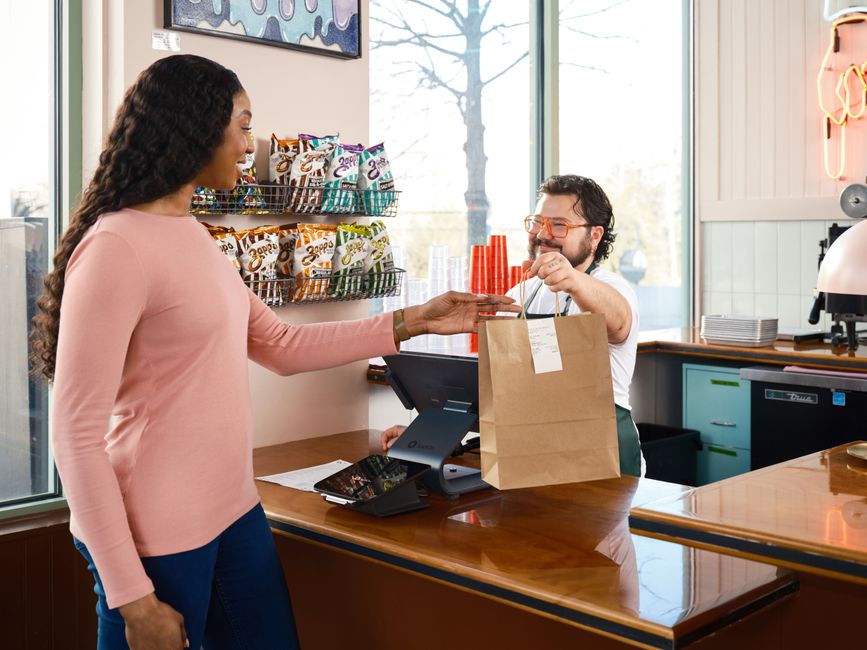
Zalecenie: utrzymuj szczupły, efektywny zestaw 8-12 SKU na kategorię o wysokim popycie, aby osiągnąć usprawnione operacje i silne marże. Zbuduj model hiperlokalnego pokrycia, który celuje w produkty o szybkiej prędkości od zamówienia do drzwi w promieniu 1,5-3 km wokół węzłów mikro-wypełniania, zapewniając obsługę okresów szczytowych bez nadmiernych zapasów. To skupienie od początku umożliwia przewidywalną ekonomię i szybszy czas dostawy.
Kluczowe zasady struktury:
- Ogranicz do 6-8 podstawowych produktów na kategorię, aby utrzymać szeroki, ale zarządzalny katalog, umożliwiając dokładną prognozę i łatwiejsze pakowanie.
- Wybierz niestandardowe paczki i kombinacje, aby podnieść średnią wartość zamówienia, jednocześnie utrzymując marże i przejrzystość cen.
- Bezpośrednio negocjuj z głównymi dostawcami dla podstawowych linii, aby zmniejszyć dryf marż i poprawić niezawodność; utrzymuj zarządzany katalog z jasnymi ścieżkami pobierania.
- Utrzymuj wysokie pokrycie, mapując węzły mikro-wypełniania do popytu strefowego, zapewniając brak luk w popularnych produktach.
- Ustanów zautomatyzowaną prognozę i pętle feedbacku, które automatycznie dostosowują asortyment na podstawie żywych sprzedaży, sezonowości i promocji.
- Zaprojektuj podejście do pakowania dla prędkości i łatwości, używając kompaktowych, przyjaznych dla kartonów formatów; to zmniejsza czas obsługi i marnotrawstwo.
- Monitoruj ekonomię i marże tygodniowo, dostosowując ceny lub substytucje, aby zachować rentowność bez poświęcania poziomu usług.
Każdy produkt powinien być zdefiniowany przez minimalny, modułowy zestaw atrybutów, aby przyspieszyć pakowanie i pobieranie.
Mapuj ścieżki klienta i przepływy finalizacji zakupów
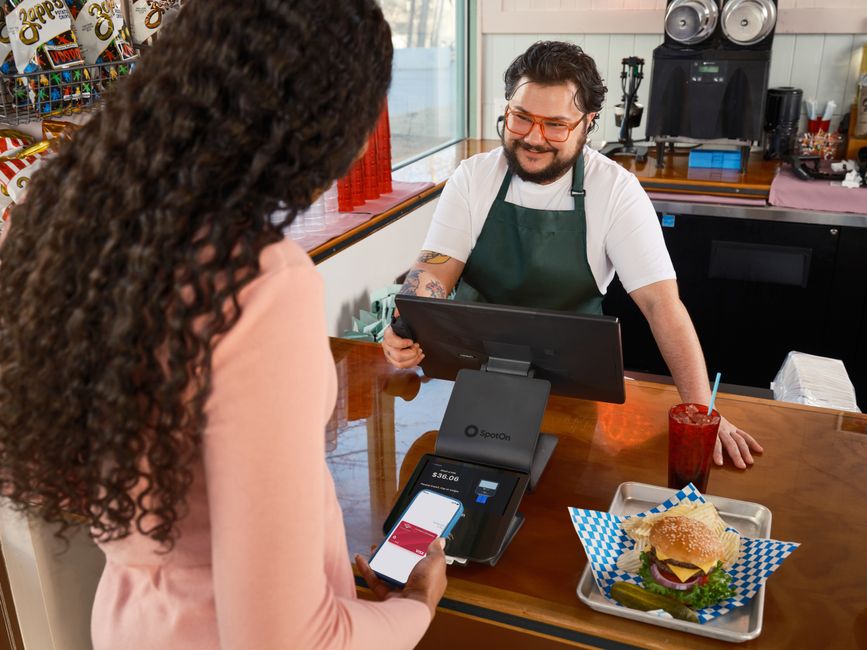
Ekspert zaleca konsolidację punktów kontaktowych w pojedynczy, agnostyczny dla urządzeń przepływ finalizacji zakupów i oferowanie beztarciowej ścieżki od wyszukiwania do zakupu, zwłaszcza dla zakupów spożywczych, w ciągu 90 dni, aby zmniejszyć porzucanie koszyków o 15%.
Badania map ujawniają, gdzie występuje tarcie i jak żądania klientów zmieniają się w zależności od kanału. Wykorzystaj zunifikowany system do śledzenia ścieżki od wyszukiwania do finalizacji zakupów, i w ramach marż dostosuj przepływ, aby skrócić kroki, zwiększyć ukończenia i poprawić widoczność zapasów w różnych sklepach.
Plan oparty na modelu skupia się na graczu w każdej fazie i wdraża blueprint rozwiązania do uruchomienia funkcji takich jak autofill, zapis adresu i przyspieszona finalizacja zakupów, zmniejszając dotknięcia i wspierając płynne przejście od koszyka do płatności z UI bogatym w zaufanie.
Ciemne sklepy i lokalizacje fizyczne muszą być zsynchronizowane za pośrednictwem technologii opartej na API; zapewnij opcje wyboru pokazujące okna dostaw, odbiór i alternatywy w sklepie; użyj pojedynczego systemu do prezentowania spójnych cen i zapasów, budując zaufanie i powtarzalne zakupy.
Mierz i iteruj: twój zespół powinien monitorować konwersję finalizacji zakupów, wskaźnik dodania do koszyka, czas do zakupu i marże według kanału; przeprowadzaj etapowe uruchomienia, zbieraj feedback i iteruj w ciągu 30 dni, aby przyspieszyć wzrost i utrzymać zaufanie w różnych kanałach.
Wybierz lekki stos technologiczny i infrastrukturę
Przyjmij kompaktowy, modułowy stos: środowisko Node.js, PostgreSQL dla podstawowych danych, Redis lub Memcached dla buforowania, wdrożone na zarządzanej chmurze z serverless lub lekkimi kontenerami. To ustawienie bezpośrednio skaluje się z popytem, minimalizuje opóźnienia dla klientów i detalistów, i wspiera zamówienia spożywcze przez całą dobę. Zidentyfikuj istniejące obciążenia i zmapuj je do odrębnych usług, aby uniknąć nadprovisioningu. Celuj w opóźnienie end-to-end poniżej 100 ms, 99,95% uptime i pojemność dla 20k–50k jednoczesnych sesji w oknach szczytowych.
Infrastruktura powinna podkreślać bramki, efektywność sieci i możliwości edge. Użyj bramek, które kończą API blisko użytkownika, buforują gorące dane na edge i kierują zamówienia do floty pojazdów. xpdel może optymalizować routing i przekazywanie, poprawiając stawki i niezawodność. Dla aplikacji, które działają na mobile, web lub kiosku, utrzymuj proste modele danych i zidentyfikowane przez domenę, aby zmniejszyć sprzężenie. Buforowanie edge może zmniejszyć pobieranie z origin o 40–60%, obniżając wskaźniki wywołań backendu.
Elastyczne wdrożenie w regionach sieci zapewnia skalę wertykalną bez duplikowania logiki. Pojedyncza sieć może wspierać wiele wertykalnych marketplace'ów (spożywcze, apteka, logistyka) bez duplikowania logiki. Użyj usługi routingu zorientowanej na pojazd, zintegrowanej z przepływem zamówień, aby kierowcy otrzymywali stabilne aktualizacje ETA. Zaplanuj 5–8 regionalnych bramek i 2–3 regiony failover, aby utrzymać uptime.
Zgodność i bezpieczeństwo są niepodważalne: włącz dostęp oparty na rolach, ślady audytu, kontrole rezydencji danych i zabezpieczenia prywatności. Preferuj bramki, które zapewniają OAuth, klucze API i ograniczone uprawnienia; to daje przewidywalne stawki i chroni dane klientów, jednocześnie utrzymując zarządzalne ciśnienie regulacyjne.
Aplikacje powinny składać się z małych, niezależnych usług z jasnymi granicami. Te zidentyfikowane usługi mogą być aktualizowane niezależnie, zmniejszając przestoje i umożliwiając eksperymenty z nowymi przypadkami użycia. To czyni detalistów bardziej responsywnymi na zmiany popytu i pomaga uchwycić dodatkowe korzyści w segmencie spożywczym.
W ramach wdrożenia priorytetyzuj lekkie bazy danych, wiadomościowanie oparte na zdarzeniach i trwałe kolejki. Użyj xpdel do koordynacji ostatniej mili tam, gdzie możliwe, jednocześnie zapewniając, że bramki obsługują autentykację, logikę ponownego próbowania i idempotencję, aby zamówienia klientów docierały poprawnie nawet w szczytowym obciążeniu. To podejście utrzymuje niskie opóźnienia, wspiera zamówienia przez całą dobę i zachowuje doświadczenie klienta w różnych kanałach.
Ustal mierzalne KPI uruchomienia i benchmarki
Patrząc na przyspieszenie impetu, ustal trzy KPI z góry: leady według lokalizacji, wskaźnik konwersji finalizacji zakupów i udział dostaw przyspieszonych, strategicznie wyrównane z bieżącymi potrzebami, jednocześnie patrząc na dane z magazynów informujące cele.
-
Leady według lokalizacji: baza 2400 tygodniowo; cel 3800 do tygodnia 6; zbieraj za pośrednictwem promptów finalizacji zakupów, rejestracji na landing-page i promptów QR w sklepie; źródła danych: CRM, POS i sygnały w aplikacji; deduplikuj rekordy; właściciel: lider wzrostu regionalnego; działania: uruchamiaj zlokalizowane promocje i zoptymalizowane przepływy rejestracji, aby zwiększyć punkty wejścia.
-
Wskaźnik konwersji finalizacji zakupów: baza 18%; cel 26% do tygodnia 6; wdroż dwa testy A/B na przepływie finalizacji zakupów, finalizacji dla gości, uproszczeniu pola adresu i kodach promocyjnych; pomiar: zdarzenia w platformie analitycznej; jakość danych: dane sesji, elementy koszyka i ID użytkownika; właściciel: lider CRO; działania: iteruj tygodniowo i udostępniaj wnioski ekspertom dla decyzji o rollout.
-
Udział dostaw przyspieszonych: baza 0,5% zamówień; cel 6% do tygodnia 6; eksperymentuj z opcjami kurierskimi, partnerami ostatniej mili i wyborami okien czasowych; pomiar: zamówienia z tagiem przyspieszonym podzielone przez całkowite zamówienia; dane z OMS i WMS; właściciel: lider operacji; działania: testuj 2-3 kody pocztowe na tydzień; dąż do obniżenia inwestycji przy rozszerzaniu pokrycia.
-
Średnia wartość zamówienia (AOV) i rozmiar koszyka: baza 42 USD; cel 46 USD do tygodnia 6; promuj cross-sell i kuratowany wybór; śledź według elementów linii finalizacji zakupów; dane: historie zamówień w platformie analitycznej; właściciel: lider merchandisingu; działania: wdroż prompty up-sell i zoptymalizowany wybór produktów, aby sprostać potrzebom gospodarstw domowych.
-
Dokładność realizacji i dostawa na czas: cel 98% na czas, <2% błędów zamówień; pomiar według zdarzeń realizacji z informacji magazynowych i potwierdzeń dostaw; właściciel: menedżer logistyki; działania: dostrój ścieżki pobierania i szkolenie personelu; tygodniowy przegląd z ekspertami, aby dostosować według mieszanki lokalizacji.
-
Pokrycie wyboru SKU: zapewnij, że top 200 produktów spełnia 95% popytu w zestawie pilotażowym; monitoruj wskaźnik uzupełnienia i braki zapasów według magazynów; dane: WMS i dane zapasów ERP; właściciel: lider uzupełniania; działania: dostosuj asortyment i czasy realizacji dostawców; wyrównaj mieszankę z bieżącymi potrzebami w kanałach tradycyjnych i online.
-
ROI i efektywność inwestycji: śledź przyrostowy przychód na lokalizację i wydatki; cel okres zwrotu poniżej 12 tygodni; dane: ERP i CRM + atrybucja marketingowa; właściciele: liderzy finansów i wzrostu; działania: reallocuj budżet ku wysokowydajnym lokalizacjom, dąż do niższej inwestycji dla testów i skaluj do top tier lokalizacji.
-
Kadencja odpowiedzi: eskaluj niedowydajne lokalizacje w ciągu 7 dni; pomiar: problemy rozwiązane w ciągu 48 godzin; źródła danych: pulpity operacyjne, CRM; właściciel: menedżer programu; działania: tygodniowe przeglądy cross-funkcyjne z ekspertami, aby szybko dostosować taktyki.
Zaprojektuj 4-tygodniowy backlog MVP z uprzywilejowanymi funkcjami
Zacznij od modułu podstawowego przepływu zamówień, aby zweryfikować opłacalność q-commerce w Tygodniu 1; priorytetyzuj funkcje dostarczające pierwszą wartość szybko.
Wyobraź sobie minimalny toolkit storefront: katalog, konta osobiste, finalizacja zakupów, monitorowanie. Włącz lekkie usługi, prosty przełącznik dla ulepszeń i warunki wpływające na okno dostawy. Rozpoczęcie z małym globalnym footprintem pomaga porównać z legacy sklepami, jednocześnie utrzymując feedback szybki i konkretny. Więcej wartości pochodzi z zaciskania warstw oprogramowania zamiast gonienia perfekcji.
Rozpoczynając od jasnej ramy priorytetyzacji opartej na wpływie i ryzyku, adresuj niepewności, monitoruj wydajność okna i dostosuj zakres odpowiednio. Ustaw 1-tygodniowe okno na przegląd i replanowanie, aby utrzymać tempo. Każda część backlogu wiąże się z wartością użytkownika. Ten backlog używa jasnych powierzchni API. Zapewnianie pętli feedbacku opartych na danych wspiera ciągłe ulepszenia. Użyj lekkiej infrastruktury, która wspiera stałe ulepszenia i dostarcza know-how zespołom w różnych stronach internetowych i usługach. Zespoły wiedzą, gdzie poprawić.
| Funkcja | Tydzień | Priorytet | Zakres & Uzasadnienie | Metryki |
|---|---|---|---|---|
| Podstawowa finalizacja zakupów & przepływ zamówień (q-commerce) | Tydzień 1 | Wysoki | Włącz koszyk, trwałą sesję, sandbox płatności, aktualizacje statusu zamówienia; adresuj warunki sukcesu płatności i sygnały zapasów | Czas do pierwszego zamówienia, wskaźnik koszyk-do-finalizacji, wskaźnik sukcesu płatności |
| Katalog, zasoby obrazów, wyszukiwanie | Tydzień 1 | Wysoki | Włącz dane produktów, renderowanie obrazów, podstawowe wyszukiwanie i filtry | Opóźnienie renderowania produktu, wskaźnik trafień wyszukiwania |
| Autentykacja użytkownika & dane osobiste (adresy, profile) | Tydzień 2 | Średnio-Wysoki | Włącz przepływ sign-in, zapisane adresy, podstawową personalizację | Wskaźnik sign-in nowych użytkowników, wskaźnik zapisu adresu, czas trwania sesji |
| Sygnały zapasów & okno dostawy | Tydzień 2 | Średni | Adresuj warunki dostępności, pokaż okno dostawy, zintegruj z podstawową logistyką | Dokładność zapasów, dokładność okna dostawy |
| Integracja bramki płatniczej (sandbox do prod) | Tydzień 1-2 | Wysoki | Włącz bezpieczną tokenizację, logikę ponownego próbowania, fallback | Wskaźnik niepowodzeń transakcji, sukces ponownego próbowania |
| Monitorowanie & pulpity | Tydzień 3-4 | Średni | Dostarcz monitorowanie opóźnień, wskaźników błędów; monitoruj infrastrukturę i usługi | Opóźnienie p95, wskaźnik błędów, pokrycie monitoringu |
| Szkielet infrastruktury & podstawy bezpieczeństwa | Tydzień 4 | Średni | Adresuj skalowanie, backupy, kontrole dostępu, przełączniki funkcji | Częstotliwość wdrożeń, MTTR |
Zaplanuj testowanie pilotażowe i feedback z wczesnymi adopterami
Zacznij od 14-dniowego pilotażu w dwóch centrach sklepowych, angażując 25–40 uczestników, skupiając się na kompaktowym pakiecie 3 ofert i 2 modeli. Zbieraj dane bezpośrednio z systemów źródłowych i API, mierz wpływ gotówkowy i benchmarkuj przeciwko znanym konkurentom, aby udowodnić wartość szybciej.
Fazy: Faza 1 konfiguruje silniki decyzyjne, integracje danych i kontrole dostępu; Faza 2 weryfikuje wyniki przeciwko metrykom bazowym. Użyj mapowania do łączenia sygnałów finalizacji zakupów z ofertami i modelami, i osadź kontrole bezpieczeństwa od pierwszego dnia.
Wybieranie podstawowych komponentów: 2-3 dynamiczne oferty, 2 podejścia modelowania i bezpośrednie ścieżki realizacji. Podłącz dane z systemów źródłowych do silników decyzyjnych za pośrednictwem API; ustal punkty kontroli i ustaw znane progi dla ryzyka i ROI.
Budowanie szybszego feedbacku: stwórz strukturalne kanały do zbierania jakościowych notatek i ilościowych sygnałów od wczesnych adopterów, i stosuj lekcje do dostrojenia cen, umiejscowienia i timingu ofert. Pamiętaj o prywatności i wyrównaj z ograniczeniami bezpieczeństwa.
Transformacja oparta na danych: monitoruj dane w centrach, śledź deltę gotówkową, średnią wartość zamówienia i konwersję; użyj znanych baz do oceny ROI i zdecyduj o przyspieszeniu wdrożenia.
Skalowanie po pilotażu: wybieraj dodatkowe centra, rozszerzaj źródła danych, wykorzystuj API do szybszego rolloutu i stosuj wyuczone mapowanie do prowadzenia efektywnych operacji w sieci sklepowej; wyrównaj wdrożenie ze standardami bezpieczeństwa i utrzymuj ścisłą kontrolę przy rozszerzaniu.
Wyślij krótkie zapytanie
Opisz stronę, cele, odbiorców i budżet, aby omówić propozycję.
Related Articles

Klucz API SimilarWeb: Kompletny przewodnik po konfiguracji, zarządzaniu i najlepszych praktykach
June 29, 2026
Jak wdrożyć strategię content marketingu B2B: Praktyczny, krok po kroku przewodnik
December 23, 2025