7 AI Video Editors for Creative Teams and Businesses in 2026
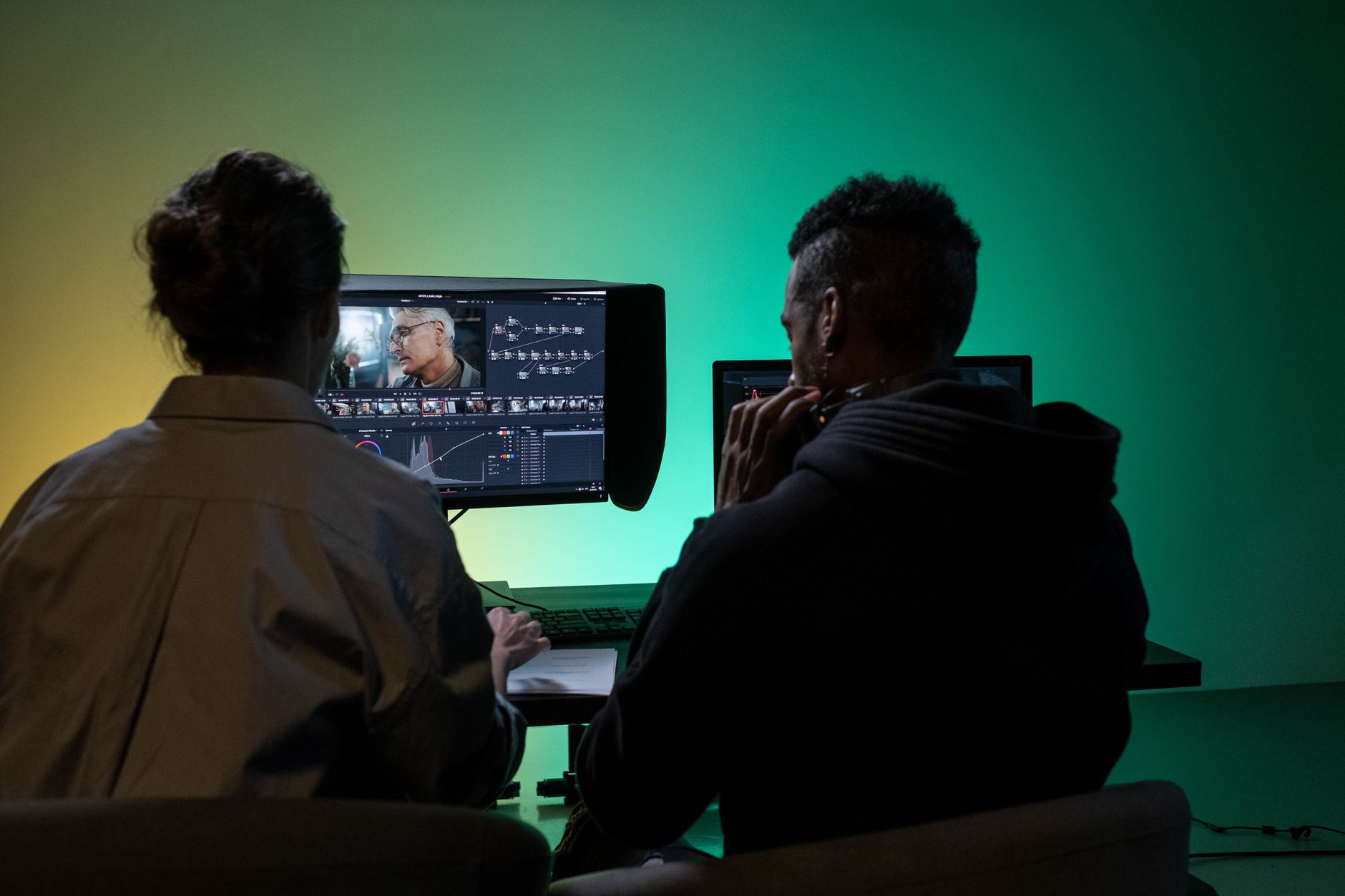
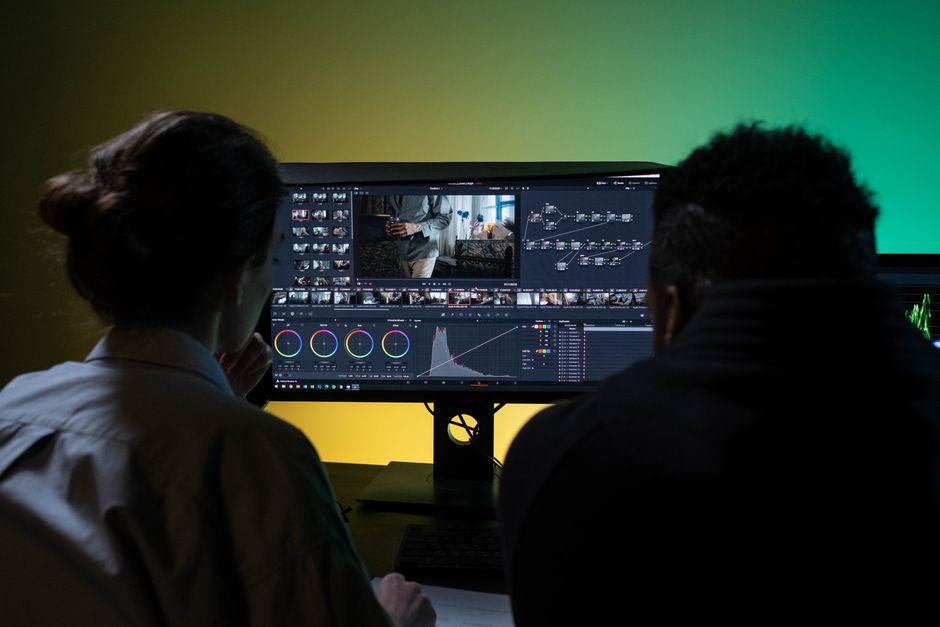
Start with Runway for fast prototyping and real-time collaboration. This creative platform lets your team edit together in a live demo view, so you can validate ideas as they evolve. It’s easily accessible from a browser, and its vast set of AI tools helps you turn rough footage into polished scenes without leaving the workspace. The templates and patterns you’ll find within the library are designed for large projects, and the workflow is easily adopted by both creator teams and marketers.
Descript composes narration and video editing in one place. It supports transcripts, synthetic voice generation, helps creator teams align scripts with visuals. Its AI generation capabilities enable turning text prompts into scenes, so you can demo options and compare frames together with stakeholders. Descript, originally developed for podcasts, now scales to marketing and training videos with dependable results.
Veed and Kapwing broaden accessibility for small teams. These accessible editors offer templates canva-style and a vast library of stock assets, with export options that post onto social networks in minutes. For teams building a rapid content cycle, they’re ideal for something like daily demos and micro-campaigns, without heavy setup. Some teams even use canva for quick drafts.
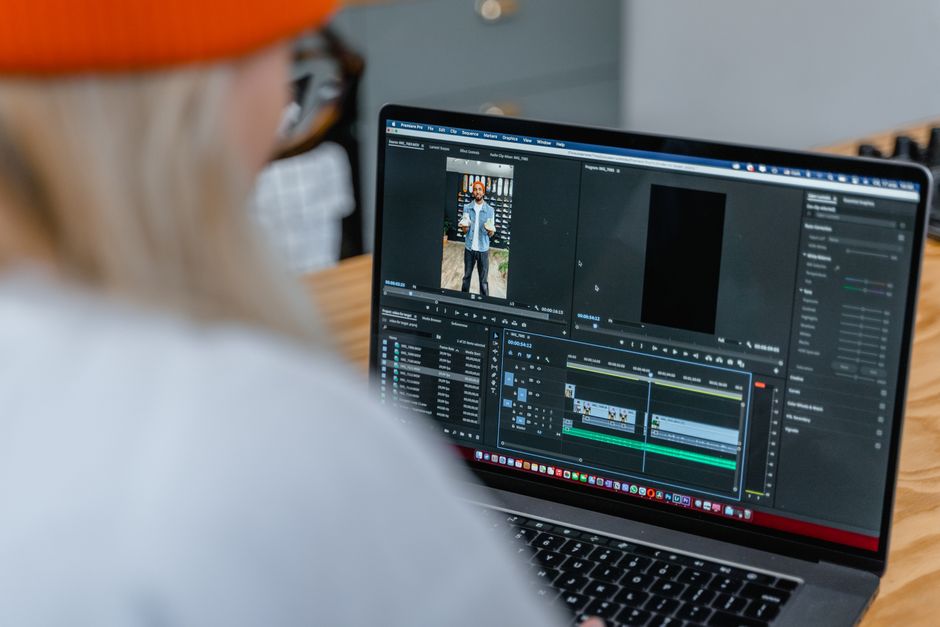
Adobe Premiere Pro with integrated AI features offers robust workflows for large productions and teams already invested in a studio setup. Its large ecosystem, continuous updates, and developed templates ensure continuity across departments. For together collaboration at scale, enterprise plans integrate with asset management and project sharing, keeping assets within a secure boundary. For synthetic media workflows, partners often pair it with dedicated AI tools, enabling you to manage generation tasks, verify outputs, and maintain brand consistency across every clip.
When evaluating these editors, align features with your team’s creative goals, creator workflows, and the cadence of your projects. Look for accessible collaboration, a large asset library, and easily configurable approval flows. Validate with a short demo using a something like a recap video, then decide which tool supports your people together across departments, from within the organization to client-facing teams. A practical approach is to pilot two editors side by side on a single project and move onto a longer pilot if outcomes stay consistent.
How to compare AI video editors for cross-team collaboration and brand consistency
Choose an editor with a centralized collaboration framework to manage assets and approvals across teams, mainly to keep brand elements aligned from script to final cut and to reduce rework.
Prioritize captions and transcription that you can trust: the editor should support automating transcriptions, with detection for different speakers and silence, and allow you to attach a script to timeline sections. It should transcribe and edit bits of footage, and enable prompting to shape the generator's outputs, so teams can work together without stepping on each other’s changes.
For brand fidelity, demand custom branding controls, reusable templates, color presets, and logo placement, plus an option to export clean film without watermarked branding for production. Ensure you can train the model on your assets so outputs stay consistent, even when teams split tasks or work separately on different scenes.
Set a clear framework to compare benefits and trade-offs, focusing on privacy, export quality, and how well the editor supports captions, transcribe, and prompting, which affects output fidelity. Check options to export without watermark, or apply a standard watermark policy, and define a process to review automated edits before final delivery. These factors are considered when scoring editors. Include scenario-based checks to catch misalignment and require human input when needed.
Run a pilot with a shared brand brief, assign roles, and track how fast teams can produce consistent captions and branded scenes. Have editors work together on one cut and, in a separate round, split tasks across individuals to compare speed and rework. Presumably, the best option yields reliable prompts, strong detection, and a smooth film flow; it should keep the background quiet when necessary and deliver clean, non-watermarked outputs for review.
Key automation, templates, and brand-kit features to shortlist
Pick a platform that combines automation, templates, and a brand-kit in one workflow to deliver consistent results across channels. This choice minimizes handoffs and speeds up publishing for creative teams and businesses.
This section outlines practical criteria to compare editors quickly and stay aligned with your production goals.
- Automation and integrations
- Zapier and similar connectors to slash manual steps, delivering on schedule with minimal human input.
- Available triggers and actions that align with your production rhythm, such as asset updates, renders, and exports.
- If your team prefers a right, single-pane solution, choose a platform that unifies automation, templates, and brand-kit.
- Brand-kit and templates
- Robust brand-kit with right fonts, colors, logos, and visual patterns; ensures consistency across scenes and outputs.
- Adobe-ready asset import, accessible templates, and a library of images to accelerate production.
- Available sections and templates to cover social cuts, long-form, and ad formats in a single framework.
- Custom assets and generation
- Custom outputs allow applying your training data to generate generation-ready visuals.
- Train the system on your assets to produce generation-ready clips, with patterns that stay within brand rules.
- Supports training iterations to refine results without sacrificing speed.
- Performance, pricing, and capacity
- Check plans that can handle producing videosmonth and scale from basic to enterprise levels without extra friction.
- Look for predictable pricing, clear limits on exports, and a straightforward upgrade path as your needs grow.
- Working style and framework alignment
- Prefer tools that fit your right framework and traditional workflows only if required; otherwise favor automation-first, modular approaches.
- Ensure the platform supports applying patterns and helps teams understand data flows.
Best practices for rapid iteration: comments, versions, and approvals
Set a 24-hour comment window for every rough cut to maintain momentum. Having a single owner for each asset reduces branching decisions; ensure comments are actionable–state what to change, where, and why. This keeps teams aligned and simply speeds up delivering.
Implement a clear versioning discipline with V1.0, V1.1, V2.0, and a one-line changelog that notes the asset affected and the reason for the update. Tag the parts (script, VO, rough cut, captions) so reviewers know exactly what changed and where to look, which keeps the process quick in enterprise workspaces.
Versioning and approvals
Define a single approval gate per asset. The designated approver signs off, and any blockers route to a named contact. If feedback stalls after 12 hours, trigger an escalation to the next reviewer to keep delivering on deadlines. Maintain a lightweight audit trail by linking each comment to a version and a timestamp.
AI-assisted speed tips
Ground the process in the original script and interviews. Use a deepspeech pipeline to produce a rough transcript and captions, then apply a generative model to craft alternative subtitle timings and phrasing for different audiences. Ensure the uploaded assets carry источник and clearly labeled credits. Balance speed with accuracy by validating a quick sample against the source and reserving final sign-off for the enterprise owner.
In practice, a quick 25month cycle can simplify reviews and delivering to audiences, having a clear contact list and defined SLAs. For example, tools like vyond can help preview the look early, but always verify captions and subtitles against the script to avoid drift. Simply reuse the same structure for each asset, keeping your_parts naming and source links consistent.
Budgeting, licensing, SSO, and data privacy considerations for enterprises
Adopt a three-tier budgeting model for AI video editors: lock in a baseline license for core creators, set usage-based allowances for collaborators, and reserve 15-20% of the budget for privacy controls and vendor risk management. This approach keeps spend predictable, supports a clear data protection approach, and scales with team growth.
Baseline licenses should cover the majority of output creators. For enterprise teams of 50-200 users, plan approximately 12-25 USD per seat per month for core features, with additional per-seat or per-feature add-ons (voiceovers, sound optimization, and animation options) priced separately. Track spend by category–licensing, platform service, and storage–to keep the overall cost clean and transparent, and limit unused licenses to reduce waste. If a feature is not needed, remove it from the contract; else you can reallocate funds to higher-value capabilities. In parallel, set a hard cap on post-production credits to prevent runaway costs.
Licensing models should align with actual uses: prefer a base annual commitment for core teams, plus flexible credits for seasonal authors or project-based workloads. Demand a transparent per-minute export rate for large campaigns and a separate tier for international work, where data residency needs differ. Analyze the total cost of ownership (TCO) across 12-18 months, and require a clear sunset clause for underutilized licenses to reallocate funds. Prepare a short list of name-brand and private-platform options, then run a rough comparison of features, support, and ramp time before finalizing the choice.
Licensing, platform options, and budgeting best practices
Choose platform options with strong governance: SSO readiness, robust audit trails, and clean integration paths for identity and access management. Ensure the chosen platform supports separate environments for development, testing, and production to prevent cross-contamination of raw material and finished posts. Build a budgets-and-features matrix that maps each line item to a business outcome, then validate it against a 90-day rolling forecast. Use a dedicated resource allocation approach for assets like animation material, voiceovers, and sound effects to avoid bottlenecks in post-production workflows. Plan for contingency–allocate a small reserve for incident response resources and detection tooling, so the cost impact stays manageable even under pressure. Maintain a single source of truth (источник) for licensing data, contracts, and SSO configuration to simplify audits and analytics. Analyze usage reports separately by team to identify over- or under-utilization, and adjust licenses accordingly. If a team expands, scale up incrementally rather than deploying large, abrupt increases. For vendors, require a clear data-handling appendix and a privacy-by-design approach, focusing on permissions, data minimization, and retention windows. This setup reduces risk when teams handle sensitive materials and voiceovers across multiple markets, and it keeps scrolling and UI flows intuitive for non-technical users who mainly produce clean video outputs.
SSO, data privacy, and governance
Implement SSO with one of the standard protocols (SAML 2.0, OAuth 2.0, or OpenID Connect) and enforce MFA to reduce attacker exposure. Provision users via SCIM or similar automation, so access rights reflect current roles across design, post, and review stages. Enforce RBAC with explicit separation of duties: designers access raw animation material and voiceovers, editors access the final renders, and admins manage platform settings and logs. Require data processing agreements (DPA) with each vendor and document a clear data flow map that identifies the primary data sources (источник) and data destinations. Set retention windows for project data that align with internal policies and regional laws; implement automated deletion for assets that are no longer needed after a project closes, and provide export options for archiving as "material" within defined timeframes. Data in transit and at rest should be encrypted with modern standards, and anomaly-detection alerts should trigger automated reviews when unusual access patterns occur–this helps protect sound and visual assets during multi-team collaboration. Whatever the configuration, maintain detailed security resources and incident-response playbooks to shorten recovery times and preserve project integrity. Track post-production security events and asset provenance to support future audits and design reviews, and keep project-specific controls lightweight yet rigorous to avoid friction in creative workflows.
Export options, delivery workflows, and client-ready outputs for 2025 projects
Use an end-to-end export workflow that automatically renders two client-ready presets: 1080p60 for social and 4K60 for presentations, with polished visuals and a one-click preview to verify state before delivery. From the moment creation finishes, the platform should offer a click away path to export, encode, and package assets, delivering higher consistency and reducing change requests because the packagers are pre-configured for common client briefs.
Export formats, codecs, and presets
Choose MP4 (H.264/H.265) for most deliverables, MOV for archival, and WebM for web embeds, with a flexible bitrate ladder to balance performance and file size. Provide multiple resolutions, three bitrates per resolution where possible, and separate audio tracks for dialog, music, and effects. Include both embedded captions (SRT/VTT) and an optional burned-in version for review. Generate automated thumbnails and an image replacement workflow so clients can swap visuals without re-rendering. Supply a descriptions file and a Word document with usage rights, deliverables, and licensing terms to avoid back-and-forth, all configurable as customizable templates for the team.
Delivery workflows and client-ready packaging
Store assets on digitalocean spaces or your preferred cloud, with secure, expiring links and versioned folders (v1, v2). Track the state of approvals with a second review step to catch missed details, because clear checkpoints cut back-and-forth and speed up sign-offs. Offer a platform that supports plenty of automation and a polished look across large projects, ensuring even complex packages stay consistent. Deliver a unique client package that includes video files, color-graded masters, LUTs, metadata descriptions, a quick-start guide, and editable templates for future creation, plus a compact blog-friendly teaser clip to amplify reach. This approach helps teams move quickly without sacrificing quality, and it keeps the delivery process simple for clients who rely on quick access and clear expectations.
📚 More on Video Creation
- 9 Best AI Video Generators in 2026 - Top AI Video Creation Tools
- Seedance 10 Pro vs Hailuo-02 - Which AI Video Generator Wins - Eden AI
- AI Video Generators Battle - Sora vs The Competition - Which One Reigns Supreme?
- 18 Best AI Video Generators for Easy Video Creation
- Top 10 Best AI Video Generators in 2026 for Stunning and Fast Content Creation
Ready to leverage AI for your business?
Book a free strategy call — no strings attached.