How to Build a Legally Compliant Startup MVP (Minimum Viable Product)
Learn how to build a legally compliant startup MVP and navigate legal complexities. Follow these crucial steps to ensure your product is law-abiding from the start.

Building a startup is an exciting venture, but it comes with its own set of challenges, especially when it comes to navigating the legal landscape. One of the key components in creating a successful startup is building a Minimum Viable Product (MVP) that not only meets market demands but is also legally compliant. Whether you're developing a tech product or a service, ensuring that your MVP is legally sound from the start can save you from costly legal troubles down the road. In this guide, we will break down the essential steps to help you build a legally compliant startup MVP.
What is an MVP and Why Does Legal Compliance Matter?
An MVP is a version of a new product that is created with the least amount of work and resources while still fulfilling its core purpose. The idea is to launch a product with just enough features to attract early adopters and validate the core idea before scaling it. While focusing on features and user experience is crucial, building a legally compliant startup MVP is just as important.
Legal compliance ensures that your product adheres to laws and regulations, helping you avoid costly fines, penalties, or even lawsuits that could threaten the success of your startup. From intellectual property to consumer protection laws, understanding these legal aspects is fundamental in creating a sustainable and legally secure business.
Step-by-Step Guide: How to Build a Legally Compliant Startup MVP
1. Choose the Right Business Structure
The first step in building a legally compliant startup MVP is selecting the right business structure. Your choice of business entity will impact your tax obligations, liability, and ability to raise capital. Common structures include:
- Sole Proprietorship: A simple structure but offers no protection from personal liability.
- Limited Liability Company (LLC): Offers liability protection and is flexible in terms of tax treatment.
- Corporation (C-Corp or S-Corp): Ideal for businesses planning to raise venture capital and offering strong liability protection.
Each structure has its own legal requirements, so be sure to consult with a lawyer or accountant to choose the best option for your startup.
2. Protect Your Intellectual Property (IP)
Intellectual property protection is one of the most important legal considerations when building a legally compliant startup MVP. Whether you’re developing a software product, a mobile app, or a physical product, protecting your IP ensures that your ideas, code, and designs are legally safeguarded.
- Copyright: If you’re creating original software or content, a copyright protects your work from unauthorized use.
- Trademark: If you have a unique brand name, logo, or slogan, consider registering it as a trademark to prevent others from using it.
- Patent: If you’re creating a novel product or technology, you might need a patent to protect your invention.
- Non-Disclosure Agreements (NDAs): Use NDAs when sharing your idea with potential partners or employees to ensure they don’t steal your intellectual property.
Failing to protect your IP early on can result in losing control over your product or idea, potentially allowing competitors to copy your work.
3. Draft Essential Legal Documents
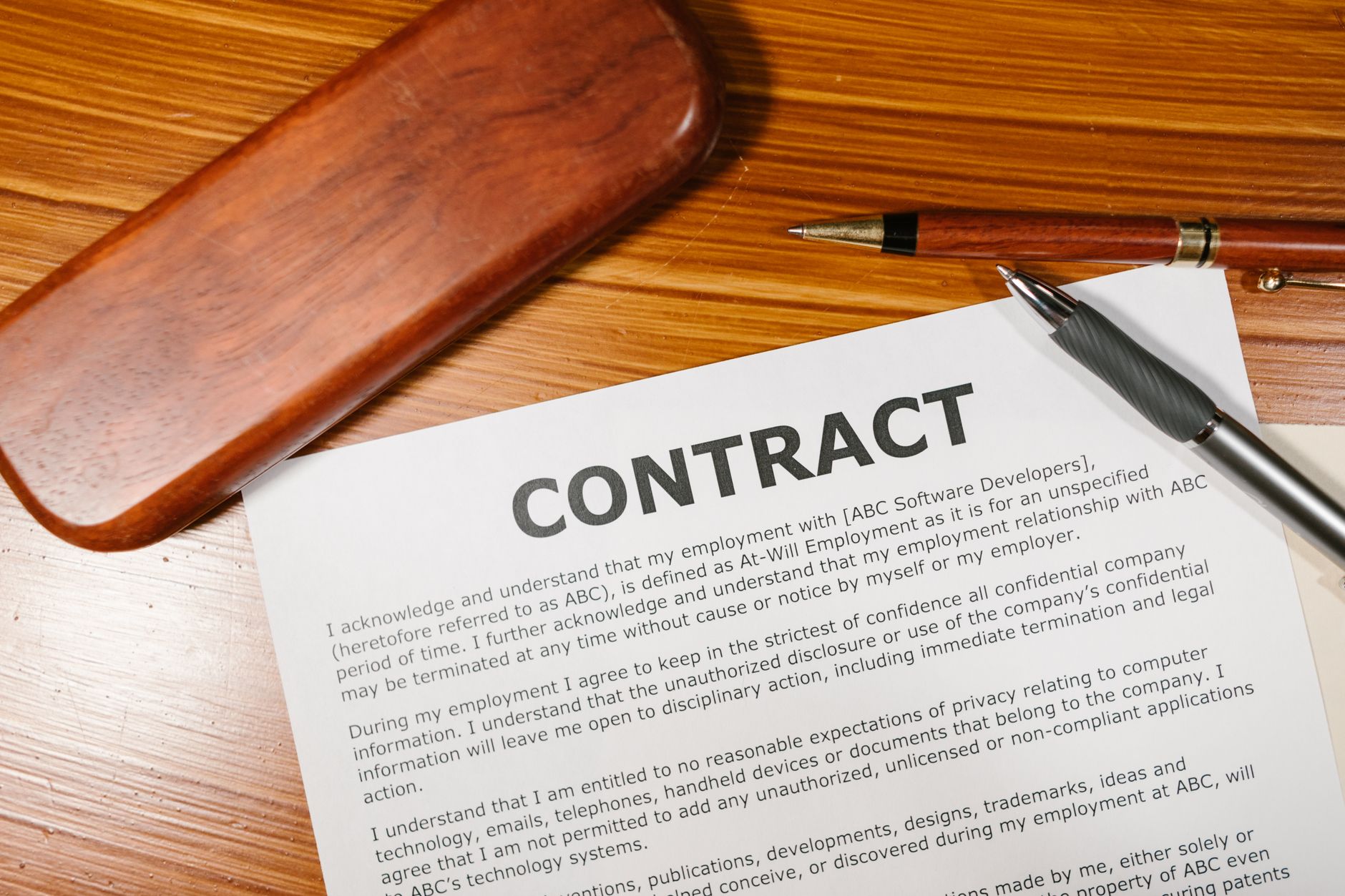
When you build a legally compliant startup MVP, you need to ensure that you have the right legal documentation in place. These documents protect both you and your customers and help establish clear expectations for all parties involved.
- Terms of Service (ToS): If your MVP includes an online product or service, a Terms of Service agreement outlines how users can interact with your platform, what’s allowed, and what’s prohibited.
- Privacy Policy: A Privacy Policy is required if you collect personal data from users. This document outlines how their data will be collected, used, and protected.
- End-User License Agreement (EULA): If your product is a software application, an EULA specifies how the software can be used and outlines any restrictions.
- Partnership Agreements: If you have co-founders or business partners, having a clear partnership agreement is essential to avoid future disputes.
You may need the help of a legal professional to draft these documents correctly. It's crucial that these agreements are tailored to your specific business needs to ensure compliance.
4. Ensure Consumer Protection Compliance
When creating an MVP, it's essential to ensure that your product complies with consumer protection laws. These laws are designed to protect consumers from unfair business practices, including false advertising, fraud, and defective products.
- Product Liability: Ensure that your product is safe for consumers to use. If your product causes harm, you could be held liable for damages. Make sure you have the necessary safety testing and quality control processes in place.
- Advertising and Marketing Laws: Make sure your marketing materials and claims about your MVP are truthful and substantiated. False claims can result in significant penalties.
- Refund and Return Policies: If you’re selling a physical product, clearly outline your return and refund policies to avoid legal issues.
By making consumer protection a priority, you ensure that your product is not only legally compliant but also builds trust with your users.
5. Comply with Data Privacy Regulations
In today’s digital age, data privacy is more important than ever. Laws such as the General Data Protection Regulation (GDPR) in the European Union and the California Consumer Privacy Act (CCPA) in the U.S. mandate strict rules about how personal data should be handled. To build a legally compliant startup MVP, make sure your product complies with these regulations if you're collecting any user data.
- Obtain Consent: Before collecting any personal data, make sure to obtain the user's explicit consent. This can be done through opt-in checkboxes or other means.
- Data Storage and Security: Ensure that user data is stored securely and that your system is protected from data breaches.
- Data Retention and Deletion: Only retain personal data for as long as necessary, and allow users to request deletion of their data.
Failing to comply with data privacy laws can lead to hefty fines and a damaged reputation, so it’s important to take this seriously from the outset.
6. Consult with Legal Professionals
When you build a legally compliant startup MVP, it’s always a good idea to consult with legal professionals, such as business attorneys or intellectual property lawyers. They can help you navigate the complex legal landscape and ensure that your product complies with all applicable laws.
While you might be tempted to handle legal matters yourself to save costs, the potential risks of getting it wrong can far outweigh the initial savings. A good legal advisor can save you time, money, and headaches in the long run.
7. Obtain Necessary Licenses and Permits
Depending on your industry and location, you may need specific licenses or permits to legally operate your business. For example, if you're launching a food delivery service, you may need a food handling permit. Similarly, if you're developing software that deals with financial transactions, you might need a specific financial license.
Before you start marketing your MVP, make sure that you have the necessary approvals and certifications to avoid running afoul of regulators.
8. Set Up a Legal Compliance Monitoring System
Once your MVP is live, it’s crucial to keep track of any legal changes that could affect your startup. Laws and regulations change frequently, and staying informed about new developments can help you maintain compliance as you scale your business.
- Regular Audits: Conduct regular audits to ensure that your MVP and business operations remain compliant with relevant laws.
- Legal Counsel: Keep in touch with your legal advisors to get updates on any new laws that may affect your business.
By proactively monitoring legal compliance, you can prevent future issues and ensure that your business continues to operate smoothly.
Conclusion
Building a legally compliant startup MVP is a crucial step for any entrepreneur. By following the steps outlined in this guide, you can create a solid foundation for your product while avoiding costly legal mistakes. From choosing the right business structure to protecting your intellectual property and ensuring consumer protection compliance, there are many legal aspects to consider. However, with careful planning and the help of legal professionals, you can navigate these challenges and set your startup up for long-term success.
Ready to leverage AI for your business?
Book a free strategy call — no strings attached.