Como Planejar um Lançamento de Produto - Um Guia Prático Passo a Passo

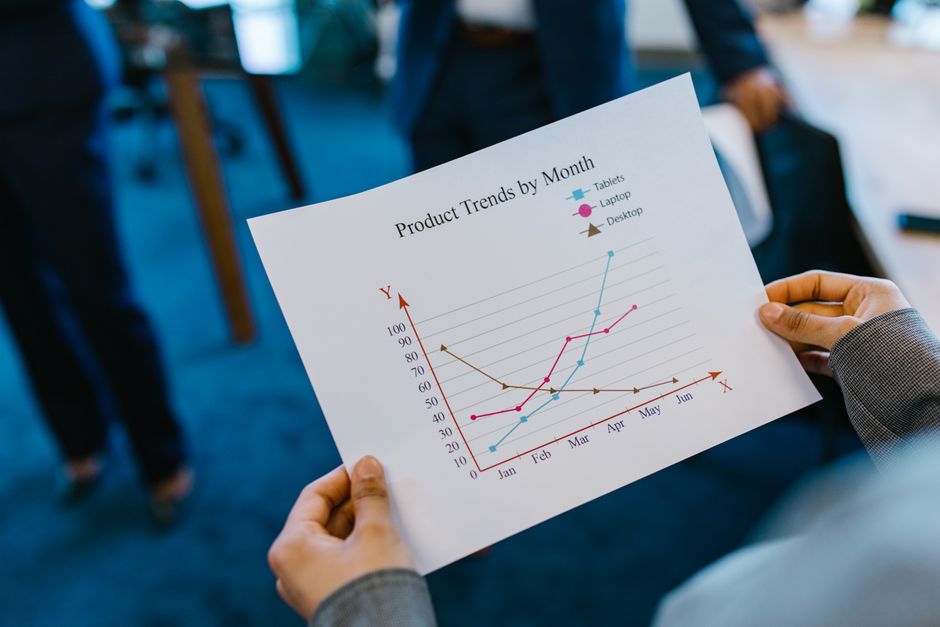
Comece com um único objetivo mensurável e três indicadores para rastrear o progresso real: defina uma meta como aumentar os cadastros qualificados em testes em 20% em 8 semanas e monitore a taxa de ativação, conversão de teste para pago e receita por usuário. Esse início preciso leva a equipe a um lançamento mais rápido e previsível. Entre os três indicadores, taxa de ativação, conversão de teste para pago e receita por usuário são os mais importantes.
Durante o planejamento, inclua programas para educar os profissionais de marketing e suas equipes sobre os três pilares de sucesso: clareza do produto, compreensão do público e um plano de go-to-market limpo. Trate seus papéis como uma prioridade, atribua responsáveis e fixe rotinas de decisão para que a equipe possa responder rapidamente aos sinais do mercado e dos clientes – enquanto garante mensagens aprimoradas em todos os canais e forte alinhamento.
Siga um playbook prático e com prazo definido com ações concretas que se mapeiem para semanas. Por exemplo, semanas 1–2: refine a proposta de valor e as mensagens; semanas 3–4: valide preços, embalagem e onboarding; semanas 5–8: execute um piloto controlado em dois segmentos e colete feedback para melhorar a oferta. Use esses passos para tomar decisões baseadas em dados reais e garantir alinhamento entre as equipes. A importância da velocidade e da clareza deve ser compartilhada entre líderes e colaboradores para evitar silos.
Prepare-se para eventos anormais e defina barreiras: defina o que constitui um pico anormal em cadastros, uma queda na ativação ou uma incompatibilidade de canal, e delineie playbooks de recuperação rápida. Em diferentes mundos, você pode precisar ajustar mensagens, canais ou preços, mas mantenha os indicadores consistentes para que possa comparar o desempenho e iterar rapidamente.
Plano de Lançamento Prático Impulsionado por KPIs
Comece com um plano de KPIs fixo de 90 dias: defina três métricas principais (ativação, churn e receita por usuário), atribua responsáveis claros e construa um painel compartilhado que atualize diariamente; relacione cada tarefa a um resultado mensurável e promova a responsabilidade entre as equipes.
Identifique a fonte de dados em análises de produto, CRM e sistemas financeiros para manter as metas fundamentadas; benchmark contra o desempenho de um concorrente para definir limiares realistas; agende conversas com líderes de marketing, vendas e produto para alinhar suposições durante todo o rollout.
Treine a equipe em definições, painéis e regras de decisão; mantenha o plano fácil de executar com um conjunto fixo de experimentos; construir uma escada de testes simples ajuda você a permanecer ágil enquanto aprende.
Desenhe atividades ao longo do funil: conteúdo pré-lançamento, notificações push, sequências de e-mail, anúncios pagos; coordene com finanças para prever gastos e garantir ROI; monitore o churn e como ele afeta CAC e LTV; revise as métricas diariamente para detectar desvios.
Comece com um cronograma faseado: pré-aquecimento, lançamento suave e lançamento completo; atribua responsáveis e prazos fixos; converse com parceiros para antecipar preocupações e ajustar rapidamente; há sempre pressão para acelerar enquanto mantém a qualidade alta.
Continue construindo para o longo prazo: visibilidade total em atividades, bandeiras de risco e restrições de recursos; aborde preocupações cedo; alinhe o crescimento de carreira com a maestria em KPIs; permaneça pragmático e orientado por dados.
Defina Público-Alvo e Proposta de Valor Clara
Recomendação: defina três arquétipos de público antes de rascunhar o plano de lançamento. Para cada arquétipo, liste necessidades, comportamento típico e o objetivo que eles querem alcançar nos primeiros 90 dias. Geralmente, entreviste pelo menos uma pessoa de cada grupo para validar suposições e mantenha o resumo em uma página.
Em seguida, crie uma proposta de valor de alto impacto para cada segmento, focando em resultados, economia de tempo e facilidade de adoção. Use uma declaração concisa que explique o benefício e o motivo pelo qual você é diferente. Relacione a proposta ao objetivo específico do segmento e ao impacto potencial no próximo trimestre. Isso cria uma base excelente para avaliação.
Configure um loop entre as equipes: marketing, produto e vendas colaboram em mensagens, testam-nas em um evento ao vivo e em campanhas, e ajustam em tempo real. Use dados do evento e das campanhas para avaliar o ressonância, evite culpas e minimize jargões aderindo a termos concretos.
Abdul, diretor de uma empresa de serviços regionais, ajudou a validar a abordagem executando um evento rápido e coletando uma história de usuários. O resultado: a proposta de alto impacto ressoou; ela impulsionará mais cadastros em oito semanas. Isso é uma parte sólida do plano e mostra como narrativas concretas superam jargões vagos.
| Segmento | Necessidades & Comportamento | Proposta de Valor Clara | Métricas Principais |
|---|---|---|---|
| Operações & Suporte | Precisa de onboarding mais rápido, reduzir tarefas repetitivas; comportamento é meticuloso e consciente de riscos | Onboard equipes em 2 semanas com playbooks guiados e um curso simplificado; reduz passos manuais | Tempo para valor, tempo de onboarding, taxa de erro |
| Marketing & Vendas | Precisa de leads de maior qualidade, resposta mais rápida; comportamento é impulsionado por experimentos e focado em canais | Impulsiona um aumento de 25% em leads qualificados por campanha com um kit de mensagens pronto para uso | Qualidade de leads, taxa de conversão, ROAS da campanha |
| Produto & Engenharia | Precisa de insights de usuários, loops de feedback rápidos; comportamento é orientado por dados e prático | Fornece loops de feedback e sprints de 2 semanas com templates; reduz rodadas de revisão | Tempo do ciclo de feedback, taxa de adoção de recursos |
Defina KPIs Líderes e Atrasados para o Sucesso do Lançamento
Defina três KPIs líderes e dois KPIs atrasados para o lançamento com metas explícitas e responsáveis. Esse loop apertado traduz ações no topo do funil em resultados mensuráveis e suporta correções rápidas de curso. Use esses indicadores para educar a equipe, manter o foco em pontos que impulsionam o crescimento e iluminar onde intervir rapidamente.
KPIs Líderes para o lançamento
- Taxa de conclusão de onboarding – meta de 85% dos novos usuários terminarem o onboarding em 5 dias. Fonte de dados: análises de produto; responsável: Gerente de Produto. Ações: simplifique passos, remova fricções e teste duas variantes em uma coorte limitada; rastreie resultados testados para descobrir qual sequência gera o melhor fluxo.
- Taxa de ativação de teste – meta de 40% dos cadastros completarem a primeira ação chave em 7 dias. Fonte de dados: análises; responsável: Líder de Crescimento. Ações: forneça um tour guiado e um lembrete educativo conciso a cada dia na primeira semana; esse ritmo envolvente impulsiona a realização de valor precoce e reduz abandonos.
- Sessões engajadas por usuário nos primeiros 14 dias – meta de 6 sessões. Fonte de dados: análises de produto; responsável: Crescimento/PM. Ações: otimize prompts in-app e lembretes, ajuste a frequência para evitar fadiga e pilote jornadas impulsionadas por Figma para garantir que cada sessão adicione valor claro.
KPIs Atrasados para o lançamento
- Crescimento de vendas nos primeiros 90 dias – meta de +12% a +18% em comparação ao ciclo de lançamento anterior. Fonte de dados: CRM; responsável: Líder de Vendas. Ações: aperte o foco em ICP, refine o posicionamento no curso de mensagens e alinhe ativos com esses insights para elevar a taxa de vitória.
- Receita de expansão de clientes existentes em 6 meses – meta de +15% a +25% de expansão. Fonte de dados: CRM; responsável: Sucesso do Cliente. Ações: lance caminhos de upgrade inovadores, execute ofertas piloto direcionadas e documente uma narrativa de valor clara nessas contas para estimular upsell.
Métrica atrasada opcional para monitorar junto com a expansão: taxa de churn. Meta de churn abaixo de 4–5% nos primeiros 90 dias; fonte de dados: análises de produto; responsável: Crescimento. Ações: aperte o onboarding, eduque usuários sobre benefícios chave e responda rapidamente a sinais de fricção.
Colocando em prática
- Onde rastrear e como agir: conecte cada KPI a um painel dedicado que se alimenta de protótipos do Figma, análises e CRM. Isso garante que as equipes de design, produto e vendas vejam os mesmos sinais e entendam o contexto das ações.
- O loop que você precisa: revisões semanais com Tamara e a equipe multifuncional para confirmar responsabilidade, atualizar metas se necessário e fechar lacunas. Se um pico ou queda anormal surgir, descubra as causas raiz em 48 horas e ajuste as táticas de acordo.
- Contexto e alinhamento: relacione cada KPI a uma ação do cliente, não a uma métrica de vaidade. Esses indicadores líderes devem se mapear a uma jornada de usuário concreta e educativa que demonstre valor cedo e frequentemente.
- Abordagens testadas primeiro: comece com um rollout limitado para validar mudanças antes de escalar. Use uma população pequena e representativa para comparar duas ou três variantes e selecionar o caminho de melhor desempenho.
- Documentação e colaboração: mantenha notas simples no Figma junto com instantâneos de dados. Isso mantém a equipe alinhada sobre o que foi testado, por que importou e o que tentar em seguida.
Dicas práticas para evitar armadilhas comuns
- Detecte padrões inesperados cedo: um pico no tempo de onboarding pode surgir de um único elemento de UI. Investigue com um loop de revisão apertado e ajuste o fluxo rapidamente.
- Limite o escopo quando necessário: se a qualidade dos dados for ruidosa, execute um piloto controlado com um público menor antes de expandir para toda a coorte de lançamento.
- Eduque a equipe sobre o contexto: garanta que todos entendam como os KPIs líderes se conectam a resultados atrasados e como cada ação move a agulha da métrica.
- Garanta clareza de responsabilidade: atribua responsáveis precisos para cada KPI e defina um ritmo regular para atualizações e decisões.
Nesse contexto, esses indicadores líderes, apoiados pelas métricas atrasadas, criam um fluxo estratégico que revela onde surgem oportunidades de expansão e quais correções de curso são necessárias. Ao documentar o processo, alavancar o Figma para alinhamento visual e manter um loop apertado, você pode descobrir sinais anormais, responder rapidamente e impulsionar o crescimento sustentado de vendas. A equipe de Tamara pode usar essa estrutura para educar stakeholders, alinhar prioridades e manter o momentum em cada ponto de lançamento.
Crie uma Linha do Tempo de Lançamento de 6 Semanas com Responsabilidades
Atribua um planejador para ser responsável pelo cronograma de 6 semanas, depois atribua responsáveis para cada marco e as tarefas de marketing que impulsionam o momentum do lançamento. Comunique claramente com a equipe, defina indicadores para rastrear o progresso e defina a duração média para cada tarefa para que o plano permaneça realista. Essa abordagem segue um ritmo direto e mantém as responsabilidades explícitas.
Semana 1 fixa mensagens e ativos: finalize o posicionamento do produto, prepare cópias em bahasa e chinês, e construa as páginas de destino principais. Confirme investimentos para localização, kits de mídia e configuração de canais, depois atribua tarefas aos responsáveis certos e garanta que os ativos desenvolvidos estejam prontos para revisão.
Semana 2 expande conteúdo e canais: publique blog inicial, rascunhe e-mails e agende postagens sociais. Mire em uma média de duas peças por canal e atribua responsáveis para cada canal. Mantenha o calendário de conteúdo à mão e visível para que a equipe possa comunicar o status em tempo real.
Semana 3 realiza um teste em pequena escala com um público selecionado. Rastreie indicadores como CTR, cadastros e conversões de página de destino, e capture diferenças entre canais. O loop de feedback ajuda você a lidar com problemas rapidamente e refinar mensagens antes do lançamento.
Semana 4 finaliza a prontidão para lançamento: finalize kit de imprensa, atualize FAQs e garanta que o playbook siga uma sequência estrita entre canais. Prepare documentos internos para perguntas esperadas de parceiros e mídia, e verifique que todos os ativos sejam acessíveis.
Semana 5 pré-lançamento: ensaio de go-live, teste cadastros e configure um painel em tempo real para monitorar indicadores. Gerencie a pressão definindo caminhos de escalonamento e mantendo stakeholders informados. Revise alocações de orçamento e garanta que os investimentos estejam no caminho certo.
Semana 6 pós-lançamento: colete dados, compare resultados à média, atribua próximos passos e documente aprendizados. Realize um debriefing rápido com a equipe para identificar diferenças, otimizar o funil e planejar próximas melhorias.
Delineie Playbooks de Canais e Requisitos de Ativos

Crie um template único e vivo que defina playbooks de canais e requisitos de ativos, aprovado por produto e marketing no kickoff.
Delineie três playbooks principais: pagos, próprios e conquistados; especifique casos, gatilhos e as estratégias que você implanta ao lado.
Liste ativos por canal: formatos, dimensões, prazos de entrega, necessidades de localização e versionamento. Especifique o que deve ser produzido, por quem e em qual template.
Dependências: mapeie feeds de dados, filas criativas, revisões legais, pools de tradução e calendários de publicação; destaque handoffs críticos e responsáveis.
Plano de testes: configure testes iterativos, métricas, tamanhos de amostra e portões de decisão; determine quantos testes e quanto dados antes de escalar.
Fonte: repositório central de ativos, convenções de nomenclatura e regras de etiquetagem mantêm ativos descobríveis e reutilizáveis.
Vantagem e ângulos únicos: alinhe com preferências do público, otimize economias de canal e documente uma abordagem única para reutilização.
Preocupações e riscos: liste potenciais desalinhamentos, defina limites de responsabilidade para evitar culpas e anexe ações corretivas.
Passos de implementação: atribua responsáveis, fixe marcos, integre com planos de projeto e publique checklists para equipes.
Boas práticas: minimize jargões, favoreça linguagem simples e mantenha itens de ação claros e acionáveis.
Templates e governança: implemente versionamento, ritmo de revisão e uma checklist breve de aprovação antes do lançamento.
Resultado: essa abordagem dá clareza, acelera o alinhamento e reduz idas e vindas entre canais. Ela acelerará a execução e manterá as equipes alinhadas de forma muito mais eficaz.
Análises do Dia de Lançamento: Capture Dados e Vitórias Rápidas
Planeje um sprint de análises de 60 minutos no dia de lançamento: crie um painel compartilhado, selecione 5 indicadores principais, atribua responsáveis da equipe e entregue um resumo de 15 minutos para stakeholders a cada 2–4 horas. Ligue eventos in-app a esforços de marketing para ver quais canais impulsionam ativação e retenção, e garanta que as evidências respalhem decisões.
Onde os dados vivem importa: conecte o fluxo de eventos in-app, sinais de atribuição de marketing e logs de servidor a uma visão única e consultável. Defina 5 métricas principais e mantenha uma fonte de dados de backup para confiabilidade. Colete prova de ação para passos críticos – conclusão de onboarding, primeira compra e uso de recurso chave – para suportar decisões.
Métricas e indicadores a observar incluem taxa de ativação, conclusão de onboarding, adoção de recursos, retenção no Dia 7 e conversão para pago, medindo especificamente ativação, fluxo de onboarding e profundidade de engajamento. Rastreie o timing de eventos chave para detectar gargalos e apresente esses de perspectivas: produto, marketing e suporte, para que stakeholders vejam a mesma verdade.
Vitórias rápidas no dia de lançamento incluem: (1) reduzir fricção de onboarding cortando o fluxo de boas-vindas de 6 passos para 4; (2) corrigir uma vazão no funil causando abandonos na primeira ação; (3) ativar um alerta de painel quando uma métrica desviar mais de 15% da linha de base; (4) publicar uma mensagem in-app para guiar usuários que chegam a um ponto de abandono. Cada ação deve ser alcançável em horas e respaldada por dados.
Workshops com a equipe ajudam a converter dados em passos práticos. Realize workshops curtos para revisar métricas com perspectivas de marketing, produto e suporte, para traduzir observações em tarefas concretas. Crie listas de ações de uma página para que stakeholders aprovem mudanças rapidamente e comprometam o esforço com timing claro.
Valide regularmente a qualidade dos dados cruzando eventos in-app contra logs brutos e configure uma checklist de verificação leve para acelerar a coleta de provas para a próxima versão. Se latência aparecer, mude para um conjunto de dados de backup confiável e mantenha a equipe informada.
Mantenha a comunicação apertada: compartilhe um instantâneo conciso de métricas a cada 4 horas, mais um resumo mais longo para o público mais amplo. Essa abordagem ajuda a antecipar problemas antes que escalem, alinha stakeholders e suporta decisões rápidas e informadas.
Delineie responsáveis por ações: atribua uma pessoa para cada métrica, defina como a prova se parece e mantenha a equipe atualizada regularmente. Muitas mãos tornam os dados mais confiáveis, e ter um processo claro reduz riscos e acelera vitórias.
Revisão Pós-Lançamento: Aprendizados para Informar o Próximo Lançamento

Publique uma revisão pós-lançamento curta e orientada por dados em 48 horas e atribua responsáveis a três aprendizados de alto impacto. Allan lidera o processo para garantir alinhamento multifuncional e mantém a atenção em resultados mensuráveis.
Estruture a revisão como um memorando de uma página que destaque instantâneo de dados, insights e ideação, e o plano de ação. Esse formato é fácil de ler rapidamente em configurações ágeis e escalável para conferências grandiosas, sustentando momentum para equipes que querem orientação clara.
- Instantâneo de dados: apresente desempenho versus metas e os resultados mais relevantes. Inclua métricas de ativação, retenção e adoção, com alguns números para ancorar decisões (ex.: taxa de cadastro +12%, ativação +9%, retenção +6%). Note quaisquer sinais ligados a passos de onboarding ou atividade de campanha para estabelecer uma história clara e observável.
- Insights e ideação: destaque questões sobrepostas em configurações multifuncionais (produto, marketing, vendas, suporte). Realize dois workshops curtos para gerar 3–5 ideias acionáveis, priorizando aquelas fáceis de implementar e alcançáveis em dois sprints. Alinhe o que testar no próximo ciclo de ideação e como isso impulsionará a estratégia adiante.
- Plano de ação e governança: crie uma lista de tarefas concisa com responsáveis, datas de vencimento e critérios de sucesso. Garanta que o plano permita iteração sustentada e reflita a estratégia geral. Inclua vitórias rápidas e apostas de longo prazo, e publique um resumo para manter expectativas claras para todos os stakeholders.
Dicas operacionais: mantenha a revisão feita sem sobrecarregar as equipes. Use um template simples que possa ser preenchido pelo líder e compartilhe com Allan e líderes multifuncionais para feedback rápido. Agende um evento de follow-up de 30 minutos para avaliar progresso e defina um ritmo recorrente para revisões no próximo ciclo de lançamento para manter o momentum.
Enviar uma breve consulta
Descreva site, objetivos, público e orçamento para discutir uma proposta.


