Como Iniciar um Negócio de E-commerce em 2026 - Um Guia Prático Passo a Passo

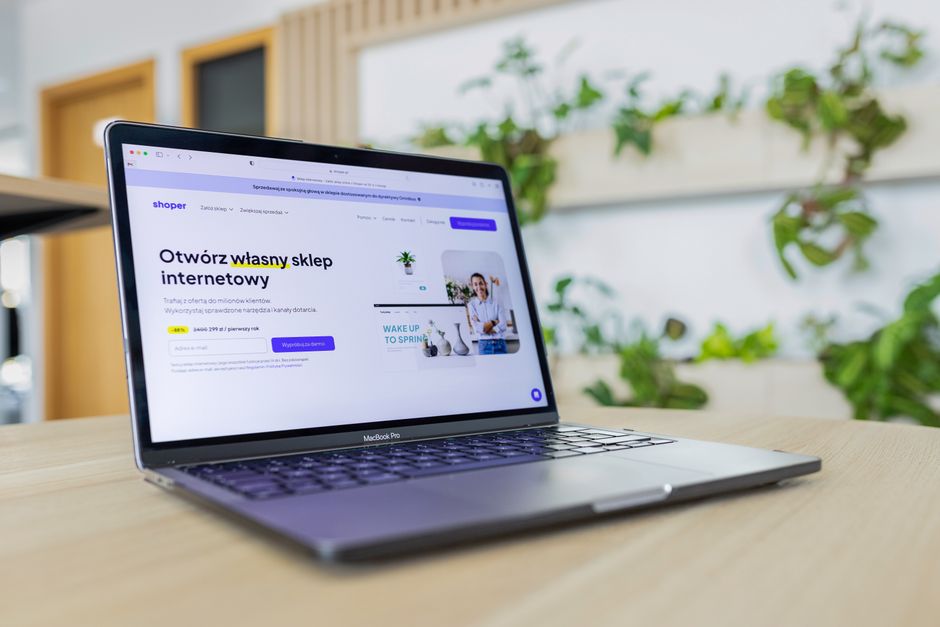
Comece com um nicho focado e um conceito validado hoje. Valide sua ideia usando dados do ubersuggest para identificar itens de alta demanda com intenção de compra saudável, e mapeie as preferências de seus clientes-alvo. Escolha 3–5 produtos principais que combinem bem com complementos para aumentar o valor, e planeje uma linha secundária que aumente o valor médio do pedido. A janela inicial de compra deve ser apertada: mire sinais de compra nas primeiras 4 semanas e esteja pronto para pivotar se a demanda mudar.
Desenvolva uma rede de fornecedores com parcerias que ofereçam estoque confiável, termos favoráveis e embalagem de marca. Negocie quantidades mínimas de pedido, opções de drop-shipping e prazos de entrega rápidos. Mantenha um catálogo enxuto para reduzir o risco de estoque e teste a demanda com um investimento inicial de $500–$2.000, dividido entre amostras de produtos e pedidos iniciais. Você verá tração inicial oferecendo suporte ao cliente incrível e uma política de devoluções transparente.
Configure sua loja com uma pilha de software robusta que lide com pagamentos, estoque e análises. Mantenha o site rápido, amigável para dispositivos móveis, com descrições claras de produtos e visuais de marca. Use software para automatizar o roteamento de pedidos, avaliações e reembolsos. Planeje para SEO e otimização de pesquisa no site; construa uma estrutura escalável que suporte um catálogo em crescimento à medida que a demanda aumenta. Adapte ofertas para atender a diferentes segmentos e estações.
Mercados em expansão criam demanda imensa e recompensam marketing inteligente e orientado por dados. Use insights do ubersuggest para mirar palavras-chave e tópicos de alta intenção. Execute um plano de conteúdo e anúncios de 90 dias, e aloque 60–70% de seu orçamento inicial para canais focados em conversão. Crie páginas de produtos incríveis, fotos nítidas e pacotes empolgantes que combinem com as preferências dos clientes. Incentive indicações de amigos com um programa de recompensas simples para acelerar o boca a boca e a prova social.
Escala com disciplina: adicione 2–3 novos itens por trimestre com base em dados de vendas, mantenha margens brutas em torno de 40–60% e prazos de envio abaixo de 3–5 dias para pedidos domésticos. Teste expansões internacionais devagar e use parcerias para estender o alcance. Apoie-se em projetos secundários como pacotes de venda cruzada e programas de fidelidade para aumentar o valor, e nutra uma experiência de marca em embalagens, e-mails e suporte para que os clientes se sintam confiantes em comprar novamente.
Roteiro Prático para Lançar uma Marca de E-commerce em 2026
Registrar seu negócio e lançar uma loja no Shopify em 14 dias dá a você uma plataforma testável para validar a demanda e iterar rapidamente.
-
Defina seus itens de produto e estratégia de sourcing:
- Identifique 4-6 itens principais com 1-2 variantes cada que atendam a uma necessidade clara do cliente.
- Para esses itens, mapeie a demanda local usando pesquisas rápidas e sinais de busca, depois compare com produtos semelhantes em lojas concorrentes.
- Avalie opções de segunda mão onde permitido, como embalagem ou componentes recondicionados para reduzir custos.
- Defina margens-alvo (produtos principais devem mirar 40-60% de margem bruta após envio e impostos).
-
Configure suprimentos e planejamento de estoque:
- Obtenha de 3-5 fornecedores para diversificar o risco e negociar melhores termos.
- Defina quantidades mínimas de pedido e pontos de reabastecimento por item, usando uma planilha simples no Excel ou Google Sheets.
- Estabeleça requisitos claros para controle de qualidade, prazos de entrega e manuseio de devoluções.
- Planeje um estoque de buffer pequeno equivalente a 2-3 semanas de vendas previstas para evitar rupturas de estoque.
-
Construa sua equipe, escritório e operações:
- Alocar uma equipe compacta: 1-2 funcionários de operações/cumprimento, 1 líder de marketing, 1 representante de suporte ao cliente, mais 1-2 funcionários conforme necessário.
- Configure um escritório ou espaço de trabalho dedicado ao alcance de parceiros de envio.
- Documente processos para processamento de pedidos, embalagem e devoluções para otimizar a eficiência.
-
Lançar vitrine no Shopify e configurar pagamentos:
- Escolha um tema limpo e rápido e otimize páginas de produtos com fotos claras, um gráfico conciso e cópia persuasiva.
- Integre carteiras e métodos de pagamento (cartões, Apple Pay, Google Wallet) para minimizar o atrito no checkout.
- Complete páginas obrigatórias (política de privacidade, termos, política de reembolso) e defina regras de envio, impostos e verificações de fraude.
- Prepare uma lista de verificação concisa para confirmar a configuração antes do lançamento, como URL da loja, métodos de pagamento, análises e páginas de política.
- Adapte a vitrine para desempenho de e-commerce com tempos de carregamento rápidos e design amigável para dispositivos móveis.
-
Desenhe seu plano de mídia e mix de tráfego:
- Desenhe um plano de 90 dias com um orçamento de 20-30% da receita esperada do primeiro mês para anúncios.
- Use uma mistura de postagens orgânicas e mídia paga para alcançar audiências; crie ativos principais: fotos de produtos, clipes curtos e prompts de conteúdo gerado pelo usuário.
- Alinhe com criadores locais ou micro-influenciadores para ampliar o alcance enquanto mantém eficiência de custos e atende a metas de autenticidade.
- Identifique oportunidades para colaborar com parceiros locais para expandir a exposição e diversificar audiências.
- Acompanhe métricas de engajamento e conversão para otimizar gastos e mensagens criativas, usando esses insights para iterar.
-
Analise o desempenho e otimize:
- Defina KPIs: ROAS, CAC, taxa de conversão, valor médio do pedido e rotatividade de estoque.
- Revise receita diária, gastos com anúncios e ciclo de cumprimento para identificar gargalos.
- Usando dados, mude recursos para itens de alto desempenho e reduza atenção em subperformers.
-
Planeje orçamento, invista e escale:
- Alocar fundos para fotografia de produtos contínua, vídeo e melhorias de embalagem para aumentar conversões.
- Reinvista uma porção dos lucros em testar novos itens e expandir para novos canais.
- Mantenha uma visão em carteiras e custos de processamento de pagamentos; negocie melhores termos à medida que seus volumes crescem.
- Defina uma linha do tempo para expandir papéis da equipe e espaço de escritório à medida que os pedidos aumentam.
- Invista em ativos gráficos e treinamento para apoiar o crescimento sustentável em canais.
Esses passos ajudam você a se mover eficientemente do conceito para a vitrine, com foco claro em alcance, desempenho e crescimento sustentável.
Defina Nicho, Público-Alvo e Proposição de Valor
Escolha um nicho com pontos de dor explícitos e recorrentes e margens que suportem o crescimento. Identifique 2–3 segmentos de audiência compartilhando a mesma necessidade e disposição para pagar. Valide a demanda com dados de buscas no Google, volumes de palavras-chave e inscrições iniciais. Mire um conjunto mínimo de ofertas que demonstrem resultados tangíveis em 2–4 semanas e provem o potencial de adoção. Mantenha o escopo inicial enxuto para proteger a lucratividade e permitir iterações mais rápidas, entregando uma base melhor para o crescimento.
Defina o público-alvo criando 2–3 personas de compradores com demografia, hábitos de compras e gatilhos de decisão. Para cada persona, mapeie as tarefas a serem feitas e os critérios que disparam uma compra. Isso inclui escolher canais que equilibrem alcance e custo por tipo de conta; teste SEO, busca paga, e-mail e social com orçamentos claros. Verifique requisitos de licenciamento para sua categoria de produto e prepare as certificações ou permissões necessárias. Alinhe infraestrutura e conjunto de habilidades para suportar pilotos iniciais e garantir que a operação possa escalar com a demanda. Essa abordagem funciona para startups e marcas estabelecidas igualmente.
Crie uma proposição de valor concisa que fale para cada audiência: "Para [audiência], [produto] ajuda [benefício] por [razão]." A proposição principal deve enfatizar resultados de alta qualidade, resultados mais rápidos, economias de custo e redução de trabalho. Por exemplo, nosso serviço entrega ingredientes de alta qualidade e opções curadas, reduzindo tempo de preparo e fadiga de decisão, o que impulsiona lealdade e compras repetidas. Engenhe reversamente lacunas de concorrentes para identificar um diferenciador que ressoe com seus clientes; isso guia a prioridade de recursos e mensagens.
Para validar a proposição, execute um piloto com 20–50 contas e acompanhe adoção, valor médio do pedido e retenção ao longo de 8–12 semanas. Monitore indicadores de lealdade como taxa de compra repetida e crescimento de contas. Use feedback de especialistas para refinar mensagens e design de produto. Se os resultados provarem convincentes, escale a oferta enquanto preserva uma pegada de infraestrutura mínima para controlar custos e acelerar o crescimento. Foque em otimizar alguns SKUs primeiro para construir um playbook repetível.
Monetização e expansão: considere um modelo de comissão para marketplaces ou opções de licenciamento para parceiros; planeje para globalização mirando mercados adjacentes com variantes localizadas. Otimize preços e embalagens para maximizar margens enquanto permanece competitivo. Priorize relacionamentos de alta qualidade com fornecedores para proteger a proposição de valor e acelerar o crescimento mais cedo.
Valide a Demanda com Dados, Catálogo MVP e Pré-pedidos
Execute um sprint de pré-pedidos prático de 3 semanas para validar a demanda e coletar compromissos reais antes de investimentos pesados.
Construa um catálogo MVP de 5–12 itens que testem sua proposição principal; mantenha variantes limitadas para aprender rapidamente e minimizar risco inicial. Use drop-shipping para testar cumprimento para muitos bens sem estocar.
Neste caso, limite o catálogo MVP a 6–8 itens para reduzir a complexidade enquanto você aprende rapidamente.
Analise sinais de páginas de destino, inscrições por e-mail e campanhas em lugares onde sua audiência compra. Acompanhe conversões, valor médio do pedido, interesse repetido e custo por aquisição para guiar decisões. Esses dados sugerem onde focar campanhas em seguida.
Defina limiares claros de sucesso: p. ex., mire 2–5% de conversão de página de destino, 50–200 pré-pedidos ou receita mínima do piloto. Use esses números concretos para decidir se continuar, ajustar ou parar.
Estabeleça uma política de registro e pré-pedido transparente: comunique prazos de entrega, reembolsos e termos adicionais upfront para que os apoiadores saibam o que esperar.
Refine o catálogo MVP com base em feedback. Escrever especificações de produto concisas, opções de pacotes e imagens claras ajuda você a aprender rapidamente; muitas ventures usam um item principal único mais 2–3 variantes.
Planeje para globalização: defina estimativas de envio, taxas e opções de moeda; execute campanhas em múltiplos lugares para testar demanda além de seu mercado inicial. Esses dados ajudam você a decidir onde escalar.
Próximos passos: se a demanda parecer sólida, coloque um plano de produção cauteloso com confirmações de fornecedores, mire registro em mercados chave e um esboço para itens adicionais ou atualizações.
Selecione Plataforma, Gateway de Pagamento e Medidas de Segurança
Escolha Shopify com Stripe como a plataforma principal e adicione PayPal para cobrir pagamentos mais amplos; essa configuração fornece checkout simples, forte confiabilidade e suporta crescimento em marketplaces e sua própria vitrine. Promover uma experiência de checkout suave é chave para tração inicial e ganhar confiança do cliente.
Medidas de segurança seguem diretrizes claras: ative TLS/SSL, exija gateways compatíveis com PCI DSS, implemente 3D Secure para pagamentos com cartão e aplique regras de triagem de fraude. Use autenticação de dois fatores para administradores e rotacione chaves de API regularmente. Os painéis gráficos fornecem uma fonte de verdade para risco e ajudam equipes a ajustar controles em áreas como pedidos, contas e pagamentos.
Mantenha um tema coeso em vitrines usando templates simples de dados de produto e materiais de embalagem que reflitam sua marca. Alinhe mensagens de produto com campanhas em marketplaces e seu site, garantindo que benefícios específicos sejam claros. Use ativos gráficos e materiais de origem para manter consistência enquanto controla gastos.
Explore opções acessíveis para experiências de checkout: soluções hospedadas ou plugins com preços transparentes; teste em áreas chave como fluxo de checkout, opções de envio e cálculos de impostos. Isso suporta crescimento enquanto mantém gastos iniciais previsíveis.
Ofereça opções de pagamento em dinheiro onde apropriado e defina expectativas claras para prazos de entrega; isso pode ampliar seu potencial de ganhos em regiões específicas. Acompanhe como a mistura de métodos de pagamento influencia gastos e ajuste campanhas para otimizar conversões em dinheiro na mão.
Especialistas sugerem começar com uma configuração simples e escalável e iterar com base em dados. Mantenha painéis visíveis para sua equipe e alinhe com um conjunto transparente de diretrizes. Essa abordagem suporta experimentos, testes e aprendizado.
Para segurança adiante, implemente acesso baseado em papéis, backups regulares e um plano de resposta a violações. Promover educação contínua sobre privacidade de dados mantém equipes vigilantes, enquanto mantém um processo simples e robusto que escala com o crescimento.
Monitore o potencial de ganhos analisando valor do carrinho, taxas de conversão e o impacto de diferentes mensagens e ofertas. Use um tema claro para promoções e campanhas, e alinhe com as diretrizes de origem da marca para manter consistência em canais.
Configure Sourcing, Gerenciamento de Estoque e Cumprimento (Interno vs 3PL)

Recomendação: Comece com uma configuração interna enxuta para seus best-sellers e parceire com um 3PL como o Shiprocket para escalar. Isso dá a você liberdade para focar no produto, enquanto mantém custos previsíveis e velocidades de envio competitivas. Envolva sua equipe no processo: treine uma pequena equipe para possuir sourcing, previsão e embalagem. Mire entrega doméstica em 2-3 dias para SKUs principais, e use o 3PL para lidar com overflow e hubs regionais.
Sourcing: Construa uma base de fornecedores curta e confiável com atacadistas e fabricantes diretos. Verifique viabilidade pedindo amostras pequenas de 5-10 SKUs, teste prazos de entrega e verifique qualidade. Negocie MOQs e termos de drop-shipping para manter o fluxo de caixa flexível. Considere fontes de grupos do Facebook ou mídia da indústria para encontrar fornecedores em crescimento, e acesse uma rede incrível de atacadistas para escala, mas verifique legalidades e certificações antes de assinar.
Gerenciamento de estoque: Implemente um sistema simples e escalável. Defina pontos de reabastecimento por SKU, use escaneamento de código de barras e realize contagens de ciclo trimestrais. Reabastecimento just-in-time reduz risco. Mantenha atualizações de estoque em tempo real em sua loja e painel do 3PL para que você possa realocar seleções entre armazéns à medida que a demanda muda. Revise continuamente o estoque de segurança com base em sazonalidade e campanhas.
Opções de cumprimento: Interno dá velocidade, controle de marca e devoluções mais fáceis para itens principais; 3PL fornece alcance multi-armazém, embalagem em massa e custos de envio mais baixos. Para muitos empreendedores, um modelo híbrido funciona: mantenha itens de alta velocidade internos e roteie vendedores mais lentos ou pedidos internacionais para Shiprocket ou outro 3PL. Essa abordagem reduz taxas e aumenta o throughput.
Passos operacionais: Defina níveis de serviço com fornecedores, mapeie rotas de suprimento e defina KPIs para taxa de preenchimento, precisão de pedido e dias para envio. Alinhe o plano com necessidades do cliente, e acompanhe custo por unidade e logística reversa para avaliar a mistura continuamente. Isso é essencial para escalar. Use canais de mídia como Facebook para postar atualizações de estoque e lançamentos, para que experiências com clientes permaneçam alinhadas. Garanta conformidade com legalidades em cada região. Em seguida, implemente uma integração entre sua loja, portais de fornecedores e painel do 3PL, depois execute um piloto antes do rollout completo.
Lançamento de Marketing Enxuto, Funis de Conversão e Medição de Desempenho
Para atingir momentum rapidamente, aloque 20% de seu orçamento de marketing para canais pagos nos primeiros 3 meses para testar conceitos e aprender o que ressoa com compradores. Essas práticas funcionam para numerosos negócios. Resultados dependem de mercado, oferta e execução.
Execute três experimentos por semana em Google e Facebook para testar uma única linha de ofertas e mensagens, descobrindo qual formato ressoa, e use reels para conscientização para avaliar impacto. Faça uma pausa de 1 dia por mês para revisar resultados.
Defina seu funil 1) conscientização via reels e anúncios, 2) interesse com explicações claras de conceito de produto em páginas de destino, incluindo um artigo curto que explica o conceito, 3) decisão suportada por prova social e preços justos, 4) ação com um checkout simplificado. Isso envolve testes rápidos e sinais claros de compra.
Meça o desempenho com metas mensais: CTR, CVR, CPA, ROAS, receita e taxa de compra repetida; construa um painel simples para gerar insights semanais e ajuste lances e criativos de acordo. Esse processo envolve alinhar gastos com receita real.
Dicas de drop-shipping e e-business: escolha alguns itens de alta demanda, verifique fornecedores e envie em 5-7 dias; alinhe campanhas online com lugares locais e lojas próximas para cross-promoções, especialmente para negócios olhando para alcançar audiências locais.
Lealdade e retenção: após a compra, convide para um programa de lealdade; recompense compradores repetidos e atraia novos; acompanhe valor de ciclo de vida em coortes.
Olhando adiante, se você mira crescer em uma competição, mantenha orçamentos justos e carteiras em mente; persiga sua receita de sonho confiando em numerosos pontos de dados, ajustando mês a mês ao longo de vários meses, e escolhendo o conceito de drop-shipping quando custos de estoque aumentam.
📚 Mais sobre E-Commerce & Negócios
- Negócio de Dropshipping em E-commerce - Como Iniciar e Escalar
- A Lista de Verificação Completa de Lançamento de Produto - Um Guia Passo a Passo para Marcas de E-commerce
- Auditoria de SEO em 10 Passos para E-commerce - Um Guia Prático (2026)
- Comece Dropshipping no Shopify Hoje - O Guia Completo
- SEO para E-commerce 2026 - O Guia Completo para Estratégia e Tendências
Enviar uma breve consulta
Descreva site, objetivos, público e orçamento para discutir uma proposta.


