As Etapas do Funil de Marketing Digital Explicadas - Um Guia Abrangente


Recomendação: Construa um caminho de conversão enxuto hoje lançando ímãs de leads de alta intenção no site da sua agência, capture e-mails com um formulário curto e implemente CTAs que vão de atrair interesse a transformar esse interesse em ação e lead; no entanto, teste cada elemento por 2–4 semanas.
Mapeie uma jornada de três fases: conscientização, consideração e conversão; essa jornada usa linguagem que ressoa com aqueles que precisam de uma solução. Uma oferta de demo pode converter visitantes altamente engajados; aqueles que se engajam devem receber conteúdo complementar que os incentiva a tomar uma decisão. Mantenha essa sequência bem estruturada para manter o momentum ao longo do tempo e dos motores.
Para entradas no topo do funil, use formulários curtos e ímãs para reduzir o atrito; para nutrição no meio do funil, estenda com conteúdo cheio de valor e um caminho de alta intenção que culmina em uma ação. No entanto, mantenha as mensagens concisas e alinhadas com cada segmento. Na prática, sua chamada para ação deve ser clara e ubíqua em páginas de destino, e-mails e retargeting, e deve impulsionar da curiosidade para um lead mensurável em anos de testes.
Passos de implementação que você pode agir agora: audite ímãs existentes, consolide para um único formulário por ativo e unifique seus CTAs em todas as páginas. Aqueles que baixam um ímã devem ver uma sequência de boas-vindas curta, depois um caminho de nutrição mais longo, transformando interesse em ação. Use testes A/B para comparar mensagens bem cronometradas e uma oferta de demo para leads de alta intenção. Esse motor funciona com medição: rastreie custo por lead, taxa de engajamento e tempo para conversão para manter os orçamentos no caminho certo hoje. Mantenha os orçamentos bem ajustados aos tempos em mudança.
E lembre-se de manter a linguagem adaptável: audiências diferentes respondem a frases variadas, então construa um processo que produza ativos complementares para esses segmentos e use dados para refinar ímãs ao longo dos anos. Se você trabalha com uma agência voltada para clientes, compartilhe um briefing transparente e um caminho de conversão simples, para que as partes interessadas entendam os pontos de virada e o motor que impulsiona os resultados.
Métricas de Receita por Etapa do Funil: KPIs, Modelos e Táticas Acessíveis
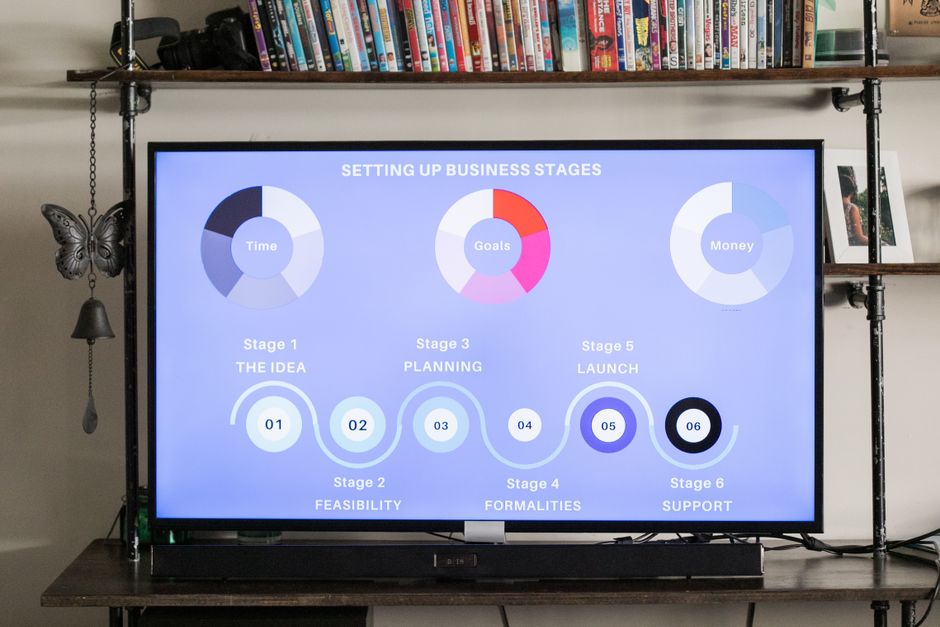
Defina um trio de KPIs por fase e fixe um ritmo de ação de 24 horas para transformar insights em movimentos de receita.
Métricas da fase superior focam em volumes de visitas, taxa de rejeição e sinais de navegação em sites chave; vise por tráfego crescente e interações iniciais mais rápidas.
Métricas da fase intermediária priorizam sessões engajadas, profundidade de rolagem, taxa de captura de leads e conclusão de formulários; vincule resultados a modelos de atribuição para aprender quais canais entregam interações de qualidade.
Métricas da fase inferior rastreiam taxa de conversão, valor do pedido, receita e taxa de confirmação; otimize o fluxo de checkout com táticas de campanha comprovadas.
Modelos impulsionam loops acessíveis: último clique, linear e decaimento temporal; complemente com experimentos únicos e alocação de orçamento baseada em dados.
Passos práticos incluem criar conteúdo convincente, oferecer e-books para nutrir prospects, destacar benefícios e construir defensores por meio de compartilhamento de valor; use uma abordagem dinâmica.
A navegação importa: apresente uma escolha clara, redação nítida, inscrição rápida e caminhos diretos para compra; monitore sinais de ranqueamento e ajuste páginas de destino conforme necessário.
| Fase | KPI Primário | Meta | Fonte de Dados | Táticas |
|---|---|---|---|---|
| Superior | Visitas ao site | 12.000/mês | Análise web | conteúdo inovador, redação, otimização de ranqueamento, básicos de SEO |
| Intermediária | Sessões engajadas | 3,0 min em média | Análises | personalização, pistas de navegação, e-books como ímãs de leads |
| Inferior | Taxa de conversão | 2,5–3,5% | Dados de e-commerce | prompts de confirmação no site, prova social, demos de produtos, táticas de campanha |
| Defensoria | Taxa de recompra/referência | 8–12% | CRM, referências | benefícios de lealdade, campanhas de defensoria, engajar defensores |
Sinais de Receita no Topo do Funil: Vinculando Conscientização ao Pipeline Inicial
Recomendação: Vincule ações de conscientização a sinais de pipeline inicial em 30 dias para fieldente moldar o momentum inicial e melhorar os resultados de receita.
Esse modelo mostra como a conscientização se traduz em momentum mensurável em uma página ou em pontos de contato, com análises respaldando cada decisão e um caminho claro para melhoria.
- Múltiplos sinais importam: visitas à página, tempo na página, downloads de ativos informativos, cliques em anúncios e inscrições em newsletters; cada ação aumenta a consideração que os esforços de conscientização moldam os resultados.
- Ações que demonstram consideração: inscrições em webinars, solicitações de demo, comparações salvas e consultas por meio de chat conversacional; rastreie como essas ações se correlacionam com o aumento do pipeline inicial e rastreamento de qualidade de leads para suas equipes de vendas.
- Relações entre canais: meça visitas de retorno, toques entre dispositivos e engajamento com conteúdo específico de audiência para informar a manutenção de táticas e programas de retargeting.
- Segmento de hopper: identifique um grupo viajando entre páginas de produtos ou planilhas de preços; adapte anúncios e e-mails para reengajar essa audiência com benefícios relevantes.
- Sinais de leads: preenchimentos de formulários, solicitações de cupons, inscrições em lealdade e consultas baseadas em localização; priorize esses leads para acompanhamento rápido das equipes de vendas.
- Benefícios como sinais: ofertas exclusivas, acesso antecipado ou pacotes de tempo limitado destacam intenção e impulsionam a conscientização para ação.
- Eficiência de publicidade: compare múltiplos formatos de anúncios (vídeo, banners, pesquisa) para ver quais ações eles impulsionam; inclua atribuição para provar aumentos incrementais em indicadores de pipeline inicial.
- Destaque os três principais sinais a cada trimestre para manter o foco em ações com maior impacto.
- Otimização adicional: teste novos ativos, refine segmentos e ajuste lances para que os sinais permaneçam fortes em campanhas.
Passos impulsionados por análises para implementar
- Defina um modelo de pontuação simples que atribui peso a ações de página, downloads e eventos de interação, depois inclua um limiar que aciona a transferência de lead.
- Rastreie todas as fontes em uma única página com parâmetros UTM claros e unifique dados de programas pagos, orgânicos e de e-mail para entender o impacto entre canais.
- Configure painéis que mostrem uma linha do tempo da conscientização ao formação inicial de lead; use uma janela de 7 ou 14 dias para destacar a velocidade de movimento.
- Use eventos que são praticamente mensuráveis: cliques em conteúdo chave, reproduções de vídeo além de 15 segundos e conclusões de formulários em páginas de destino; mantenha relatórios focados em melhoria em vez de métricas de vaidade.
- Revise regularmente os sinais com vendas e marketing para refinar critérios; mantenha relações fortes ajustando mensagens para segmentos de audiência e padrões de viagem em diferentes regiões.
Exemplo de indústria: nicho de hospitalidade
Para uma marca de hotel visando viajantes, conteúdo informativo sobre experiências locais mais um programa de lealdade pode converter conscientização em prospects iniciais. Quando um membro da audiência visita a página de guias de destino, visualiza tipos de quartos ou verifica disponibilidade, isso é um sinal prático. Programas de publicidade que retargetam essa audiência na segunda ou terceira visita tendem a aumentar as taxas de leads e encurtar os ciclos de vendas. Uma vez que um lead de hotel é capturado, as vendas podem personalizar o outreach com benefícios de estadia e itinerários de viagem, melhorando a chance de reserva.
KPIs do Meio do Funil: MQLs, SALs e Taxas de Conversão para Receita
MQLs são leads que atendem critérios concretos: cargo, indústria, tamanho da empresa e sinais de engajamento, como múltiplas visitas a páginas, submissões de formulários e downloads de conteúdo. SALs ocorrem quando as vendas aceitam um lead após notas confirmarem orçamento, autoridade, necessidade e timing. Métricas alvo: conversão de MQL para SAL de 30–50%, SAL para oportunidade de 60–75%, com progresso constante rastreado no CRM para garantir transferências seamless para vendas.
Vincule ações do meio do funil à receita monitorando ROAS por canal e valor criado por MQL. Use páginas de destino para atrair visitantes de alta intenção; otimize fluxos de formulários e etapas de checkout para converter a uma taxa mais alta. Mantenha o custo por SAL gerenciável e priorize o crescimento de fluxo de negócios qualificados em campanhas.
Ajustes práticos: simplifique um formulário longo, habilite perfilamento progressivo e adicione benefícios e recompensas para submissões. Exiba depoimentos e vitórias de negócios para aumentar a visibilidade. Garanta que o checkout permita acesso rápido a ofertas e que ações pós-compra, como avaliações e referências, sejam rastreadas como parte da construção de valor.
Framework de medição: rastreie porcentagem de visitantes entrando em páginas de destino, porcentagem completando submissões de formulários e taxa de conclusão de checkout. Exiba recompensas e benefícios em páginas de destino para melhorar a conversão. Revise-os semanalmente em painéis, ajuste cópia e CTAs, e garanta que o impacto na receita se torne claro por meio de ROAS, fluxo de negócios e métricas de crescimento.
Prova de Receita no Fundo do Funil: De Leads Qualificados a Receita Fechada e Ganha
Recomendação acessível: implemente um framework de proprietário de receita vinculando atividade do fundo do funil de ativos de marca a receita fechada e ganha. Estabeleça uma regra de resposta de 48 horas para consultas pré-compra e conecte CRM com atribuição para que cada momento de conversão seja capturado. Produza um playbook breve e padronizado que define sinais para leads qualificados, ações que convertem e responsabilidades em todas as etapas.
Em um teste de 90 dias em três campanhas, leads qualificados converteram para clientes em 23%, valor médio de negócio $18.400, e tempo para fechamento da primeira qualificação à assinatura de 21 dias. A receita subiu 32% em comparação ao trimestre anterior, impulsionada por follow-ups mais rápidos e ofertas personalizadas. Na verdade, essa mudança reduziu o gasto desperdiçado em 12%.
Para validar, execute grupos de controle versus teste em mensagens ao redor de páginas pós-clique; aborde pontos de atrito dos usuários; atribua um lead de agência para uma relação focada e envolvente; garanta que cada ponto de contato aborde preocupações do comprador e seja mensurável. Detalhes incluem métricas de SLA, regras de roteamento de leads e rastreamento de valor de contrato. O que fica claro: o impacto na receita se vincula a ações do fundo do funil.
Destaques chave decompõem diferenças entre caminhos de conversão: nutrição por e-mail, chamadas diretas, chat no site; nada desperdiçado entre canais; rastreie sinais pré-compra como solicitações de demo, visualizações de página de preços; identifique qual canal rende o melhor ROI para atividade do fundo do funil.
A partir desses dados, implemente um loop de otimização contínua: ajuste mensagens, timing e ofertas; enfatiza accountability entre equipes; portanto, codifique esse modelo em política; meça impacto no tamanho médio de negócio e taxa de vitória; foque em uma abordagem multicanal, orientada por objetivos que fortalece o controle e acelera conversões.
Atribuição para Receita: Selecionando Modelos Multi-Touch vs Último-Touch
Escolha atribuição Multi-Touch para quantificar a influência na receita desde o primeiro toque até o fechamento, substituindo o foco simplista na última interação.
A atribuição Multi-Touch distribui valor por todos os pontos em uma jornada, suportando estratégia e personas ao revelar quais canais, tipos de conteúdo e elementos de campanha contribuem mais para conversões. Com pontos de contato de marca e sem marca, você ganha uma visão mais completa do comportamento do cliente, permitindo visuais que comunicam impacto para stakeholders. inbeatco recomenda essa abordagem para alinhar metas, dando maior confiança para estratégia de longo prazo e otimização imediata.
Último-Touch atribui crédito total à interação final, o que infla o impacto de pesquisa paga ou conteúdo com sinais de fechamento fortes enquanto mascara esforços iniciais de conscientização. Isso pode enganar campanhas, causando gastos desperdiçados em chamadas, cliques pagos e sequências de e-mail que falham em converter além de métricas de vaidade. Esse viés impede a otimização de caminhos de conversão em conteúdo TOFU. Para um negócio visando melhorar conteúdo de marca, depender apenas da última interação subestima a influência de caminhos longos e reduz oportunidades de melhoria.
A escolha de estratégia depende de metas e maturidade de dados. Multi-Touch oferece janelas de visibilidade mais longas, melhor atribuição para campanhas em marketing de conteúdo, chamadas e campanhas. Para vitórias rápidas, use sinais imediatos como cliques para otimizar desempenho de curto prazo enquanto constrói uma visão de longo prazo que pode gerar ganhos maiores em canais de marca e sem marca.
Desenvolva um plano faseado: integre CRM, plataformas de anúncios e análises web; atribua pesos, teste diferentes modelos e relate usando visuais que destacam influência de caminho. Comece com conteúdo TOFU e pontos de contato sem marca para testar influência de toque inicial, depois expanda para ativos de marca. Use personas para adaptar mensagens e medir impacto em metas como aumento de receita e valor médio de pedido. Uma vez que os dados se acumulam, ajuste janelas de atribuição e complexidade do modelo para melhorar a confiabilidade.
Benefícios incluem insights mais claros para marketers, equipes de produto e executivos, fornecendo visuais para alinhar orçamentos em direção a pontos de contato que fieldente impulsionam receita. Negócios ganham uma leitura mais precisa em chamadas, cliques e conteúdo que convertem, melhorando a comunicação entre equipes. Estudos e expertise mostram que modelos Multi-Touch geram maior confiança em decisões e entregam melhoria de ROI de longo prazo, permitindo que suas equipes atuem rapidamente em insights.
Valor Vitalício e Retorno: Previsão de Receita e Alocação de Orçamento
Defina retorno em 90 dias como baseline e modele Valor Vitalício por coorte para guiar alocação de orçamento entre canais, maximizando ROI e reduzindo desperdício.
Avalie a trajetória de receita mensalmente, preveja Valor Vitalício e retorno com churn, upgrades e cross-sell, e use testes em anúncios do facebook para calibrar cenários; basicamente, baseie-se em dados de coorte e benchmarks da inbeatco para afiar o modelo.
Foque em táticas que maximizam resultados: garanta que a relação Valor Vitalício para CAC permaneça pelo menos em 3:1, e mude o orçamento para caminhos de alta margem; se um segmento underperformar, tome ações e realoque. Use demos gratuitas e ofertas assinatura para atrair e converter, impulsionando leads prontos para pedido.
Painéis preparados, benchmarks da inbeatco e revisões semanais de liderança garantem accountability; capture resultados, compare com o objetivo e ajuste.
Passos de execução: construa previsão impulsionada por coorte; defina alertas de retorno; execute sprints de teste de duas semanas; documente conclusão e insights.
Enviar uma breve consulta
Descreva site, objetivos, público e orçamento para discutir uma proposta.


